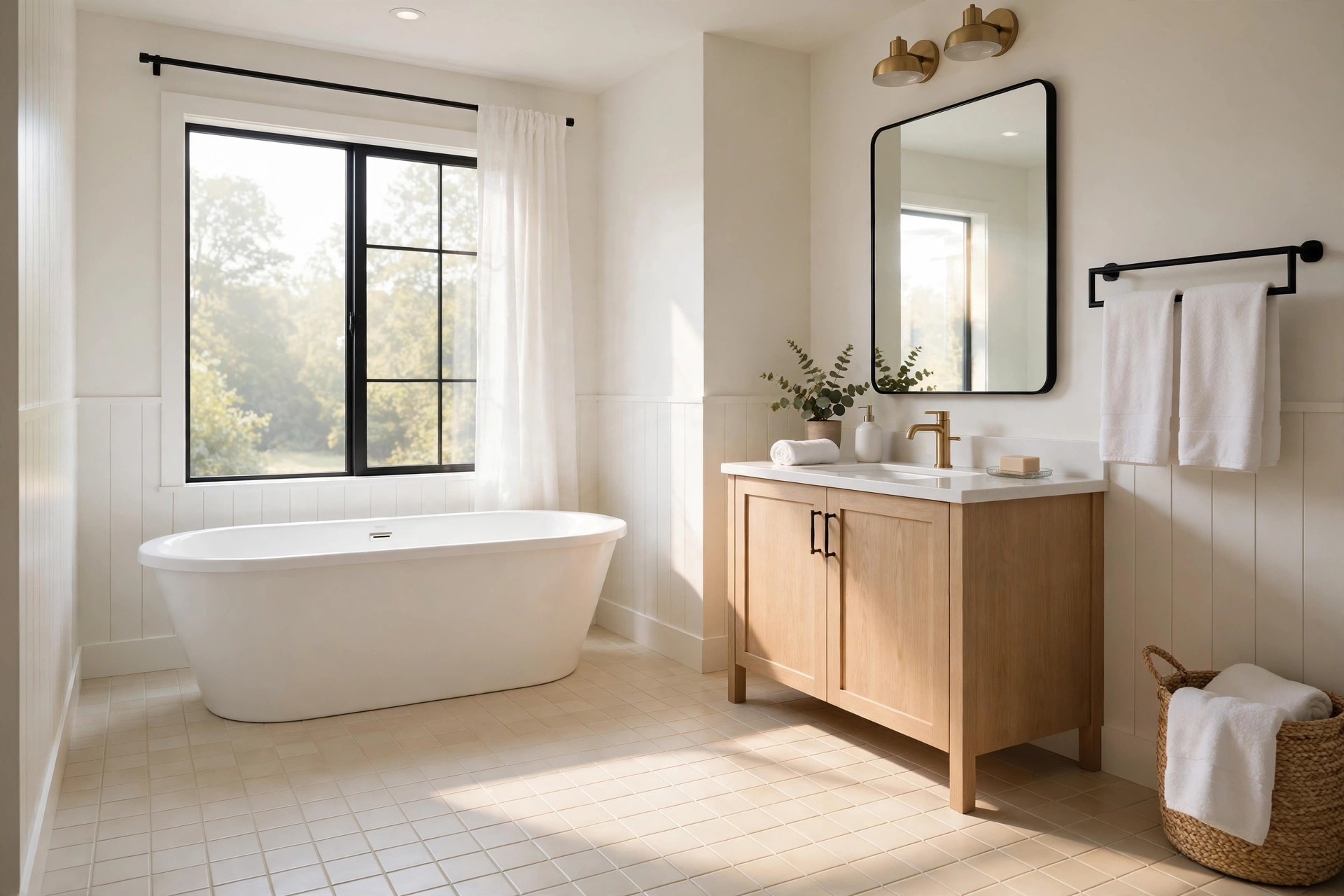

A cold bathroom floor can make a winter morning hard to face. You step out of a warm shower and your feet hit cold tile. It is a small shock, but it happens every day. That is why many owners now look at a heated floor kits buying guide usa before they remodel. A heated floor kit warms the tile, stone, or vinyl from below. The floor itself becomes the heater. This heated floor kits buying guide usa will walk you through what to know, what to buy, and what to avoid.
Why Warm Floors Matter
Most people add heated floors for comfort. Warm floors feel good. They also solve a real problem in cold climates. Bathrooms in the northern states can stay chilly even when the rest of the house is warm. Tile and stone hold the cold. A heated kit sends gentle warmth up through the surface. You can use it all winter long.
There are other gains as well. A heated floor can cut the need for a space heater in the bathroom. It dries damp spots on the floor faster, which helps against mold. Some owners set a timer so the floor is warm at six in the morning and off by nine. That kind of control saves power.
If you are planning a full remodel, think about the floor early. A heated floor kit goes in under the tile, before the grout work. It is much cheaper to add it during a remodel than to tear up a finished floor later. Pair it with other comfort items. A bathroom towel warmer makes a warm room feel complete.
What to Look For: Heated Floor Kits Buying Guide Usa
Not all kits are the same. Before you buy, look at these points.
Room Size and Kit Size
Kits come in set sizes, often from 10 square feet up to 120 square feet. Measure your room first. Draw a simple floor plan. Mark where the tub, shower, toilet, and vanity sit. Heating mats go only in open floor areas. Do not run heat under a toilet base or under a fixed vanity. You need less cable than the full room size. A 60 square foot bath may need only a 35 square foot mat.
Voltage
Most USA kits come in 120 volt or 240 volt. For small rooms up to about 150 square feet, 120 volt is fine. For large rooms, 240 volt runs with less current and works a bit better. Check your home wiring. A 240 volt kit needs a double-pole breaker. If you are not sure, ask an electrician before you order.
Thermostat
Every kit needs a thermostat made for floor heat. Look for one with a floor sensor probe. The probe sits in the thin-set under the tile and reads the real floor temperature. Programmed thermostats save money. You set warm times for morning and evening. Some new models connect to a phone app. Buy the thermostat from the same brand as the kit when you can. Mixed brands can cause trouble.
Watt Density
Most floor kits put out 10 to 15 watts per square foot. That is enough to warm tile through to your feet. Higher wattage warms faster but uses more power. For a bathroom, 12 watts per square foot is a common middle ground. Expert guides on home projects often note that the right density depends on the floor cover and the room insulation.
Types of Heated Floor Kits
There are two main types. Each works in a different way.
Electric Heat Mats
An electric mat is a mesh sheet with thin cable woven through it. You roll it out on the subfloor and cover it with thin-set mortar. Then you lay tile on top. Mats are the most common choice for bathrooms. They are easy to cut around odd shapes, though you must never cut the cable itself. You can trim the mesh between cable runs. Most kits include the mat, the thermostat, and the sensor probe.
Mats suit tile, stone, and some engineered wood floors. They do not suit thick carpet. Check the kit label for approved floor covers. When you compare products at major retailers, look for this list on the box.
Loose Cable Systems
A loose cable system gives you a spool of heating cable and strips that hold it in place. You lay the cable in a back-and-forth pattern. This type fits rooms with odd angles or many corners. It takes more time to install. It also lets you set the spacing yourself. Tighter spacing gives more heat per square foot.
Loose cable costs a bit less than mats for large areas. For small baths, mats are simpler. Both types give the same warm result when installed well. Advice from home renovation experts suggests mats for first-time do-it-yourself work.
Hydronic Kits
A third type uses hot water in tubes. These hydronic kits hook to a boiler or water heater. They make sense for a whole house, not one small bath. They cost much more to install. This heated floor kits buying guide usa focuses on electric kits, since those fit most bath projects.
Which Room Gets the Most Value
The main bath and the master bath give the best return on floor heat. These rooms have hard floors and get daily use. A guest bath used twice a year gains less. Kitchens and entryways also work well if they have tile. Many owners start with one bath to learn the process. If they like the result, they add kits to the next remodel. For buyers, a warm bath floor is a small luxury that makes a home feel cared for. It often comes up in listings for cold-climate homes.
Cost and Price
Cost breaks into three parts: the kit, the install, and the power bill.
Kit Prices
Small electric kits for a 20 to 30 square foot bath area often cost between 150 and 400 dollars. Medium kits for a master bath run 400 to 900 dollars. Large kits go over 1,000 dollars. The thermostat may add 80 to 250 dollars if it is not in the box. Buy a kit that fits your measured area. An oversized kit wastes money. An undersized kit leaves cold spots.
Install Prices
If you hire a pro, install often costs 500 to 1,500 dollars per bath, on top of the tile work. The electrician needs to add a dedicated circuit and a GFCI breaker. Most local codes call for GFCI protection on floor heat in a bath. Get two or three quotes. Ask each pro if they have laid floor heat before. Experience with the right fixtures from major makers and tile work matters.
Running Cost
A small kit draws about 300 to 500 watts, like five light bulbs. Run three hours a day and it adds only a few dollars a month to the bill. A programmed thermostat keeps this low. For efficiency advice, ENERGY STAR resources explain how zone heating cuts waste.
Install and Care
You can install a mat yourself if you know basic tile work. The electrical hookup must be done by a licensed electrician. That is the safe split.
First, test the mat with an ohm meter before you unroll it. Write down the reading. Test again after you lay it. Test a third time after the tile goes down. If a reading changes much, stop and find the fault. A damaged cable buried in mortar is a costly fix.
Spread the thin-set thin and even. Do not nick the cable with the trowel. Keep the sensor probe in its tube so you can replace it later. Let the mortar cure fully before you turn the heat on. Most makers say to wait two to four weeks. Turning it on early can crack the mortar.
Care is simple. Sweep and mop as normal. Do not drill into the floor without knowing where the cable runs. Keep your floor plan. If you ever need a repair, that plan is gold. Pair the warm floor with a good walk-in shower kit for a full comfort upgrade.
Safety
Electric floor heat is safe when installed to code. Follow these rules.
Buy a kit listed by a known test lab such as UL or ETL. The mark should be on the box. Use a GFCI breaker or GFCI thermostat. Never splice or shorten the heating cable. Never cross one cable over another. Keep heat away from wax toilet rings, though the ring sits under the toilet where no mat should go.
Some kits warn against use over certain membranes or under heavy built-ins. Read the install manual all the way through before you start. If a step is unclear, call the maker’s support line. They answer these calls every day. For general home safety guidance, federal resources cover moisture and air quality in baths too.
Watch for recalls now and then. Makers post them on their sites. Register your kit after install so you get notices. Keep the receipt and the model number with your house papers.
FAQ
How long does a heated floor kit last?
Most makers rate the cable for 25 years or more. The mat has no moving parts. What fails first is usually the thermostat, which you can swap in an hour. Test the cable once a year with an ohm meter to catch problems early.
Can I put heated floors under vinyl?
Some kits allow it. The floor cover must be rated for the heat output. Sheet vinyl and luxury vinyl plank each have temperature limits. Check the kit manual and the vinyl maker’s guide. If they disagree, trust the stricter one. Tile and stone remain the best match.
Will it heat the whole bathroom?
It warms the floor and takes the chill off the room. It will not replace the main heater in a cold house. Think of it as comfort heat. In a small, well-sealed bath it can raise the air a few degrees. In a large bath, keep the central heat on.
Can I add a kit without a full remodel?
Only if the floor is already torn up. The mat must sit under the tile. You cannot slide it under a finished floor. If your tile is old and due for replacement, that is the right time. This is why many owners add floor heat during a planned shower upgrade or full bath redo.
Do I need a permit?
Most towns want a permit for new electrical circuits. The electrician usually pulls it. A permit means an inspector checks the work. That protects you if you sell the house later. Ask your town office before work starts.
What brands make good kits?
Several trusted names sell bath fixture lines and partner with floor heat makers. Browse the bath collections at major brands and fixture lines from American makers when you plan the room. For the heat kit itself, look at brands that specialize in floor heat, sold through home guides and reviews and faucet and fixture makers for the rest of the bath.
A Final Word
A heated floor is one of those upgrades you feel every single day. It costs less than most people think when added during a remodel. Measure well, buy the right size, test the cable at each step, and hire an electrician for the hookup. Then enjoy warm tile on cold mornings for years to come.
References
American Standard. (n.d.). Bathroom and kitchen products. https://www.americanstandard.com Bob Vila. (n.d.). Home improvement advice. https://www.bobvila.com Delta Faucet. (n.d.). Kitchen and bathroom faucets. https://www.deltafaucet.com ENERGY STAR. (n.d.). Energy efficient products. https://www.energystar.gov Kohler. (n.d.). Bathroom and kitchen fixtures. https://www.kohler.com Moen. (n.d.). Faucets and plumbing fixtures. https://www.moen.com The Home Depot. (n.d.). Home improvement products. https://www.homedepot.com The Spruce. (n.d.). Home and garden advice. https://www.thespruce.com This Old House. (n.d.). Home renovation guidance. https://www.thisoldhouse.com U.S. Environmental Protection Agency. (n.d.). Protecting human health and the environment. https://www.epa.gov
Was this guide helpful?

About Sarah Mitchell
The My Garden US editorial team writes practical, in-depth home and garden guides for American homeowners — tested advice, no fluff.
You May Also Like

Heated Floor Kits Deals Near Me: A Practical Buying Guide
March 18, 2026 0 views
Bathroom Vanity Light Bars Buying Guide USA: How to Choose the Right One
February 20, 2026 0 views
Brushed Nickel Faucets Deals Near Me: How to Find Real Savings
February 26, 2026 0 views