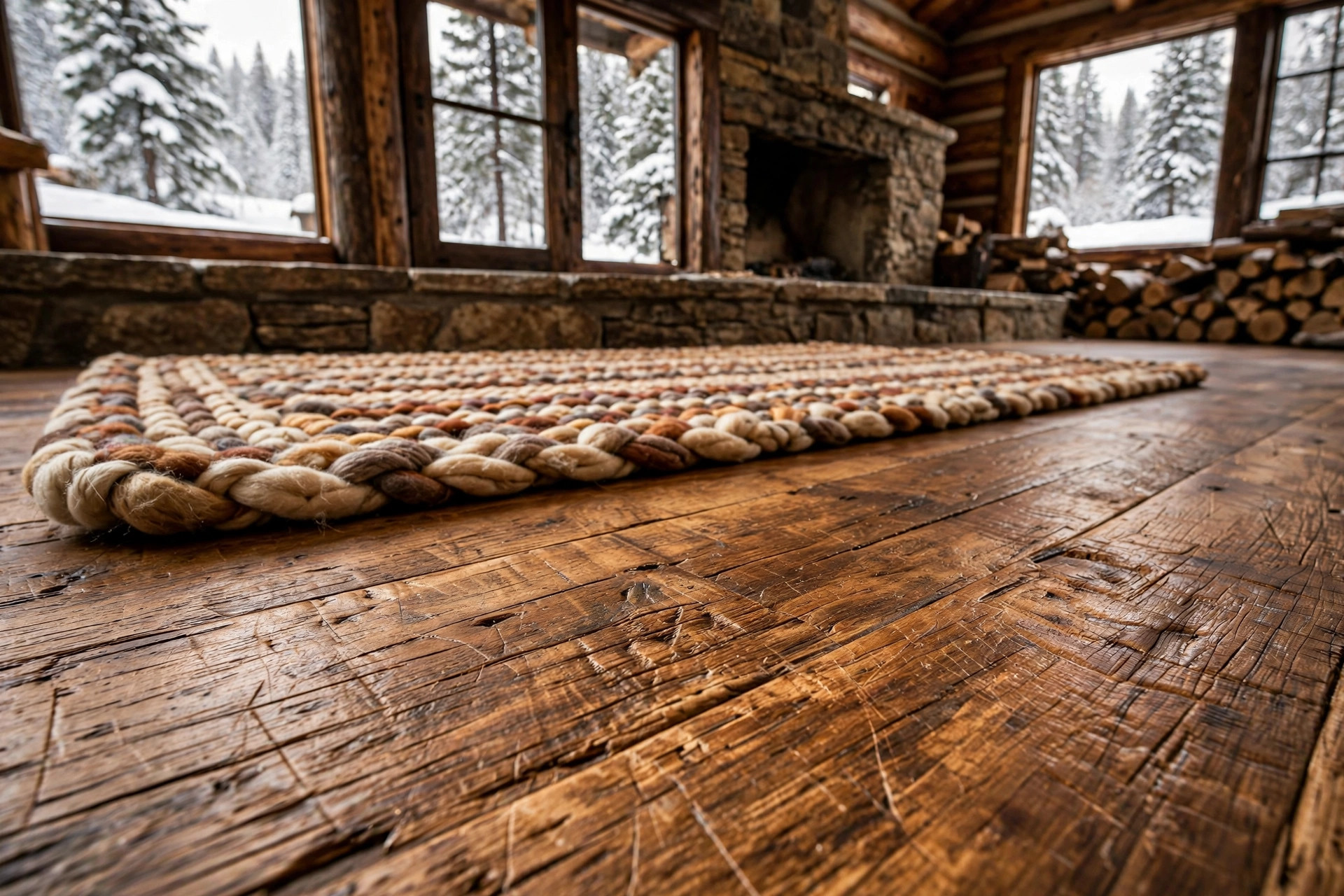

A cabin in the north is a special place. In summer, it is open and light. In winter, it faces snow, ice, and deep cold. The floor takes the hardest beating of any part of the house. Boots bring in slush. Melt water seeps into seams. Wood moves as the air dries out. Tile can crack when the cabin freezes. For this reason, picking the right cold climate flooring options for cabins USA is one of the most important choices a cabin owner makes. The right floor stays warm underfoot, shrugs off moisture, and holds up when the heat is off for weeks at a time.
This guide walks through the facts. It explains why cold matters so much to floors. It shows what to look for in a material. It lists the main types of flooring that work in cabins. It gives cost ranges. It covers care, safety, and the questions buyers ask most.
Why Floor Choice Matters in a Cold Climate Cabin
Cabins are not like city homes. Many cabins sit empty through part of the year. When no one is there, the heat may be set low or turned off. Pipes are drained. The air grows dry. Then the family arrives for a winter weekend and turns the stove up high. The room heats fast. The air grows damp as snow melts off boots. Then everyone leaves, and the cold comes back.
This swing between freeze and thaw is hard on floors. Solid wood shrinks in dry cold and swells in damp warmth. The gaps between boards grow and close. Some floors warp. Glue bonds fail. Stone and tile hold up to the cold itself, but the grout can stain and crack from constant wet boot traffic.
There is also the simple matter of comfort. A cabin floor that feels like ice under bare feet is no joy. Materials that hold warmth, or work well over radiant heat, make winter stays far more pleasant. A good floor also protects the structure below it. Water that gets past a poor floor can reach the subfloor and rot it. In a remote cabin, such repairs are costly and slow.
Energy use matters too. A floor that feels warm lets the owner keep the thermostat a bit lower. Over a long winter, that saves fuel money. For these reasons, smart cabin owners study their cold climate flooring options for cabins USA before they buy a single box of planks.
What to Look for in Cabin Flooring: Cold Climate Flooring Options for Cabins Usa
Moisture Resistance
Snow on boots melts into puddles by the door. The floor must resist water. Look for sealed surfaces. Look for tight seams. Floating floors with locking edges can move with the house while still blocking water at the joints.
Dimensional Stability
Heat and cold make materials grow and shrink. A stable floor moves very little. Engineered products, with layers bonded across the grain, are far more stable than solid planks. For cabins that freeze and thaw, stability is the top quality to demand.
Insulation Value
Some floors feel warm because they do not pull heat from feet. Cork and carpet are warm. Tile is cold unless heated from below. Wood sits in the middle. Rugs add warmth to any hard floor.
Wear Resistance
Cabins get hard use. People come in with grit on their boots. Dogs scratch. Firewood gets stacked by the stove. A thick wear layer on engineered wood, or a tough factory finish, extends the life of the floor by years.
Ease of Repair
Remote cabins are far from shops and floor crews. A floor that the owner can fix with spare planks and simple tools is a real plus. Floating floors are the easiest to repair in sections.
Main Types of Cabin Flooring
Engineered Hardwood
Engineered wood is the leading choice for cold cabins in the United States today. It has a real wood face bonded to stable plywood layers. It looks like solid oak or hickory but moves much less. It can handle the dry air of a heated cabin and the cold of an empty one. Many lines are rated for use over radiant heat, which adds to their appeal. Product guides at major flooring retailers explain which grades suit cold settings and how thick the wear layer should be. Resources like LL Flooring and Shaw Floors carry wide lines of engineered planks with clear ratings for temperature range.
Engineered wood costs more than laminate but less than solid premium wood. It can be refinished once or twice if the wear layer is thick. For the classic cabin look with modern stability, it is hard to beat.
Luxury Vinyl Plank
Luxury vinyl plank, often called LVP, has grown fast in cabins and lake houses. It is fully waterproof. It does not shrink or swell. It wears well under grit and pet claws. Many styles copy the look of wood or stone with great realism. It is warmer underfoot than tile and cheaper than most wood.
There are limits. Cheap vinyl can fade in strong sun by the windows. Some lines dent under heavy furniture. And while the floor itself is fine in the cold, the click joints like a stable temperature during install. Still, for a worry-free cabin floor that takes snow, mud, and wet dogs in stride, LVP is a strong contender. Big home stores stock many lines and show how each rates for moisture; the Home Depot flooring pages list water ratings line by line, and Lowe’s offers similar guides.
Laminate
Laminate is a budget pick. It resists scratches well and looks like wood. The core, however, is fiberboard. If water reaches the core through a seam, the plank swells and will not recover. Newer water-resistant laminates hold up better, but they are not waterproof like vinyl. In a cabin with an entry that floods with slush, laminate needs a strict no-shoes rule and fast cleanup.
Porcelain Tile
Tile is nearly immune to water and cold. It will not warp, rot, or swell. Porcelain is denser and tougher than ceramic, so it suits cabins best. Tile for a mudroom floor can take the worst that boots dish out. Many owners like tile at entries and in baths, paired with warmer floors in living spaces. The best tile for mudroom floor reviews usa can help narrow the field for that hard-use entry zone.
The trade-off is comfort. Tile feels cold. Over a heated slab or with electric radiant mats, it becomes a pleasure. Tile also needs a steady subfloor and correct underlayment, so tile installation cost per square foot usa is worth studying before the project starts. Smaller spaces can use larger tiles with fewer grout lines; see notes on large format tile for small bathroom usa for how size choice changes a room. Designers at Daltile publish many porcelain lines rated for freeze-thaw settings.
Cork and Carpet
Cork is warm, soft, and quiet. It insulates well, which helps in a cabin. It needs sealing against water and is best kept out of entry zones. Carpet warms bedrooms and lofts and is cheap to replace. It traps dirt and holds moisture, so it suits only dry upper areas, not entries or baths.
Solid Hardwood
Solid wood has the deepest cabin charm. Wide planks of pine or oak feel right in an old lodge. But solid wood moves with the seasons more than any other option. In a cabin that freezes, gaps will open in winter and close in summer. If the owner accepts that seasonal movement as part of the charm, and keeps humidity in a sane range when the cabin is occupied, solid wood can last a century. Rift-sawn or quartersawn boards move less than flat-sawn ones.
Cost and Price
Prices move by region and grade, but common ranges in the United States are as follows. Carpet is the cheapest, often two to five dollars per square foot for material. Laminate runs three to eight dollars per square foot for material. Luxury vinyl plank runs four to ten dollars per square foot for material. Engineered hardwood runs five to fourteen dollars per square foot. Porcelain tile runs five to fifteen dollars per square foot for material, plus more for labor. Solid hardwood runs eight to eighteen dollars per square foot for material.
Labor adds three to ten dollars per square foot in most markets, with tile at the high end because the prep work is heavy. Remote cabins add travel cost for crews, so many owners install floating floors themselves to save money. Old-house experts note that prep work often decides the final bill; the advice at This Old House walks through subfloor repair before any new floor goes down. General home guides at The Spruce break down material and labor costs by room and type.
Care and Upkeep
A cabin floor lives longer with simple habits. Place heavy mats at every door and shake them out often. Wipe up melt water the same day. Run the heat at a low setting through winter if the pipes allow it, to keep swings mild. Keep spare planks from the same dye lot for repairs.
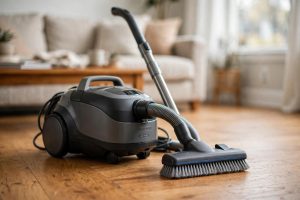
Sweep or vacuum grit often; grit is what scratches finishes. Use cleaners made for the floor type. Never flood a wood or laminate floor with water. Reseal grout every year or two in wet zones. Check the floor each spring for lifted edges, gaps, or stains that point to water getting under the surface. Manufacturers like Mohawk Flooring post care sheets for each product line, and their cleaning advice is worth following to keep warranties valid.
Safety
Wet floors are slip hazards. Choose textured or matte finishes at entries. Tile should have a slip-resistant rating in any zone where boots drip. Keep stairs and landings clear of loose rugs unless the rugs have strong backing.
Wood stoves and fireplaces need non-combustible hearth protection under and in front of them. Check local code for the required clearance. Do not run flooring under a stove unless the maker allows it; most codes want stone or tile there.
Some older cabins may have old flooring with asbestos in tile or glue. Do not sand or tear it out blindly. Have it tested first and follow state rules for removal.
Frequently Asked Questions
What is the warmest flooring for a cold cabin? Carpet and cork feel warmest under bare feet. Among hard floors, wood and luxury vinyl plank feel warmer than tile. Tile becomes warm only with radiant heat under it.
Can I install wood floors in a cabin that freezes in winter? Engineered wood handles freeze-thaw cycles far better than solid wood because its layered core resists movement. Solid wood can still work, but expect seasonal gaps and keep indoor swings mild when the cabin is in use.
Is luxury vinyl plank good for cabins? Yes. It is waterproof, stable in temperature swings, tough under grit and pets, and easy to repair plank by plank. It is one of the most forgiving cold climate flooring options for cabins USA owners can buy.
Should I put tile in my cabin? Tile is excellent for entries, mudrooms, and baths where water is constant. For main living areas, many owners find it too cold unless radiant heat runs beneath it. Porcelain beats ceramic for toughness in cold settings.
How do I keep my cabin floor from warping when the heat is off? Pick a stable material like engineered wood or vinyl. Acclimate the flooring to the cabin before install. Leave proper expansion gaps at walls. If possible, keep a low background heat through the coldest weeks.
Does radiant floor heating work with cabin floors? Yes, and it is one of the best upgrades for winter comfort. Tile and stone conduct heat best. Many engineered wood and luxury vinyl lines are rated for radiant systems. Always check the maker’s rating before you buy.
Final Word
There is no single perfect floor for every cabin. The best choice fits how the cabin is used. A weekend cabin that freezes solid needs stability and water resistance above all. A full-time home in the mountains can carry the charm of solid wood with care. Weigh comfort, cost, upkeep, and the cold itself. Then pick from the proven cold climate flooring options for cabins USA and enjoy many warm winters by the fire.
References
Daltile. (n.d.). Ceramic and porcelain tile. https://www.daltile.com LL Flooring. (n.d.). Hardwood, vinyl, and tile flooring. https://www.llflooring.com Lowe’s. (n.d.). Home improvement products. https://www.lowes.com Mohawk Flooring. (n.d.). Flooring products. https://www.mohawkflooring.com Shaw Floors. (n.d.). Flooring products. https://www.shawfloors.com The Home Depot. (n.d.). Home improvement products. https://www.homedepot.com The Spruce. (n.d.). Home and garden advice. https://www.thespruce.com This Old House. (n.d.). Home renovation guidance. https://www.thisoldhouse.com
Was this guide helpful?

About David Wilson
The My Garden US editorial team writes practical, in-depth home and garden guides for American homeowners — tested advice, no fluff.
You May Also Like
Carpet Installation Cost Per Square Foot USA: A Plain Guide
June 14, 2026 0 views
Slate Tile Flooring for Entryway Spaces: A Practical Guide for American Homes
March 10, 2026 0 views
The Best Time to Buy Flooring on Sale USA: A Plain Guide
February 15, 2026 0 views