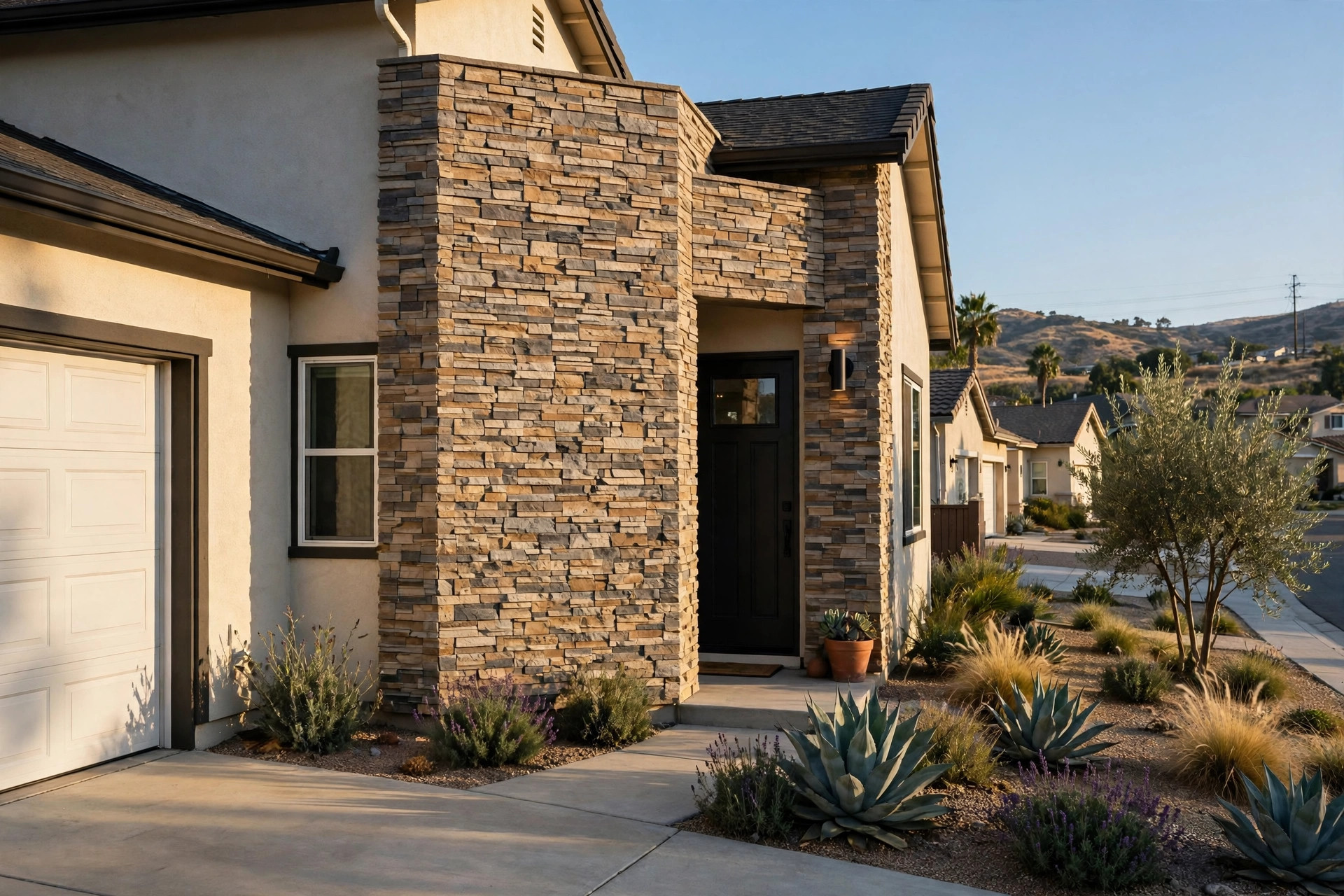

Stone gives a home a solid, lasting look. Many home owners in California want that look without the cost and weight of full stone walls. Stone veneer panels are the answer. When you buy stone veneer panels online in California, you get a wide choice of styles delivered straight to your door. This guide walks you through every step, from choosing a style to placing your order and putting the panels up.
Why Stone Veneer Panels Matter
A stone finish adds warmth and character to a plain wall. It can turn a simple front entry into a feature that draws the eye. In California, stone veneer works well with the dry climate. It stands up to sun and heat without fading the way some paints do. It also suits many home styles, from ranch houses in the valley to modern homes along the coast.
Stone veneer panels are lighter than real stone. A real stone wall can weigh several hundred pounds. Stone veneer panels weigh far less, so most walls can carry them without extra support. This matters in a state where building rules are strict. Lighter cladding means fewer structural changes and fewer permits. You can review common siding and exterior cladding choices before you settle on stone.
The cost is another reason these panels matter. Real cut stone is cut from a quarry, trucked long distances, and set by skilled masons. Stone veneer is made in a factory from concrete and natural aggregates. It costs much less per square foot. For a California home owner on a budget, it brings the stone look within reach.
What to Look for When You Buy Stone Veneer Panels Online: Buy Stone Veneer Panels Online in California
Buying online gives you more choice than any single store. But you cannot touch the panels or see them in real light. You need a clear plan.
Style and Color
Stone veneer comes in many styles. Fieldstone has a rough, rustic face. Ledgestone is made of thin strips stacked tight. Cobblestone is round and smooth. Brick style veneer looks like thin brick. If you are weighing stone against thin brick, read a brick veneer siding review and buying guide to compare the two looks.
Color matters too. Light colors reflect heat and suit hot inland areas. Dark tones look rich but absorb more sun. Look at sample photos on the seller page. Ask the seller to mail a physical sample before you order a full pallet. A small sample box is worth the wait.
Panel Size and Thickness
Panels are sold in flat pieces and corner pieces. Flats cover the main wall. Corners wrap around edges and posts. Measure your wall in square feet. Then add ten percent extra for cuts and waste. Many sellers list how many square feet each box covers. Check whether the listed coverage is for flats only.
Thickness affects the look. Thicker panels cast deeper shadows and look more like real stone. Thin panels sit flatter and look neat and modern. Both are fine. Pick the depth that suits your home style.
Material and Quality
Most stone veneer is made from molded concrete with added minerals. Good panels use molds taken from real stone. Look for makers that describe their mold process. Read buyer reviews for notes about color variation. Some color variation is good. It makes the wall look natural. Too much variation can look messy.
Check the product weight per box. Lighter panels are easier to carry and hang. Also check fire ratings. In fire-prone parts of California, look for veneer that carries a Class A fire rating. Many concrete veneers qualify. The home improvement guides at this old house explain how to check fire ratings on cladding products.
Seller Reputation and Shipping
Choose sellers with clear return policies. Stone veneer is heavy, so return shipping can be costly. A good seller will state how broken pieces are handled. Look for sellers that pack panels in foam-lined boxes or on pallets with shrink wrap.
Shipping to California varies by warehouse location. Panels made in the Midwest may take a week to reach the coast. Some sellers offer free freight on large orders. Ask about curbside delivery versus liftgate service. A liftgate truck lowers the pallet to the ground for you. It is worth the extra fee for heavy orders.
Types of Stone Veneer Panels
There are three main types of stone veneer panels sold online today.
Manufactured concrete veneer. This is the most common type. It is cast in molds from real stone faces. It is light, affordable, and widely available. Most online sellers stock this type in dozens of colors. It suits most homes and most budgets.
Natural thin stone veneer. This is real stone cut thin, about one inch thick. It costs more than concrete veneer but looks exactly like full-depth stone. It is heavier and needs a stronger wall or a metal lath backing. Online sellers of natural thin stone often ship from regional quarries.
Faux stone panels. These are made from high-density polyurethane or fiber cement. They are the lightest option. Some look very real from a distance. They are easy to cut with a saw and easy for a home owner to install. Check their sun resistance before ordering for a south-facing wall. Product comparisons at bob vila can help you weigh manufactured veneer against faux panels.
Each type has a place. For most California homes, manufactured concrete veneer is the sweet spot of price and looks. For a high-end custom build, natural thin stone is hard to beat.
Cost and Price Guide
Stone veneer panels usually sell for a price per square foot. As of this writing, typical online prices run from about six dollars to about fifteen dollars per square foot. Manufactured concrete veneer sits at the lower end. Natural thin stone sits at the higher end. Faux panels fall in the middle.
Corner pieces cost more per foot than flats. Plan your corners and posts early so you can budget for them.
Shipping adds to the total. A small order under 100 square feet may ship by parcel. Larger orders ship by freight. Freight to California from an out-of-state warehouse can add several hundred dollars. Many sellers give a freight quote at checkout. Add this to the per-foot price to get the true cost.
Installation is the next cost. A contractor may charge seven to fourteen dollars per square foot to install veneer, not counting the panels. Doing it yourself saves that cost but takes time and care. If you are planning a bigger exterior project, it helps to know what other trades charge, so also review a metal roofing installation cost guide for a sense of exterior project pricing. General pricing references for siding and cladding are also kept current at home depot and lowes.
Here is a simple budget example. A 200-square-foot accent wall at ten dollars per foot costs 2,000 dollars for panels. Add 300 dollars for freight. Add 1,800 dollars for professional install. The total comes to about 4,100 dollars. A do-it-yourself install cuts that to about 2,300 dollars plus tools and mortar.
Care and Upkeep
Stone veneer needs little care. That is one of its best traits. A yearly rinse with a garden hose removes dust and grime. Do not use a pressure washer on high. Strong pressure can chip the color layer. Use a soft brush and mild soap for stubborn spots.
Check the joints once a year. Look for cracks in the mortar or gaps behind the panels. Small cracks can be sealed with a matching mortar repair mix. If a panel comes loose, pull it off, clean the back, and reset it with fresh mortar or adhesive. Repair guides from family handyman walk through these small fixes step by step.
In coastal areas, salt air can leave white marks called efflorescence. A mild vinegar wash usually clears it. Inland, dust is the main issue. A yearly rinse keeps the wall looking fresh.
Do not paint stone veneer unless the maker says it is safe. Paint can trap moisture and peel. If you want a new color, buy a new batch in that color. Sealing is rarely needed for concrete veneer, but a breathable masonry sealer can help in wet spots near sprinklers. The exterior care articles at the spruce give good seasonal checklists for cladding upkeep.
Safety and Installation Tips
Stone veneer is a building material. Treat it with care.
Wear gloves and eye protection when cutting panels. The dust from cutting concrete veneer can harm your lungs. Wear a dust mask or a respirator. Cut outdoors or in a well-ventilated garage. A wet saw keeps dust down and gives clean cuts.
Check your local building code before you start. Some California cities require a permit for exterior cladding changes. Fire districts may require specific fire ratings. Your city planning office can tell you in one visit. Large siding makers like james hardie and certainteed publish code and fire information that applies to many cladding types.
Prep the wall well. Most veneer needs a clean, sound surface. Over wood sheathing, you will need building paper, metal lath, and a scratch coat of mortar. Over concrete block, you can often bond the panels straight to the wall with mortar. Follow the maker instructions exactly. They know their product best.
Work from the bottom up and from the corners in. Keep your lines level. Mix mortar in small batches so it does not set before you use it. Take breaks in hot sun. Mortar dries fast in California heat. Mist the wall lightly if the day is very hot and dry.
If you are hiring help, look for a mason with veneer experience. Ask for photos of past work. A good installer is worth the cost. A bad one leaves a wall you will look at for years. When you plan exterior work near the roofline, it is smart to line up roof work at the same time. A reliable roof replacement contractor in California can be hard to book in peak season, so plan ahead.
Frequently Asked Questions
How long does it take to get stone veneer panels delivered in California? Small parcel orders often arrive in three to five business days. Freight orders on pallets take five to ten business days, depending on the warehouse. Order two weeks before your install date to be safe.
Can I install stone veneer panels myself? Yes, many home owners do. Faux panels and light concrete veneer are the easiest. You will need basic tools, mortar, and a steady hand. If the wall is large or high, hire a professional.
Will stone veneer hold up in California heat? Yes. Concrete veneer is made to handle heat and sun. Light colors stay cooler. Keep sprinklers from soaking the wall every day, since constant wetting can stain the stone.
How much extra should I order? Order ten percent more than your measured square footage. Cuts around windows and doors create waste. Corner pieces are ordered by the linear foot, not the square foot.
Is stone veneer safe in earthquake zones? Lightweight veneer installed to maker specs holds up well. Make sure the lath and mortar bond are done right. In high seismic zones, follow local code for anchored cladding.
Can I return panels if I do not like the color? Most online sellers accept returns of unopened boxes within 30 days. Return shipping is usually on you. That is why ordering a sample first is the best move.
A Final Word
To buy stone veneer panels online in California is a simple process when you plan ahead. Pick a style that suits your home. Order a sample. Measure twice. Compare the true cost with shipping included. Then install with care or hire a skilled mason. The result is a stone wall that looks rich, costs far less than real stone, and lasts for decades in the California sun.
References
Bob Vila. (n.d.). Home improvement advice. https://www.bobvila.com CertainTeed. (n.d.). Building materials and exterior products. https://www.certainteed.com Family Handyman. (n.d.). DIY home repair and maintenance. https://www.familyhandyman.com James Hardie. (n.d.). Fiber cement siding and exterior products. https://www.jameshardie.com Lowe’s. (n.d.). Home improvement products. https://www.lowes.com The Home Depot. (n.d.). Home improvement products. https://www.homedepot.com The Spruce. (n.d.). Home and garden advice. https://www.thespruce.com This Old House. (n.d.). Home renovation guidance. https://www.thisoldhouse.com
Was this guide helpful?

About Emily Rodriguez
The My Garden US editorial team writes practical, in-depth home and garden guides for American homeowners — tested advice, no fluff.
You May Also Like
Top Rated Fence Installation Contractors: Reviews That Help You Hire Right
August 22, 2026 0 views
Top Rated Insulated Vinyl Siding for Humid Climates
April 29, 2026 0 views
Finding the Best Storm Door Installation Near Me
July 5, 2026 0 views