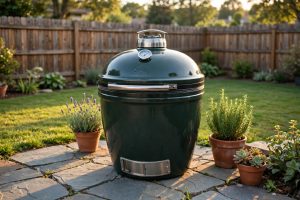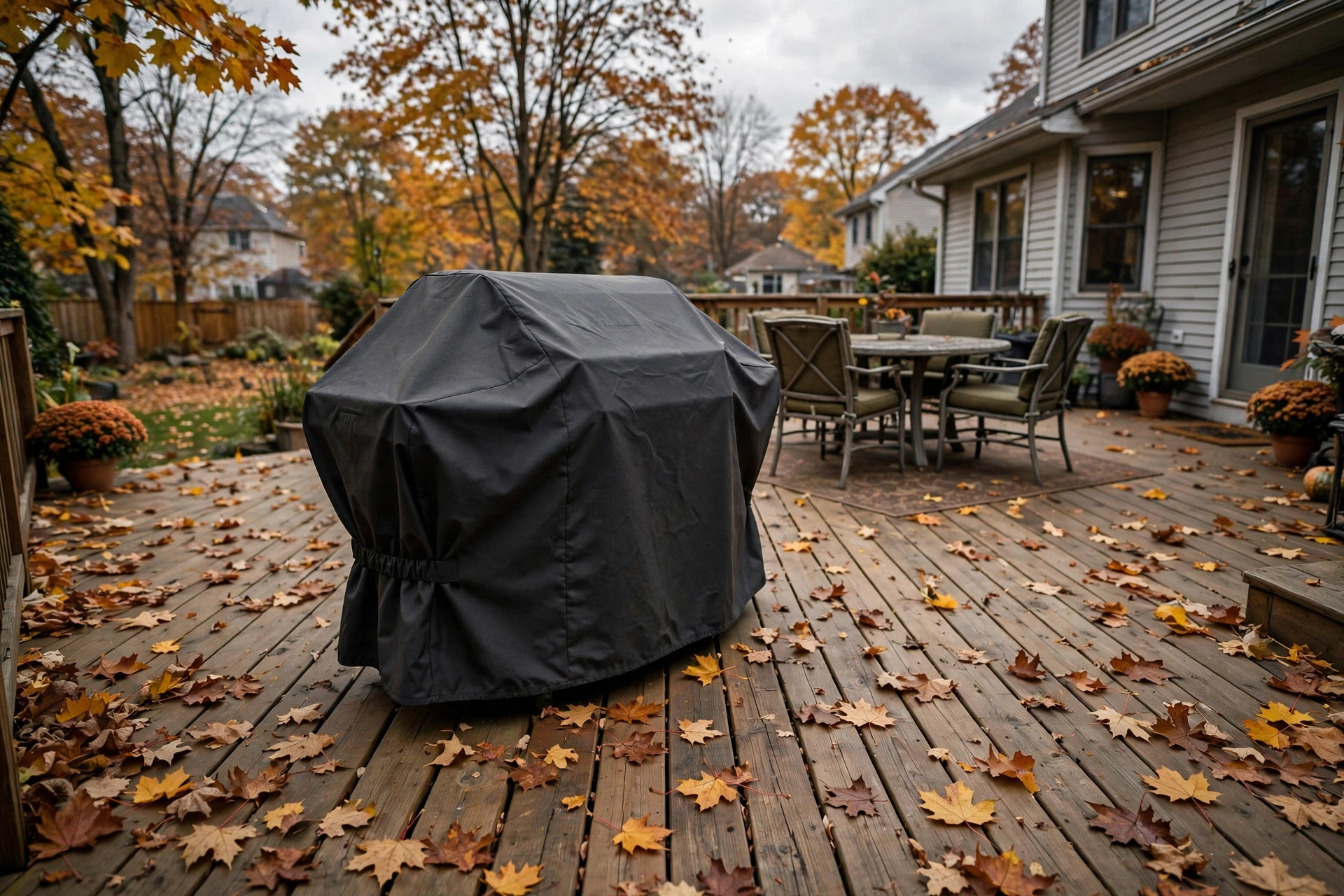

Winter ends the grilling season for most American homes. Rain, snow, and ice can damage a grill that sits unprotected. Learning how to store grill for winter outdoors is one of the simplest ways to protect your investment. The steps below work for gas, charcoal, pellet, and kamado grills. Plan for one quiet afternoon, and the grill will greet spring in good shape.
Why Winter Storage Matters
A grill left open to winter weather collects water in its firebox. Water turns to rust on steel grates and burners. Snow weight can bend thin parts. Rodents and insects move into warm hiding spots inside the grill. The damage adds up over a single season.
Good storage does three things. It keeps water out. It keeps pests out. It keeps moving parts from freezing and cracking. Owners who winterize a gas grill for storage often find that their grill lasts twice as long as the neighbor’s. The habit takes less than an hour each year. That hour pays for itself many times over.
Getting Ready: What to Do Before the First Freeze: How to Store Grill for Winter Outdoors
Clean the Cooking Grates
Start with the grates. Heat the grill for ten to fifteen minutes. This burns off stuck grease. Let the grates cool enough to touch. Scrub them with a stiff grill brush. Wash with warm water and a drop of dish soap. Rinse and dry fully. A dry grate resists rust through the winter.
Clean the Inside
Remove the warming racks and heat tents or flavor bars. Scrape loose ash and grease from the firebox with a plastic scraper. Vacuum out the bottom of the grill. On gas models, check the grease trap. Empty it and wash it with soap and water. Old grease draws mice and can even catch fire next spring.
Check the Gas Lines and Tanks
Turn off the gas at the tank. Disconnect the tank from the grill. Store the tank upright outdoors, never in a basement or garage. Keep it away from heat vents and electrical equipment. A quick guide from Consumer Reports notes that gas equipment lasts longer when fuel lines are kept dry and disconnected during long idle periods.
Handle Charcoal and Pellets
Never store charcoal grills with old ash inside. Damp ash holds acids that eat through metal. Dump the ash in a metal can and close the vents. For pellet grills, empty the hopper and the auger tube. Pellets absorb water and swell. Swollen pellets can jam the auger so badly that the motor breaks. This one step is the heart of good pellet grill maintenance tips for beginners.
Choosing a Good Winter Cover
A cover is the most important part of outdoor winter storage. Not every cover is equal. A thin plastic tarp traps moisture under it. Trapped moisture causes more rust than rain does.
What to Look For
Look for a cover made for your exact grill model. Weber and Char-Broil both make fitted covers for their grills. A fitted cover leaves less loose fabric for the wind to grab. Choose heavy fabric such as polyester with a waterproof lining. Vents sewn into the cover let trapped air escape. Straps or buckles hold the cover tight in winter storms.
Many owners of kettle grills prefer a grill cover made for the Weber kettle. Model-specific covers fit the round bowl shape better than a one-size cover.
Cover Materials and Lifespan
Polyester covers with a waterproof lining last the longest. They breathe enough to let damp air out while keeping rain off. Vinyl covers block water well but can trap damp air under them. They also crack in very cold weather. Look for covers rated for outdoor use in all seasons. Many carry a two-year or three-year warranty. A cover that fails after one winter is not a bargain. Read the label for UV protection if your grill sits in full sun. Sun breaks down cheap fabric even in winter. A well-made cover should last through three or four winters with normal care. Store the cover indoors if you ever move the grill under a roof. This small habit extends the life of the fabric.
How to Fit the Cover
Let the grill cool fully before covering. Pull the cover down evenly on all sides. Fasten every strap. Tie a bungee cord around the bottom if the wind is strong in your area. Check the fit once a month during winter. Reset any strap that has loosened. Napoleon care guides recommend checking covers after heavy snow, since deep snow can push a cover out of shape.
Where to Put the Grill for the Winter
Outdoors With a Cover
Most grills can stay outdoors all winter with a good cover. This is the most common choice in America. Place the grill on a hard, level surface. Concrete or stone is best. Wood decks work too, but keep the grill a few feet from the house wall. Leave the vents partly open under the cover so air can move. Air flow stops moisture from pooling inside.
In a Shed or Storage Box
A shed adds one more layer of protection. Dry air and no snow load keep the grill almost like new. Store the grill clean and covered even in the shed. Sheds can drip from the roof. Mice also like sheds. Set traps or steel wool around the grill legs to block them.
In the Garage
A garage works, but follow strict rules. The grill must be clean and cool. Never store a propane tank in the garage. The tank stays outside, always. Keep the grill away from cars and chemicals. Small electric grills are the easiest fit for a garage corner.
Cost and Price of Winter Grill Storage
Winter storage costs very little. A good fitted cover costs between twenty and seventy dollars. Most quality covers fall in the thirty-to-fifty-dollar range. This is the main expense.
Cleaning supplies add a few dollars. Dish soap, a grill brush, and a bag of baking soda are enough. A plastic scraper costs under five dollars. Bungee cords for wind protection cost a few dollars more.
Compare these small costs with repair costs. A new burner tube set costs fifty to one hundred dollars. New grates cost thirty to eighty dollars. A full grill replacement costs three hundred to over one thousand dollars. Storage supplies pay for themselves in a single winter. Buying a cover is far cheaper than buying a grill.
Care and Upkeep Through the Cold Months
Monthly Checks
Visit the grill once a month. Brush snow off the top of the cover. Snow left on top can freeze the cover to the grill. Look under the cover for pooled water. Dry any water you find with an old towel. Check that straps are still tight. Look for chew marks or nests near the legs. Early action stops small problems from growing.
Watching for Mold and Mildew
Damp air under a cover can grow mold on the grill surface. If you see dark spots inside, wipe them with a mix of warm water and white vinegar. Dry the area fully after cleaning. Mold grows where air is still and wet. Loosening the cover vents for a day of dry air can stop it from coming back. Never use bleach on grill parts. Bleach can damage steel and leaves a smell that clings to food surfaces. Vinegar and dry air are safer and just as effective for light mold.
Protecting Against Rust
A light coat of cooking oil on cast iron grates keeps rust away. Rub a thin layer on the grate surface with a paper towel. Do not overdo it. A thick layer turns sticky and attracts dust. Stainless steel grates need no oil, but they should be dry before covering.
Some owners spray the outside of the grill with a light rust guard made for barbecue equipment. Broil King owner guides suggest keeping all surfaces dry rather than relying on sprays alone. Dryness remains the best rust guard.
Battery and Ignition Care
Many grills use a small battery for the ignition button. Remove the battery for winter. Cold drains batteries fast. Store the battery indoors at room temperature. Put it back in spring and test the spark before the first cook. Traeger support pages note that electronics on pellet grills should be kept dry, and a cover with a snug fit protects the control panel from rain and snow.
Safety
Safety comes first with any grill, even a stored one. Keep these rules in mind.
Never store a grill indoors where people sleep. Carbon monoxide from past grease fires is not the risk. The risk is the fuel tank. Propane tanks always stay outside, upright, and away from the house. This rule applies all winter long.
Keep the grill away from dryer vents and heating exhaust pipes. Warm, moist air from vents can rust the grill fast. It can also melt a cheap cover. Give the grill at least three feet of space from any vent.
Never light a grill with the cover on. This sounds obvious, but it happens every year. Always remove the cover fully before cooking. Keep the cover away from open flame. A fabric cover can catch fire in seconds.
After any winter storm, check that wind has not pushed the grill toward a fence or a gas meter. Strong winds move covered grills more than people expect. Lock the caster wheels if the grill has them.
Frequently Asked Questions
Can a grill stay outside all winter without a cover?
It can, but it should not. Rain and snow will reach the burners and grates. Rust will form within weeks. A cover costs far less than new parts. Always use a cover if the grill stays outdoors.
Should I bring my grill inside for winter?
You can bring a small electric grill or a small charcoal grill inside a shed or garage. Never bring a propane tank inside. The tank must stay outdoors. Many owners find that a covered grill on the deck does just as well as one in a crowded garage.
Do I need to empty the grease trap before winter?
Yes. Empty and wash the grease trap. Old grease turns rancid and draws mice, rats, and insects. It can also harden into a lump that is hard to clean in spring. This small step saves real trouble.
How do I stop mice from nesting in my grill?
Clean all food residue and grease. Close the vents on charcoal models. Block large openings with steel wool. Check under the cover once a month. A clean grill gives mice no reason to move in. Outdoor cooking sites like The Spruce Eats and AmazingRibs.com both stress that a deep clean before storage is the best pest control.
Can snow damage a covered grill?
Deep, wet snow is heavy. It can bend the lid of a thin grill and push the cover out of place. Brush snow off the cover after each storm. A quick sweep takes one minute and protects the grill all season.
What is the first thing to do in spring?
Remove the cover and inspect the whole grill. Check the gas hose for cracks. Test the ignition spark. Heat the grill empty for fifteen minutes to burn off dust. Scrub the grates once more. Reconnect the propane tank outdoors and check for leaks with soapy water. Guides from Big Green Egg on kamado care remind owners to check gaskets and seals after a long idle season.
A Short Final Word
Knowing how to store grill for winter outdoors is a simple skill with a big reward. Clean the grill. Dry every part. Cover it well. Check it through the season. Keep the fuel tank outside and upright. These steps take one afternoon and a few dollars. In spring, the grill will light fast and cook true. The neighbors may be shopping for a new grill. You will already be cooking.
References
AmazingRibs.com. (n.d.). Barbecue and grilling science. https://www.amazingribs.com Big Green Egg. (n.d.). Kamado grills and outdoor cooking. https://www.biggreenegg.com Broil King. (n.d.). Gas and charcoal grills. https://www.broilkingbbq.com Char-Broil. (n.d.). Gas and charcoal grills. https://www.charbroil.com Consumer Reports. (n.d.). Product reviews and ratings. https://www.consumerreports.org Napoleon. (n.d.). Fireplaces, grills, and heating products. https://www.napoleon.com The Spruce Eats. (n.d.). Recipes and cooking guides. https://www.thespruceeats.com Traeger. (n.d.). Wood pellet grills. https://www.traeger.com Weber. (n.d.). Grills and outdoor cooking. https://www.weber.com
Was this guide helpful?

About Robert Taylor
The My Garden US editorial team writes practical, in-depth home and garden guides for American homeowners — tested advice, no fluff.
You May Also Like
Best Outdoor Grill for Florida Humidity
May 1, 2026 0 views
Outdoor Pizza Oven for Beginners Reviews: What First-Time Buyers Should Know
February 25, 2026 0 views
How to Grill Salmon Without Skin Sticking
August 25, 2026 0 views