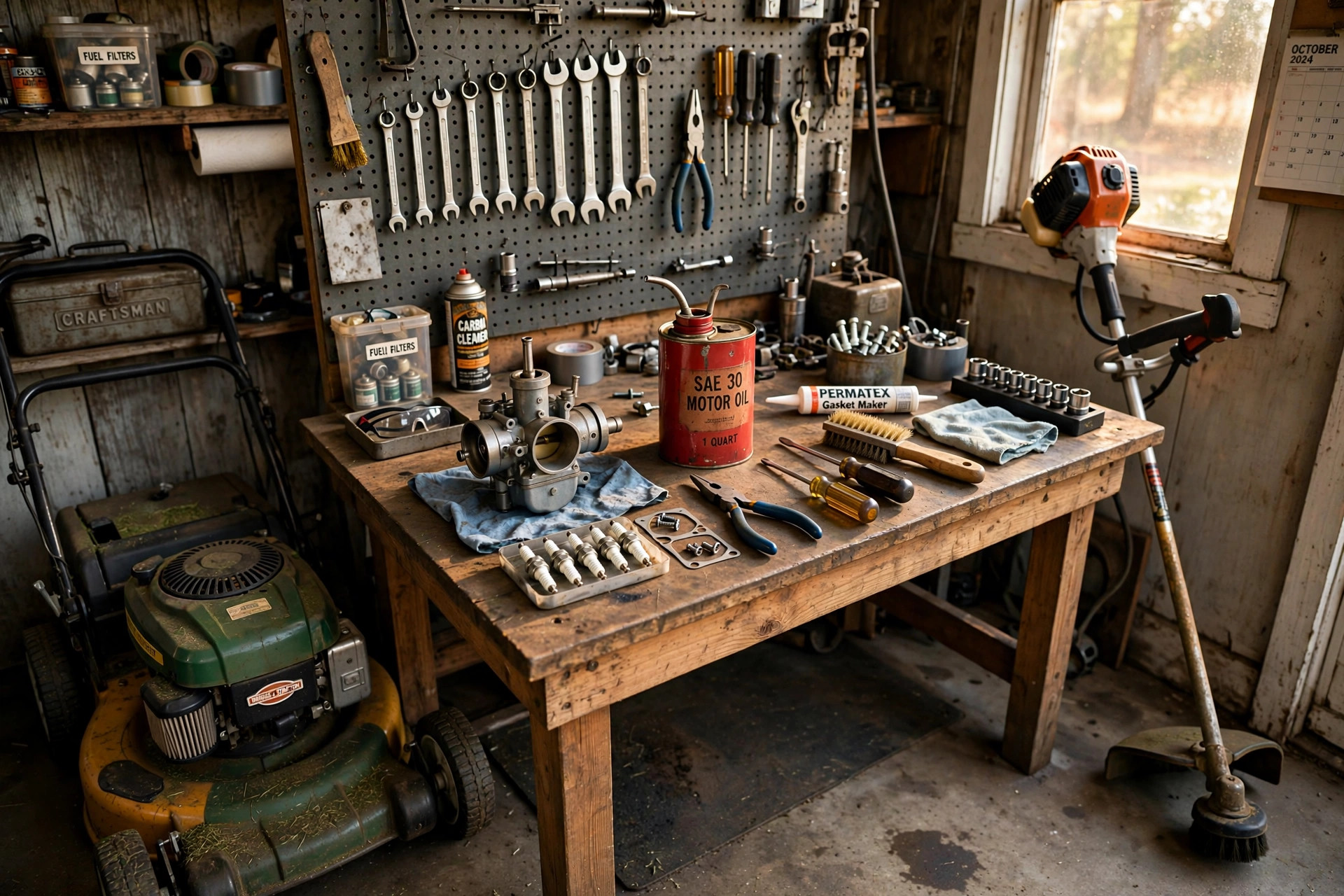

When a lawn mower will not start on a Saturday morning, most homeowners ask the same question. They want to know where to find outdoor power equipment repair near me. The grass keeps growing. The weeds keep growing. Time matters, and so does money. A new riding mower can cost several thousand dollars. A good repair can bring the old one back to life for a small part of that price.
This guide walks through the whole subject. It explains what outdoor power equipment includes, what repairs are common, what they cost, and how to pick a shop you can trust. It also covers simple care steps that help machines last longer and need fewer repairs.
Why Good Repair Service Matters
A lawn mower is a working machine. It runs in dust, heat, and rain. Small engines take a beating every season. When a machine breaks down, many owners feel they must buy a new one. That is often not true. Most small engine problems are simple. A bad spark plug, a dirty carburetor, or old fuel can stop a machine cold. A trained technician can find the fault in minutes and fix it the same day.
Good repair service saves money. It also saves time. A homeowner who knows where to find outdoor power equipment repair near me does not spend a week guessing at the problem. The shop has the parts, the tools, and the manuals. Many shops finish common jobs while the customer waits or within one or two days.
There is also the matter of safety. A damaged blade or a loose belt can throw debris or cause burns. A professional repair restores the machine to safe working order. That peace of mind is worth a lot.
What Counts as Outdoor Power Equipment: Outdoor Power Equipment Repair near Me
The term covers many machines that run on small gasoline engines or on batteries. The most common are lawn mowers, both push and riding types. It also includes string trimmers, leaf blowers, hedge trimmers, chain saws, edgers, pressure washers, and snow blowers. Larger machines such as lawn tractors, zero turn mowers, and portable generators also fall in this group.
Each machine has its own common trouble spots. Mowers suffer from dull blades and dirty air filters. Trimmers and blowers often fail because of old fuel in the carburetor. Chain saws need sharp chains and clean oil ports. Knowing which machine is sick is the first step. When you call for outdoor power equipment repair near me, have the make and model ready. The brand name, the model number, and the engine type help the shop order the right part.
Bringing the manual, if you still have it, can speed up the visit.
Common Problems and Simple Fixes
Most repair visits involve one of a short list of problems. The engine will not start. The engine starts but runs rough. The machine has lost power. Or a part is broken or worn out.
A machine that will not start usually has a fuel problem. Gasoline goes stale in about thirty days. Stale fuel clogs the carburetor. Fresh fuel and a clean carburetor solve many no-start calls. A fouled spark plug is another common cause. Spark plugs are cheap and easy to replace.
An engine that runs rough may have a dirty air filter. The filter starves the engine of air. Cleaning or replacing it often restores smooth running. Vibration or poor cutting often points to a dull or bent blade. A lawn mower blade sharpening service near me is a quick fix that makes the mower cut cleanly again.
Loss of power in a riding mower can come from a worn drive belt. The belt slips and the blades slow down. A riding mower deck belt replacement guide shows the basic steps, but many owners prefer to let a shop do the work because the deck is heavy and the belt routing must be exact.
Other jobs a shop sees every week include recoil starter repairs, throttle cable replacement, and wheel or tire changes.
How to Choose a Repair Shop
Not all shops are equal. A careful choice leads to better work and fair prices. Start by asking neighbors and friends. Word of mouth still counts for much in this trade. A shop that has served the same town for years has a record to protect.
Check what brands the shop handles. Some shops are dealers for one brand and can get factory parts faster. Others are independent and work on all makes. Both can be fine. Ask if the technicians have training certificates from engine makers. Briggs and Stratton, for example, runs training programs, and shop pages like Briggs and Stratton list support resources that trained shops use.
Call ahead and ask three questions. What is the shop rate per hour. How long is the current wait. Is there a minimum charge for diagnosis. Honest shops answer plainly. Shops that dodge the questions may surprise you later.
Look at the shop itself. A clean, organized work area is a good sign. Ask whether the shop gives a written estimate before work starts. Ask about the warranty on parts and labor. Thirty days is common. Ninety days is better.
Types of Service: Shop, Mobile, and Dealer
There are three main ways to get a machine fixed. The classic drop-off shop is the most common. You bring the machine in and pick it up later. These shops usually have the lowest rates and the best parts stock.
Mobile repair is the second option. The technician comes to your home with a service van. This is useful for heavy machines like riding mowers that are hard to transport. Mobile service usually costs more per hour, and the technician may not carry every part. But it saves the trouble of loading a mower into a truck or renting a trailer.
The third option is the dealer service department. Large dealers that sell new machines also repair them. They know their own brands well and can get factory parts quickly. Their rates are often higher, and waits can be longer in peak spring season. For a machine still under warranty, the dealer is usually the right choice, since independent shops may not be able to do warranty work.
Some homeowners handle light work themselves and use a shop only for bigger jobs. That is a sound plan. Simple tasks like changing oil, cleaning filters, and sharpening blades are within reach for most people. A lawn mower blade sharpening service near me is still worth using when the blade is badly nicked, because grinding a blade takes practice to do evenly.
Cost and Price
Prices vary by town and by shop, but some ranges hold true across much of the country. Most shops charge between sixty and one hundred twenty dollars per hour for labor. There is often a minimum charge of one hour even for a ten minute job. A diagnosis fee of forty to seventy five dollars is common, and many shops apply it to the repair cost if you approve the work.
Common jobs fall into clear price bands. A tune up for a push mower, including a new spark plug, air filter, oil change, and blade sharpening, usually runs between seventy five and one hundred fifty dollars. Carburetor cleaning runs from eighty to one hundred sixty dollars. A belt replacement on a riding mower often costs between one hundred twenty and two hundred fifty dollars, with the belt itself making up part of that sum.
Bigger jobs cost more. An engine rebuild or replacement can run four hundred to nine hundred dollars. A fair shop will give an honest opinion. If a ten year old mower needs a new engine and a new deck, the shop should say so and suggest a new machine instead of taking the money.
Parts prices add to the bill. Factory parts cost more than aftermarket parts. For many machines the difference in quality is small, and aftermarket parts are fine. For safety parts like blades and for engine internals, factory parts are the safer pick. Factory parts from makers like Toro and John Deere are built to exact specs. Ask the shop which it plans to use.
For tools you use only once a year, compare repair cost with rental. If a dethatcher breaks down after years of light use, check lawn dethatcher rental prices near me before paying for a costly fix. Renting a working machine for a weekend can be cheaper than repairing one you barely use.
Always get the estimate in writing. The paper should list parts, labor hours, and the total. If the shop finds more trouble during the work, it should call before going ahead. That is standard practice in a good shop.
Care and Upkeep Between Repairs
The best repair is the one you never need. A little care each season keeps machines running and holds down repair bills. These steps take small effort and pay back well.
Use fresh fuel. Buy only what you will use within thirty days. Add fuel stabilizer if the machine will sit for a month or more. At the end of the season, either run the tank dry or fill it with stabilized fuel. Old fuel is the single biggest cause of carburetor trouble.
Change the oil once a year or after every fifty hours of use, whichever comes first. Clean or replace the air filter at the same time. Check the spark plug. These three items make up the classic tune up, and they prevent most running problems.
Keep blades sharp. A dull blade tears grass instead of cutting it. Torn grass turns brown at the tips and invites disease. Sharpen the blade at least once a season, or have a shop do it.
Clean the machine after each use. Grass clippings hold moisture and cause rust. A quick brush or blow-off takes a minute. Store machines in a dry shed or garage, not out in the rain.
For battery powered tools, store batteries at room temperature and charge them before long storage. Do not leave batteries on the charger for weeks at a time unless the maker says it is safe.
Safety
Outdoor power equipment can hurt people when it is misused or poorly repaired. Treat every machine with respect. Read the manual before first use. Keep hands and feet away from moving parts. Never reach under a mower deck while the engine runs.
Disconnect the spark plug wire before doing any work on a gasoline machine. This stops accidental starts. For battery tools, remove the battery pack before blade or chain work. Wear eye protection when trimming or blowing debris. Wear hearing protection around loud engines.
Keep children and pets away from work areas. A chain saw kickback can happen in a fraction of a second. Work alone on the task at hand and keep bystanders at a safe distance.
Fuel safety matters too. Fill tanks outdoors, never in a closed garage. Let the engine cool before refueling. Store fuel in approved containers, away from heat and out of reach of children. Wipe up spills before starting the engine.
Frequently Asked Questions
How much does outdoor power equipment repair cost?
Most small repairs cost between seventy five and two hundred dollars, parts and labor included. A simple tune up is at the low end. Carburetor work and belt replacement sit in the middle. Major engine work can reach four hundred dollars or more. Always ask for a written estimate first.
How long does a typical repair take?
Simple jobs like spark plug replacement or blade sharpening can be done the same day. Carburetor cleaning and tune ups usually take one to two days. During the spring rush, waits of one to two weeks are common, so bring machines in early in the season.
Is it worth repairing an old mower?
It depends on the machine and the repair. A quality mower with a sound deck and a simple carburetor problem is worth fixing. If the engine is worn out, the deck is rusted through, and the repair costs more than half the price of a new machine, replacement is usually the better choice. Ask the shop for an honest assessment.
Can I do the repair myself?
Many owners handle basic upkeep such as oil changes, filter cleaning, and spark plug replacement. These tasks need few tools. Bigger jobs like carburetor rebuilds, belt replacement, and engine work need more skill and special tools. When in doubt, let a professional do it. A bad home repair can cost more to fix than the original problem.
What should I bring to the repair shop?
Bring the machine, the manual if you have it, and a note describing the problem. Note when the trouble started and what the machine was doing. Tell the shop the make, model, and engine brand. This information helps the technician diagnose the fault faster and order the right part the first time.
How do I find a good shop for outdoor power equipment repair near me?
Ask neighbors for names. Check how long the shop has been in business. Ask about hourly rates, wait times, and warranties. Look for a clean work area and clear written estimates. A shop that answers questions plainly and stands behind its work is a shop worth keeping.
A Short Final Word
A broken mower or trimmer does not have to mean a big expense. In most cases, a skilled shop can bring the machine back for a fair price. The key is to act early, choose the shop with care, and keep up with simple seasonal maintenance. Find the shop before the spring rush, and your machines will serve you for many years.
References
Toro. (n.d.). Lawn mowers and outdoor power equipment. https://www.toro.com Deere & Company. (n.d.). Lawn and garden equipment. https://www.deere.com Briggs & Stratton. (n.d.). Small engines and power products support. https://www.briggsandstratton.com
Was this guide helpful?

About Emily Rodriguez
The My Garden US editorial team writes practical, in-depth home and garden guides for American homeowners — tested advice, no fluff.
You May Also Like

Best Rain Gauge for Garden Reviews: A Plain Guide to Picking a Reliable One
February 9, 2026 0 views
How to Get an Affordable Lawn Sprinkler Installation Cost Estimate
July 1, 2026 3 views
The Best Lawn Mower for Wet Grass: A Plain Buyer’s Guide
July 9, 2026 0 views