
A chimney that has not been cleaned can be a danger to the whole house. Soot builds up. Creosote forms a sticky layer. Birds and small animals build nests. When you search for commercial grade chimney sweep services near me, you are looking for more than a man with a brush. You are looking for a trained crew with heavy tools, strong vacuums, and real knowledge of fire safety. This guide explains what such a service does, why it matters, and how to hire one with care.
Why Chimney Cleaning Matters
A fireplace burns wood. Wood smoke leaves behind ash and soot. Over time a black, tar-like material called creosote builds up on the flue walls. Creosote can catch fire. A chimney fire burns very hot and can crack the flue. It can spread to the roof and the walls of the house.
A blocked chimney is also a health risk. Smoke and gases need a clear path out of the house. When the flue is blocked, carbon monoxide can flow back into the rooms. Carbon monoxide has no smell and no color. It is a silent killer. Regular cleaning keeps the flue open and the draft strong.
Many home fires start because of dirty chimneys. The U.S. Consumer Product Safety Commission has long warned that fireplaces and chimneys need yearly checks. A good sweep does more than clean. The sweep looks at the whole system. The sweep checks the liner, the cap, the flashing, and the masonry. Small cracks found early cost little to fix. Cracks ignored for years can cost thousands.
A clean chimney also burns better. The fire draws well. The room warms faster. You burn less wood for the same heat. That saves money across the winter.
What “Commercial Grade” Means: Commercial Grade Chimney Sweep Services near Me
The words “commercial grade” tell you about the tools and the standard of work. A commercial grade chimney sweep service uses the same level of gear that sweeps use for office buildings, restaurants, and hotels. That gear is stronger than the basic brushes sold in hardware stores.
Commercial grade work usually includes:
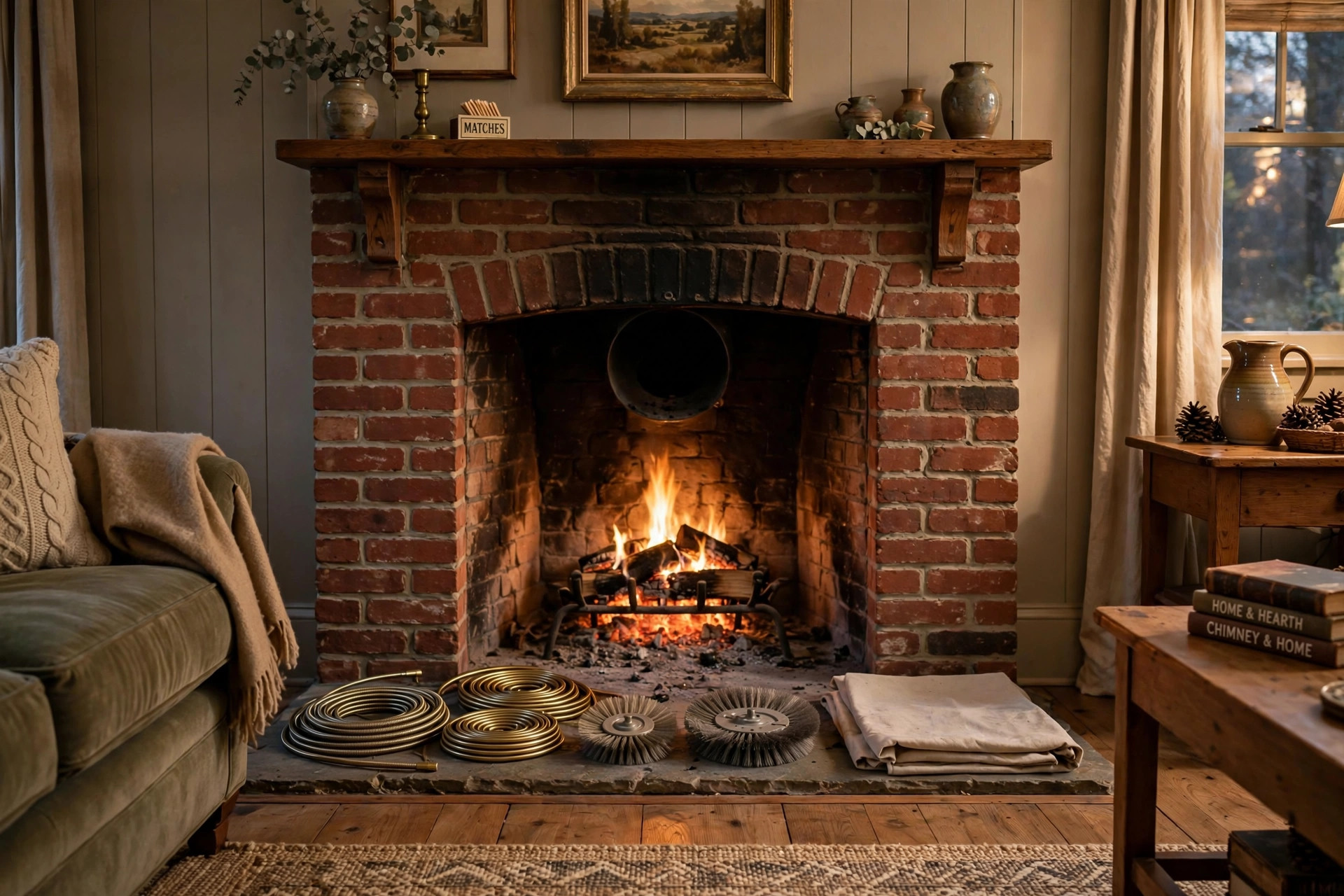
– Rotating power brushes that scrub the flue walls hard – High power vacuums with HEPA filters that trap fine soot – Video cameras that go up the flue and show the inside on a screen – Air meters that check the draft and the pressure
The crew often works in teams. One worker seals the fireplace and sets up the vacuum. Another runs the rods and brushes up the flue. A third checks the roof and the cap. The job takes one to two hours for a standard home. It leaves little mess because the vacuum catches the dust.
When you look for commercial grade chimney sweep services near me, you want this full process. A quick brush pass from the bottom is not the same thing. Ask what tools the company uses before you book.
How to Choose a Service Near You
Start with a local search. Read reviews. Look for companies that have been in the trade for years. Chimney sweeping is a craft. Skill comes with time.
Ask these questions when you call:
1. Are you certified? The Chimney Safety Institute of America trains and tests sweeps. Certification is a good sign. 2. Do you carry insurance? The crew must have liability insurance. Ask to see proof. 3. What tools do you use? Listen for power brushes, HEPA vacuums, and flue cameras. 4. What does the visit include? A full visit should include cleaning, an inspection, and a written report. 5. How do you protect my home? The crew should lay drop cloths and seal the fireplace opening.
Get prices from two or three companies. Be wary of prices that seem too low. A very cheap sweep may skip steps. A fair price pays for trained workers and good gear.
Word of mouth still counts. Ask neighbors who burn wood. Ask your local fire department. Firefighters often know which sweeps do honest work.
Related Home Care Reads
If you are planning wider home care, you may also want a professional house cleaning services cost guide usa to budget your yearly upkeep. Homeowners looking for small repairs can compare cordless handyman services for homeowners near me for odd jobs around the house. And for a deep seasonal clean, see reliable deep cleaning service packages in texas as an example of bundled service pricing.
Types of Chimney Sweep Services
Not every job is the same. Companies offer different levels of service. Know the terms before you hire.
Level 1 inspection and cleaning. This is the basic visit. The sweep checks the parts you can see. Then the sweep cleans the flue. This suits a chimney with no known problems.
Level 2 inspection. This adds a video scan of the flue. The camera shows cracks, gaps, and worn spots. This level is wise when you buy a home, when you change the fuel you burn, or after a chimney fire.
Level 3 inspection. This is the deep look. Parts of the chimney may need to be opened to see hidden damage. This is rare. It follows a serious fire or a structural problem.
Masonry repair. Some sweeps also fix the brickwork. They repoint the mortar. They rebuild the crown. They replace a rusted damper. Hiring one company for cleaning and small repairs saves you a second visit.
Creosote removal treatments. Heavy glazed creosote does not come off with a brush alone. Sweeps use chemical powders or special tools to break it down. Ask if your service offers this.
Resources like Bob Vila and This Old House explain these inspection levels in plain terms. For step-by-step home repair skills, Family Handyman is a trusted guide.
Cost and Price: What to Expect
Prices vary by region. A standard cleaning with a Level 1 inspection often costs between 150 and 300 dollars. That is the common range in most of the United States.
Commercial grade service may cost more. The stronger tools and the larger crew raise the price. Expect 250 to 500 dollars for a full commercial grade visit with a video scan. This is still far less than the cost of fire damage.
Extra charges can apply:
– Heavy creosote removal: 100 to 300 dollars more – Chimney cap replacement: 75 to 200 dollars – Masonry repointing: several hundred dollars, based on the size of the job – Damper replacement: 200 to 400 dollars
Ask for a written quote. The quote should list each task and its price. Do not accept a quote that says only “chimney work” with one number. Clear lines protect both sides.
Some companies offer yearly plans. You pay a set fee. The sweep comes once a year before the heating season. This is a sound deal if you burn wood often. It keeps the chimney safe without you having to remember to book.
Check Consumer Reports for guidance on hiring home service companies at a fair price. Reviews of tools and gear appear at Wirecutter from the New York Times.
Care and Upkeep Between Visits
A yearly sweep is the core of chimney care. But you can do much between visits to keep the system sound.
Burn only dry, seasoned wood. Green wood is wet. Wet wood makes more smoke and more creosote. Seasoned wood has been cut and stacked for six to twelve months. It burns hot and clean. Never burn painted wood, treated lumber, or trash. These release harmful chemicals into the air and the home.
Keep the flue warm before you light a fire. Cold air in the flue pushes smoke back into the room. Hold a rolled newspaper, light it, and hold it up the flue for a minute. This starts the draft upward.
Clean the ashes often. A thin bed of ash, about one inch, is fine. More than that blocks the air flow. Scoop ashes into a metal can with a lid. Store the can away from the house. Ashes can stay hot for days.
Watch the cap on top of the chimney. The cap keeps rain and animals out. If you see a loose or missing cap, call a sweep soon. A missing cap invites nests and water damage.
Trim trees near the chimney. Branches that touch the chimney are a fire risk. They also drop leaves and twigs into the flue.
The EPA offers advice on burning wood cleanly to protect indoor air. Simple upkeep tips for every room appear at The Spruce.
Safety First
Fire safety is the heart of chimney care. These rules are simple. They save lives.
Install smoke detectors on every floor. Test them each month. Change the batteries each year. A detector in the hallway near the fireplace is wise.
Install a carbon monoxide detector near the bedrooms. This gas is the quiet danger of a blocked flue. The detector gives you the warning your nose cannot.
Keep a fire extinguisher near the fireplace. Learn how to use it before you need it. The PASS method is easy to recall: Pull the pin, Aim low, Squeeze the handle, Sweep side to side.
Use a fireplace screen. Sparks can jump from the fire onto the rug. A sturdy metal screen stops them. Never leave a fire burning when you sleep or when you leave the house.
Let the fire die down before bed. Close the damper only after the ashes are fully cold. Closing the damper too soon sends smoke and gas into the room.
The CPSC publishes home fire safety guidance worth reading each year. For general home safety and product testing, Good Housekeeping runs a well known institute.
Frequently Asked Questions
How often should I have my chimney swept? Once a year is the standard rule. If you burn wood as your main heat, some sweeps advise twice a year. If you rarely use the fireplace, still have it checked yearly. Animals build nests in unused flues.
How long does a commercial grade sweep take? Most home visits take one to two hours. A heavy creosote job can take longer. The crew should tell you the time before they start.
Will the sweep make a mess in my home? A good crew leaves almost no mess. They seal the fireplace with plastic. They run a strong vacuum during the whole job. They lay cloths over the floors and furniture. Ask about their dust control before you book.
Can I clean my own chimney? You can buy brushes at a hardware store, and sites like The Home Depot sell them. But store brushes are no match for commercial grade gear. They do not include a flue camera or a HEPA vacuum. Most homeowners also miss cracks and worn spots. A trained sweep is worth the cost.
What is creosote and why is it dangerous? Creosote is the tar-like residue of wood smoke. It coats the flue walls. In its glazed form it is very hard and very flammable. A creosote fire can reach 2000 degrees. That heat cracks flue liners and can set the house frame alight.
Should the sweep check the chimney even if I use gas logs? Yes. Gas burns cleaner, but the flue can still hold nests, debris, and rust. A yearly check keeps the vent path clear and safe.
A Short Final Word
A chimney asks for little. One good visit a year keeps it clean, open, and safe. When you search for commercial grade chimney sweep services near me, look past the ads. Look for certification, insurance, strong tools, and clear prices. The crew you hire guards your home through every cold night of winter. Choose them with the same care you give to anything that protects your family.
References
Bob Vila. (n.d.). Home improvement advice. https://www.bobvila.com Consumer Reports. (n.d.). Product reviews and ratings. https://www.consumerreports.org Family Handyman. (n.d.). DIY home repair and maintenance. https://www.familyhandyman.com Good Housekeeping. (n.d.). Product reviews and home advice. https://www.goodhousekeeping.com The Home Depot. (n.d.). Home improvement products. https://www.homedepot.com The Spruce. (n.d.). Home and garden advice. https://www.thespruce.com This Old House. (n.d.). Home renovation guidance. https://www.thisoldhouse.com U.S. Consumer Product Safety Commission. (n.d.). Product safety information. https://www.cpsc.gov U.S. Environmental Protection Agency. (n.d.). Protecting human health and the environment. https://www.epa.gov Wirecutter. (n.d.). Product reviews from The New York Times. https://www.nytimes.com/wirecutter
Was this guide helpful?

About Emily Rodriguez
The My Garden US editorial team writes practical, in-depth home and garden guides for American homeowners — tested advice, no fluff.
You May Also Like
Top Rated Dryer Vent Cleaning Services Reviews: A Plain Guide to Hiring Right
July 9, 2026 0 views
Powerful HEPA Vacuum Cleaners for New England Homes
June 9, 2026 0 views
Pressure Washing Service Companies Cost Guide USA
April 18, 2026 0 views