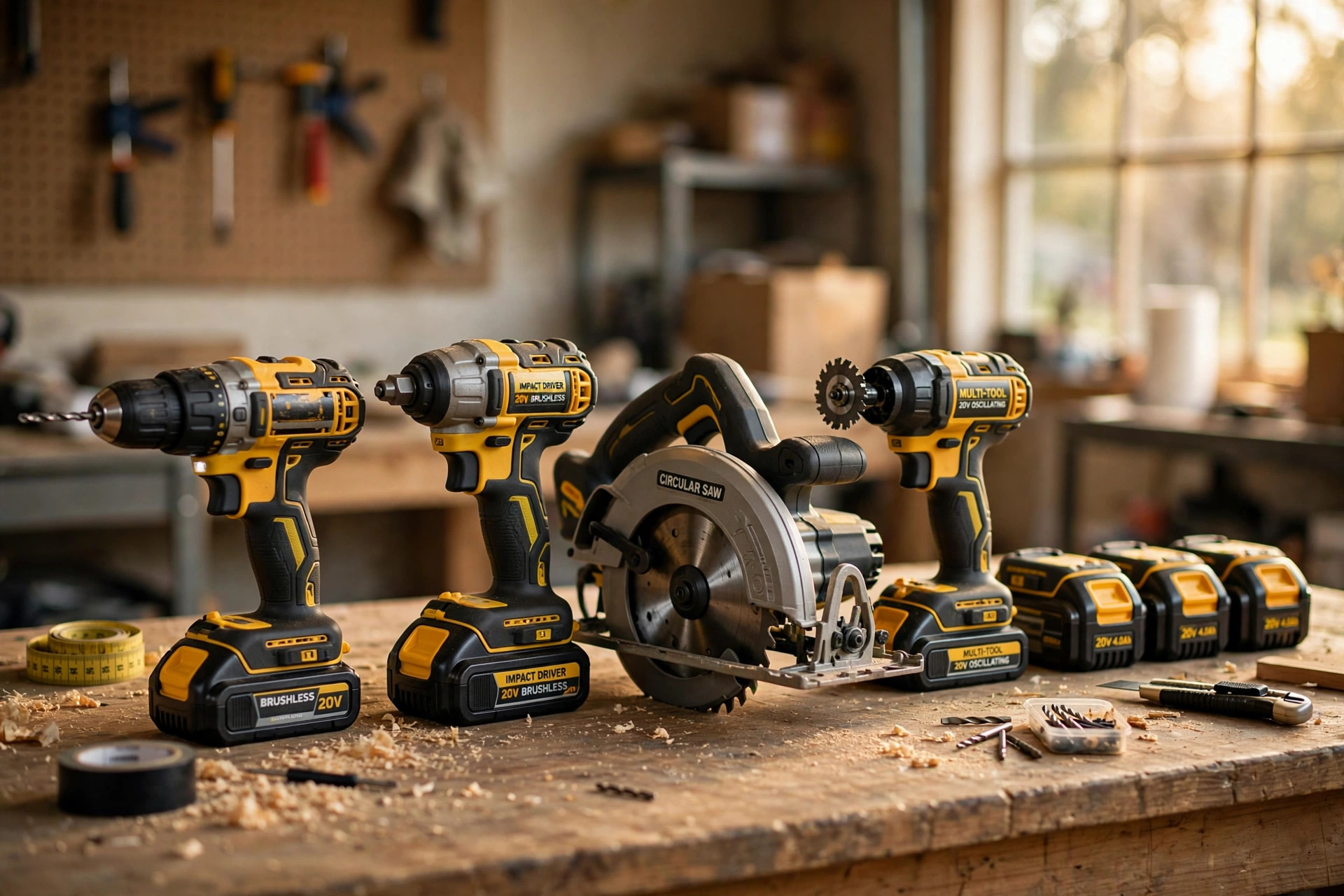

Every house needs small repairs. A door drags on the floor. A cabinet handle comes loose. A ceiling fan wobbles. A curtain rod pulls out of the wall. These jobs are too small for a general contractor. They are too many to ignore. That is where cordless handyman services for homeowners near me come in. These are local repair workers who arrive with battery powered tools and fix the small problems that pile up in a busy home.
The word cordless matters. In past years, a repair worker needed a long extension cord and a nearby outlet. Today, most hand tools run on rechargeable batteries. A cordless drill, a cordless saw, and a cordless sander can handle most home repairs. The worker sets up fast. He moves from room to room with ease. He leaves no cords across the floor to trip on. For the homeowner, this means quicker visits and cleaner work areas.
Why It Matters
Small repairs grow into big problems when they wait. A loose stair rail becomes a safety risk. A dripping faucet wastes water and stains the sink. A small hole in drywall spreads with every bump. A handyman who works close by can fix these things in a single visit. You do not need to wait weeks for an opening on a contractor’s calendar.
Local service also means local knowledge. A handyman in your town knows the common home styles. He has seen the same split door frames in the same housing tracts. He knows which local stores carry the right parts. He can often finish a job in one trip because he brings the right materials. Guides from Family Handyman show how often small home repairs follow the same patterns in house after house.
There is also value in trust. You will open your home to this worker. You may leave him alone in a room while you care for children or take a call. A local handyman builds his name on repeat work and word of mouth. He has a reason to be careful and honest. This Old House has long advised homeowners to build ties with dependable local tradespeople before an emergency strikes.
What to Look For: Cordless Handyman Services for Homeowners near Me
Not every person with a toolbox is the right choice. A little care at the start saves trouble later. Look at three things: proof of business, the tool kit, and local standing.
Proof of Business
Ask for a license if your state or city requires one. Many places ask handymen to hold a business license. Some limit how large a job an unlicensed handyman may take. Ask for proof of insurance. A worker with general liability coverage protects you if a wall is damaged or a window breaks. A worker with workers compensation coverage protects you if he is hurt on your property. Get the policy names in writing before the work starts. Advice from Angi notes that checking insurance is one of the simplest ways a homeowner can lower risk.
The Cordless Tool Kit
A serious handyman carries professional cordless tools. Ask what brands he uses. Strong batteries matter more than strong claims. A worker with a full set of matched batteries can keep drilling, sawing, and sanding without long stops to recharge. Look for a cordless drill driver, a cordless impact driver, a cordless circular saw, a cordless multi tool, and a cordless work light. These five tools cover most small jobs. Consumer Reports tests cordless tools and battery run times, which can help you judge whether a worker’s kit is up to the task.
Local Standing and Reviews
Search for the worker’s name and business name online. Read recent reviews. Look for notes about punctuality, cleanliness, and honest billing. Ask for two or three local references. Call them. Ask one question above all: would you hire this person again? A clear yes tells you more than five stars on a screen. Writers at Bob Vila remind readers that a steady record of small jobs done well is the best sign of a good handyman.
Types of Services
Most handymen cover a wide range of small jobs. Common work falls into a few groups.
Carpentry and Woodwork
Doors that stick, trim that pulls away, shelves that sag, and fences that lean. A cordless saw and a cordless nailer make quick work of these repairs. A good handyman can also hang a new door, patch baseboards, and build simple shelves.
Drywall and Paint Touch Up
Nail holes, dents, and small cracks are routine. The handyman patches the spot, sands it smooth with a cordless sander, and paints to match. For larger rooms, you may want a full painter. For one wall or a few patches, a handyman is the right call.
Fixtures and Hardware
Faucet swaps, light fixture changes, ceiling fan installs, and curtain rod mounting. These jobs need care with water lines and wiring. A handyman should know his limits. Simple swaps are fine. New circuits and main water line work belong to licensed electricians and plumbers.
Assembly and Mounting
Flat pack furniture, wall mounted televisions, mirrors, and baby gates. A cordless impact driver makes assembly fast. Wall mounting needs a stud finder and the right anchors. Ask how he will anchor heavy items. The answer should mention studs, not just drywall anchors.
Seasonal and Outdoor Work
Gutter cleaning, deck board replacement, fence repair, and caulking windows before winter. Outdoor work often pairs well with other home upkeep. Some homeowners book a handyman for repairs and reliable same day appliance repair services for a broken dryer in the same week.
Cost and Price
Handymen usually charge by the hour or by the job. Hourly rates vary by region. In many American towns, expect a range from sixty to one hundred twenty five dollars per hour. Cities with a high cost of living run higher. Some workers set a minimum charge for a visit. A one hour minimum is common. This covers travel and setup time.
Flat pricing works well for clear jobs. Hanging a ceiling fan may have a set price. Mounting a television may have another. Ask for the price in writing before work begins. Ask what counts as extra. Ask how change orders are handled. A written list of tasks with a price next to each one prevents most billing disputes.
Parts are usually extra. Some handymen buy parts and add a small markup. Others ask you to buy the fixture or part in advance. If you buy it yourself, check return policies. Stores like The Home Depot carry most common repair parts, which makes same day fixes possible.
Be wary of prices that seem far below the rest. A quote at half the going rate often means skipped insurance, thin experience, or surprise add on charges later. Fair pay buys careful work. Articles at The Spruce note that the cheapest bid on home work is rarely the best value over time.
Care and Upkeep
A good handyman is worth keeping. Many homeowners set up a standing visit twice a year. Spring and fall work well. The handyman walks the house with a list. He checks caulk, weather stripping, gutters, and loose hardware. He fixes the small items on the spot. This habit keeps a home in steady shape and avoids emergency calls.
Keep your own repair list between visits. Tape a note to the fridge or keep a list on your phone. Write down each small problem as you see it. When the list grows long enough, call for a visit. Paying for one full day of work costs less per job than five separate minimum charge visits.
Pair handyman visits with deep cleaning. After repairs and patching, dust settles everywhere. Some families schedule professional grade deep cleaning service packages after a big repair day. The home feels fresh, and the new paint and patches stay clean.
After storm damage or a remodel, the cleanup load is larger. Homeowners in Florida often combine repair work with post construction cleaning services to bring the house back to order.
Safety
Safety starts with clear limits. A handyman should not open a main electrical panel. He should not move gas lines. He should not work on a roof that is steep or wet. If a job needs a permit in your town, say so up front. A careful worker will tell you when a job is beyond his scope. That honesty is a mark of quality, not weakness.
Keep the work area safe for the worker too. Clear the path to the job site. Move cars out of the driveway if he needs to load tools. Keep pets in a closed room. Tell him where the main water shutoff and the breaker box are before he starts. These small steps speed the work and cut risk.
Lead paint deserves special care. Homes built before 1978 may have lead paint. Sanding or scraping it spreads lead dust, which is harmful to children. The Environmental Protection Agency sets rules for work that disturbs paint in older homes. Ask your handyman how he handles old paint. He should know about containment and cleanup rules.
Cordless tools are safer than corded ones in many ways. There is no cord to cut or trip over. But batteries need care. Store them in a cool dry place. Never charge a damaged battery. A professional will follow the maker’s charging rules. Good Housekeeping covers basic home tool safety that every homeowner should know before a worker arrives.
Frequently Asked Questions
How do I find cordless handyman services for homeowners near me?
Start with local review sites and ask neighbors for names. Check that the worker is insured and has recent reviews. Call two or three candidates. Ask about their cordless tool setup, their minimum charge, and their soonest open date. Pick the one who answers clearly and shows up on time for the estimate.
What jobs are too big for a handyman?
Any job that needs a permit is often too big. New wiring runs, new plumbing lines, structural changes, and full roof replacement belong to licensed trades. A good handyman will name his limits without being asked. If he says yes to everything, be cautious.
Should I supply the parts or let the handyman bring them?
Either way can work. If you buy parts, you control the brand and the price. If the handyman buys them, he knows they will fit and he can warranty the whole job. For standard items like faucets and fans, letting him supply them often goes smoother.
How long does a typical visit take?
Most visits run two to four hours. A short list of small fixes fits in a half day. A full day covers a long list or a medium job like a fence section rebuild. Ask for a time estimate with the quote so you can plan your day.
Do I need to stay home during the work?
For the first visit, yes. Walk the worker through the list. Agree on the price. After trust is built, many homeowners give a key or a garage code for return visits. This is a personal choice. Never feel pushed into it.
What if I am not happy with the work?
Speak up before the worker leaves. Point to the exact problem. A professional will fix his own mistakes at no charge. Put any promise to return in a text or email so there is a record. Pay the final balance only when the work meets the agreed list.
A Final Word
Cordless handyman services for homeowners near me fill a real need. They handle the small jobs that keep a house safe and sound. They arrive with modern battery tools, work clean, and leave the place better than they found it. Choose with care. Check insurance. Read reviews. Get prices in writing. Keep a running repair list. With a dependable local handyman on call, home upkeep stops feeling like a burden and starts feeling like a habit.
References
Angi. (n.d.). Home services marketplace. https://www.angi.com Bob Vila. (n.d.). Home improvement advice. https://www.bobvila.com Consumer Reports. (n.d.). Product reviews and ratings. https://www.consumerreports.org Family Handyman. (n.d.). DIY home repair and maintenance. https://www.familyhandyman.com Good Housekeeping. (n.d.). Product reviews and home advice. https://www.goodhousekeeping.com The Home Depot. (n.d.). Home improvement products. https://www.homedepot.com The Spruce. (n.d.). Home and garden advice. https://www.thespruce.com This Old House. (n.d.). Home renovation guidance. https://www.thisoldhouse.com U.S. Environmental Protection Agency. (n.d.). Protecting human health and the environment. https://www.epa.gov
Was this guide helpful?

About Jennifer Lee
The My Garden US editorial team writes practical, in-depth home and garden guides for American homeowners — tested advice, no fluff.
You May Also Like
Buy Wet Dry Shop Vacuums Online in Arizona: A Plain Guide
February 16, 2026 0 views
How to Choose Professional Grade Pressure Washing Service Companies Near Me
March 17, 2026 0 views
Reliable Pet Odor Eliminator Sprays with Free Shipping
May 3, 2026 0 views