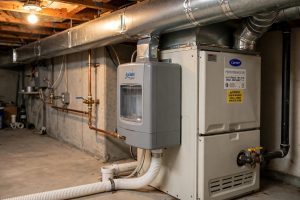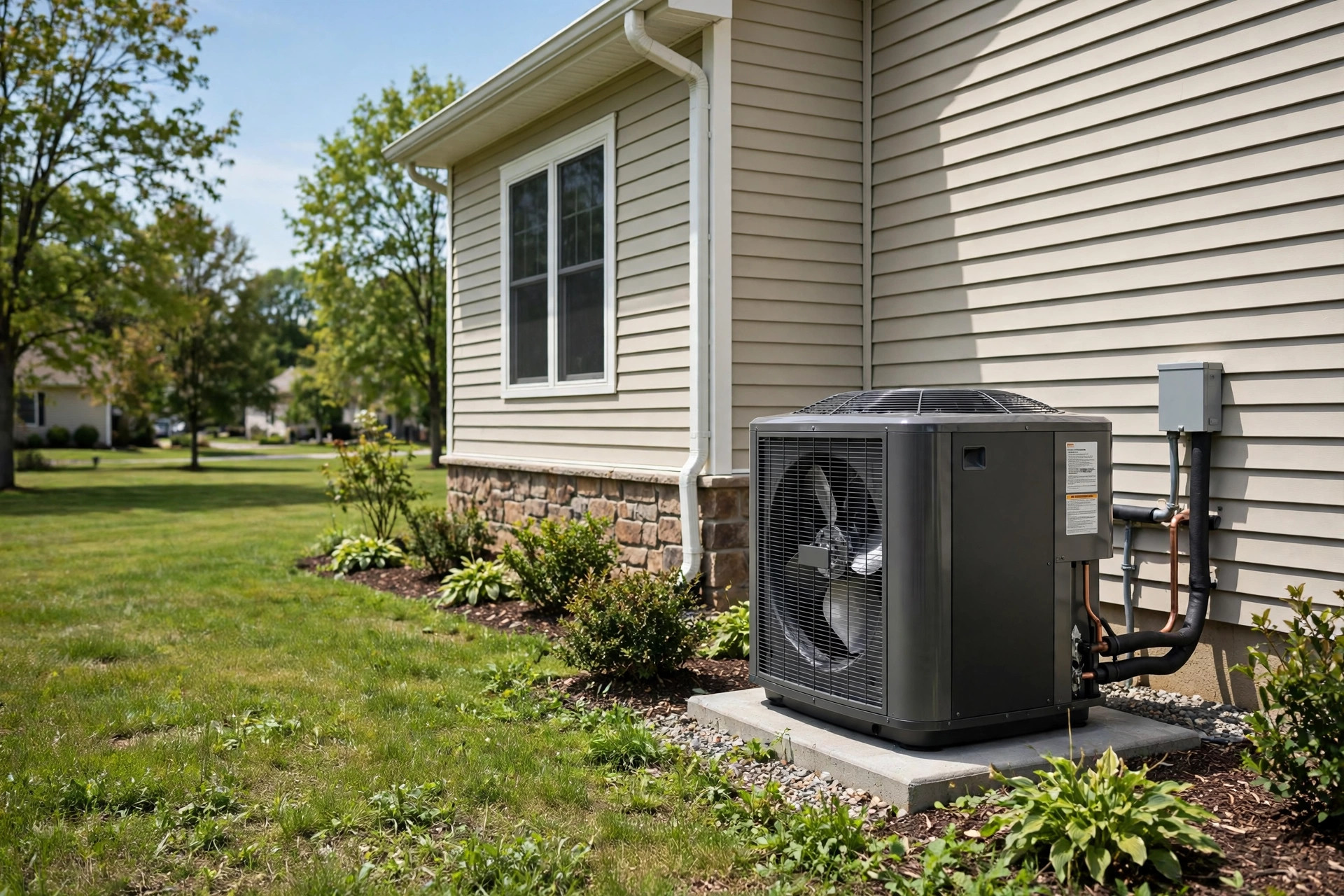

The heat pump tax credit 2026 requirements USA set the rules for a federal tax break that many homeowners want. A heat pump moves heat instead of making it. It cools a home in summer and heats it in winter. This method uses far less power than a gas furnace or a baseboard heater. To push more homes toward this cleaner choice, the federal government offers a tax credit for qualifying systems.
This article explains the credit in plain terms. It covers who can claim it, which systems qualify, the efficiency numbers you must meet, and how the credit works at tax time.## Why It Matters
A new heat pump is a large purchase. A whole-home system often costs between ten thousand and twenty-five thousand dollars to install. That price stops many families from making the switch. A federal tax credit can take a real bite out of that bill. When you claim it, the amount comes straight off the taxes you owe.
The credit also matters because rules are not the same every year. Congress has changed energy tax credits several times in the past decade. The heat pump tax credit 2026 requirements USA are the current set of rules. If you plan an install this year, you must follow this year’s rules, not last year’s.
There is another reason to pay attention. Some states and power companies add their own rebates on top of the federal credit. You can stack a state rebate with the federal credit in many cases. Knowing the federal rules first makes it easier to use the state offers well. Homeowners who plan ahead often save thousands.
What the Heat Pump Tax Credit Covers
The federal credit for heat pumps comes under the energy efficient home improvement credit. It covers air source heat pumps and heat pump water heaters. It does not cover portable space heaters or window units that do not meet the standards.
The credit applies to the full cost of buying and installing the equipment. This includes the unit itself, the labor to install it, and related parts needed to make it work. Sales tax on the equipment counts too. Landscaping, new duct work for other rooms, and cosmetic repairs do not count.
Only homes in the United States qualify. The home must be your main home. Rental houses and vacation homes you rarely use do not qualify under the main rules. If you use a home part of the time, a tax adviser can tell you whether a partial claim is allowed.
Air Source Heat Pumps
The most common qualifying system is the air source heat pump. It pulls heat from outside air and moves it inside. Even cold winter air holds some heat. Modern cold climate models work well down to temperatures far below freezing.
Ducted systems use the same air ducts as a furnace. Ductless mini splits place small air handlers in each room. Both types can qualify if they meet the efficiency bar. For a sense of what installation involves, see our guide on heat pump installation cost near me 2026.
Heat Pump Water Heaters
Heat pump water heaters use the same heat moving idea to warm water. They sit in a garage, basement, or utility room. They use about half the power of a standard electric tank. They qualify under a separate part of the credit with their own efficiency test.
Efficiency Requirements: Heat Pump Tax Credit 2026 Requirements Usa
This is the part where most claims fail. Not every heat pump qualifies. The unit must meet specific efficiency ratings set by law. The labels to watch are SEER2, EER2, and HSPF2. These rate cooling and heating efficiency.
For a central air source heat pump to qualify, it must meet the highest efficiency tier set by the ENERGY STAR program in most cases. The exact numbers depend on the system type and size. The ENERGY STAR site lists the current qualifying models by category. Check this list before you sign a contract.
Cold climate heat pumps have their own path. They must meet higher heating standards at low temperatures. If you live in the north, ask your contractor for the cold climate rating. A unit that cools well in the south may not heat well in Maine or Minnesota. Our roundup of air source heat pump pros and cons usa explains these trade-offs.
How to Verify Your System Qualifies
Ask the dealer for the model number and the efficiency ratings in writing. Then look up the model on the official ENERGY STAR product list. Keep a printed copy of that listing with your tax records. If the model is on the list, you have strong proof for your claim.
Do not trust a sales claim alone. Some sellers stretch the truth about which models qualify. The U.S. Department of Energy publishes plain guides on heat pump efficiency. These guides help you read the labels with confidence.
Who Can Claim the Credit
You can claim the credit if you own the home and live in it as your main residence. You must have a tax bill to offset. The credit is not refundable. This means it can bring your tax down to zero, but the government will not send you a check for the rest.
You can claim it the year the system goes into service. That is the year it is installed and working, not the year you ordered it. If your installer starts in December and finishes in January, the credit goes on the January tax year.
Landlords and Second Homes
The main credit is for your primary home. If you own a rental property, different rules apply under the business energy credits. Those rules are complex. A tax professional is worth the fee here. Do not guess on a rental claim.
How Much the Credit Is Worth
The credit is a percentage of the cost you paid. The current rate is 30 percent of qualifying costs for heat pumps. There is also a yearly cap on the total credit for energy efficient home improvements. That cap sits at two thousand dollars per year for heat pumps.
Here is a simple example. You pay fourteen thousand dollars for a qualifying air source heat pump and its installation. Thirty percent of that is four thousand two hundred dollars. The cap limits your credit to two thousand dollars for that year. You claim two thousand dollars on your tax return.
The cap applies per year, not per project. If you also install a qualifying heat pump water heater in the same year, the shared cap still limits the total. You may be able to plan projects across two years to use the cap twice. A tax adviser can help you time the work.
State Rebates on Top
Many states run rebate programs for heat pumps. Some give a flat amount per system. Others pay based on your income. In several states, low income households can get rebates of several thousand dollars. These state rebates often work alongside the federal credit.
Check your state energy office for current offers. Some programs pay the rebate at the point of sale. Others pay after the install. Keep every receipt either way. The Carrier and Trane sites both link to state incentive finders.
Steps to Claim the Credit
Claiming the credit is not hard, but it takes care. Follow these steps in order.
First, choose a qualifying system. Verify the model on the ENERGY STAR list. Get the ratings in writing from the dealer.
Second, hire a qualified installer. A good install matters as much as a good unit. A poor install can cut efficiency by a third. Ask for references and check licenses.
Third, keep every paper. Save the contract, the invoice, the proof of payment, and the model rating sheet. Keep them for at least three years after you file.
Fourth, file the right form. The energy efficient home improvement credit goes on the IRS form for residential energy credits. Your tax software will guide you. Attach the forms to your return for the year the system went into service.
Fifth, double check the cap. Add up all qualifying costs for the year. Apply the percentage. Then apply the cap. Claim the lower number.
Consumer Reports advises homeowners to start the paperwork before the install crew leaves. Getting the model number and ratings on the day of install saves a hunt later.
Cost and Price
The price of a heat pump system varies widely. A single zone ductless mini split can cost three thousand to six thousand dollars installed. A whole-home ducted system can run twelve thousand to twenty-five thousand dollars. Large homes with complex duct work can cost more.
Cold climate models cost more than basic models. They earn that price in the north. In warm states, a basic high efficiency unit is often enough. Our cold climate heat pump reviews 2026 usa page compares models by region.
The credit cuts the effective price. On a sixteen thousand dollar system, a two thousand dollar credit brings the net cost to fourteen thousand dollars. Add a state rebate of two thousand dollars and the net cost falls to twelve thousand dollars. This is why timing matters.
Getting Fair Quotes
Get three written quotes from licensed contractors. Each quote should list the model number, the efficiency ratings, and the total installed price. Compare the quotes line by line. The cheapest quote is not always the best value.
Ask each contractor whether the model qualifies for the credit. Ask them to show you where it appears on the official list. A good contractor will know the answer at once. This Old House has guides on vetting HVAC contractors.
Care and Upkeep
A heat pump needs simple care to stay efficient. Clean or change the filters every one to three months. Dirty filters force the system to work harder. They raise your power bill and shorten the life of the unit.
Keep the outdoor unit clear. Leaves, snow, and weeds block air flow. Give the unit at least two feet of clear space on all sides. Trim bushes back each spring.
Schedule a yearly check by a technician. The tech will test the refrigerant level, clean the coils, and check the electrical parts. A yearly visit costs a few hundred dollars. It pays for itself in lower bills and fewer breakdowns. Lennox and Rheem both publish care schedules for their systems.
Watch for warning signs. Ice on the outdoor unit in mild weather, loud new noises, or a sudden jump in your power bill all call for a service visit. Fix small problems before they grow.
Safety
Heat pumps are safe when installed and used well. Still, take these steps.
Hire a licensed electrician for the power hookup. Heat pumps draw serious current. A bad wire job can start a fire. Never let an unlicensed worker touch the panel.
Keep flammable items away from the indoor air handler. Paint cans, gas cans, and dry rags do not belong near it.
Know where your shutoff switches are. One switch sits near the outdoor unit. Another sits at the breaker panel. If you smell burning or hear arcing, shut both off and call for help.
Carbon monoxide is not a worry with a heat pump itself. It makes no flame. If you keep an old gas furnace as backup heat, keep your carbon monoxide alarms working. Family Handyman covers dual fuel safety in its heating guides.
Frequently Asked Questions
Does the heat pump tax credit 2026 requirements USA list change during the year?
The law sets the rules for the whole tax year. Agencies may issue new guidance that clarifies gray areas. The core requirements stay steady through the year. Check the IRS site before you file for the latest forms.
Can I claim the credit if I bought the heat pump but did it myself?
You can claim the equipment cost, but labor you did yourself does not count. There is no receipt for your own labor. Also, many qualifying systems need a licensed install for the warranty to hold. A bad self install can also fail local codes. Most homeowners do better with a pro.
What if my tax bill is less than the credit?
The credit can only cut your tax to zero. It cannot create a refund by itself. If your tax bill is one thousand dollars and your credit is two thousand dollars, you use one thousand dollars this year. The rest does not carry to next year under the current rules.
Do heat pump water heaters use the same cap?
Heat pump water heaters fall under the same two thousand dollar yearly cap in the current structure. Plan your projects across years if you want both a space heating heat pump and a heat pump water heater. A tax adviser can map the best timing.
Does the credit cover repairs to an old heat pump?
No. The credit covers new qualifying equipment and its install. Repairs, refrigerant refills, and part swaps on an old system do not qualify. If the old system is dead, a full replacement with a qualifying model is the path to the credit.
Should I hire a tax adviser?
If your case is simple, tax software can handle the claim. If you own rental property, built a new home, or plan projects across two years, an adviser is worth the fee.
A Final Word
The heat pump tax credit 2026 requirements USA reward homeowners who choose efficient equipment and keep good records. The rules are clear at their core. Buy a qualifying system. Have it installed in your main home. Keep the papers. File the right form. Claim up to the yearly cap.
Start with the efficiency list. That single check protects your whole claim. Then get three quotes, hire a licensed installer, and save every receipt. When tax time comes, the credit is a simple line on your return. A little care up front turns a big purchase into a smart one.
References
Carrier. (n.d.). Heating and cooling systems. https://www.carrier.com Consumer Reports. (n.d.). Product reviews and ratings. https://www.consumerreports.org ENERGY STAR. (n.d.). Energy efficient products. https://www.energystar.gov Family Handyman. (n.d.). DIY home repair and maintenance. https://www.familyhandyman.com Lennox. (n.d.). Heating and cooling systems. https://www.lennox.com Rheem. (n.d.). Heating, cooling, and water heating. https://www.rheem.com This Old House. (n.d.). Home renovation guidance. https://www.thisoldhouse.com Trane. (n.d.). Heating and air conditioning. https://www.trane.com U.S. Department of Energy. (n.d.). Energy efficiency and renewable energy. https://www.energy.gov
Was this guide helpful?

About Michael Thompson
The My Garden US editorial team writes practical, in-depth home and garden guides for American homeowners — tested advice, no fluff.
You May Also Like
What Does Heat Pump Installation Cost Near Me in 2026? A Homeowner’s Plain Guide
January 24, 2026 0 views
Oil to Gas Boiler Conversion Cost in the USA: A Full 2026 Guide
January 27, 2026 0 views
Most Energy Efficient Space Heater 2026 USA: A Practical Buyer’s Guide
September 12, 2026 0 views