If you want to know how to grow potatoes in containers, you have come to the right place. This guide explains the whole job in plain words. You do not need a farm. You do not need a big yard. You need a pot, some soil, seed potatoes, sun, and water. Many new gardeners start with potatoes because the plants are kind to beginners. They grow fast. They forgive small mistakes. And the taste of a potato dug fresh from your own pot is hard to beat. Read on, and you will learn each step from planting to harvest.
Why Growing Potatoes in Containers Works
Most people picture potatoes in long rows in a field. That is the old way. Pots work just as well, and they solve common problems. If your yard has poor soil, a pot lets you start fresh with clean mix. If you rent your home, you can take the pots with you when you move. If your back hurts, a raised pot keeps the work at a comfortable height. Containers also make harvest easy. At the end of the season, you tip the pot over and gather the potatoes. There is no digging in hard ground and no lost tubers hidden deep in the soil. Pests that live in garden beds, such as wireworms, almost never reach a pot. And you can move the pots to follow the sun, or to shelter them when a hard frost threatens. For small yards, patios, balconies, and even rooftops, pots are the smart way to grow a full crop.
What to Look for When You Choose Containers and Supplies: How to Grow Potatoes in Containers
Good results start with good choices. A potato is not a delicate plant, but it does have needs. Pick the right pot, the right seed, and the right soil before you plant a single tuber.
Picking the Right Pot
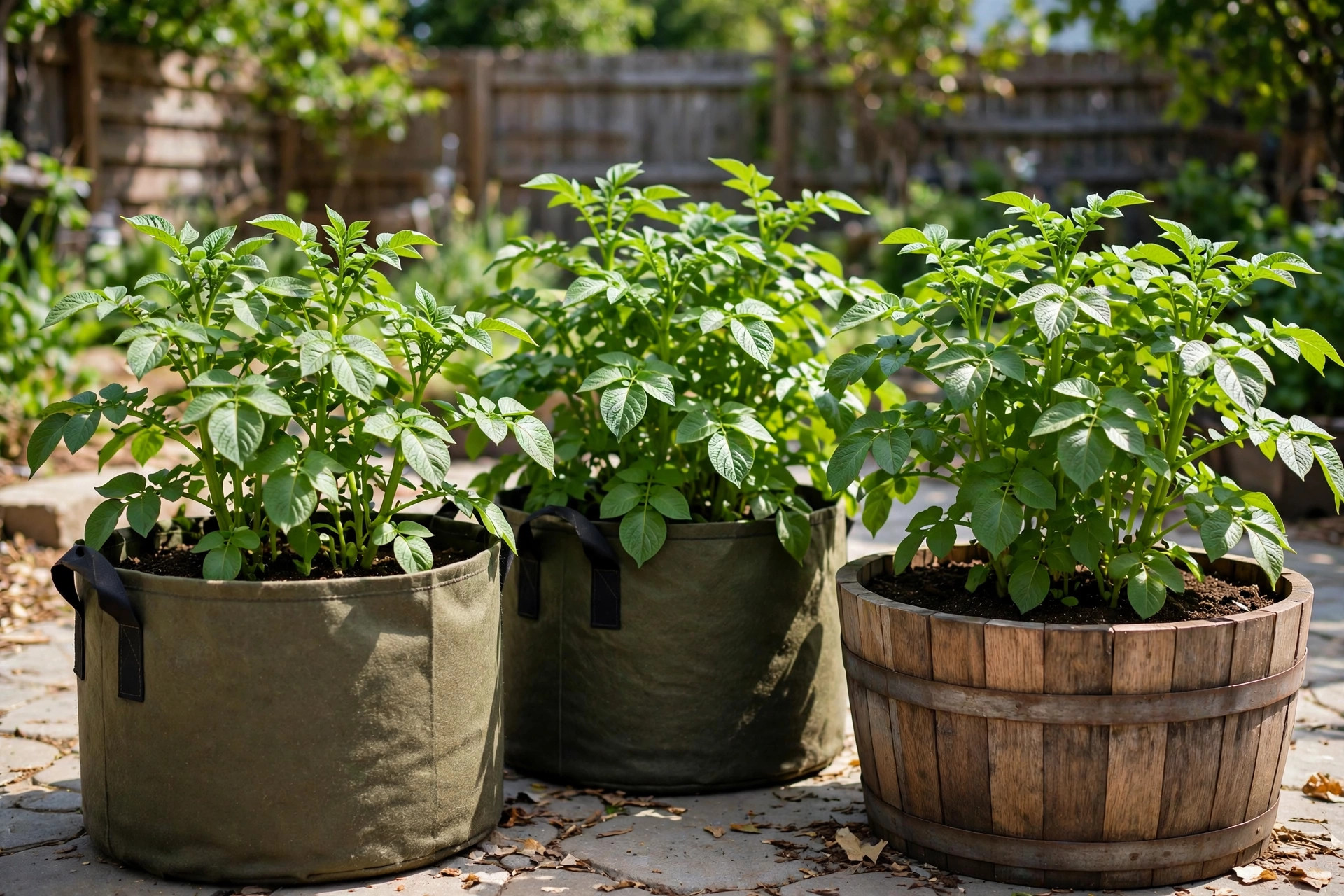
Size matters most. A single potato plant wants about ten gallons of soil. A pot that holds ten to twenty gallons can feed two or three plants. Shallow pots will not do. The stems must be buried deep as they grow, a step called hilling. So the pot should be at least sixteen inches deep, and deeper is better. Drainage holes are a must. Potatoes rot in standing water, so make sure extra water can leave the bottom of the pot. Dark pots warm up fast in spring, which helps early growth. Light-colored pots stay cooler in summer heat. Both can work. What matters is that the pot is strong. A full pot of wet soil is heavy, so thin plastic can split. Grow bags made of thick fabric are a fine choice because air moves through the sides and the roots stay healthy. Read reviews of the best grow bags for potatoes before you buy, since quality varies a great deal from bag to bag.
Picking Seed Potatoes
Seed potatoes are not seeds. They are small potatoes grown to be planted. Never plant potatoes from the grocery store. Those are treated so they will not sprout, and they can carry disease into your soil. Buy certified disease-free seed potatoes from a garden center or a seed supplier. Small seed potatoes can be planted whole. Large ones should be cut into pieces, each piece with at least two eyes. After cutting, let the pieces dry for a day or two in a cool room. The cut face will form a thin skin. This step keeps rot away after planting. Good seed potatoes are firm and smell like fresh earth. Any piece that is soft or moldy should be thrown away.
Picking the Soil
Potatoes want soil that is loose, rich, and drains well. Heavy garden soil from the yard packs down in a pot and starves the roots of air. A good potting mix for containers should be light and full of compost. It should hold water but never stay soggy. Many gardeners mix potting soil with finished compost in equal parts. A little extra perlite or coarse sand helps water pass through. The soil should be slightly acidic, which potatoes prefer. If you are unsure what to buy, guides to the best potting soil for container gardens can point you toward mixes that suit potatoes well. Fill the pot only one-third full at planting time. You will add more soil as the plants grow.
Types of Containers You Can Use
Many kinds of containers will grow fine potatoes. Each has its own trade-offs.
Plastic pots and buckets. Food-grade buckets and nursery pots are cheap and easy to find. They hold water well, so you water less often. Drill extra holes in the bottom if there are too few.
Grow bags. These fabric bags are a favorite among home gardeners. Air passes through the fabric, which stops roots from circling. Many have a flap near the bottom so you can steal a few new potatoes early without digging up the whole bag.
Wooden boxes and half barrels. A half barrel looks fine on a patio and holds a lot of soil. Wood must be left untreated or sealed with a safe product, since chemicals can leach into the soil. Make sure there are drain holes in the bottom.
Straw and stacked tires. Some growers stack tires or build a straw ring and add straw as the plants rise. Straw keeps the tubers cool and clean. If you use tires, wash them well first and know that some gardeners avoid them over safety worries.
Smart planters and self-watering pots. Larger self-watering pots keep soil evenly damp, which potatoes like. Just watch that the water chamber does not stay full in a long rainy spell.
No matter what you choose, wash used containers with soap and water before planting. Old pots can carry plant disease from last year.
How to Plant, Hill, and Care for Your Potatoes
Planting Day
Start in spring, when the soil is about fifty degrees Fahrenheit. Fill your pot one-third full with your soil mix. Place the seed pieces cut side down, eyes facing up. Give each piece about nine inches of space in every direction. In a twenty-gallon pot, four pieces is a good number. Cover the seed pieces with four inches of soil. Water the pot gently until water runs out of the drain holes. Then set the pot in a spot that gets at least six hours of full sun each day. More sun is better. For more on timing and indoor starts, see this guide to how to start seeds indoors, which shares the same early-season ideas.
Hilling as the Plants Grow
When the green shoots reach about six inches tall, add more soil around them until only two or three inches of leaf stick out. This is hilling. Repeat every few weeks as the plants grow. By midsummer, the pot should be nearly full. Potatoes form on the buried stems, not on the roots, so each layer of soil you add means more potatoes. Never let the tubers see the sun. Sunlight turns them green, and green potatoes are bitter and unfit to eat. Keep adding soil or straw until you run out of pot.
Water and Food
Keep the soil moist like a wrung sponge. Water deeply when the top inch of soil feels dry. In hot weather, a large pot may need water every day. Early in the season, the young plants do not need much food. Once they flower, feed them with a balanced vegetable fertilizer or compost tea. Follow the label and do not overfeed. Too much nitrogen grows big leaves and few potatoes. Stop feeding two weeks before harvest so the skins set firm.
Watching for Trouble
Potato beetles are the most common pest. Check the leaves often and pick off beetles and their orange eggs by hand. Blight shows as dark spots on leaves in wet weather. Good air flow and watering at the base of the plant, not over the leaves, help a great deal. Remove any sick leaves at once. Because containers start with fresh soil, disease is far less common than in garden beds. Trusted sources like Home Depot and Burpee carry disease-resistant seed varieties that add a further layer of protection. Garden supply shops such as Gardener’s Supply also stock useful tools for the job, from soil scoops to harvest crates.
Cost and Price
Growing potatoes in pots is one of the cheapest garden projects you can start. A ten-gallon grow bag often costs less than twenty dollars. Potting soil and compost for one large pot may run another fifteen to thirty dollars. A pound of certified seed potatoes costs only a few dollars and plants several pots. A bag of fertilizer stretches across many containers. All told, most gardeners spend between thirty and sixty dollars to set up their first pot. Each year after that, you reuse the pot and tools, so the cost drops to soil and seed only. A single twenty-gallon pot can yield five to ten pounds of potatoes. In many places, that harvest is worth more than what you spent. Compare prices at big stores like Home Depot with local garden centers before you buy. Reviews on Consumer Reports can help you judge which containers and tools give the best value for the money.
Care and Upkeep Through the Season
Container potatoes ask for little beyond water, hilling, and a watchful eye. Mulch the soil surface with straw to hold in moisture and keep the pot cool. Turn the pot once a week if it sits near a wall so every side gets sun. Check the drain holes now and then to make sure roots or soil have not blocked them. A blocked hole can flood the pot after one heavy rain. Keep the area around the pots clean. Fallen leaves and old stems can harbor pests. At the end of the season, dump the soil into a compost pile or a garden bed, wash the pot, and store it dry for winter. Do not reuse the same potting soil for potatoes two years in a row. Fresh mix each spring keeps disease away. Good hand tools make every job easier. Sturdy pruners and trowels from makers like Fiskars and Corona last for years with simple care. Clean blades after each use and wipe them with a little oil before storing them away.
Safety
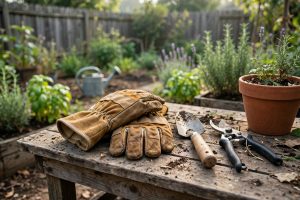
Potato growing is safe work, but a few rules protect you and your family. Always wash your hands after handling soil and fertilizer. Keep fertilizers and pest products locked away from children and pets, and follow label directions exactly. Wear gloves when you handle rough compost or soil mixes that may contain sharp bits. Lift heavy pots with your knees, not your back, or use a rolling plant stand. If a pot tips in the wind, anchor it or move it to a sheltered corner. Green potatoes are not safe to eat, so hill your plants well and cut away any green skin before cooking. For general home project safety advice, sites like Family Handyman and Bob Vila publish clear guides on safe lifting, tool use, and storage. The Spruce also keeps a good library of garden safety articles for home growers.
Frequently Asked Questions
How many potatoes can I grow in one container? In a ten-gallon pot, plant one or two seed pieces. In a twenty-gallon pot, plant three or four. Crowding leads to small potatoes, so give each plant room.
How long does it take to grow potatoes in containers? Early varieties mature in about sixty to seventy days. Maincrop varieties need ninety to one hundred twenty days. Check the seed packet for your variety.
Can I grow potatoes in containers indoors? You can start them indoors in a bright spot, but they need strong light to do well. Most gardeners start pots indoors in late winter and move them outside after the last frost.
Why are my potato leaves turning yellow? Yellow leaves can mean too much water, too little food, or the natural end of the season. If the plants are old and the leaves yellow all at once, harvest time is near.
Do I need to fertilize container potatoes? A rich potting mix feeds young plants for the first weeks. Feed once or twice mid-season with a balanced fertilizer for the best yield.
How do I know when to harvest? For new potatoes, dig gently two to three weeks after the plants flower. For full-size potatoes, wait until the leaves die back completely, then wait two more weeks before you tip out the pot.
A Short Final Word
Learning how to grow potatoes in containers is a skill that pays you back every year. The steps are few: choose a deep pot, buy clean seed potatoes, use loose rich soil, plant at the right depth, hill as the plants rise, and water with care. Harvest is the best part. Tip the pot, sift through the warm soil, and find your crop waiting. Few garden joys match that moment. Start with one pot this spring. Next year, you will want five.
References
Bob Vila. (n.d.). Home improvement advice. https://www.bobvila.com Burpee. (n.d.). Seeds, plants, and gardening supplies. https://www.burpee.com Consumer Reports. (n.d.). Product reviews and ratings. https://www.consumerreports.org Corona Tools. (n.d.). Garden and landscape tools. https://www.corona-tools.com Family Handyman. (n.d.). DIY home repair and maintenance. https://www.familyhandyman.com Fiskars. (n.d.). Garden and cutting tools. https://www.fiskars.com Gardener’s Supply Company. (n.d.). Gardening tools and supplies. https://www.gardeners.com The Home Depot. (n.d.). Home improvement products. https://www.homedepot.com The Spruce. (n.d.). Home and garden advice. https://www.thespruce.com
Was this guide helpful?

About James Carter
The My Garden US editorial team writes practical, in-depth home and garden guides for American homeowners — tested advice, no fluff.