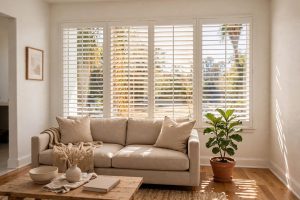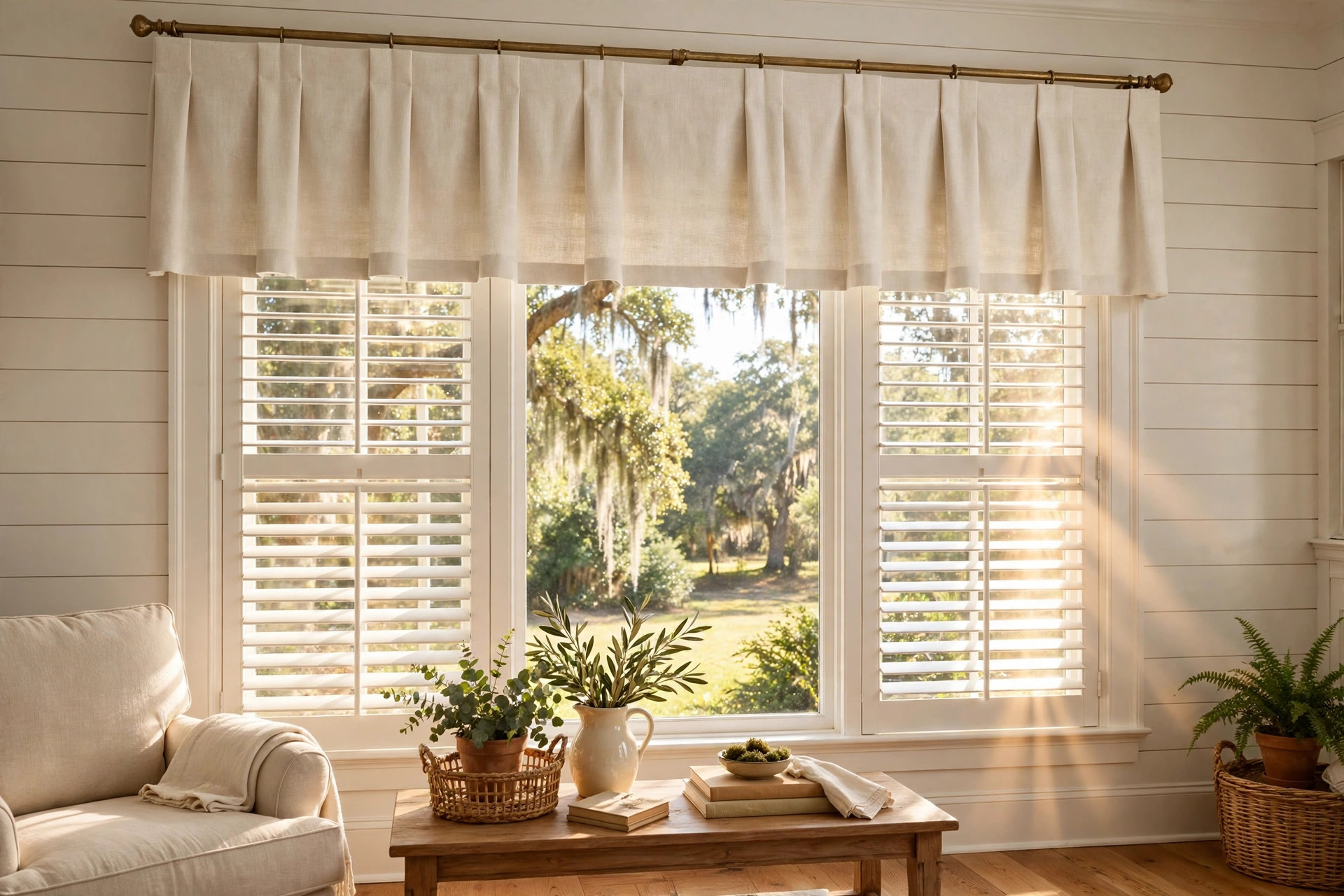

Homeowners in the American South face a special problem. The sun beats down for most of the year. The air stays warm and damp. A window treatment that works fine in Ohio can fade, warp, or grow mildew in Georgia, Texas, or Florida. That is why shoppers search for the top rated valances for windows for southern states. A valance covers the top of a window. It hides hardware. It adds color and shape. And when chosen well, it holds up in heat and humidity.
This guide walks through everything. You will learn what a valance is, which styles suit southern homes, which fabrics last, what they cost, how to care for them, and how to stay safe. The advice follows simple rules. Pick light, washable fabrics. Avoid cords near children. Let light in while cutting glare. By the end, you will know exactly what to buy for your home.
Why Valances Matter in Southern Homes
The Southern Climate Is Hard on Windows
The South brings long summers. In many towns, air conditioning runs from April to October. Windows let in heat along with light. A valance alone cannot stop all heat. But it can soften the sun at the top of the glass. It also hides the gap between a shade and the frame. Paired with cordless cellular shades, a valance gives a finished look while the shade does the hard work of blocking heat.
Humidity is the other enemy. Damp air feeds mold and mildew. Heavy fabrics hold moisture. They stain and smell. That is why the top rated valances for windows for southern states are almost always made from light, breathable, washable cloth. Cotton, linen blends, and polyester are common. Velvet and heavy brocade are not.
Light Control Without Darkness
Many southern homeowners love bright rooms. They want daylight. They also want to cut the harsh glare that hits a west-facing window at four in the afternoon. A valance is perfect for this. It leaves most of the glass open. It trims only the top few inches, where the sun is strongest and where the curtain rod shows. Rooms stay bright but feel calm.
A Valance Hides the Practical Parts
Blinds, shades, and brackets are useful but plain. A valance covers them. The window looks dressed even when the shade is rolled up. This trick is popular in rental homes and new builds. A single valance from a big retailer can make plain white blinds look planned and finished.
What to Look For: Top Rated Valances for Windows for Southern States
Fabric First
Fabric decides how long a valance lasts. In the South, choose:
– Cotton or cotton-polyester blends. They breathe. They wash well. They resist mildew better than heavy weaves. – Linen blends. They look crisp and natural. They suit beach cottages and farmhouses. They wrinkle, but many people like the relaxed look. – Outdoor-rated polyester. Some valances use fabric made for patios. It resists sun fade and mildew. It works indoors too, and it lasts for years.
Avoid raw silk, wool, and heavy velvet in hot rooms. They trap heat and fade fast. If you love the look of a rich fabric, save it for a north-facing bedroom that gets little sun.
Measure Before You Shop
Measure twice and buy once. Note the window width, the height, and the space above the frame. Write down whether the rod will mount inside the frame or on the wall. Bring these numbers to the store or keep them open on your phone while you shop. Many returns happen because a valance is too short or too narrow. Ten minutes with a tape measure saves a second trip.
Color and Fade Resistance
The southern sun is strong. Dark colors fade. Deep reds and navies can lose their tone in one or two summers on a south-facing window. Light colors hold up better. White, cream, light gray, and pale blue stay true. They also bounce light into the room instead of soaking it up.
If you want pattern, pick one printed with fade-resistant dye. Many buyers check product pages at Blinds.com for fade ratings before they order. It is worth the extra minute.
Size and Hang
A valance usually drops 12 to 18 inches from the rod. The width should be one and a half to two times the window width so the fabric can gather or pleat. Measure the window first. Write down the width and the drop you want. Hang the rod four to six inches above the frame. This makes the window look taller.
Rod Pocket, Tab Top, or Board Mount
– Rod pocket. The rod slides through a sewn sleeve. Simple and cheap. Popular in Florida rooms, and shoppers often search for rod pocket curtains in Florida for the same easy style. – Tab top. Fabric loops hang from the rod. Gives a casual, airy look. – Board mount. The valance is stapled to a board. Crisp and tailored. Best for formal living rooms and dining rooms.
Board-mounted valances cost more because they often need a workroom or a handyman. Rod pocket styles are do-it-yourself friendly.
Types of Valances and Options
Scarf Valances
A scarf is one long piece of fabric draped over a rod or hooks. It swags in the middle and trails at the sides. It is romantic and soft. It suits tall windows. In the South, use a sheer or lightweight scarf so it does not hold heat.
Tailored Valances
Tailored valances are straight and flat, often with pleats. They look neat and modern. They pair well with plantation shutters and roller shades. They are a good pick for offices and kitchens.
Balloon Valances
The fabric puffs out like a balloon. Full and formal. It uses a lot of cloth, so it can feel heavy in a hot climate. Choose a light cotton if you like this style.
Ascot and Swag Valances
Swags hang in scallops across the rod. Ascot styles add pointed tails at the sides. Both look classic in southern colonial homes. They work best in rooms that get little direct sun, since the folds collect dust.
Cornice Boards
A cornice is a padded wooden box covered in fabric. It mounts over the window. It looks sharp and hides blackout shades well. In humid rooms, ask for mold-resistant batting inside.
Layering With Other Treatments
Valances rarely work alone. Common partners include:
– Sheer panels. Sheer linen curtains under a valance give privacy while keeping light. – Cellular shades. They trap air and cut heat. The valance hides the headrail. – Plantation shutters. A valance softens the hard lines of shutters.
Cost and Price
Valances span a wide price range. A ready-made rod pocket valance can cost as little as fifteen dollars. A custom board-mounted valance can cost several hundred dollars per window. Here is a rough guide for 2026 prices:
– Ready-made, one window: $15 to $60 – Semi-custom, wider or pleated: $60 to $150 – Fully custom, workroom made: $150 to $400 or more – Cornice board, custom: $200 to $500 per window
Fabric and labor drive the price. A simple cotton valance from Wayfair or Amazon is cheap and quick. Custom work from a local drapery shop costs more but fits odd windows. Installation is simple for rod styles. Board mounts may need a handyman, which adds $50 to $100 per window.
Buy one valance first if you are unsure. Hang it. Live with it for a week. Then order the rest. This avoids an expensive mistake across ten windows.
Care and Upkeep
Washing
Most southern-friendly valances are machine washable. Check the tag. Wash in cold water with mild soap. Skip the bleach. Bleach weakens cotton and yellows polyester. Air dry or tumble on low. High heat shrinks cotton.
Outdoor-rated polyester needs the least care. Shake off dust. Wipe with a damp cloth. Wash once or twice a year.
Dealing With Humidity and Mildew
Keep air moving around windows. A ceiling fan helps. If you see dark spots, wash the valance at once. A cup of white vinegar in the wash kills mildew. Do not let a damp valance sit in the washer. Dry it right away.
In very damp rooms, like a bathroom or a laundry room, choose a valance you can wash often. Or skip fabric and use a wood or metal cornice that wipes clean. Guides at The Spruce suggest rotating washable window treatments seasonally in humid climates.
Sun Rotation and Lining
Sun hits the same spot every day. If a valance is easy to take down, flip it end to end once a year. This evens out fading. A lining adds body and blocks some sun. Cotton lining is fine for the South. Avoid heavy blackout lining on a valance; it traps heat between the fabric and the glass.
Dusting Between Washes
Dust builds up on folds and pleats. Shake the valance outside every month or two. A lint roller works on tailored styles. Vacuum with a brush head for balloon and swag styles.
Safety
Cord Safety
Many valances hang over blinds or shades that use cords. Loose cords are a danger to small children and pets. The U.S. Consumer Product Safety Commission warns that corded window coverings are one of the top hidden hazards in homes with young children. Choose cordless blinds and shades. If you must keep cords, use cord cleats. Wrap cords high and tight. Keep cribs and beds away from windows.
Fire and Heat
Keep fabric away from heat sources. Do not hang a valance over a radiator or near a stove. In kitchens, keep the hem well above the counter. Grease and heat damage fabric fast. A short tailored valance is safest in a kitchen.
Secure Mounting
A falling rod is no small thing. Use wall anchors in drywall. Mount brackets into studs when you can. Heavy board-mounted valances need strong screws. Check mounts once a year. Humidity can loosen hardware over time.
FAQ
What is the best fabric for a valance in a southern state?
Light cotton, cotton-polyester blend, or linen blend. These breathe, wash well, and resist mildew. Outdoor-rated polyester lasts longest in bright sun. Avoid heavy velvet and raw silk in sunny rooms.
Do valances help keep a room cool?
A little. A valance blocks some sun at the top of the window. It cannot replace a shade or film. Pair it with cellular shades or solar screens for real heat control.
How long should a valance be?
Most hang 12 to 18 inches from the rod. The exact drop depends on the window size and the look you want. Tall windows can take a longer valance. Short kitchen windows look best with 12 inches.
Can I wash my valance in the machine?
Most ready-made cotton and polyester valances are machine washable. Check the care tag first. Use cold water and mild soap. Air dry when you can. Custom valances with special linings may need dry cleaning.
Are valances out of style?
No. Styles change, but the valance stays. Tailored and board-mounted valances look modern. Heavy swags look dated to some buyers. Pick clean lines if you want a current look. Design sites like HGTV still show valances in new room designs.
Where can I buy valances for southern homes?
Big stores carry wide ranges. The Home Depot and Lowe’s stock ready-made valances in stores across the South. Online shops add more choice in fabrics and sizes.
A Short Final Word
The top rated valances for windows for southern states share a few traits. They use light, washable fabric. They come in colors that stand up to strong sun. They are simple to hang and easy to clean. Match the style to your room. Match the fabric to your climate. Measure twice. Buy one to test. With those steps, your windows will look finished and stay fresh through the long southern summer.
References
Amazon. (n.d.). Online shopping. https://www.amazon.com Blinds.com. (n.d.). Window blinds, shades, and shutters. https://www.blinds.com HGTV. (n.d.). Home and garden ideas. https://www.hgtv.com IKEA. (n.d.). Home furnishings. https://www.ikea.com Lowe’s. (n.d.). Home improvement products. https://www.lowes.com The Home Depot. (n.d.). Home improvement products. https://www.homedepot.com The Spruce. (n.d.). Home and garden advice. https://www.thespruce.com U.S. Consumer Product Safety Commission. (n.d.). Product safety information. https://www.cpsc.gov Wayfair. (n.d.). Furniture and home goods. https://www.wayfair.com
Was this guide helpful?

About Emily Rodriguez
The My Garden US editorial team writes practical, in-depth home and garden guides for American homeowners — tested advice, no fluff.
You May Also Like
Curtain Cleaning Services Cost Guide USA
January 18, 2026 0 views
Thermal Insulated Curtains Price Comparison USA: A Simple Buying Guide
May 4, 2026 0 views
Affordable Window Film Privacy Tint Buying Guide
April 19, 2026 0 views