
A family of five uses a lot of hot water. Morning showers stack up. The dishwasher runs at night. The washing machine runs on weekends. When hot water runs out, tempers run short. Finding the best tankless water heater for family of 5 needs is really about one question: can the unit keep hot water flowing when two or three taps are open at once? This guide walks through the answer in simple terms. You will learn how these heaters work, how to size one, what they cost, and how to care for them.
Why a Tankless Unit Matters for a Big Family
A regular tank heater stores 40 to 80 gallons of hot water. When the tank is empty, it must fill and heat again. That wait is the classic problem in a busy house. A tankless heater works in a different way. It heats water only when a tap opens. There is no stored supply to run out. Hot water keeps coming as long as you need it. For a family of five, that promise is the main draw.
There are other gains. A tankless unit is small. It hangs on a wall and takes up little room. It does not waste fuel keeping a full tank hot all day and all night. Many makers claim energy savings of 25 to 35 percent over a standard tank. Over years, those savings add up. The life span is also longer. A tank often lasts 8 to 12 years. A tankless unit can last 20 years or more with good care.
But there is a catch. A tankless heater can only heat so much water at one time. If four showers run at once and the unit is too small, the water turns lukewarm. That is why sizing matters more than brand. A family of five needs a unit sized for peak demand, not average demand. The rest of this guide shows you how to do that math in plain steps.
How Tankless Water Heaters Work: Best Tankless Water Heater for Family of 5
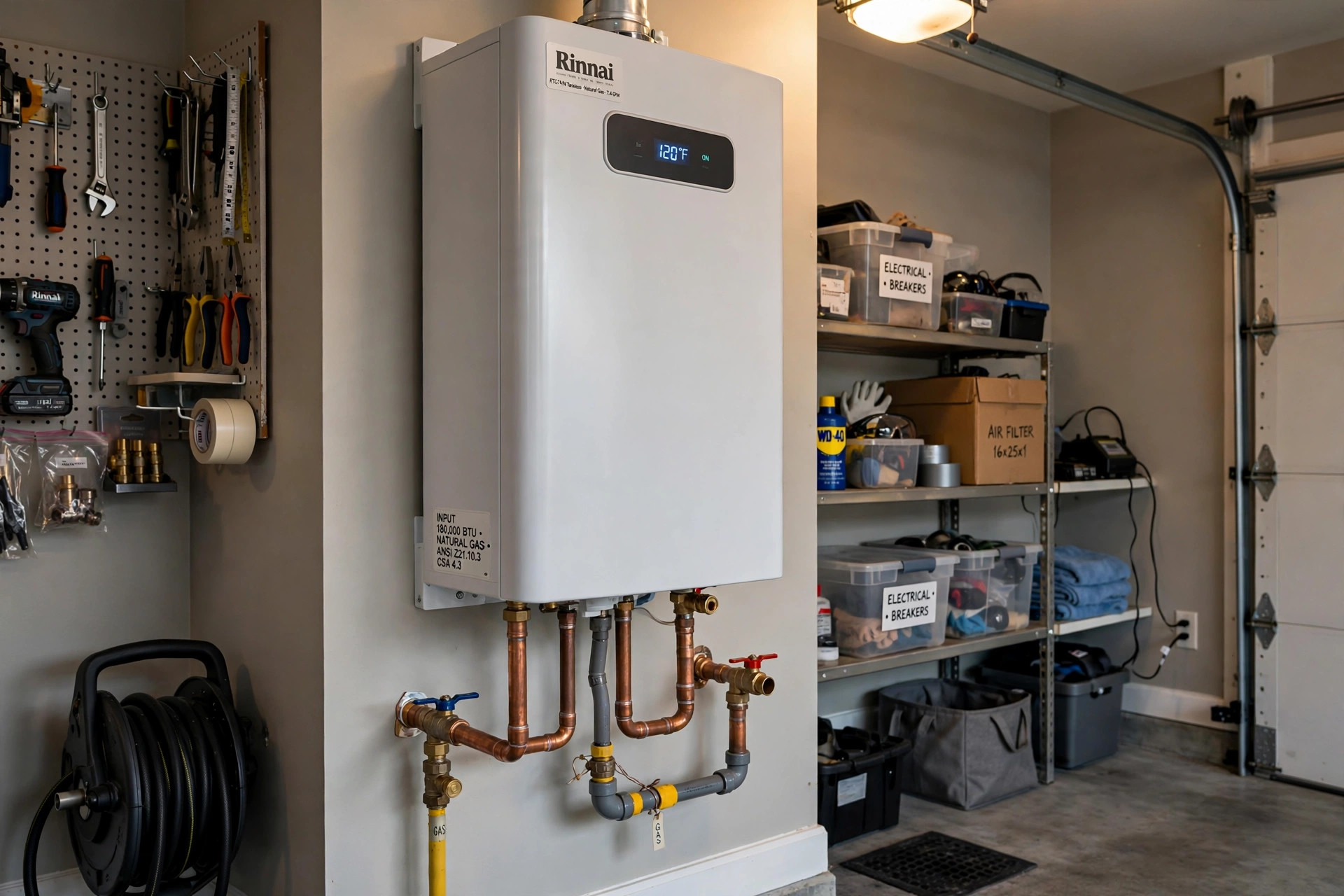
Inside the box is a powerful heat exchanger. Cold water flows in through one pipe. When a hot tap opens, a sensor tells the unit to fire up. A gas burner lights, or an electric coil heats. The water passes over the hot exchanger and leaves warm through the outlet pipe. When the tap closes, the unit shuts off. Nothing sits and waits.
This on-demand design is why flow rate matters so much. Flow rate is measured in gallons per minute, or GPM. A shower head today uses about 2 GPM. A kitchen faucet uses about 1.5 GPM. A clothes washer may draw 2 GPM while it fills. Add up what runs at the same time, and you get the peak flow your house needs. The heater must meet that number at the temperature rise your climate demands.
Temperature rise is the other half of the puzzle. It is the gap between the cold water coming in and the hot water you want out. In warm southern states, incoming water may be 65 degrees. In cold northern winters, it may be 40 degrees. To reach a shower temperature of 110 degrees, the unit must add 45 degrees in the south or 70 degrees in the north. Bigger rise means the unit heats fewer gallons per minute. Maker charts show GPM at several rise levels. Read them before you buy.
Sizing the Best Tankless Water Heater for Family of 5
Sizing is the most important step. Get it wrong and no brand name will save the morning rush.
Step One: Count Your Peak Flow
Write down what could run at the same time on your busiest morning. A common five-person pattern looks like this. Two showers at 2 GPM each, plus one bathroom sink at 1 GPM, plus the dishwasher at 1.5 GPM. That totals 6.5 GPM. Some homes reach 7 or 8 GPM when the laundry joins in. Plan for the worst normal day, not the calm one. Most experts suggest a unit rated at least 8 GPM for a family of five in a cold climate, and 6 to 7 GPM in a mild one.
Step Two: Check Your Temperature Rise
Find your incoming water temperature in winter. Your water utility can tell you, or you can test a cold tap with a simple thermometer. Subtract that number from 110, which is a common shower target. The result is the rise your unit must handle. In much of the northern half of the country, plan for a 70-degree rise. In the south, 45 to 50 degrees is more typical. Match the rise to the maker chart. A unit that gives 9 GPM at a 40-degree rise may give only 5.5 GPM at a 70-degree rise. Always use the chart, not the headline number on the box.
Step Three: Choose Fuel Type
Gas units are the common pick for large families. They heat more water per minute than most electric models. They cost more to install, but they meet high demand with ease. Electric units are simpler to vent and cheaper to install. They suit smaller loads or point-of-use jobs, but a whole-house electric unit for five people may need three large breakers and very heavy wiring. In most cases, a gas tankless heater is the practical answer for a family this size.
Gas or Electric: The Honest Comparison
Gas tankless heaters lead in output. A good gas unit can deliver 8 to 11 GPM. That covers two showers plus more in most climates. The trade-off is venting. Gas units need a vent pipe for exhaust, and high-efficiency models need a drain for condensate. Installation often costs 1,500 to 3,000 dollars beyond the unit price when venting is new.
Electric units are clean and compact. They need no vent and no gas line. A whole-house electric model may still need a 200-amp panel with room for three 40-amp breakers. In older homes, a panel upgrade can wipe out the savings. For a family of five, most pros favor gas when a gas line is present.
Both types last long and both save space. The fuel choice comes down to your home as it stands: gas line, vent path, and panel capacity.
Types and Options Worth Knowing
Not all tankless heaters are the same. Whole-house units are the standard pick for families. They feed every tap in the home. Point-of-use units are small boxes that serve one sink or shower. They are handy add-ons for a far bathroom with a long pipe run, but they cannot carry a whole house.
Condensing gas models are the newer style. They squeeze extra heat from the exhaust, which cuts fuel use. They cost a bit more up front but save money over time. Non-condensing models are simpler and cheaper to buy. Either type can serve a family of five if sized right.
Some homes pair the tankless unit with a small storage tank, called a buffer tank. This is not for storage of hot water in the old sense. It smooths out the brief cold burst that can happen when a tap opens and closes fast. It also cuts the wear from short cycling. Ask your installer if your layout would gain from one.
Cost and Price: What to Expect
Prices move with size and fuel. A quality gas tankless unit for a large family often costs 1,000 to 2,500 dollars for the box alone. Electric models often cost 500 to 1,200 dollars. Installation adds more. A straight swap where gas and vent already exist may run 1,000 to 2,000 dollars in labor. A full install with new venting, gas line upgrades, and permits may run 2,500 to 5,000 dollars all in.
Running costs tell a brighter story. Because the unit heats water only on demand, fuel bills often drop. The U.S. government notes that tankless heaters can be 24 to 34 percent more efficient than standard tanks for homes that use a lot of hot water, according to information shared through energy guidance from the EPA. Actual savings depend on your rates and use, but many families see the unit pay for itself in 6 to 10 years.
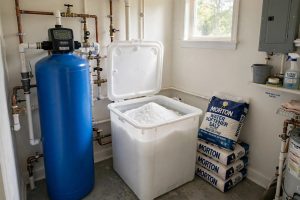
Do not forget the water side of the bill. Hard water is rough on heat exchangers. A whole house water filter system or softener can protect the unit and stretch its life. Guides on picking the best water softener for well water can help if your supply is hard. Small add-ons now can prevent big repair bills later.
Installation Facts Homeowners Should Know
Most tankless installs need a permit and a licensed plumber. Gas models must meet venting rules and gas pressure rules. The gas meter and line must feed the burner at full fire, which draws more gas at once than a tank heater ever did. An undersized gas line is a common cause of poor performance. A good installer checks gas supply first.
Placement matters. Many units mount on an outside wall to shorten the vent run. Inside garages are common in mild climates. In cold zones, freeze protection matters. Most modern units have built-in freeze guards, but the pipes around them still need care. Read the manual for your climate zone.
Water quality shapes the install too. If your water is hard or full of sediment, add a pre-filter. Some makers require water treatment to keep the warranty valid. A quick look at reverse osmosis system reviews can help if you want cleaner water at the tap as well.
Care and Upkeep
A tankless heater asks for little, but it asks for it on time. The main job is descaling, also called flushing. Minerals from hard water coat the heat exchanger over time. That coat cuts efficiency and can trip error codes. Most makers suggest a flush once a year in hard water areas, and every one to two years where water is soft.
Flushing is a simple loop. The installer should add service valves that let a pump push vinegar or a descaling mix through the unit. Many plumbers offer this as a yearly service for 100 to 200 dollars. Handy owners can do it with a small pump kit from a home improvement store or another large retailer. Either way, keep a record. Warranty claims often ask for proof of care.
Also clean the inlet filter now and then. It catches sediment before it reaches the exchanger. A quick rinse keeps flow strong. Check the vent outlet outside for nests or snow. Keep the area around the unit clear. These small habits take minutes and add years.
Safety Notes
Hot water can scald. Set the unit output to 120 degrees, which is the level most safety groups advise. That is hot enough for showers and dishes, and it cuts burn risk for children. If you need hotter water for a dishwasher, many models let the dishwasher heat its own boost.
Gas units must vent to the open air. Never block the vent. Install a carbon monoxide alarm near the unit if you use gas, and test it monthly. Condensing models make acidic condensate. That water must drain to a proper spot, not onto soil or plain concrete.
Electric units carry high current. Let a licensed electrician handle the wiring. Do not open the cover unless the manual says you may. When in doubt, call a pro. Project walk-throughs from trusted how-to sources and long-running home guides show what a proper install looks like, so you know what to expect from your contractor.
Frequently Asked Questions
Will a tankless heater really never run out of hot water?
It will not run out in the tank sense, because there is no tank. It can fall behind if too many taps open at once for the unit size. That is a sizing problem, not a tank problem. Size for your peak flow and the issue goes away.
How many GPM does a family of five need?
Most families of five need 6 to 8 GPM at their winter temperature rise. Two showers plus a sink or dishwasher is the usual peak. Cold-climate homes should target the high end of that range.
Is gas or electric better for five people?
Gas is the usual pick for a family of five. It delivers higher flow rates and handles cold climates with ease. Electric can work, but it often needs major panel upgrades. Compare the full installed cost of each before you decide.
What does a tankless heater cost installed?
Expect 2,000 to 5,000 dollars all in for a gas unit sized for a large family, depending on venting and gas line work. Electric installs often run less but may need panel upgrades. Get three quotes from licensed plumbers.
How long do tankless water heaters last?
With yearly descaling and clean water, 20 years is common. That is nearly twice the life of a standard tank. Fixture makers like Moen, Delta, and Kohler also publish long-life guidance for the fixtures a tankless unit feeds, which is worth a read when you plan the whole system.
Do I need a water softener with a tankless heater?
You do not always need one, but hard water shortens heater life and voids some warranties. Test your water first. If hardness is high, a softener or a filter from a maker like Aquasana is a smart guard for the investment.
A Short Final Word
The best tankless water heater for family of 5 use is not the one with the boldest ad. It is the one sized to your peak flow, matched to your winter temperature rise, and installed by a licensed pro who checks gas supply and water quality first. Do the simple math in this guide, get three quotes, and keep up with yearly flushing. Your family will get steady hot water for twenty years, and the old cold-shower mornings will be a story you tell, not a day you live.
References
Aquasana. (n.d.). Water filtration systems. https://www.aquasana.com Delta Faucet. (n.d.). Kitchen and bathroom faucets. https://www.deltafaucet.com Family Handyman. (n.d.). DIY home repair and maintenance. https://www.familyhandyman.com Kohler. (n.d.). Bathroom and kitchen fixtures. https://www.kohler.com Lowe’s. (n.d.). Home improvement products. https://www.lowes.com Moen. (n.d.). Faucets and plumbing fixtures. https://www.moen.com The Home Depot. (n.d.). Home improvement products. https://www.homedepot.com This Old House. (n.d.). Home renovation guidance. https://www.thisoldhouse.com U.S. Environmental Protection Agency. (n.d.). Protecting human health and the environment. https://www.epa.gov
Was this guide helpful?

About Emily Rodriguez
The My Garden US editorial team writes practical, in-depth home and garden guides for American homeowners — tested advice, no fluff.
You May Also Like
Polybutylene Pipe Replacement Cost USA: What Homeowners Should Know
April 14, 2026 0 views
The Best Shower Head for Well Water USA Homeowners: A Plain Buying Guide
August 21, 2026 0 views
Best Comfort Height Toilet Reviews 2026 USA: How to Choose the Right Model
January 19, 2026 0 views