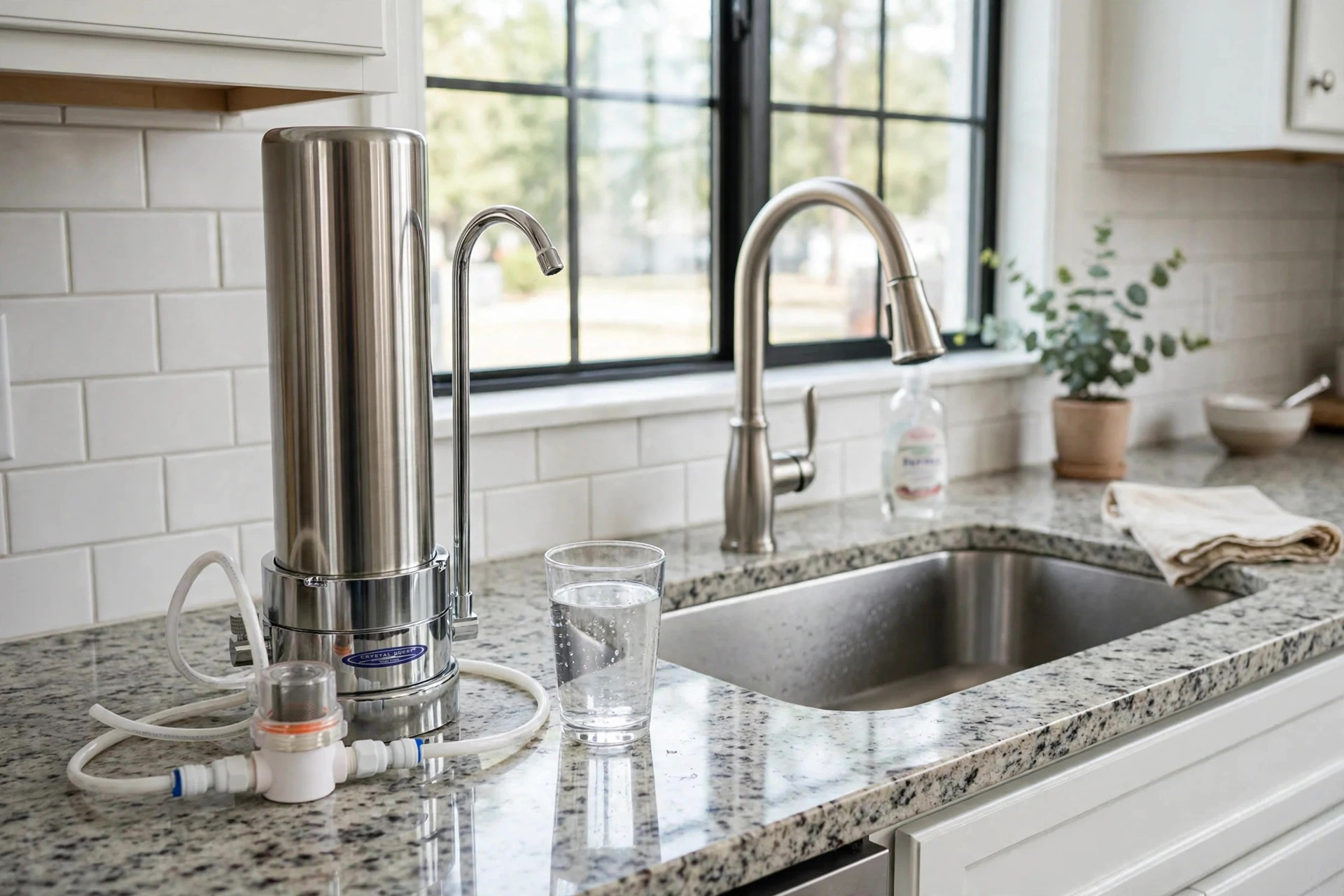

A fluoride water filter for home is a small system that takes fluoride out of tap water. Many towns in the United States add fluoride to the public water supply. Some home owners want to keep it there. Others want to take it out. If you are one of the people who want it out, a fluoride water filter for home is the tool for the job. Some people want fluoride gone from every drop the family drinks. Others only want cleaner water for the kitchen. Both goals are fine. The market now holds small pitchers, countertop units, under sink systems, and whole house setups. Each kind suits a different home and a different budget. This guide covers all of them in plain terms.
Why a Fluoride Filter Matters to Many Homes
Fluoride is a mineral. It occurs in nature. It also gets added to city water in most parts of the United States. Health groups say a small amount helps teeth. Some people still prefer to drink water without it. They worry about too much fluoride from water, toothpaste, and food all added together. Parents sometimes ask about it for young children. Kids drink more water for their size, so parents watch this closely. People with well water may also find natural fluoride in their supply and want to bring it down.
A filter does not change the taste of water much. Most fluoride filters also take out other things. Lead, chlorine, and bad taste often go out with the fluoride. That is one reason buyers like them. One purchase can fix several problems at once. Clear water brings peace of mind to the whole family. If you want a closer look at related systems, read our guide to reverse osmosis systems and our roundup of the best under sink water filters. Many of the same brands make both kinds of units.
What to Look for Before You Buy: Fluoride Water Filter for Home Reviews Usa
Start with a water test. You cannot pick the right filter if you do not know what is in your water. Home test kits cost little and give fast results. The EPA offers free facts about fluoride and drinking water standards. Your city water office must also share a yearly water report. Well owners should test every year or two, since ground water changes.
Next, check the fluoride removal claim. Not every filter takes out fluoride. Standard carbon pitchers usually do not. The box should state a clear fluoride reduction number. Look for a rate of eighty percent or better. Third party tests add trust. Names like NSF or WQA on the label mean an outside lab checked the claims.
Also think about flow rate and daily use. A small pitcher may give one glass at a time. A countertop unit can fill a pot. An under sink system feeds a whole kitchen faucet. Count how much drinking and cooking water your home uses in a day. A family of five needs more output than one person living alone. For more on countertop choices, see our review of the best countertop water filters.
Types of Fluoride Water Filters for Home Use
Reverse Osmosis Systems
Reverse osmosis is the strongest common method for home fluoride removal. Water is pushed through a thin membrane. Fluoride stays on one side. Clean water flows out the other side. These units remove ninety percent or more of fluoride in most cases. They also take out lead, arsenic, and many salts. The downside is waste water. For each clean gallon, some water goes down the drain. Newer models waste less than old ones. Aquasana and other makers sell under sink kits with clear install steps.
Activated Alumina Filters
Activated alumina is a special form of aluminum oxide. It grabs fluoride as water passes through. These filters cost less than reverse osmosis units. They also waste no water. The trade is upkeep. The media runs out and must be changed on time. Old media can let fluoride through without warning. Buyers who pick this type should keep a strict change schedule.
Bone Char and Defluoridation Media
Some filters use bone char or special mixed media to cut fluoride. These units often sit on the counter. They need no hookup to pipes. You pour water in the top and clean water comes out the bottom. The work is slow but simple. Such units suit renters well. No landlord approval is needed for most of them.
Whole House Fluoride Filters
A whole house system treats water as it enters the home. Every faucet, shower, and bath gets filtered water. These systems cost the most and take up real space. They use large tanks of special media. Most buyers do not need one for fluoride alone. They make sense when fluoride comes with other problems, like iron or heavy chlorine, across the whole house. Advice on big plumbing projects from This Old House can help you plan the space and the shutoff work.
Cost and Price: What Buyers Pay in the USA
Prices run in clear bands. A simple countertop fluoride filter often costs forty to one hundred and fifty dollars. Replacement filters add twenty to sixty dollars a year. Mid size under sink systems run two hundred to five hundred dollars. They need new cartridges once or twice a year, at fifty to one hundred and fifty dollars each round.
Reverse osmosis kits start near one hundred and eighty dollars for basic models. Better units with more stages cost three hundred to seven hundred dollars. Yearly filter sets run sixty to two hundred dollars. A plumber may charge one hundred and fifty to four hundred dollars to install an under sink unit. Many handy home owners do it themselves in an afternoon with basic tools.
Whole house systems are a different level. They often cost one thousand five hundred to four thousand dollars installed. Media tanks need refills every few years. Shoppers can compare current prices at Home Depot and Lowe’s, where most of these brands sit side by side. Watch for holiday sales. Water filters often drop in price around spring and fall.
Care and Upkeep of Your Fluoride Filter
A filter only works if you keep it up. Change cartridges on the maker’s schedule. Write the date on each new filter with a marker. Set a phone reminder if you tend to forget. Late changes are the main reason filters fail to remove fluoride.
Clean the unit as the manual says. Countertop models need a rinse and wipe every few weeks. Reverse osmosis tanks should be cleaned once a year. Check for leaks under the sink each month. A small drip can grow into cabinet damage. The Family Handyman site has simple leak check routines any home owner can follow.
Test your water again after a filter change. A cheap test strip tells you if fluoride is still coming down. If the level rises, the cartridge may be spent or the unit may need service. Keep spare filters on hand so you never run a dead cartridge for weeks.
Safety Notes for Home Water Treatment
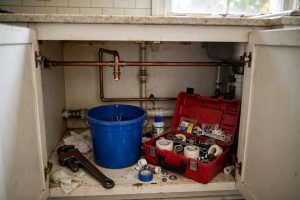
Read the manual before you touch a tool. Shut off the water line before you open any under sink unit. Keep a towel and a bucket under the work area. Small spills are normal during a filter change.
Do not mix plumbing parts that do not match. Use food safe tubing only. Flush a new cartridge well before you drink the first glass. The first gallons often carry loose carbon dust. They are safe but taste off.
Store spare media in a dry place. Damp storage can grow mold. If anyone in the home has a health condition, talk with a doctor about fluoride removal first. Water needs differ from person to person. Faucet makers like Moen, Kohler, and Delta Faucet also publish care tips for the taps your filter feeds.
How to Read Fluoride Filter Reviews the Smart Way
Product reviews help, but not all reviews help equally. Start with reviews from people who tested their water. A buyer who posts before and after test numbers gives you real proof. Skip reviews that only say the water tastes good. Taste tells you little about fluoride levels.
Look at the number of reviews, not just the star count. A unit with three hundred mixed reviews tells you more than one with twelve perfect scores. Read the two and three star reviews first. They often name small faults the happy buyers skip. Common complaints are slow flow, hard cartridge changes, and missing parts.
Check the date of the reviews. A filter sold for ten years may have changed makers twice. Recent reviews describe the product you will get now. Old reviews describe a product that may not exist anymore.
Be careful with reviews on seller sites alone. Some are paid or planted. Compare them with reviews on independent sites and home forums. When many strangers on different sites report the same problem, believe it. When one site praises a unit and all others stay silent, be cautious.
Pay attention to customer service stories. A filter is a long term buy. You will need new cartridges for years. A company that answers calls and ships parts fast is worth more than a slightly cheaper price. Consumer sites and retailer pages often show how a brand treats buyers after the sale.
Also check what the review does not say. If no review mentions fluoride test results, the buyers may not know if it works. That is common with fluoride filters. Many buyers assume the unit works because the water tastes fine. Trust test numbers over taste.
FAQ
Do all water filters remove fluoride? No. Most basic carbon filters leave fluoride alone. Only units built for fluoride removal work. Check the label for a stated fluoride reduction rate.
Is reverse osmosis the best choice for fluoride? It is the most proven method for home use. It removes most fluoride along with many other things. It wastes some water and costs more than simple filters.
How often should I change the filter? Follow the maker’s schedule. Most home units need new cartridges every six to twelve months. Hard water or heavy use shortens that time.
Can I install a fluoride filter myself? Countertop units need no tools. Under sink systems need basic wrench work and a cold water hookup. Many home owners finish in one to three hours. If pipes confuse you, hire a plumber.
Does fluoride removal change water taste? Most people notice little change. Some say the water tastes cleaner and softer. A new carbon taste may show up for the first day or two.
Is filtered water safe for children and pets? Yes, in most cases. Clean filtered water is fine for the whole home. Ask your doctor or dentist if you have questions about fluoride needs for small children.
A Short Final Word
A fluoride water filter for home is a simple answer to a common wish. Test your water first. Pick a type that fits your budget and your daily use. Change the filters on time. Read reviews with care, and trust test numbers more than praise. With those steps, your tap water will give you the peace of mind you bought the unit for, glass after glass, year after year.
References
Aquasana. (n.d.). Water filtration systems. https://www.aquasana.com Delta Faucet. (n.d.). Kitchen and bathroom faucets. https://www.deltafaucet.com Family Handyman. (n.d.). DIY home repair and maintenance. https://www.familyhandyman.com Kohler. (n.d.). Bathroom and kitchen fixtures. https://www.kohler.com Lowe’s. (n.d.). Home improvement products. https://www.lowes.com Moen. (n.d.). Faucets and plumbing fixtures. https://www.moen.com The Home Depot. (n.d.). Home improvement products. https://www.homedepot.com This Old House. (n.d.). Home renovation guidance. https://www.thisoldhouse.com U.S. Environmental Protection Agency. (n.d.). Protecting human health and the environment. https://www.epa.gov
Was this guide helpful?

About Michael Thompson
The My Garden US editorial team writes practical, in-depth home and garden guides for American homeowners — tested advice, no fluff.
You May Also Like

Wall Hung Toilet Pros and Cons Reviews USA: Is a Floating Toilet Right for Your Bathroom
February 2, 2026 0 views
Stainless Steel Sink Gauge Comparison Guide
January 19, 2026 0 views
Toilet Installation Cost Near Me 2026
September 6, 2026 0 views