
When the rain falls hard for days, many homeowners search for the sump pump installation cost near me. They want to know what a fair price is before they call a plumber. This guide gives plain answers. It covers the price range, what the job includes, and how to choose the right installer for your home.
Why a Sump Pump Matters
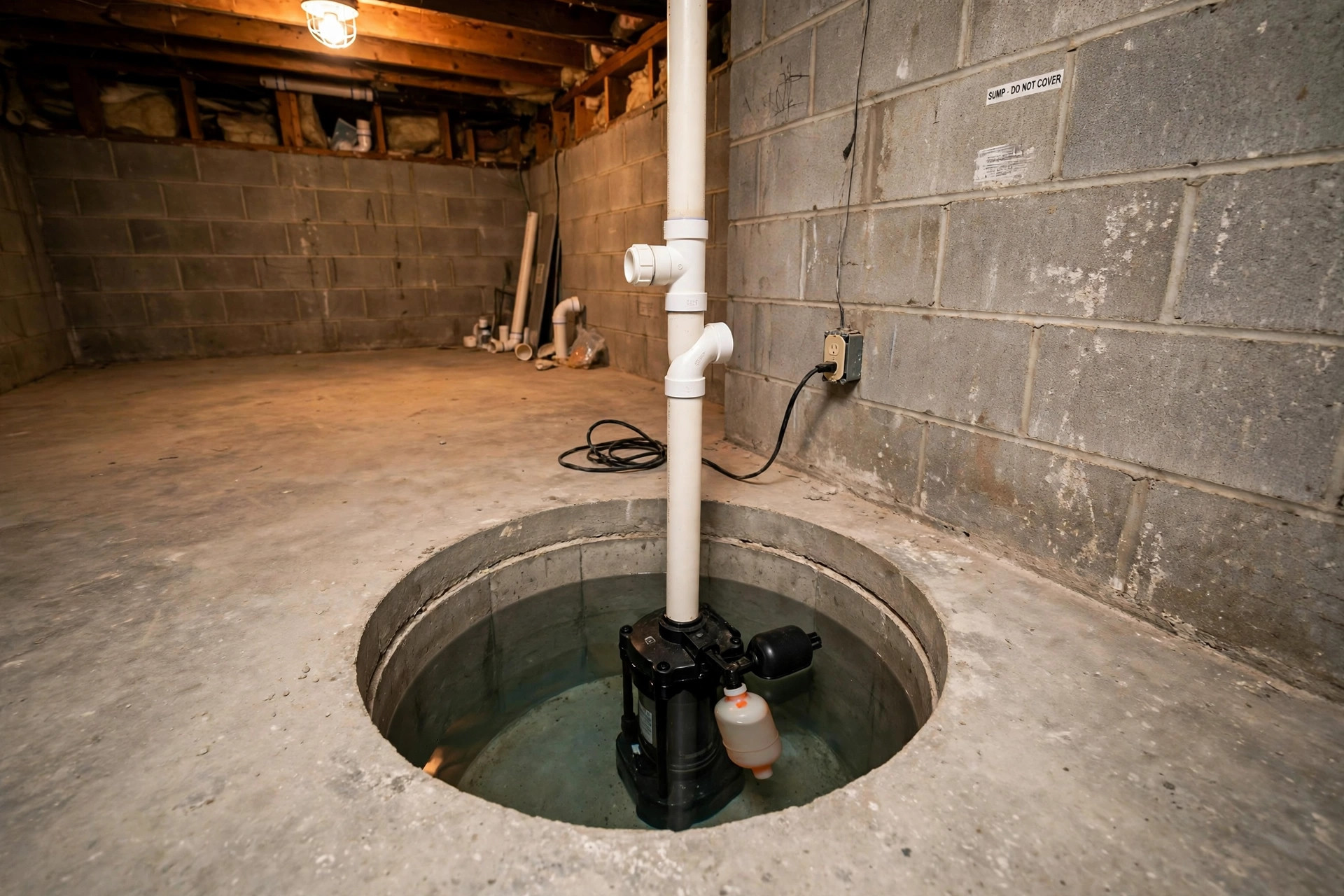
A sump pump is a small machine that keeps water out of your basement. It sits in a pit dug in the lowest part of the floor. When water flows into the pit, the pump turns on. It pushes the water out through a pipe. The water runs away from your house, out to the yard or a drain.
Without a pump, water can rise and flood the floor. It can ruin carpet, wood, and walls. It can harm the furnace, the water heater, and the washer. A water heater pan with drain installation cost guide can help you plan for that related job too. Water damage also brings mold. Mold can make the air in the home unhealthy to breathe.
Homes in low areas face more risk. So do homes near rivers and streams. Homes with a high water table also face more risk. If your basement has ever been damp, a sump pump is worth the cost.
Many buyers ask about water problems before they buy a home. A working sump pump can raise the value of your property. It shows that the home is protected.
What to Look for in a Sump Pump: Sump Pump Installation Cost near Me
Not all pumps are the same. When you plan your budget, it helps to know the main parts of the job.
The Pump Type
There are two common types. The first is a submersible pump. It sits inside the pit, under the water. It is quiet and strong. It is the most common choice for homes.
The second is a pedestal pump. The motor sits above the pit on a long shaft. The motor stays dry. These pumps cost less, but they are louder. They also last a shorter time in many homes.
The Pump Power
Pumps are rated in horsepower. Common sizes are one-third and one-half horsepower. A one-third horsepower pump suits most homes. A one-half horsepower pump moves more water. It suits homes that flood often or have a large pit.
The Pit
Some homes already have a pit. If not, the installer must dig one. Digging the pit adds labor and cost. The pit should be lined with a plastic basin. The basin keeps the dirt from caving in.
The Discharge Pipe
The pipe carries water out of the home. It should be wide enough to move water fast. It must lead away from the foundation. A check valve on the pipe stops water from flowing back into the pit.
The Backup System
Power often fails during heavy storms. That is the worst time to lose your pump. A battery backup keeps the pump running when the power is out. Some systems use a water-powered backup instead. These work with city water pressure. A backup adds cost, but it adds real protection. The battery backup sump pump reviews 2026 usa can help you pick a unit that suits your home.
Quality of the Installation
A good installer seals the lid of the pit. This cuts noise and keeps out damp air. A good installer also tests the pump before leaving. You want a worker who does clean work and explains each step.
Types of Sump Pump Systems and Their Costs
Prices vary by type and by region. Here are common options and what they tend to cost.
Standard Submersible System
This is the most common job. The pump sits in the pit. A new pit is dug if needed. The cost for this work often falls between 1,000 and 2,500 dollars. This includes the pump, the pit, the pipe, and the labor.
Pedestal Pump System
A pedestal pump costs less. The motor sits above the pit. The full job often falls between 800 and 1,500 dollars. It suits a budget plan. But the noise and shorter life are trade-offs.
System with Battery Backup
A battery backup adds 300 to 800 dollars to the job. Some high-end setups add more. The backup includes a battery, a charger, and an alarm. The alarm sounds when the pump runs on battery power.
Combination Systems
Some installers offer a pump with a built-in second pump. If the first pump fails, the second takes over. These systems cost 1,500 to 3,000 dollars or more. They suit homes with a history of flooding.
Sump Pump Replacement
If you already have a pit and pipe, the job is simpler. Replacing just the pump often costs 400 to 900 dollars. This includes the new pump and the labor to set it up. A search for sump pump replacement cost often shows lower prices than a first-time install, because the pit and pipe are already in place.
Note: the prices above are national ranges. Your local market may differ. That is why a search for sump pump installation cost near me is a smart first step.
Cost and Price: What Drives the Final Bill
Many factors shape the final price. When you compare quotes, keep these in mind.
Labor rates. Plumber labor varies by city. Large cities charge more than small towns. The labor rates in your area figures you see online give a rough guide. Most sump pump jobs take four to eight hours of work.
Pit condition. If a pit is already in place, the job costs less. Digging a new pit through a concrete floor takes time and tools. It can add several hundred dollars.
Pump brand and quality. A basic pump costs less than a premium pump. Premium pumps last longer and move more water. Ask the installer which brands they trust.
Backup power. As noted, a battery backup adds cost. Some homeowners skip it to save money. But many regret it after the first big storm.
Permits and codes. Some towns require a permit for the work. Some require an inspection. Ask the installer if the quote includes permit fees.
Discharge line work. A short line to the yard is cheap. A long line that ties into a storm drain costs more. Frozen lines in cold states may need special fittings.
Electrical work. The pump needs a nearby outlet. If no outlet is close, an electrician must add one. That adds to the bill.
When you gather quotes, ask for a written list of what each quote includes. Compare line by line. The lowest price is not always the best deal. A quote that leaves out the check valve or the lid may lead to trouble later.
How to Choose a Good Installer
A sump pump is only as good as the person who installs it. Take time to pick the right worker.
Get three quotes. Call three local plumbers or basement firms. Ask each one to visit your home. A quote given over the phone is a guess. A quote given after a visit is far more exact.
Check licenses and insurance. The installer should hold a valid license in your state. They should carry liability insurance. Ask to see proof.
Read reviews. Look at reviews from past customers. Pay attention to comments about water work. A guide on how to find a reliable plumber can help you sort good signs from bad ones.
Ask about the warranty. Good installers stand behind their work. Ask how long the labor warranty lasts. Ask how long the pump warranty lasts. Get it in writing.
Ask about past flood work. An installer who has fixed many flooded basements knows the local soil and water table. Local knowledge matters.
Watch for red flags. Avoid workers who demand full payment up front. Avoid those who refuse to give a written quote. Avoid those who will not answer questions about the brand of pump.
Ask about timing. Some installers can start within days. Others have long waits. If rain is coming, say so. Many firms keep room in the schedule for urgent water work.
Keep the emergency option in mind. If water is rising now, you need help fast. An emergency plumber search will show firms that answer at night. Emergency rates are higher, but they can save your basement.
Care and Upkeep After Installation
A sump pump needs little care, but it does need some. Plan to check it twice a year.
Test the pump. Pour a bucket of water into the pit. The pump should turn on and move the water out. It should turn off when the pit is empty. If it does not, call your installer.
Clean the pit. Take out dirt and small stones. Dirt can block the pump intake. A clean pit keeps the pump running well.
Check the pipe. Walk outside and look at the discharge point. Make sure water flows freely. Clear leaves and ice from the opening.
Test the battery. If you have a battery backup, test it once a year. Batteries lose strength with time. Most last three to five years. Replace the battery on schedule.
Listen for strange sounds. Grinding or rattling can mean worn parts. A pump that runs all the time may have a stuck float switch. Fix small problems before they grow.
Keep the lid on. The pit lid keeps out debris. It also cuts noise. It keeps damp air out of the basement.
Regular care is cheap. A new pump costs far more than a few minutes of care each season.
Safety Notes for Homeowners
Water and power do not mix. Keep these safety points in mind.
The pump should plug into a ground fault outlet. This type of outlet cuts power if a fault occurs. Never remove the ground pin from the plug.
Keep the area around the pit dry and clear. Do not store boxes on top of the pit lid. A blocked lid can stop the pump from working right.
If the basement floods while the pump is running, do not step into standing water. The water may carry power from a bad cord. Call a professional first.
If you smell gas near the work area, leave the home and call for help. Installers sometimes find gas lines near pits. Only a trained worker should handle them.
For homes with small children, a sealed pit lid is a must. It keeps little hands out of the water. For more on home safety standards, see guidance from the U.S. Consumer Product Safety Commission.
Frequently Asked Questions
How much does sump pump installation cost?
Most first-time installs cost between 1,000 and 2,500 dollars. The price covers the pump, the pit, the discharge pipe, and labor. Adding a battery backup raises the total. Replacing a pump in an existing pit costs less, often 400 to 900 dollars.
How long does the installation take?
Most jobs take four to eight hours. A simple replacement may take two to three hours. Digging a new pit through concrete takes the longest. Ask your installer for a time plan.
Can I install a sump pump myself?
A handy homeowner can replace an old pump. Digging a pit through a concrete floor is harder work. It needs special tools. Poor work can crack the slab or miss the water path. Most homeowners are better off hiring a professional for a first install.
How long does a sump pump last?
Most pumps last seven to ten years. Pedestal pumps may last less. Hard water and heavy use can shorten the life. Regular testing and cleaning help the pump reach its full life.
Do I need a battery backup?
It is strongly advised. Storms bring both heavy rain and power cuts. A backup keeps the pump running when the main power fails. It costs extra, but it protects the home at the worst time.
Will a sump pump lower my insurance cost?
Some insurers offer a discount for water protection devices. Ask your agent. Keep your receipt and the installer warranty as proof. Even without a discount, a pump can prevent a costly claim.
A Short Final Word
The sump pump installation cost near me is a search that pays off. A fair price, a good pump, and a skilled installer can protect your home for years. Take time to compare quotes. Pick quality parts. Test the system each season. With these steps, the next heavy rain will be a sound on the roof, not a flood on the floor. For advice on choosing plumbing products, the guides at Family Handyman and This Old House are useful reading. For product choices, major retailers like Home Depot and Lowe’s list many pump models, and fixture makers such as Moen, Delta, and Kohler set the quality bar for home plumbing. If water quality is also a concern, Aquasana and the U.S. Environmental Protection Agency offer helpful resources.
References
Aquasana. (n.d.). Water filtration systems. https://www.aquasana.com Delta Faucet. (n.d.). Kitchen and bathroom faucets. https://www.deltafaucet.com Family Handyman. (n.d.). DIY home repair and maintenance. https://www.familyhandyman.com Kohler. (n.d.). Bathroom and kitchen fixtures. https://www.kohler.com Lowe’s. (n.d.). Home improvement products. https://www.lowes.com Moen. (n.d.). Faucets and plumbing fixtures. https://www.moen.com The Home Depot. (n.d.). Home improvement products. https://www.homedepot.com This Old House. (n.d.). Home renovation guidance. https://www.thisoldhouse.com U.S. Consumer Product Safety Commission. (n.d.). Product safety information. https://www.cpsc.gov U.S. Environmental Protection Agency. (n.d.). Protecting human health and the environment. https://www.epa.gov
Was this guide helpful?

About Jennifer Lee
The My Garden US editorial team writes practical, in-depth home and garden guides for American homeowners — tested advice, no fluff.
You May Also Like
How to Unclog Garbage Disposal Safely: A USA Homeowner Guide
June 28, 2026 0 views
Best Tankless Reverse Osmosis System USA: A Simple Guide for Homeowners
May 12, 2026 0 views
Renter Friendly Water Filter Options USA: A Simple Guide
April 21, 2026 0 views