
A wet basement causes more trouble than most homeowners expect. Water can ruin carpet, warp wood, and feed mold in a matter of days. A sump pump stands guard in a small pit in the floor and moves that water out before it rises. This guide on the best sump pump for basement reviews USA looks at the pump types, the power ratings, the costs, and the care steps that matter. It is written for buyers in the United States who want a plain answer before they spend money.
Why a Sump Pump Matters
A basement sits below ground level. Rainwater and snowmelt move down through the soil and push against the foundation. Cracks in the walls or the floor let that water in. In many parts of the country, heavy spring rain and summer storms make flooding a regular event. One bad storm can send inches of water across a basement floor.
The damage adds up fast. A few inches of water can destroy a furnace, a water heater, a washer, or stored belongings. Insurance may not cover groundwater damage, so the repair bill often falls on the homeowner. Mold can follow within two days of standing water, and mold removal costs hundreds or thousands of dollars.
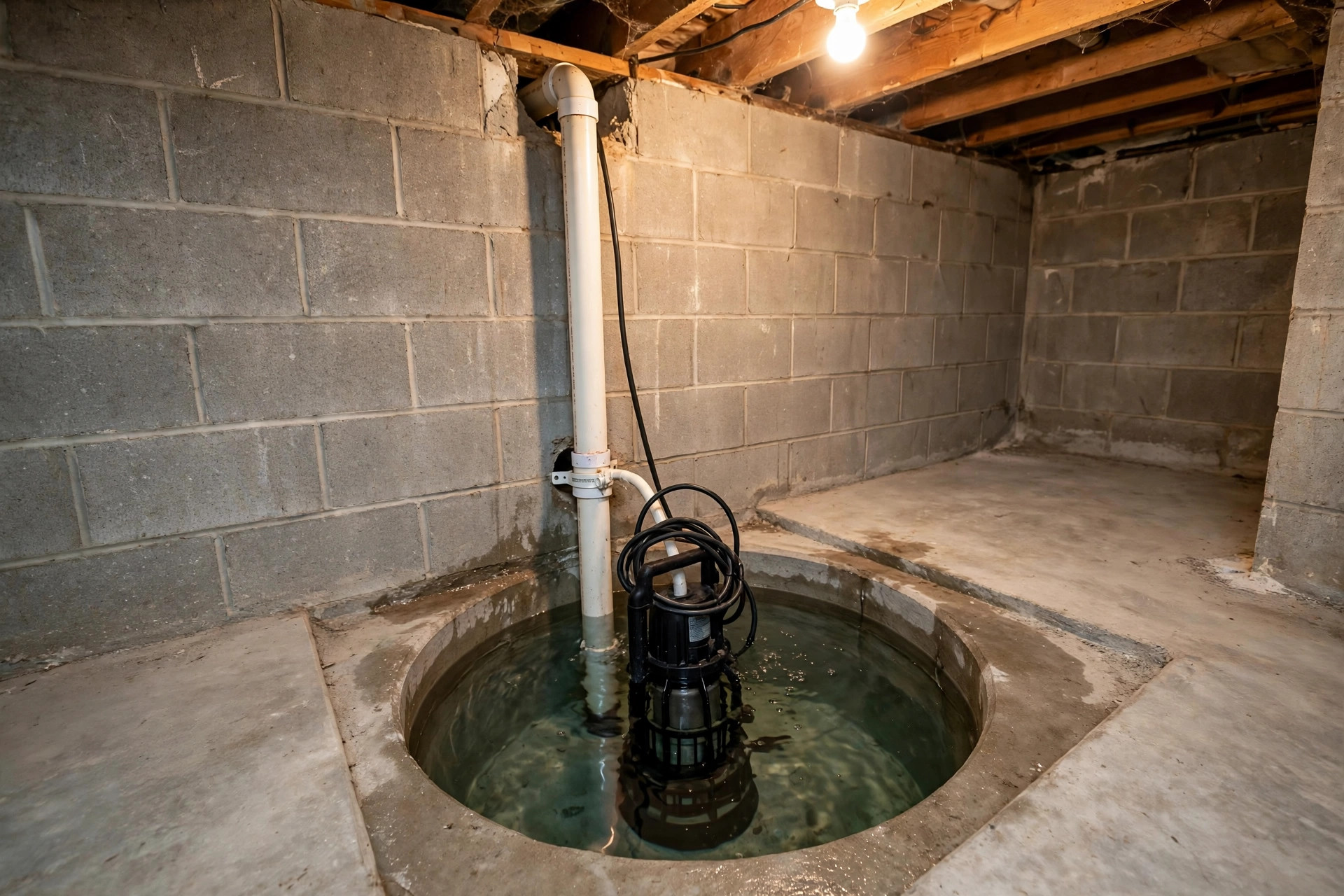
A sump pump prevents this cycle. It sits in a basin called a sump pit, usually at the lowest point of the basement floor. When water flows into the pit, a float switch rises with the water level and turns the pump on. The pump pushes water through a discharge pipe to the outside, away from the house. When the water level falls, the float drops and the pump turns off. The whole job is automatic.
Readers searching the best sump pump for basement reviews USA want one thing: a pump that turns on every time and keeps running until the job is done. That reliability matters more than any extra feature.
Types of Sump Pumps: Best Sump Pump for Basement Reviews Usa
Two main types serve homes. A third type works as a backup. Each fits a different need.
Submersible Sump Pumps
A submersible pump sits inside the pit, under the water. Its motor is sealed so it can run while wet. These pumps are quiet because the water muffles the sound. They handle heavy flow and are the first choice for finished basements and living areas. Most models last seven to ten years with normal care.
Pedestal Sump Pumps
A pedestal pump keeps the motor above the pit on a long column, while only the intake sits in the water. The motor stays dry, which some homeowners prefer. These pumps are louder than submersible models. They cost less to buy, and the motor is easy to reach for service. They fit unfinished basements and utility rooms where noise is not a concern.
Battery Backup Sump Pumps
Storms that bring heavy rain often knock out power. A battery backup pump takes over when the main pump has no electricity. It runs on a deep-cycle battery and a charger that keeps the battery full. Many buyers add a backup pump next to the main pump, or they buy a combination unit that includes both. A backup pump can run for several hours on one charge, which covers most outages. Learn more in our guide on battery backup sump pump reviews 2026 usa.
How to Choose: What the Reviews Emphasize
Reviews of sump pumps in the United States return to the same five points. Use them as a checklist.
1. Pumping capacity. Capacity is measured in gallons per hour, or GPH. It tells how much water the pump moves. A small home with light seepage may do well with a pump rated near 2,000 GPH. A home with heavy water flow may need 4,000 GPH or more. Note that capacity drops as the lift height rises. The lift is the vertical distance the pump must push water up to the discharge point. A pump rated at 4,000 GPH at a three-foot lift may only move 2,500 GPH at a ten-foot lift. Match the rating to your lift height.
2. Horsepower. Most home sump pumps use one-third, one-half, or three-quarter horsepower motors. One-third horsepower suits light to moderate water. One-half horsepower is the most common pick for an average home. Three-quarter horsepower suits high water tables and large pits. A bigger motor does not always help; too much power in a small pit causes short cycling, where the pump turns on and off rapidly. That wears out the switch faster.
3. Switch type. The float switch is the part most likely to fail. Reviews favor vertical float switches and electronic switches over simple tethered floats. A tethered float swings on a cord and can catch on the pit wall or the discharge pipe. A vertical float moves up and down on a rod and needs less room. Electronic switches use sensors and have no moving arm at all. A strong switch matters more than extra horsepower.
4. Materials. Cast iron pump housings handle heat better and last longer than plastic housings. Stainless steel parts resist rust. Cheap pumps use plastic impellers that can warp under hard use. Look for a metal impeller and a sealed bearing design.
5. Cord length and discharge size. A longer power cord gives more options for placing the pump near an outlet. Most home pumps use a one-and-a-half-inch discharge pipe, which fits standard basement plumbing. Check that the pump matches your existing pipe size.
Cost and Price
Sump pump prices in the United States cover a wide range. A basic pedestal pump can cost as little as sixty dollars. A mid-range submersible pump from a known brand usually costs between one hundred fifty and three hundred dollars. A high-capacity cast iron model can reach four hundred dollars or more. Battery backup units cost between two hundred and five hundred dollars, plus the cost of the battery.
Installation adds to the bill. If a sump pit already exists, a plumber can swap in a new pump for a modest service fee. If a pit must be dug and a discharge line run, the job can cost several hundred to a few thousand dollars. Read our breakdown of sump pump installation cost near me for regional figures.
When weighing cost, think about the risk. A two-hundred-dollar pump that prevents one flood pays for itself many times over. Skimping on the pump is a poor place to save money.
Care and Upkeep
A sump pump works only if it is ready. A few simple steps each year keep it ready.
Test the pump each spring before the rainy season. Pour a bucket of water into the pit and watch the pump turn on, run, and turn off. Listen for odd noises. A grinding sound can mean a worn impeller.
Clean the pit once a year. Remove silt, gravel, and debris from the bottom. Debris can jam the float switch or clog the intake screen. Rinse the intake screen with a hose.
Check the discharge line. Make sure it carries water well away from the foundation, at least ten feet from the house. In cold climates, check for ice blockage in winter. A frozen discharge pipe can burn out a motor.
Test the battery backup. Press the test button on the backup unit and confirm that it runs. Replace the battery every three to five years, even if it still holds a charge. An old battery is the most common reason backup pumps fail.
Keep a spare pump on hand if flooding is frequent in your area. A spare lets you swap in a working unit in minutes instead of waiting for a store to open.
Safety
Water and electricity make a dangerous pair. Plug the pump into a ground-fault circuit interrupter outlet, known as a GFCI. A GFCI cuts power in a fraction of a second if it senses a fault. Never use an extension cord for a sump pump; the cord can overheat and the connection can get wet.
Keep the pit covered with a tight lid. An open pit is a hazard for children and pets, and a lid cuts down on noise and moisture.
Know when to call a professional. If the pump hums but does not move water, the impeller may be jammed or the discharge pipe may be blocked. If the pump runs nonstop, the switch may be stuck or the water inflow may exceed the pump’s capacity. A plumber can diagnose these problems quickly. For homes with sewage risk in the same area, also review our article on backwater valve installation cost for basement.
Links Worth Checking
Product review guides from Consumer Reports give side-by-side test results for home equipment. The EPA publishes guidance on indoor moisture and mold that helps explain why a dry basement matters. Big-box retailers such as Home Depot and Lowe’s list current pump models with buyer ratings and price ranges. Fixture makers like Moen, Delta Faucet, and Kohler show the quality bar for residential plumbing hardware, while Aquasana covers the water treatment side of home water systems. For hands-on repair advice, This Old House and Family Handyman both publish clear step-by-step plumbing guides.
FAQ
How long does a sump pump last? Most submersible sump pumps last seven to ten years. Pedestal pumps can last longer because the motor stays dry. Heavy use, hard water, and debris shorten the life. Replace a pump at the first sign of trouble rather than waiting for it to die during a storm.
Do I need a battery backup sump pump? If storms in your area cause power outages, yes. The heaviest rain often arrives with the winds that take down power lines. A backup pump keeps working when the main pump has no electricity. It is cheap insurance against a flooded basement.
What size sump pump do I need for my basement? Start with the water inflow. For light seepage, a one-third horsepower pump rated near 2,000 GPH is enough. For a high water table or frequent heavy flow, choose one-half to three-quarter horsepower with 3,500 GPH or more. Measure your lift height and check the pump’s capacity at that height before you buy.
Can I install a sump pump myself? If a pit and discharge line already exist, a handy homeowner can swap a pump in under an hour. Digging a new pit and running a discharge line through a wall is harder work and may require a permit. When in doubt, hire a plumber.
How much does a sump pump cost with installation? The pump itself costs sixty to four hundred dollars. Professional installation ranges from a small service fee for a simple swap to several thousand dollars for a new pit and discharge system. Get two or three quotes before you commit.
Why does my sump pump run all the time? A stuck float switch is the most common cause. Check that the float moves freely and does not catch on the pit wall. A check valve failure can also cause water to flow back into the pit, forcing the pump to run again. In rare cases, a rising water table simply brings more water than the pump can clear, and a larger pump or a second pump is needed.
A Short Final Word
The best sump pump for basement reviews USA all point to the same lesson: buy a reliable pump, size it to your water, and test it twice a year. The pump is a small machine with a big job. Give it the care it needs, and it will keep your basement dry through storm after storm.
References
Aquasana. (n.d.). Water filtration systems. https://www.aquasana.com Consumer Reports. (n.d.). Product reviews and ratings. https://www.consumerreports.org Delta Faucet. (n.d.). Kitchen and bathroom faucets. https://www.deltafaucet.com Family Handyman. (n.d.). DIY home repair and maintenance. https://www.familyhandyman.com Kohler. (n.d.). Bathroom and kitchen fixtures. https://www.kohler.com Lowe’s. (n.d.). Home improvement products. https://www.lowes.com Moen. (n.d.). Faucets and plumbing fixtures. https://www.moen.com The Home Depot. (n.d.). Home improvement products. https://www.homedepot.com This Old House. (n.d.). Home renovation guidance. https://www.thisoldhouse.com U.S. Environmental Protection Agency. (n.d.). Protecting human health and the environment. https://www.epa.gov
Was this guide helpful?

About Sarah Mitchell
The My Garden US editorial team writes practical, in-depth home and garden guides for American homeowners — tested advice, no fluff.
You May Also Like
How to Unclog Garbage Disposal Safely: A USA Homeowner Guide
June 28, 2026 0 views
Conventional vs Aerobic Septic System Cost: A Complete Homeowner Guide
August 8, 2026 0 views
Chlorine Removal Whole House Filter Reviews
January 30, 2026 0 views