
Introduction
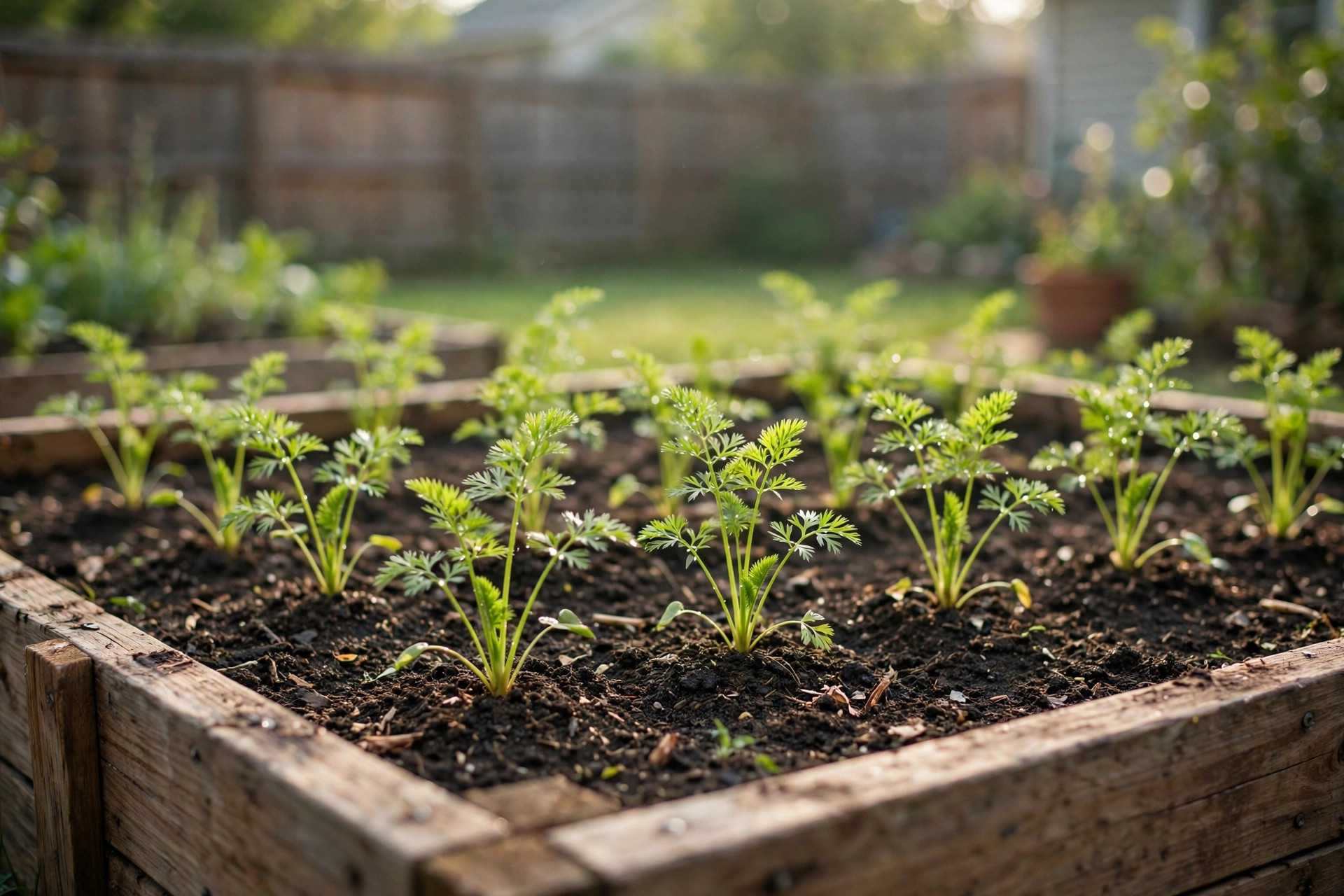
Many home gardeners ask how to grow carrots in raised beds, and the answer is good news. Carrots grow very well in raised beds. A raised bed lets you control the soil from the start. Loose, deep soil is the secret to straight, sweet carrots. The ground in many yards is too hard or too full of clay. A raised bed lets you fill it with the soil you choose, and the roots can grow down without hitting rocks or hard earth.
Carrots are also one of the most rewarding vegetables to grow. Seeds cost little. The plants need no special skill. Children love to pull them from the soil. The taste of a fresh carrot from your own bed is far better than any store carrot. This guide will walk you through the whole process: when to plant, what soil to use, how deep the bed should be, how to sow the seeds, how to water, how to thin the rows, and when to harvest.
Why Raised Beds Work So Well for Carrots: How to Grow Carrots in Raised Beds
Better Soil Control
A raised bed is a box you fill with soil. You decide what goes in it. That matters because carrots need loose, sandy soil to grow straight. Heavy soil makes them fork, bend, or stay short. In a raised bed, you can mix sand, compost, and loose topsoil in the right way.
Better Drainage
Carrots rot in soil that stays wet. A raised bed drains water faster than flat ground. Rain runs through the loose mix instead of sitting on top. Good drainage keeps the roots firm and sweet. It also means fewer diseases. Many seed catalogs, such as those from Burpee, remind growers that vegetables need soil that drains well.
Easier Work on Your Body
A raised bed lifts the work to a comfortable height. You do not have to bend as far to plant, weed, or harvest. This is a real help for older gardeners and for anyone with a sore back. A bed 12 inches tall makes carrot work much easier than ground-level gardening.
Fewer Weeds and Pests
The closed space of a raised bed keeps many weeds out. You start with clean soil, so there are no buried weed seeds. It is easy to see weeds when they appear and pull them fast.
How to Choose the Right Raised Bed
Bed Depth Matters Most
Carrots are root vegetables. They grow down, not up. Most carrot types need at least 10 to 12 inches of loose soil. Short round types, like Parisian carrots, can grow in 8 inches. But most gardeners grow longer types, such as Nantes or Danvers. These need the full 12 inches. If your bed is too shallow, the roots will bend when they hit the bottom. Buy or build a bed that is at least 12 inches deep. Deeper is fine too. For a good raised garden bed soil mix recipe, plan your layers before you fill the box.
Bed Materials
Wood is the most common choice. Cedar and redwood last the longest outdoors. Pine is cheaper but will rot sooner. Avoid old railroad ties or treated wood from before 2004, which may hold harsh chemicals. Metal beds are also popular now. They last for years and heat the soil early in spring. Pick what fits your budget and your yard. Advice on building frames can be found at Family Handyman, which has clear guides for simple wooden beds.
Bed Width and Placement
Keep the bed no wider than 4 feet if you can reach it from both sides. A 4-foot-wide bed lets you plant four rows of carrots. If the bed sits against a fence, keep it to 2 feet wide so you can reach the back. Place the bed where it gets at least 6 hours of full sun each day. Carrots need sun to grow sweet and strong.
What to Look for: The Best Soil Mix
The Right Texture
Carrots need soil that is loose, crumbly, and free of stones. Stones make roots split into two or three legs. Remove any pebbles larger than a marble from the top 12 inches. The soil should feel soft when you squeeze it. If it forms a hard ball, add more sand or compost. A simple test: take a handful of damp soil and squeeze it. It should hold its shape for a moment, then fall apart when you touch it.
A Simple Mix Recipe
A trusted mix for carrots is two parts screened topsoil, one part coarse sand, and one part finished compost. The sand keeps the mix loose. The compost adds food for the plants. Make sure the compost is fully rotted. Fresh manure is too strong and makes carrots grow forked, hairy roots. Never add fresh manure to a carrot bed. If you want to compare bagged options, read up on the best soil for raised vegetable beds before you buy.
Soil pH and Food
Carrots like soil that is slightly acidic to neutral. A pH between 6.0 and 6.8 is ideal. Most bagged garden soils already sit in this range. You can test your mix with a cheap soil test kit from Lowe’s or Home Depot. Carrots are light feeders. They do not need heavy fertilizer. Too much nitrogen gives you big green tops and small roots. A balanced, slow-release vegetable fertilizer at planting time is enough for the whole season.
Types of Carrots to Grow
Nantes Types
Nantes carrots are sweet, crisp, and nearly core-free. They grow 6 to 7 inches long. Scarlet Nantes is a classic home garden choice. They are ready to harvest in about 70 days.
Danvers Types
Danvers carrots are the workhorses of the home garden. They grow 7 to 8 inches long with broad shoulders. Danvers Half Long tolerates less-than-perfect soil better than most types. If your first bed mix is a little rough, start with Danvers. They mature in about 75 days and store well.
Chantenay Types
Chantenay carrots are short and thick, about 5 to 6 inches long. They are very sweet and great for cooking. Because they are short, they suit shallower beds. They are a safe pick for beginners who want fast results.
Round and Baby Types
Parisian Market and other round types are little balls of carrot. They mature in just 60 days. They are perfect for children and for beds that are only 8 inches deep. Their flavor is sweet and mild.
Seed catalogs and garden guides at Gardener’s Supply list many more types with clear notes on length and days to maturity.
When and How to Sow Seeds
The Right Time
Carrots are a cool-season crop. Sow seeds in early spring, as soon as the soil can be worked. In most parts of the United States, that is 2 to 3 weeks before the last frost. The soil should be at least 50 degrees. Carrot seeds sprout slowly in cold soil and faster in warm soil. For a fall crop, sow again in late summer, about 10 weeks before the first hard frost.
Sowing the Seeds
Carrot seeds are tiny. They are hard to space by hand. Here is a simple method that works well:
1. Water the bed well the day before sowing. 2. Make shallow rows, about one quarter inch deep, spaced 6 inches apart. 3. Sprinkle seeds thinly along the row. Aim for about one seed every inch. 4. Cover lightly with fine soil or sand. Do not bury them deep. 5. Press the soil gently with your hand or a board so the seeds touch the soil. 6. Water with a fine mist so the seeds do not wash away.
Keep the soil damp until the seeds sprout. This can take 14 to 21 days. Many gardeners lay a board over the rows to hold moisture. Check under the cover each day, and remove it as soon as green sprouts appear.
Thinning Is Not Optional
When seedlings are 2 inches tall, thin them. This is the step most beginners skip, and it is the step that matters most. Crowded carrots stay thin and small. Pull out extra seedlings so the plants stand 2 to 3 inches apart. It feels wasteful, but it is the price of a good crop. Thin in the evening, when carrot flies are less active, and water after thinning to settle the soil around the plants that remain.
Watering and Care Through the Season
How Much Water
Carrots need even, steady moisture. The top inch of soil should never dry out while seeds are sprouting. After plants are established, water deeply once or twice a week. Aim for about 1 inch of water per week, counting rain. Uneven watering causes cracks in the roots. A sudden soak after a dry spell can split mature carrots. Slow, steady watering grows smooth, even roots.
Mulch and Weeding
Once seedlings are 4 inches tall, spread a light mulch of straw or shredded leaves between the rows. Mulch holds moisture and keeps weeds down. Keep weeds out of the bed. Weeds steal water and food. They also hide the small carrot tops. Hand-pull weeds when they are young. A sharp hoe or a hand tool from Corona Tools makes quick work of weeds between rows without harming the shallow carrot roots.
Drip Irrigation
A drip system or soaker hose is ideal for carrots. It puts water right at the soil with no splash. That keeps the tops dry and cuts down on disease. It also saves water. See how to install raised bed irrigation for a full setup guide. If you plan to water by hand, a gentle shower setting is best.
Cost and Price: What a Carrot Bed Really Costs
Starting Costs
A simple 4-by-4-foot cedar bed kit costs between 80 and 150 dollars. Soil to fill it costs about 60 to 100 dollars, depending on whether you mix your own or buy bagged raised bed mix. Seeds cost 3 to 5 dollars per packet, and one packet plants many rows. A basic set of hand tools costs 30 to 50 dollars. Compare tool ratings and prices at Consumer Reports before you buy. All told, a first-year carrot bed costs roughly 175 to 300 dollars.
Year-Two Costs and Beyond
After the first year, costs drop sharply. The bed and tools last for years. You only need to top up the soil with a bag or two of compost each spring, about 10 to 20 dollars. Seeds are cheap. One 4-by-4 bed can grow 100 or more carrots per season. At store prices of about 1.50 dollars per pound, a good harvest pays back the setup cost in two to three seasons. After that, your carrots are nearly free.
Safety in the Garden
Tool Safety
Keep hand tools sharp. A sharp tool cuts cleanly and slips less. Wear gloves when pulling weeds or handling rough wood. Store tools out of reach of small children. Guides at Bob Vila include useful safety notes for common garden tools.
Soil and Water Safety
Wash your hands after working in the soil. Wash carrots well before eating them, even if they look clean. If you use a rain barrel for watering, make sure the water is only used on soil, not splashed on leaves you will eat.
Sun and Heat
Spring planting means working in the sun. Wear a hat, drink water, and take breaks. Thin seedlings in the cool of the evening rather than at midday.
Frequently Asked Questions
How deep should a raised bed be for carrots?
Twelve inches of loose soil is the standard answer. Most popular carrot types grow 6 to 8 inches long and need room below that for the tip. A 12-inch bed gives them space with a margin for error. Short round types can manage in 8 inches, but deeper is always safer for carrots.
Why are my carrots short and forked?
The cause is almost always the soil. Stones, hard lumps, or fresh manure make roots split or stop growing. Next time, screen the soil to remove pebbles and skip fresh manure. Use only fully rotted compost. Even, loose soil is the whole trick.
Can I grow carrots in a raised bed in summer?
Carrots prefer cool weather, but you can grow a fall crop by sowing in late summer. Shade the bed with a light cloth during the hottest weeks to keep the soil cool for sprouting. In very hot regions, wait until early fall to sow, and let the crop mature in cool autumn air.
How long do carrots take to grow?
Most types need 60 to 80 days from seed to harvest. Check the seed packet for the exact number. You can start pulling baby carrots earlier for a sweet treat. Full-size roots need the full time. Mark your sowing date on a calendar so you know when to expect them.
Do I need to fertilize carrots?
Lightly. Work a balanced, slow-release vegetable fertilizer into the soil before sowing, and that is usually enough. Do not add extra nitrogen during the season. Too much nitrogen grows big tops and small roots. Compost in the soil mix provides most of what carrots need.
How do I know when carrots are ready?
Look at the shoulders. When the top of the root is about three quarters of an inch to one inch wide at the soil line, it is ready. Pull one to check. If it looks good, harvest the rest. You can leave carrots in the ground for a few weeks and pull them as needed, but pull them before the ground freezes hard.
A Final Word
Learning how to grow carrots in raised beds is one of the best first projects for a home gardener. The work is simple. The cost is low. The reward is a bed full of sweet, crisp roots that taste nothing like store carrots. Start with good loose soil, sow thinly, thin without mercy, and water with care. Your first harvest will teach you more than any book. And next year, you will grow even more. For more seasonal how-to guides and vegetable growing advice, browse the garden section at The Spruce, which covers sowing calendars and crop care in plain language.
References
Bob Vila. (n.d.). Home improvement advice. https://www.bobvila.com Burpee. (n.d.). Seeds, plants, and gardening supplies. https://www.burpee.com Consumer Reports. (n.d.). Product reviews and ratings. https://www.consumerreports.org Corona Tools. (n.d.). Garden and landscape tools. https://www.corona-tools.com Family Handyman. (n.d.). DIY home repair and maintenance. https://www.familyhandyman.com Gardener’s Supply Company. (n.d.). Gardening tools and supplies. https://www.gardeners.com Lowe’s. (n.d.). Home improvement products. https://www.lowes.com The Home Depot. (n.d.). Home improvement products. https://www.homedepot.com The Spruce. (n.d.). Home and garden advice. https://www.thespruce.com
Was this guide helpful?

About Jennifer Lee
The My Garden US editorial team writes practical, in-depth home and garden guides for American homeowners — tested advice, no fluff.
You May Also Like
The Best Garden Sprayer for Lawn Care: A Practical Buying Guide
June 25, 2026 0 views
Best Garden Scissors for Pruning Roses
July 25, 2026 0 views
Compost Accelerator for Faster Breakdown: A Practical Guide
May 6, 2026 0 views