
A Warm Start
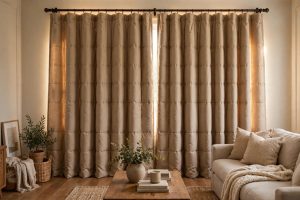
Luxury farmhouse style curtains for southern states bring a calm, country feel into the home. They soften hard window frames. They warm up plain walls. They give a room the look of a well-kept farmhouse, even in the middle of a modern city.
Southern homes face a special mix of needs. Summers run long and hot. Sunlight pours through windows for many hours each day. Winters stay mild in most of the region, yet nights can still turn cool. Humidity clings to fabrics and to air. Curtains in a southern home must look good, but they must also stand up to heat, sun, and damp air.
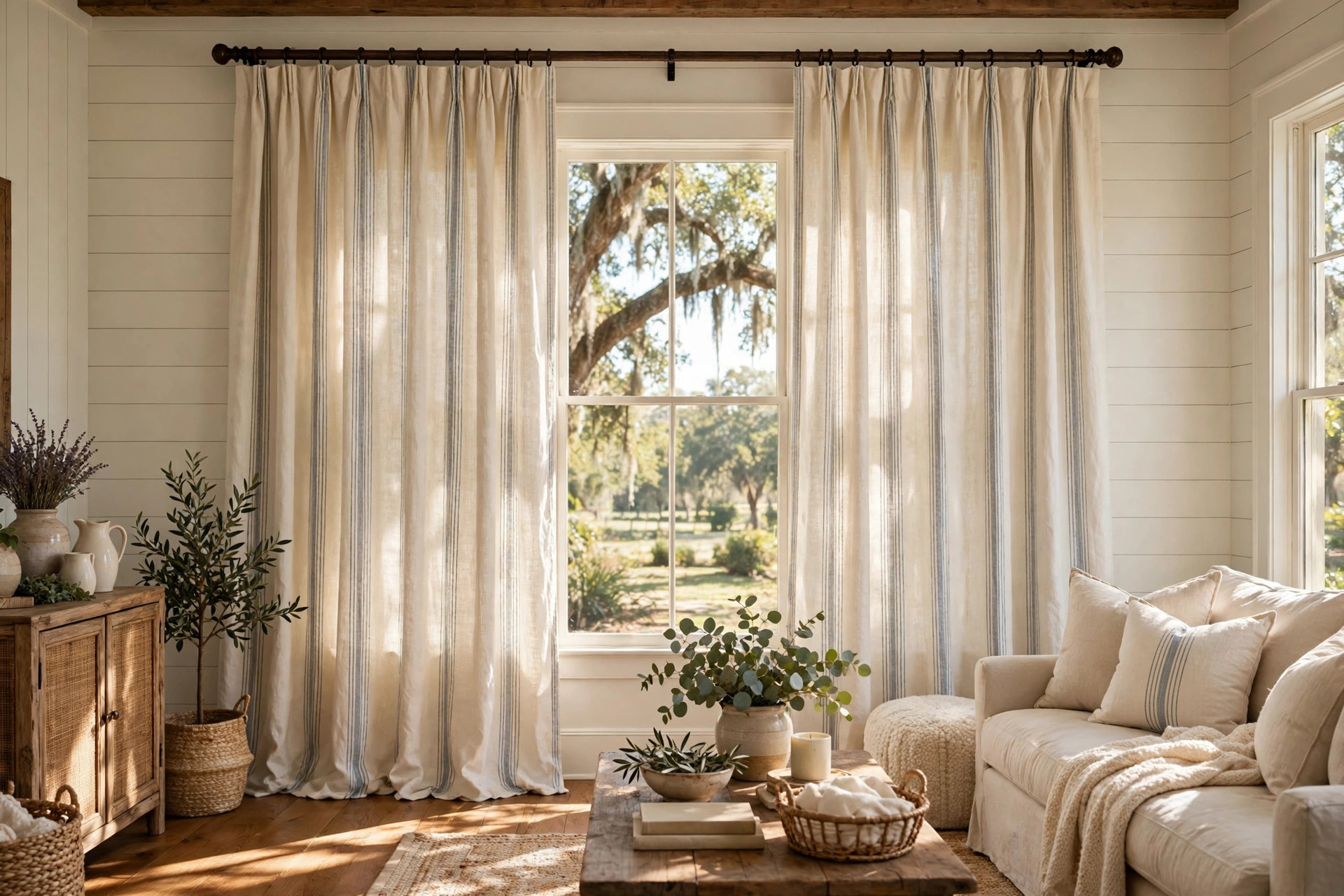
Luxury farmhouse style curtains for southern states meet both needs. They use natural fabrics such as cotton, linen, and burlap weaves. They come in warm whites, soft creams, gentle grays, and muted stripes. They hang long and full, the way curtains hung in older farmhouses.
This guide explains what these curtains are, why they suit southern homes, and how to choose the right pair. It covers styles, costs, care, and safety. It answers common questions. By the end, you will know exactly what to buy and how to keep it looking fine for years.
Why These Curtains Suit Southern Homes: Luxury Farmhouse Style Curtains for Southern States
Southern homes share a common look. Wide porches, tall ceilings, and large windows show up from Texas to Georgia to the Carolinas. The farmhouse style grew out of this region and its way of life. It favors plain materials and comfort over show.
Farmhouse curtains match that spirit. They use natural fibers that breathe. In hot months, heavy synthetic fabrics can feel stuffy and look dark. Cotton and linen stay light. They move with the breeze from an open window. For a light, airy option, many southern buyers start with sheer linen curtains for american homes before layering heavier panels. They filter strong sunlight into a soft, golden glow instead of blocking it in a harsh way.
Southern sun is the main enemy of window fabric. Ultraviolet light fades bright colors and weakens fibers over time. Luxury lines address this with tight weaves and quality dyes. Many also add a lining on the back. A good lining does two jobs at once. It keeps the room cooler by reflecting some heat. It also shields the face fabric from the worst of the sun.
Style matters in the South because porches and parlors remain places where people gather. A set of well-hung farmhouse curtains sets the tone for a room. Plain white cotton panels with a small stripe, hung on a dark wooden rod, can make a plain room feel finished and loved.
What to Look for When You Buy
Fabric
Fabric comes first. The best luxury farmhouse style curtains for southern states use natural fibers. Linen leads the list. It wrinkles a little, and that is part of its charm. It breathes well and hangs in soft folds. Cotton runs a close second. It costs less, it washes well, and it takes dye in a wide range of soft colors.
Cotton-linen blends give the best of both. They wrinkle less than pure linen and feel softer than plain cotton. They hold their shape over time. For a luxury feel, look for a higher thread count and a fabric with some weight. Thin, sheer panels have their place, but they wrinkle fast and fade faster in strong sun.
Some farmhouse curtains use burlap or jute weaves. These look rustic and honest. They do not suit every room. They work best in kitchens, sunrooms, or cabins. They can scratch and they collect dust. Reserve them for places where a rough texture fits the mood.
Avoid heavy velvet or thick polyester in most southern rooms. Velvet holds heat. Thick polyester can look shiny and cheap in daylight. If you want room-darkening power for a bedroom, choose lined cotton instead. Stores such as IKEA carry plain cotton and linen panels at fair prices, which makes it easy to compare fabrics in person.
Lining
Lining separates luxury curtains from plain ones. An unlined panel looks thin in bright sun. A lined panel hangs with weight and hides its seams.
Thermal linings have a special coating that reflects heat. They keep rooms a few degrees cooler in summer. This can trim the load on the air conditioner. Blackout linings block nearly all light. They suit bedrooms and nurseries. Light-filtering linings soften glare while still letting daylight in. They suit living rooms and dining rooms.
Check how the lining attaches. Sewn-in linings last longer and hang better than clipped-on liners. The lining should match the panel in length and fall short of the hem by an inch or less. You can compare lined and unlined options side by side at Blinds.com before you buy.
Size and Fit
Farmhouse curtains look best when they hang long and full. Measure the window frame first. Then decide how far the rod should extend. A common rule places the rod four to six inches above the frame and extends it three to six inches past each side. This makes the window look larger and lets the panels stack off the glass during the day.
For length, measure from the rod to the floor. Farmhouse style favors panels that just touch the floor or puddle slightly. A slight puddle, one or two inches, reads as relaxed and welcoming.
For width, plan for fullness. A panel should measure one and a half to two times the width it will cover. Skimpy curtains look cheap no matter how much the fabric costs. Sturdy wood and metal rods in farmhouse finishes are easy to find at The Home Depot.
Color and Pattern
Southern farmhouse style leans toward soft, sun-washed colors. White, cream, ivory, and light gray form the core. Muted stripes in navy, sage, or tan add pattern without noise. Small checks and ticking stripes are classic farmhouse prints. They have decorated southern kitchens and porches for a hundred years.
In rooms with strong afternoon sun, lighter colors last longer. Dark fabrics absorb heat and fade faster. A deep navy panel can look rich, but it may bleach to a dusty blue within a few seasons on a west-facing window. If you love dark color, hang it on a north or east window, or add a strong lining.
Styles That Fit the Farmhouse Look
Several hanging styles read as farmhouse at a glance.
Rod pocket panels slide directly onto the rod. They gather into soft, casual folds. They cost little and they suit the simple farmhouse look. They can be hard to slide open and shut, so they fit windows that stay covered most of the time.
Tab top panels have fabric loops along the top. They hang with a relaxed, country air. They work well in bedrooms and living rooms.
Grommet top panels have metal rings set into the fabric. They slide with ease and form deep, even folds. They look a touch more modern, but in linen or cotton they still read as farmhouse.
Pinch pleat panels gather the fabric into neat pleats at the top. They suit dining rooms and front parlors where a more finished look fits. Browse more farmhouse window ideas at HGTV to see how these styles look in real homes.
Cafe curtains cover only the lower half of a window. They are a southern kitchen classic. They give privacy at eye level while leaving the top open to light. Many buyers pair them with a simple valance on top. For kitchens, a set of cafe curtains for kitchens in florida shows how this style works in a warm climate.
Sheer linen panels filter light into a soft haze. They suit porches-turned-sunrooms and tall living room windows. On their own they give little privacy at night. Layer them over blinds or pair them with heavier panels for evening use.
Cost and Price
Luxury farmhouse curtains cost more than basic store panels, and the reasons show in daily use. Better fabric keeps its color. Better stitching keeps hems straight. Better linings keep rooms cooler.
For a standard pair of lined cotton or linen panels, expect to pay roughly sixty to two hundred dollars. Longer panels and wider widths raise the price. Custom-made panels, cut to your exact window, can run three hundred dollars or more per pair. Custom work pays off for tall windows, wide sliding doors, or arches that stock sizes cannot fit.
Watch for hidden costs. Curtain rods, finials, brackets, and rings often sell separately. A sturdy wooden or metal rod for a wide window can add forty to eighty dollars.
Sales bring prices down in predictable seasons. Late winter and late summer clear old stock. Online sellers such as Wayfair list hundreds of farmhouse styles, which makes price comparison simple.
Think in terms of cost per year. A well-made lined linen panel that lasts ten years costs less per year than a cheap panel replaced every two years. In southern sun, cheap fabric fails fast. Spending more up front often saves money over time.
Care and Upkeep
Southern air tests curtains. Humidity feeds mildew. Sun bleaches color. Dust settles into weaves. A simple care routine keeps luxury farmhouse curtains looking fine.
Wash cotton and cotton-blend panels in cool water with a mild soap. Skip bleach. It weakens fibers and yellows whites over time. Hang panels to dry or tumble them on low heat. Pull them out while still slightly damp to reduce wrinkles.
Pure linen needs gentle care. Hand wash or use the delicate cycle. Linen wrinkles by nature, so do not chase a pressed look. You can find step-by-step fabric care advice at The Spruce.
Vacuum panels once a month with an upholstery brush. This lifts dust before it works deep into the weave. In humid months, run a dehumidifier or the air conditioner in rooms with heavy curtains. Good airflow stops mildew before it starts.
Sun-facing panels need rotation. Every six months, swap the left and right panels, or turn them end to end. This spreads sun exposure and slows fading on one edge.
Check seams and hems once a year. Restitch loose threads before they run.
For homes in very humid climates, pinch pleat drapes made for humid climates use mildew-resistant treatments worth knowing about.
Safety
Curtains hang near heat, cords, and children. A few rules keep them safe.
Keep curtains well clear of radiators, space heaters, and stoves. Natural fibers can catch fire if they touch a hot surface. Never hang a long panel above a working fireplace without a safe gap.
Cord safety matters in homes with small children and pets. Loop cords and beaded chains can strangle a child. The U.S. Consumer Product Safety Commission warns about corded window coverings and urges cordless designs in homes with young children. Choose cordless rods, wand-drawn panels, or panels that stay in place. If old cords remain, cut the loop and fit a cleat high on the frame to wrap the cord out of reach.
Heavy panels need strong hardware. A wide linen panel with a thermal lining weighs more than it looks. Use brackets anchored into studs, not just drywall. Solid mounting brackets and anchors are sold at Lowe’s.
In hurricane-prone coastal states, curtains are not storm protection. Close shutters or board windows when a storm comes. Fabric panels offer no defense against wind or flying debris.
Frequently Asked Questions
Do farmhouse curtains work in hot southern summers?
Yes. Natural fibers breathe, which helps rooms feel cooler. A thermal lining reflects heat back out the window. Light colors absorb less heat than dark ones.
Will the sun fade linen curtains?
Sun fades every fabric over time, but linen holds up better than most. A quality lining cuts fading a great deal. Rotate panels twice a year and they will age evenly.
Can I machine wash luxury farmhouse curtains?
Most cotton and cotton-blend panels wash fine in cool water on a gentle cycle. Pure linen prefers a delicate wash or hand wash. Always read the care tag first. Hang to dry when you can. High heat shrinks natural fibers and sets wrinkles.
Should I choose custom or ready-made panels?
Ready-made panels fit standard windows at a fair price. They suit most buyers. Choose custom panels for odd sizes, very tall windows, or wide doors. Custom work also lets you pick the exact fabric, lining, and trim. It costs more and takes weeks, so plan ahead.
How do I keep curtains fresh in humid climates?
Airflow is the answer. Open windows when the air is dry. Run the air conditioner or a dehumidifier in damp months. Wash panels at the start of summer and vacuum them monthly.
What rod works best with farmhouse curtains?
A simple dark wood or matte black metal rod suits the style. It should measure one to two inches thick for a sturdy look. Match the finials to the room. Ball, square, or simple cap finials all fit the farmhouse style. Skip shiny gold or chrome, which clash with the rustic feel.
A Final Word
Luxury farmhouse style curtains for southern states are a sound choice for a warm-climate home. They look like they belong. They handle heat and sun better than cheap imports. They age with grace instead of falling apart.
Start with the fabric. Choose linen, cotton, or a blend. Add a lining that fits the room. Measure twice and hang the rod high and wide. For more farmhouse inspiration, browse the decor ideas at Country Living.
Do this, and the curtains will serve the home for many years. They will frame the morning light and soften the afternoon glare. They will give the room the quiet, settled feel that makes a southern house a home.
References
Blinds.com. (n.d.). Window blinds, shades, and shutters. https://www.blinds.com Country Living. (n.d.). Country home and lifestyle. https://www.countryliving.com HGTV. (n.d.). Home and garden ideas. https://www.hgtv.com IKEA. (n.d.). Home furnishings. https://www.ikea.com Lowe’s. (n.d.). Home improvement products. https://www.lowes.com The Home Depot. (n.d.). Home improvement products. https://www.homedepot.com The Spruce. (n.d.). Home and garden advice. https://www.thespruce.com U.S. Consumer Product Safety Commission. (n.d.). Product safety information. https://www.cpsc.gov Wayfair. (n.d.). Furniture and home goods. https://www.wayfair.com
Was this guide helpful?

About Michael Thompson
The My Garden US editorial team writes practical, in-depth home and garden guides for American homeowners — tested advice, no fluff.
You May Also Like
Thermal White Linen Curtain Panels for Sale: A Plain Buying Guide
October 1, 2026 0 views
Top Rated Curtain Cleaning Services Reviews: How to Read Them and Choose Well
March 25, 2026 0 views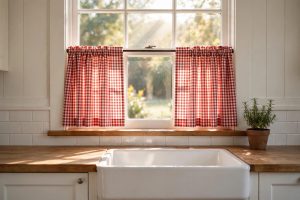
Custom Cafe Curtains for Kitchens for Sale: A Complete Buying Guide
May 27, 2026 0 views