
Winter is hard on water pipes. When the cold settles in, pipes in crawl spaces, garages, and outer walls can freeze. A frozen pipe can stop water flow. It can also burst and flood a home. This guide on heat tape for water pipes reviews USA covers what buyers say, how the product works, what it costs, and how to use it with care.
Why Frozen Pipes Matter
Water expands when it freezes. This puts force on the pipe wall. Copper, PEX, and plastic pipes can all split under this force. One burst pipe can spill hundreds of gallons into a wall or floor. Repair of water damage often costs far more than prevention.
Pipes freeze most often in cold spots. These include crawl spaces, attics, garages, and sheds. They also include pipes along outside walls. Homes in the north face the highest risk. But pipes can freeze in southern states too, when a hard freeze arrives.
Many owners read frozen pipe prevention tips before winter. Good habits help. Letting faucets drip is one habit. Opening cabinet doors is another. Heat tape adds a layer of protection where habits are not enough.
What Heat Tape Is: Heat Tape for Water Pipes Reviews Usa
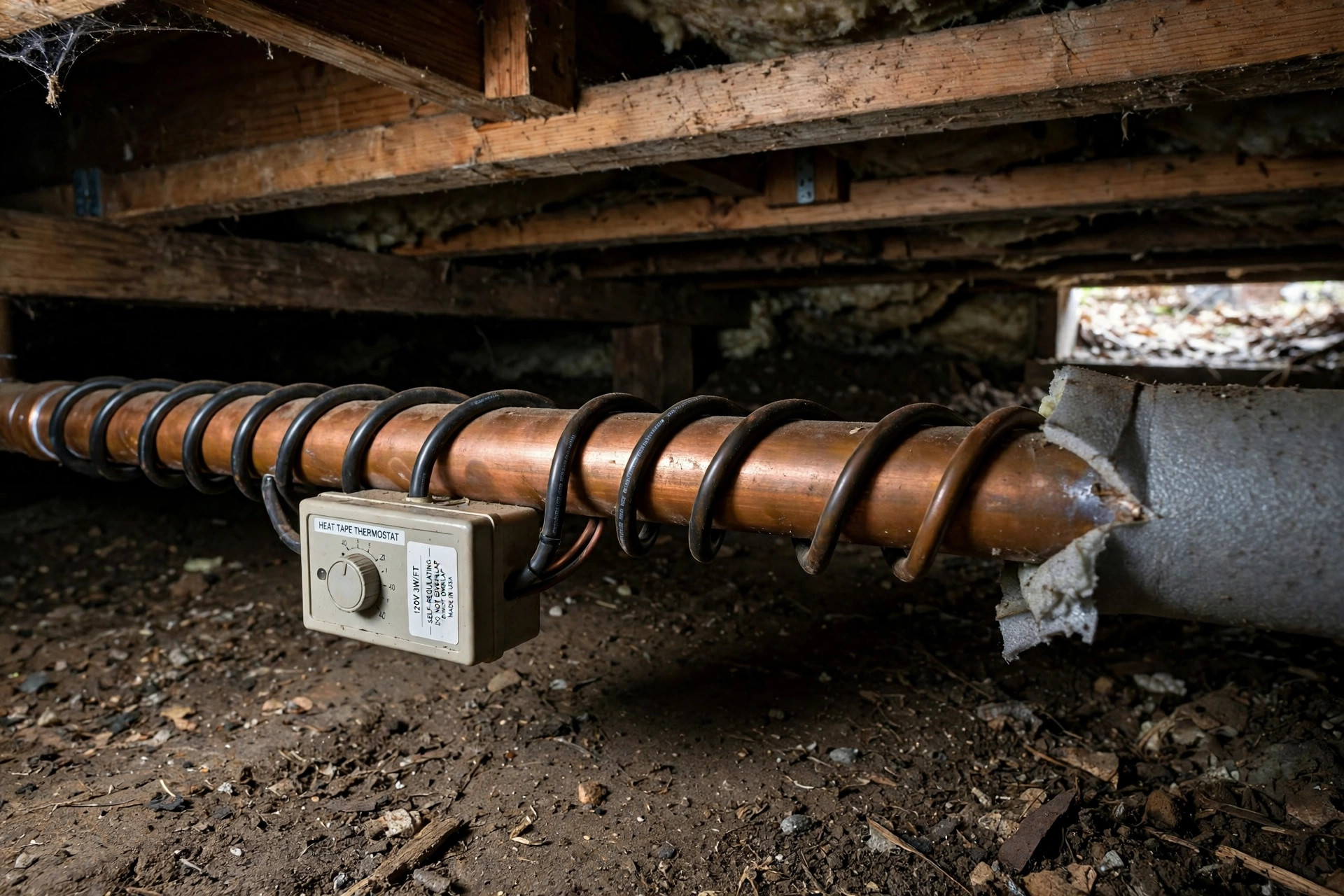
Heat tape is an electric cable that warms a pipe. It runs along the length of the pipe. It gives off steady heat. This heat keeps the water inside from reaching the freezing point. Many people also call it heat cable.
The tape plugs into a normal outlet. Some models turn on by themselves when the air gets cold. Others run all the time they are plugged in. Most models are sold in fixed lengths. Common lengths run from 3 feet to 100 feet. You must match the length to the pipe run. A cable that is too long cannot be cut short in most cases.
Heat tape works best as part of a system. Insulation goes over the tape. The tape makes heat. The insulation holds that heat near the pipe. Reviews from across the country stress this point. Tape without insulation wastes power and works poorly.
What Reviews Across the USA Say
Buyer reviews in the USA point to a few clear themes. First, owners are happy when the product fits the pipe. A well fitted cable keeps water moving through long cold snaps. Second, owners complain when the instructions are hard to follow. Clear labels and simple guides get better marks.
Third, self regulating cable gets the best words. Buyers call it safer and easier to live with. It adjusts its heat as the pipe temperature changes. Fourth, owners warn against cheap cable with no thermostat. It can overheat. It can also fail without warning.
Many reviews also mention pipe insulation for cold climates as a must have partner. Tape and insulation together beat either one alone. The pair costs more up front. It saves money and worry later.
Reviewers also note power use. Heat tape draws steady power in cold months. This shows up on the electric bill. Self regulating models draw less over a season. Most owners call the cost fair when weighed against one burst pipe.
Types of Heat Tape
Self Regulating Cable
Self regulating cable changes its output with the pipe temperature. Cold spots get more heat. Warm spots get less. This design resists overheating. It is the most popular type in reviews. It costs more at the store. Owners say the safety and ease are worth the price.
Constant Wattage Cable
Constant wattage cable gives off the same heat along its full length. It must be sized and installed with care. It can overheat if it crosses over itself. It can also overheat if buried under too much insulation. Some models include a thermostat to cycle the power. Reviews say it works well on straight pipe runs. Buyers advise reading the manual twice before install.
Preassembled Pipe Heating Cable
Some kits come ready to use. The cable is cut to length at the factory. The plug and thermostat are built in. You unroll it and tape it to the pipe. These kits are the easiest for first time buyers. Reviews praise the simple setup. The trade off is fixed length. You cannot trim the cable to fit.
How to Choose the Right Heat Tape
Start with the pipe. Measure the run you want to protect. Note the pipe material. Most heat tape works on metal and plastic pipe. Some models are not rated for PEX or PVC. Check the package before you buy.
Match the cable length to the pipe run. Do not coil extra cable. Do not let the cable cross itself. Overlapping can cause hot spots. Choose a length that lets you run the cable straight along the pipe. A spiral wrap is allowed by some makers. Follow their spacing guide if you wrap.
Look for a built in thermostat. A thermostat turns the cable on near 38 degrees. It turns the cable off near 50 degrees. This saves power. It also keeps the pipe safe in milder weather. Models without a thermostat need an outlet timer or manual control.
Check the certifications. Look for UL or ETL listing on the package. These marks show the product passed safety tests. A do it yourself magazine often reminds readers to buy listed products only. Uncertified cable is a poor place to save money.
Think about where the pipe sits. Outdoor spigots and roof gutters need weather rated cable. Basement pipes need a ground fault outlet. A home improvement magazine notes that ground fault protection is a key safety step in damp spots.
Cost and Price in the USA
Heat tape is not costly compared to plumbing repair. Small cables of 3 to 6 feet sell for about 25 to 45 dollars. Mid range lengths of 12 to 24 feet sell for about 50 to 90 dollars. Long runs of 50 to 100 feet sell for about 100 to 200 dollars. Self regulating cable sits at the high end of these ranges.
A large home improvement retailer and another home improvement retailer both carry wide selections. Prices shift with season. Cable sells out fast in late fall. Buying early often means better choice and lower price.
Power cost is modest but real. A short cable may draw 40 to 80 watts when running. Over a cold month this adds a few dollars to the bill. A thermostat keeps the draw lower. Insulation over the cable also cuts run time.
Hiring an electrician adds cost. If you need a new outdoor or crawl space outlet, expect to pay for the visit. Many owners install the tape themselves and hire help only for the outlet. That split keeps the job affordable.
Installation Basics
Turn off the job area first. Dry the pipe. The cable must sit flat against the pipe wall. Use the tape or clips that come in the kit. Do not use metal wire or metal tape to hold the cable. Metal can cut into the jacket and cause a short.
Run the cable along the underside of horizontal pipes. Heat rises. The underside position warms the whole pipe. On valves and elbows, add extra loops only if the maker allows it. Never cross the cable over itself.
Cover the cable with pipe insulation. Foam tube insulation is common. Fiberglass wrap is another choice. Seal the seams with tape made for insulation. Leave the thermostat, if it hangs off the cable, exposed to the air. Burying the thermostat under insulation can trick it.
Plug the cable into a ground fault outlet. Test the outlet first. In a crawl space, keep the plug off the ground if you can. Check the maker’s guide for outdoor rated boxes.
Care and Upkeep
Check the cable each fall before the cold arrives. Look for cracks in the jacket. Look for chew marks from mice. Look for flat spots from tight straps. Replace any cable that shows damage. Do not tape over a cut jacket and hope for the best.
Watch the outlet too. Ground fault outlets can trip in damp weather. A tripped outlet means no heat. Test the outlet monthly in winter. Some owners add a small plug in light as a signal. If the light is on, the cable has power.
Remove and inspect insulation once a year. Wet insulation loses its value. Wet insulation can also hide a failing cable. Dry the pipe and fit fresh insulation if the old wrap is worn.
If you sell the home, note the heat tape in your records. The next owner should know it is there. Note the outlet location and the cable length. This small note can save them trouble in the first winter.
Safety
Heat tape is safe when used as directed. Most problems come from poor install. Never overlap the cable. Never bury it in wall insulation unless the maker says you can. Never plug it into a damaged outlet.
Keep the cable away from sharp edges. Do not staple through it. Do not hang tools or storage items from it in a crawl space. Weight on the cable can break the inner wires.
Unplug the cable in spring if it has no thermostat. A cable left running in warm weather wastes power. It also ages faster. Coil it loosely if you store it. Tight coils can crack the jacket over time.
Federal guidance on home safety is worth a read. The U.S. Environmental Protection Agency posts advice on protecting homes in extreme weather. A major faucet maker, a well known fixture company, a leading plumbing products company, and a home water treatment company all publish care guides for pipes and fixtures. Their advice agrees on the basics. Protect exposed pipe. Act before the freeze.
Frequently Asked Questions
Does heat tape work on plastic pipes? Many models work on PEX and PVC. Check the rating on the package first. Some older cable was made for metal pipe only. When in doubt, pick a model that lists plastic pipe by name.
Can I leave heat tape plugged in all winter? Yes, if the model has a thermostat. The thermostat cycles the power as needed. Models without a thermostat should use a timer or manual control. Never leave a damaged cable plugged in.
How long does heat tape last? Most cable lasts three to five years. Harsh sun and damp spots shorten its life. Inspect it each fall. Replace it at the first sign of wear.
Will heat tape thaw a pipe that is already frozen? It can help, but it is slow. Heat tape is made to prevent freezing, not to fix it. For a frozen pipe, read a guide on how to thaw frozen pipes safely. Use gentle heat and patience. Never use an open flame.
Can heat tape go on a garden hose or spigot? Some kits are made for spigots and valves. A garden hose should be drained and stored for winter instead. Check the maker’s list of approved uses.
Does heat tape raise the electric bill a lot? A short cable adds a few dollars per cold month. A thermostat and good insulation keep the cost down. Owners in reviews call it cheap insurance next to the cost of a burst pipe.
Final Word
Heat tape is a simple tool with a clear job. It keeps water moving when the cold bites. Reviews across the USA agree on the basics. Buy listed cable. Size it right. Pair it with insulation. Check it each fall. Done with care, it is one of the cheapest ways to guard a home against winter damage.
References
Aquasana. (n.d.). Water filtration systems. https://www.aquasana.com Delta Faucet. (n.d.). Kitchen and bathroom faucets. https://www.deltafaucet.com Family Handyman. (n.d.). DIY home repair and maintenance. https://www.familyhandyman.com Kohler. (n.d.). Bathroom and kitchen fixtures. https://www.kohler.com Lowe’s. (n.d.). Home improvement products. https://www.lowes.com Moen. (n.d.). Faucets and plumbing fixtures. https://www.moen.com The Home Depot. (n.d.). Home improvement products. https://www.homedepot.com This Old House. (n.d.). Home renovation guidance. https://www.thisoldhouse.com U.S. Environmental Protection Agency. (n.d.). Protecting human health and the environment. https://www.epa.gov
Was this guide helpful?

About Sarah Mitchell
The My Garden US editorial team writes practical, in-depth home and garden guides for American homeowners — tested advice, no fluff.
You May Also Like
How to Thaw Frozen Pipes Safely: A USA Guide
February 1, 2026 0 views
Best Water Softener for Arizona Hard Water
April 22, 2026 0 views
Greywater System for Laundry Cost USA: What Homeowners Pay in 2026
January 15, 2026 0 views