
Introduction
Adding a bathroom to a basement ranks among the most useful home improvements an American family can make. It raises the value of the home, it serves guests, and it can turn an unused lower level into a bedroom, an office, or a full living space. The search for the best macerating toilet for basement usa usually starts with one hard fact: the basement floor sits below the main sewer line. A standard toilet relies on gravity, and gravity does not work upward.
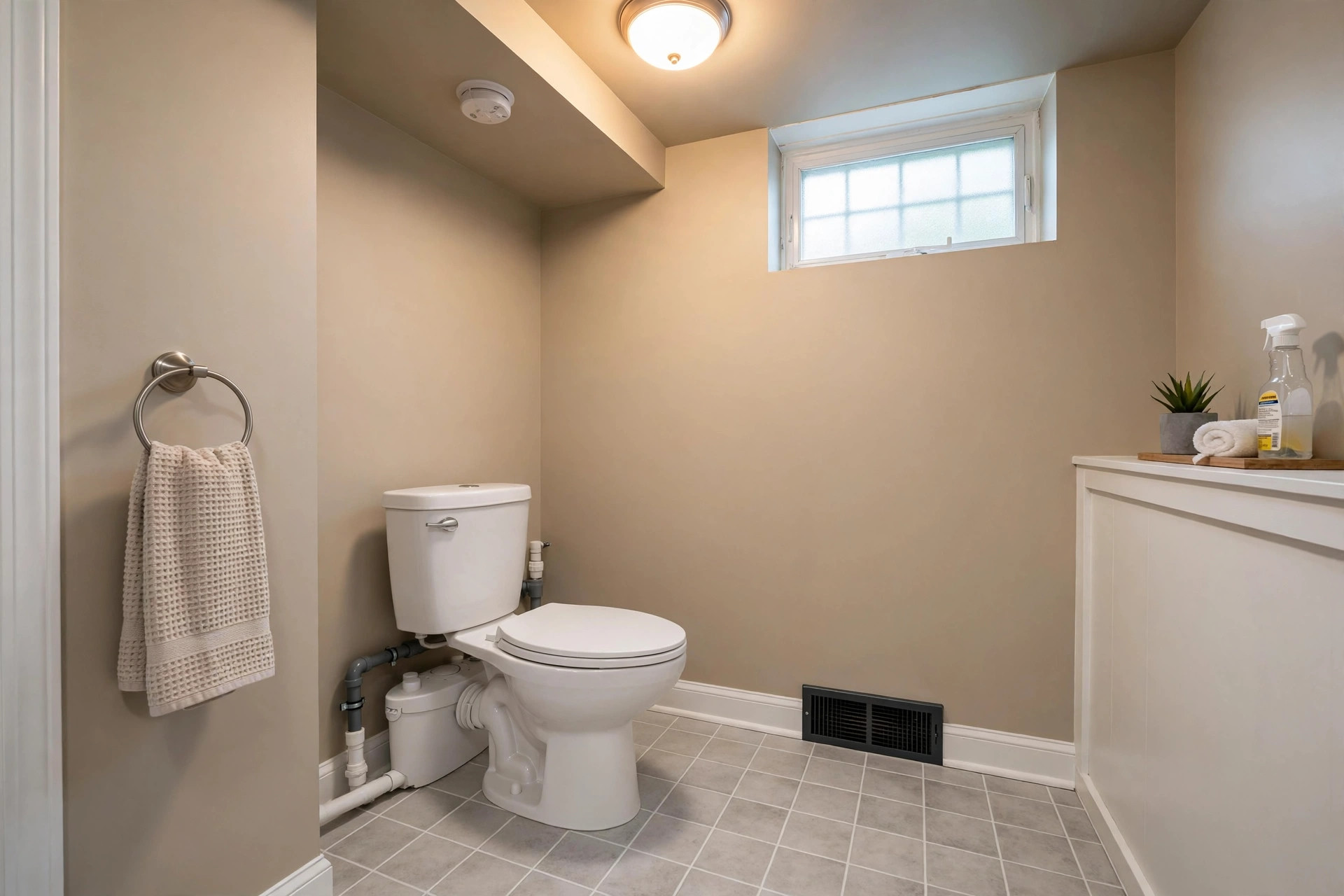
A macerating toilet solves this problem with a simple idea. The toilet connects to a small tank that holds a powerful motor and a set of steel blades. When the toilet flushes, the blades grind the waste and paper into a fine slurry. A pump then pushes the slurry through a narrow pipe, often only three quarters of an inch to one inch wide, up to the main drain line. This is the same basic design behind an upflush toilet system for basement installations, and it removes the need to break concrete or dig a deep pit.
This guide explains how macerating toilets work, what to look for when buying one, the main types on the market, and what the job is likely to cost. It also covers care, safety, and the most common questions homeowners ask before they buy.
Why a Macerating Toilet Makes Sense for a Basement: Best Macerating Toilet for Basement Usa
Breaking up a concrete slab to install a traditional gravity drain is the oldest way to add a basement toilet. It is also the hardest. The work is loud, it takes days, and the cost climbs fast when the plumber must cut through a thick floor, trench out the soil, and tie into the main line far below grade. In some older homes, the main sewer line runs so high that a gravity connection is almost impossible without major work.
A macerating unit avoids all of that. The pump sits in a compact box behind the toilet or built into its base. Discharge runs through small-diameter pipe that can travel horizontally for up to 150 feet in many models, and can climb 15 feet or more, which suits almost any basement layout. The unit needs only a cold water feed, a standard electrical outlet, and a path to the main drain or soil stack. Installation often takes a single day.
There is another advantage that owners value. Because the discharge pipe is small, it can run inside walls, along a ceiling joist, or through a rim joist with little cutting. When the basement already has finished walls, this matters a great deal. Homeowners who are weighing all their choices often compare a macerating toilet with a sewage ejector pump system, which uses a large pit and gravity drainage from the fixtures to the pit. The ejector handles more fixtures and higher flows, but it costs more and asks for more floor work. The best pump for basement bathroom additions depends on the size of the planned bathroom and the layout of the home.
What to Look for When Choosing
Pump Power and Lift Height
Every macerating pump carries two ratings that matter. The first is vertical lift, the height it can push waste upward. Most good units handle 12 to 15 feet, which covers a basement below a first floor with room to spare. The second is horizontal run, the distance the pump can push after the climb. Ratings of 100 to 150 feet are common. Check both numbers against your own home before you buy. A pump that is too weak for the run will strain, clog, and wear out early.
Noise Level
Macerating toilets make more sound than gravity toilets. The motor and the grinder run for several seconds with each flush. Older models were loud. Newer models carry better insulation and softer mounts, and many makers publish decibel ratings. If the toilet will sit near a bedroom or a home office, look for a unit rated as quiet. Reading product literature at a retailer such as Home Depot or Lowe’s can help you compare noise claims side by side.
Bowl Comfort and Flush Type
The bowl itself can be a standard round-front model or an elongated model that offers more comfort. Elongated bowls take more floor space, so measure the room first. Some units flush with a standard tank of water. Others use a pressure tank. Water use per flush matters in homes on septic systems and in areas with strict water rules. The EPA publishes water efficiency standards that are worth reading before you choose.
Venting Requirements
A macerating pump needs a vent to release air pressure as it fills and empties. Many units accept a small vent pipe tied into the home’s main vent stack. Some allow an air admittance valve where local code permits. Venting is not a detail to skip. Poor venting causes slow drains, bad smells, and short pump life. The guides at This Old House and Family Handyman both carry clear explanations of vent runs for below-grade plumbing.
Build Quality and Warranty
The grinder blades, the seals, and the motor take the heaviest wear. Look for stainless steel blades, a motor with thermal overload protection, and a warranty of at least two years. A longer warranty often marks a maker that trusts its own design. Established fixture makers such as Kohler, Moen, and Delta have long records in home plumbing, and their support lines are easy to reach.
Electrical Supply
Most units run on a standard 115-volt outlet. The circuit should be grounded and, in a basement, protected by a ground-fault interrupter. If the pump shares a circuit with other loads, the motor may trip the breaker when it starts. A dedicated circuit is the safest choice. Check with a licensed electrician if the panel needs new wiring.
Main Types of Macerating Toilets
All-in-One Units
In an all-in-one unit, the toilet and the macerating pump come as one piece. The pump hides inside the base or in a low-profile tank at the back. These units look the cleanest, close to a normal toilet. They cost more up front, and if the pump fails, the whole unit may need service at once. They suit homeowners who want a tidy look in a finished basement bath.
Rear-Tank Macerator Kits
The more common setup pairs a standard wall-hung or close-coupled bowl with a separate macerator tank that sits behind it. The tank can also accept waste from a sink and a shower, which turns the unit into a complete basement bathroom package. This is the most flexible type. Parts are easier to replace, and the bowl can be swapped for a different style later. When the plan includes a shower and a lavatory along with the toilet, a rear-tank kit is usually the right pick.
Compact and Corner Models
Some makers sell compact bowls sized for tight rooms, including corner units that fit where a full-size toilet cannot. These serve small powder rooms under stairs or in narrow basement halls. The pump ratings are the same, but the bowl is smaller. Check comfort before you commit to a compact bowl for daily use.
Systems With Backup Options
A few high-end units offer battery backup or alarm systems that warn of high water levels in the tank. Power outages stop the pump, and without power the tank cannot empty. An alarm gives warning before the tank overflows. In areas with frequent outages, this feature is worth the extra money.
Cost and Price Breakdown
Prices for macerating toilets in the United States vary with the type, the brand, and the power of the pump. A basic rear-tank macerator kit for a toilet alone often runs between 700 and 1,100 dollars. A full bathroom kit that handles a toilet, a sink, and a shower usually runs between 1,000 and 1,600 dollars. All-in-one units sit at the higher end, commonly 1,200 to 2,000 dollars.
Installation adds more. A simple swap where water, power, and a drain tie-in already exist may cost 500 to 900 dollars in labor. A full basement bathroom rough-in with new water lines, a new circuit, venting, and a long discharge run can cost 1,500 to 3,500 dollars. Total project costs of 2,500 to 5,000 dollars are common for a complete basement bathroom built around a macerating toilet.
These numbers sit well below the cost of breaking concrete for gravity drainage, which often starts at 5,000 dollars for the plumbing alone and climbs from there. That gap is the main reason macerating toilets win so many basement jobs. For homes that pair the toilet with filtered water for the whole house, resources at Aquasana describe how water treatment fits into a full plumbing plan.
Care and Upkeep
A macerating toilet asks for a few habits that differ from a normal toilet.
First, only flush human waste and toilet paper. Wet wipes, paper towels, cotton products, and feminine hygiene items will wrap around the blades and burn out the motor. Even wipes labeled as flushable cause trouble in macerating units. Keep a small trash bin beside the toilet for everything else.
Second, use a cleaner made for the unit. Harsh chemical drain openers can damage the rubber seals and the internal parts. Many makers sell a descaling cleaner that breaks down lime and waste buildup. Running a cleaning cycle every three to six months keeps the blades sharp and the tank fresh. Homes with hard water should clean more often.
Third, listen to the unit. A healthy pump runs for a few seconds with a steady hum. Grinding, rattling, or a run that goes on too long can signal a clog or a worn blade. Catching the problem early saves the motor.
Fourth, keep the area around the tank dry and clear. The unit has an electrical cord and a motor that needs air flow. Do not store boxes or chemicals against it. Check the discharge connections once a year for damp spots or loose clamps.
Fifth, know how to shut it down. If the power fails, limit flushing. The tank holds only a few flushes before it needs the pump. If the unit has a manual override or a service valve, learn its location before you need it.
Safety Points
Electrical safety comes first. The pump plugs into a grounded outlet, and basement outlets must carry ground-fault protection under most codes. Never run the cord under a rug or through standing water. If the basement floods, unplug the unit and do not use the toilet until a plumber checks it.
Backflow protection matters too. A good installation includes a check valve on the discharge line so waste cannot flow back into the tank when the pump stops. Ask the installer to confirm the check valve is in place and working.
Local plumbing codes govern what you can install. Some cities and counties require a permit for a macerating toilet, and some set rules on venting and discharge pipe size. A quick call to the local building office before the work starts can prevent an expensive redo. Product listings at major retailers often note which units carry the needed certifications for the United States.
Frequently Asked Questions
How long does a macerating toilet last?
With normal use and regular cleaning, a good unit lasts 10 to 15 years. The motor and blades are the parts most likely to wear. Heavy use, wrong flush habits, and hard water shorten the life. A unit from an established maker with replaceable parts can often be repaired rather than replaced.
Can a macerating toilet handle a full bathroom?
Yes. Most rear-tank units have extra inlets for a sink and a shower. The pump handles all three fixtures at once within its rated flow. For a bathroom with a tub, a laundry standpipe, or more than one toilet, a larger sewage ejector system may be the better choice.
Is a macerating toilet louder than a normal toilet?
It is louder for a few seconds during the flush cycle. The motor and grinder produce a mechanical hum that a gravity toilet does not. Quiet-rated models reduce the sound a great deal. A solid door and some distance from bedrooms make the difference small in daily life.
What happens during a power outage?
The pump needs electricity. Without power, the toilet can still be flushed a few times into the holding tank, but the tank will not empty. Once power returns, the next flush cycle pumps the stored waste out. A high-level alarm warns you before the tank fills.
Do macerating toilets clog often?
They clog less than many owners fear, as long as the house rules are clear. Almost every jam traces back to something that should not have been flushed. With only waste and toilet paper going in, and with a cleaner run a few times a year, clogs are rare.
Is a permit needed to install one?
It depends on where you live. Many jurisdictions treat a macerating toilet like any other plumbing fixture and require a permit and an inspection. Some are stricter about venting and backflow. Check with the local building department before the work begins.
A Short Final Word
The best macerating toilet for basement usa is not a single model. It is the unit that fits your lift height, your horizontal run, your room size, and your budget, from a maker that stands behind the product. Measure first, read the pump ratings with care, and hire a licensed plumber for the tie-in. Done right, a macerating toilet gives a basement the full comfort of an upstairs bathroom without the mess and cost of breaking concrete. It is a proven answer to a very old problem, and it has served American basements well for decades.
References
Aquasana. (n.d.). Water filtration systems. https://www.aquasana.com Delta Faucet. (n.d.). Kitchen and bathroom faucets. https://www.deltafaucet.com Family Handyman. (n.d.). DIY home repair and maintenance. https://www.familyhandyman.com Kohler. (n.d.). Bathroom and kitchen fixtures. https://www.kohler.com Lowe’s. (n.d.). Home improvement products. https://www.lowes.com Moen. (n.d.). Faucets and plumbing fixtures. https://www.moen.com The Home Depot. (n.d.). Home improvement products. https://www.homedepot.com This Old House. (n.d.). Home renovation guidance. https://www.thisoldhouse.com U.S. Environmental Protection Agency. (n.d.). Protecting human health and the environment. https://www.epa.gov
Was this guide helpful?

About Robert Taylor
The My Garden US editorial team writes practical, in-depth home and garden guides for American homeowners — tested advice, no fluff.
You May Also Like
Clogged Main Sewer Line Signs for Homeowners
February 27, 2026 0 views
Polybutylene Pipe Replacement Cost USA: What Homeowners Should Know
April 14, 2026 0 views
The Best Sediment Pre Filter for RO System USA: A Homeowner’s Guide
April 8, 2026 0 views