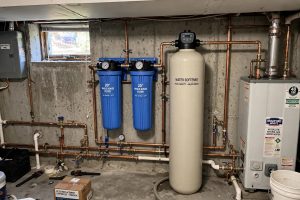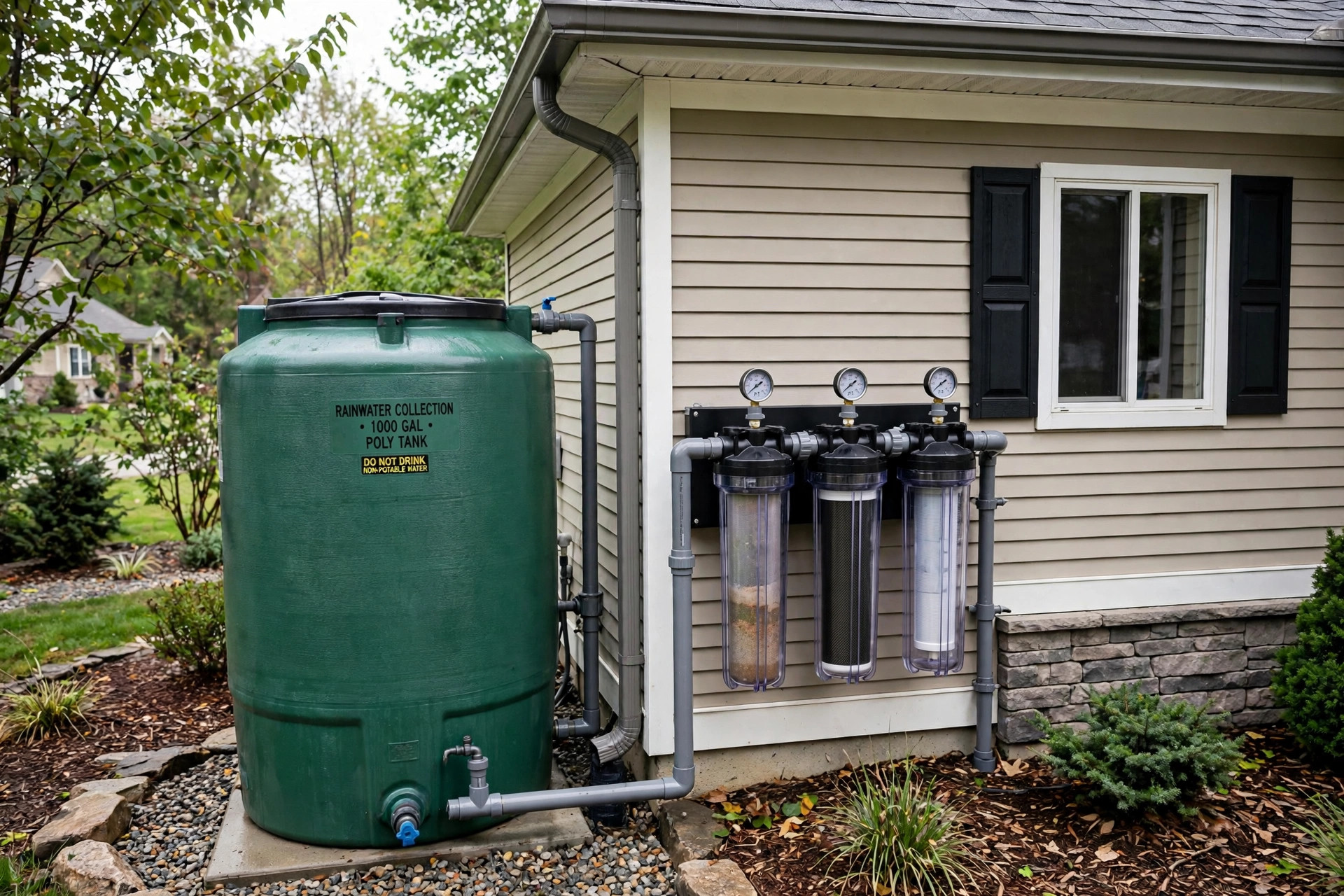

Rain falls free from the sky. Across the United States, more home owners now catch it and put it to work. A good roof, clean gutters, and a storage tank can collect thousands of gallons each year. But raw rainwater is not safe to drink straight from the tank. Dust settles on the roof between storms. Bird droppings wash into the gutters. Pollen, soot, and small bits of roofing flow down with every shower. That is why the best rainwater filtration system for home usa use must clean the water before it reaches a tap. A well built system takes out grit, leaves, and germs. It also clears up bad taste and odor. With the right set up, stored rain can water a garden, flush toilets, run a washing machine, and even fill the kitchen sink. This guide explains why filtration matters, what to look for, how much it costs, and how to keep the water safe year after year.
Why Rainwater Needs Filtration
Rain looks pure as it falls. It is not. On its way down it passes through the air and picks up dust and gases. Then it hits the roof. A roof is a wide catch sheet. Over days and weeks it gathers leaves, twigs, animal droppings, and fine grit from shingles. The first heavy rain of the season washes all of that into the gutters at once. A gutter cleaning guide explains how fast debris builds up on roof edges. Without a filter, that dirty water goes straight into the tank.
Inside the tank, new problems grow. Sunlight and warm water feed algae. Still water can breed mosquitoes. Sludge settles at the bottom. If the water sits for weeks, bacteria multiply. A whole-house water filter system for city water faces fewer surprises, since the city treats its supply. Rainwater owners do their own treating. Filtration stands between the roof and the glass.
Some states also set rules for rainwater use. A few states limit collection. Others allow it only for outdoor use unless the water meets drinking standards. Check local codes before you plan a system. A local plumber or county office can tell you what your town requires. For general plumbing fixture standards, Kohler and Delta Faucet publish helpful product and code information.
What to Look for When You Choose a System: Best Rainwater Filtration System for Home Usa
Buying the best rainwater filtration system for home usa shoppers starts with a clear list of needs. Systems range from a simple screen to a five stage plant. Match the system to your roof, your tank, and how you plan to use the water.
Filter Stages
Most good systems use more than one stage. The first stage catches large things. A leaf screen on the gutter keeps out twigs and leaves. A first flush diverter throws away the first gallons of a storm, which carry the most dirt. The next stage is a sediment filter. It stops sand and grit that slipped through. Then comes a finer filter or a carbon block. Carbon takes out bad taste, odor, and some chemicals. The last stage is disinfection. Ultraviolet light or chlorine kills germs. Homeowners who want drinking water should not skip this stage. A water filtration buying guide walks through each stage in plain terms.
Flow Rate and Home Size
A filter can only clean water as fast as it flows through it. If the pump pushes water faster than the filter can handle, dirt slips past. Check the flow rate of every filter in the chain. It is given in gallons per minute. Match it to your pump and to your peak use. A small cabin with one tap needs less flow than a family home with showers, laundry, and a garden line. Leave some margin for the days when everyone showers at once.
Third Party Testing
Look for filters tested by an independent lab. Labels such as NSF or ANSI on the box mean the filter was tested to a public standard. The test confirms the filter does what the maker claims. A system with no test mark is a gamble. Independent testing reports from groups like Consumer Reports can help you compare claims across brands.
How You Will Use the Water
Outdoor watering needs only light filtration. Plants do not mind a little dust. Toilets and laundry need cleaner water but not drinking grade. Drinking, cooking, and bathing need full treatment with disinfection. Decide the use before you buy. You can also split the system. Treat garden water lightly and treat drinking water through a under-sink water filter at the kitchen tap. This saves money and filter life.
Types of Rainwater Filtration Systems
Shoppers meet several common designs. Each suits a different budget and use.
Screen and sediment systems. These are the simplest. Gutter screens, a first flush diverter, and a sediment cartridge catch leaves and grit. Cost is low. They suit garden and lawn use. They do not kill germs.
Cartridge systems. These add carbon block and fine sediment cartridges in housings near the pump. They improve taste and odor and catch smaller particles. They suit laundry, toilets, and general indoor use. Cartridges need regular changes.
Ultraviolet disinfection systems. A UV lamp sits in a chamber that water passes through. The light kills bacteria and viruses without chemicals. Many drinking grade rainwater set ups pair UV with pre filters. The lamp needs power and yearly replacement.
Reverse osmosis units. These push water through a very fine membrane. They remove dissolved minerals, lead, and many chemicals. They work well as a final step for drinking water at one tap. They waste some water in the process and need good pressure.
Whole home treatment plants. These combine sediment filters, carbon, and UV in one rack that treats all water entering the house. They cost more up front but give one point of care. Owners who pair rainwater with a water softener for well water style mindset often choose this route, since they want every tap treated the same.
For storage parts such as tanks, pumps, and first flush diverters, big home stores like Home Depot and Lowe’s carry a wide range. A maker focused on home water treatment, such as Aquasana, shows how multi stage home systems are put together.
Cost and Price
Cost depends on size, stages, and who installs it. A basic screen and sediment set up for garden watering can cost a few hundred dollars. A mid range cartridge system for a family home often runs from one thousand to three thousand dollars for parts. Add professional installation and the total can reach four or five thousand. A full drinking grade system with UV disinfection and a quality pump often costs five to eight thousand dollars installed. Reverse osmosis drinking units at a single tap add several hundred more.
Ongoing costs matter too. Sediment cartridges may need changing every three to six months. Carbon cartridges often last six to twelve months. UV lamps are usually replaced once a year. A tank cleaning every year or two costs time or a service fee. Budget a few hundred dollars a year for parts and service. Well chosen systems keep these costs low because the pre filters protect the expensive final stages. Guides from This Old House and Bob Vila give steady advice on planning home plumbing budgets.
Care and Upkeep
A filter system only works if it is cared for. Set a schedule and keep to it.
Start with the roof and gutters. Clear leaves and debris each fall and after big storms. Clean gutters stop sludge from forming and reduce the load on every filter below. Repair broken shingles, since loose grit wears out cartridges fast.
Check the first flush diverter after heavy rain. Make sure it drains and resets. Look at the tank once a year. A dark sealed tank with a tight lid keeps out light and pests. If you see algae or smell a swamp odor, drain and scrub the tank. Some owners add a small amount of chlorine to stored water to stop growth, then filter it out before drinking.
Change cartridges on schedule. A clogged cartridge slows flow and can tear under pressure. Torn filters let dirt pass. Write the change dates on the filter housing with a marker. Check the UV lamp status light each month. A burned out lamp gives no warning in the water itself, so the light is your only clue. Keep spare cartridges and one spare lamp on hand. Test the water once or twice a year at a local lab, more often if anyone in the home is ill or the water changes in taste, color, or smell.
Safety and Health
Rainwater can carry real hazards. Bird and animal droppings can hold bacteria such as E. coli and Salmonella. Roof runoff can carry lead from old flashing or paint. In farm country, spray drift can land on roofs. In cities, soot and traffic fumes settle on shingles. Children, older adults, and people with weak immune systems face the most risk from dirty water.
Never drink unfiltered tank water. Do not let small children play in open tanks or cisterns. Seal every tank opening with a fine mesh screen to keep out mosquitoes and rodents. Keep the tank away from septic fields and chemical storage. If a storm damages the roof, treat the next tank full with extra care and test it before drinking.
Disinfection is the key step for drinking use. UV light and chlorine both work when sized right. Boiling is a solid backup during power cuts or after a long still period. If the water ever smells foul or looks cloudy, stop drinking it until you find the cause. When in doubt, test first and drink later.
Frequently Asked Questions
Is rainwater safe to drink with a good filter?
Yes, if the system is complete and cared for. It needs pre filtration, fine filtration, and disinfection. Test the water each year to confirm. Do not drink water that skipped any stage.
How often should I change the filters?
Sediment cartridges often last three to six months. Carbon cartridges often last six to twelve months. Heavy leaf fall or a dusty roof shortens their life. Watch the flow. When it drops, the cartridge is full.
Can I use rainwater for my whole house?
Many families do. You need a large enough tank, a strong pump, and a full treatment rack. Size the system for your driest months. A backup water source is wise for long dry spells.
Do I need a permit to collect rainwater?
Rules vary by state and town. Most states allow collection. Some set limits on tank size or on indoor use. A few require permits for large systems. Check with your county office before you build.
Will a rainwater system work in winter?
It can, with care. Tanks and pipes can freeze and burst. Bury pipes below the frost line or heat trace them. Place the tank where it stays above freezing, or drain outdoor parts before hard frost.
How long does stored rainwater last?
With a sealed dark tank and light treatment, water keeps for many months. Without care, algae and bacteria grow in weeks. Regular testing and yearly tank cleaning keep it fresh.
A Final Word
The best rainwater filtration system for home usa use is the one that fits your roof, your family, and your budget, and that you will care for year after year. Start with clean gutters and a sealed tank. Add the right stages for the use you plan. Test the water and change cartridges on time. Rain is free, but safe rain takes steady work. Done right, your home can turn every storm into water you trust.
References
Aquasana. (n.d.). Water filtration systems. https://www.aquasana.com Bob Vila. (n.d.). Home improvement advice. https://www.bobvila.com Consumer Reports. (n.d.). Product reviews and ratings. https://www.consumerreports.org Delta Faucet. (n.d.). Kitchen and bathroom faucets. https://www.deltafaucet.com Family Handyman. (n.d.). DIY home repair and maintenance. https://www.familyhandyman.com Kohler. (n.d.). Bathroom and kitchen fixtures. https://www.kohler.com Lowe’s. (n.d.). Home improvement products. https://www.lowes.com The Home Depot. (n.d.). Home improvement products. https://www.homedepot.com The Spruce. (n.d.). Home and garden advice. https://www.thespruce.com This Old House. (n.d.). Home renovation guidance. https://www.thisoldhouse.com
Was this guide helpful?

About Emily Rodriguez
The My Garden US editorial team writes practical, in-depth home and garden guides for American homeowners — tested advice, no fluff.
You May Also Like
Best 50 Gallon Gas Water Heater Reviews USA: A Complete Buying Guide
April 8, 2026 0 views
Chlorinating a Well Step by Step Guide USA
January 24, 2026 0 views
PEX vs Copper Plumbing Cost Comparison USA: Which Pipe Saves You Money
July 28, 2026 0 views