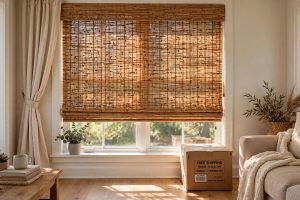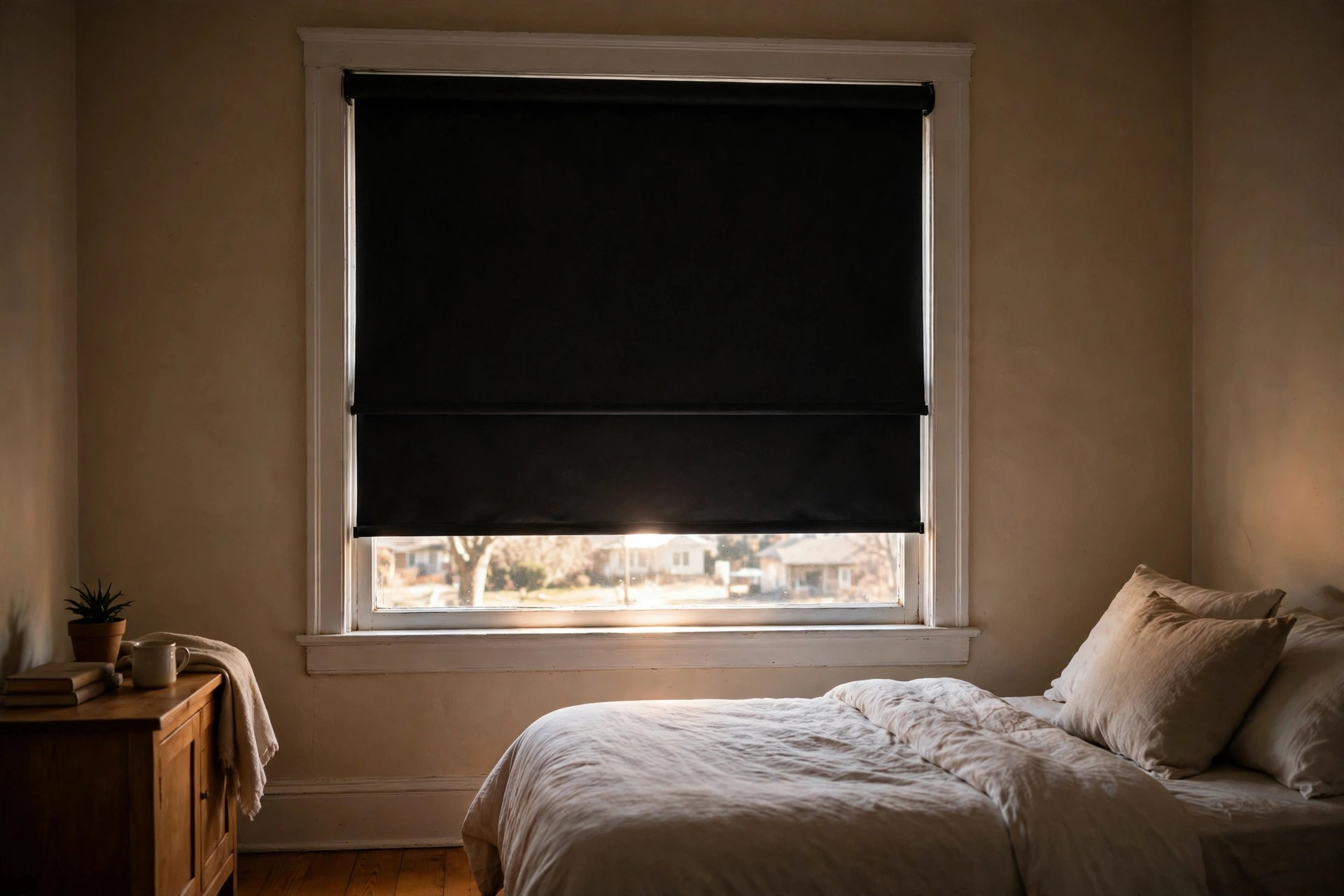

A good window shade does more than block light. When shoppers look for energy efficient blackout roller shades for sale, they want two things at once: a dark room for sleep and a window cover that helps hold heat inside in winter and keep it out in summer. This guide explains what these shades are, why they matter, how to choose them, what they cost, and how to care for them.
Why Energy Efficient Blackout Shades Matter
Windows are a weak point in most homes. A single glass pane lets heat pass with ease. Even good double pane glass leaks more heat than a solid wall. A proper shade acts as a second layer and slows that loss.
Light Control
Blackout shades block nearly all outside light. That matters for bedrooms and for rooms where people watch television in the daytime. Shift workers, who sleep while the sun is up, gain from true blackout most of all.
Temperature Control
Energy efficient shades add a layer of still air between the fabric and the glass. Some use a foam or reflective backing that slows heat flow. In winter, less warm air escapes. In summer, less hot air enters. The room stays nearer the set point of the thermostat, and the heating and cooling system works less.
Savings on Energy Bills
No shade pays for itself in a week. Over months and years, lower demand on the furnace and the air conditioner shows up on the bill. The gain is largest on windows that face east or west, where low sun strikes the glass in morning and evening.
What to Look For When You Shop: Energy Efficient Blackout Roller Shades for Sale
The words “energy efficient blackout roller shades for sale” cover a wide range of goods. Look past the headline and check the facts.
Fabric and Backing
The fabric decides how much light passes and how much heat moves. True blackout fabric has a dense weave or a coated back that stops light. For energy value, look for shades with a thermal layer, a foam core, or a light colored back that reflects summer sun. Dark fabric looks rich but absorbs heat; a white or silver backing throws it back.
Fit and Mounting
A shade that leaves wide gaps at the sides lets light and air slip past. An inside mount, set within the frame, looks neat but leaves a small light gap. An outside mount, fixed above and beyond the frame, covers the full opening and seals better. For the best result, measure with care and choose the mount that fits the window trim.
Operation Style
Roller shades come in corded, cordless, and motorized types. Cordless lift systems use a spring or a bottom rail pull and suit homes with small children. Motorized shades run on batteries or house current and can join a timer. A shade on a timer can close itself before the hot afternoon sun arrives.
Ratings and Labels
No single label covers every shade, but the Energy Star program marks products built to save energy. The U.S. Department of Energy publishes plain guidance on window treatments and heat control. Check maker claims against these sources before you buy.
Types and Options
Not all blackout roller shades work the same way. The main choices follow.
Standard Roller Shades
A single sheet of fabric winds onto a roller tube. A pull chain, a spring, or a motor lifts and lowers it. These shades are simple, clean, and low in cost. With a thermal backing, they serve the energy goal well.
Dual Shades
A dual shade pairs a blackout layer with a sheer or light-filtering layer on one headrail. The sheer layer softens daylight for daily use. The blackout layer drops down for sleep or for hot afternoons. Two layers cost more, but they suit rooms that need both soft light and full dark.
Motorized and Smart Shades
Motorized shades lift by remote control or by phone app. Some pair with home hubs and follow a schedule. A shade that closes at noon on a west window cuts the peak load of the air conditioner. Battery packs keep the look free of wires.
Custom Versus Ready Made
Ready made shades come in set widths and fit standard windows. They cost less and ship fast. Custom shades are cut to the exact size and offer more fabrics. Wide windows, arches, and old frames that are out of square often need custom work. For odd windows, care guides from The Spruce and build guides from Bob Vila give clear measuring steps.
Cost and Price
Prices for energy efficient blackout roller shades for sale vary with size, fabric, and features.
Ready Made Prices
A small ready made blackout roller shade with a thermal back often sells for twenty to sixty dollars. Larger widths and better fabrics push the price to eighty or more. Big home centers such as Home Depot and Lowe’s stock these in store and online.
Custom Prices
Custom shades start near one hundred dollars per window and rise with width and fabric grade. A tall or wide window can reach two or three hundred dollars. Motorization adds fifty to one hundred fifty dollars per shade.
Where to Buy
Shoppers can buy in store or online. Stores let you feel the fabric and see the color in daylight. Online sellers such as Wayfair offer a wide range of sizes and ship to the door. IKEA sells plain roller shades at low prices that suit renters. Design sites such as HGTV show how these shades look in finished rooms, which helps with color choice.
Getting Value
The cheapest shade is not always the best buy. A shade with a good thermal backing, a straight roll, and a solid lift system lasts longer. Read the return policy. Check whether the maker covers the mechanism for at least a year. For a full house of windows, ask about volume pricing or seasonal sales.
Care and Upkeep
Blackout roller shades need little care, but a few habits keep them working well.
Dusting
Dust the fabric with a soft cloth or a vacuum fitted with a brush head. Work from top to bottom. A monthly pass stops dust from settling into the weave.
Spot Cleaning
Most shades spot clean with a damp cloth and mild soap. Test a hidden corner first. Avoid strong cleaners and bleach, which can harm the coating. Let the shade dry fully before rolling it up, or damp fabric can stick.
Mechanism Checks
Once a year, lift and lower each shade fully. Listen for rough spots in the roll. Oil is not needed and can stain the fabric, so keep the tube clean and dry. Tighten the mounting brackets if the shade starts to slip.
When to Replace
A shade that will not stay down, rolls crooked, or shows worn spots on the backing has reached its end. Old fabric may pass light where the coating has cracked. Replace worn shades rather than patch them.
Safety
Window shades have caused harm in homes with small children, so safety rules matter.
Cord Safety
Loose cords and loops can trap a small child. The U.S. Consumer Product Safety Commission has set rules for corded window coverings. Cordless shades remove the risk. If you keep corded shades, use cord cleats to hold cords high and out of reach, and keep cribs and beds away from windows.
Heat and Fabric
Some blackout fabrics have a foil or foam back. Keep these fabrics away from high heat sources such as space heaters. A shade near a heater should hang clear of it by a safe margin.
Fire Safety
Shades are fabric and can burn. Do not hang them where they can touch a hot stove or an open flame. In rooms with candles, keep flames well clear of the window.
Buying Tips for Each Room
Different rooms ask for different traits.
Bedrooms
Pick true blackout with an outside mount for the darkest sleep. A soft color suits the calm mood of a bedroom. Cordless lift is best where small children sleep. If the room runs hot in summer, choose a white or reflective backing.
Living Rooms
Dual shades fit living rooms well. The sheer layer gives soft daylight for reading. The blackout layer drops for afternoon sun or movie time. Match the fabric color to the sofa or the walls for a settled look.
Kitchens
Kitchens hold steam and grease. Choose a shade with a smooth fabric that wipes clean. Keep the shade clear of the stove. A light color lifts the small space.
Home Offices
Glare on a screen slows work. A blackout roller shade cuts glare at will. A light-filtering layer gives daylight without the hard beam. Mount the shade to cover the full frame so no stripe of sun crosses the desk.
Nurseries
In a nursery, safety comes first. Cordless or motorized shades are the right pick. True blackout helps naps in the daytime. Choose fabrics that clean with ease, since young children mark walls and shades alike. For ideas on safe window covers, readers often compare prices for blackout curtains for humid bedrooms and check washable curtain options for rooms that need frequent cleaning.
How These Shades Help in Each Season
The same shade works through the year, but the gain shifts with the season.
Winter
In winter, close the shades after sunset. The fabric and the still air behind it slow heat loss through the glass. On sunny days, open south facing shades to let free warmth in, then close them before dusk.
Summer
In summer, keep shades closed on east windows in the morning and on west windows in the afternoon. A reflective backing throws the sun back before it heats the room. The air conditioner then runs fewer hours.
Spring and Fall
In mild weather, use the shades for light control more than heat control. Open them on bright days to lift the mood of the room. Close them at night for privacy.
What to Ask Before You Buy
A short list of questions saves trouble later.
First, ask for the fabric sample. Color looks different in store light than in home light. Hold the sample to the window at noon and at dusk.
Second, ask how the shade mounts. Confirm whether the brackets fit the depth of the frame. Ask whether an outside mount will clear the trim.
Third, ask about the return terms. Shades cut to size often cannot return, so measure twice. Ready made shades should carry a fair return window.
Fourth, ask about the warranty on the lift system. Motors and springs wear with use. A written warranty shows the maker stands behind the part.
Fifth, ask about lead time. Custom shades can take two to four weeks. If a move or a guest visit sets a date, order early.
Shoppers who compare film and fabric options may find a window film privacy tint price comparison useful before they settle on shades.
A Short Word on Installation
Most roller shades install with simple tools. A drill, a level, and a tape measure cover most jobs. Mark the bracket spots with a pencil. Set the brackets level, or the fabric will roll crooked. Test the lift before you hang curtains or valances over the shade. If the window is out of square or the frame is old plaster, a handyman can set the brackets true in under an hour. Do it yourself guides from The Spruce walk through each step with pictures.
Frequently Asked Questions
Do blackout roller shades really save energy?
They help, but they are one part of a full plan. A shade with a thermal backing slows heat flow through the glass. The gain is real on windows that face the hot sun or the cold wind. Pair shades with sealed frames and good glass for the best result.
What is the difference between blackout and room darkening?
Blackout blocks nearly all light when fitted well. Room darkening cuts most light but lets a soft glow pass at the edges. For full dark, choose true blackout with an outside mount that covers the frame.
Are motorized shades worth the extra cost?
They suit homes with many windows or hard to reach windows. A timer can close shades at the hot hour each day without a thought. For one or two windows, a hand lift costs less and works fine.
Can I install these shades myself?
Most homeowners can. The job needs a drill, a level, and care in measuring. Follow the maker guide step by step. If the frame is out of square, call a handyman for a clean fit.
How do I clean blackout roller shades?
Dust them with a soft cloth or a brush head on the vacuum. Spot clean with a damp cloth and mild soap. Let the shade dry before rolling it up. Keep strong cleaners away from the backing.
How long do energy efficient roller shades last?
A good shade lasts five to ten years with light care. Sun, dust, and daily use wear the fabric and the lift. Replace shades when the backing cracks or the roll runs crooked.
Final Word
Energy efficient blackout roller shades for sale give a plain, honest value: dark rooms for rest and a steady check on heat loss through glass. Pick a true blackout fabric with a thermal backing. Fit it well to the frame. Choose cordless or motorized lift for safety and ease. Care for the fabric and the roll. Bought with care and set with care, these shades will serve the home through many seasons.
References
Bob Vila. (n.d.). Home improvement advice. https://www.bobvila.com ENERGY STAR. (n.d.). Energy efficient products. https://www.energystar.gov HGTV. (n.d.). Home and garden ideas. https://www.hgtv.com IKEA. (n.d.). Home furnishings. https://www.ikea.com Lowe’s. (n.d.). Home improvement products. https://www.lowes.com The Home Depot. (n.d.). Home improvement products. https://www.homedepot.com The Spruce. (n.d.). Home and garden advice. https://www.thespruce.com U.S. Consumer Product Safety Commission. (n.d.). Product safety information. https://www.cpsc.gov U.S. Department of Energy. (n.d.). Energy efficiency and renewable energy. https://www.energy.gov Wayfair. (n.d.). Furniture and home goods. https://www.wayfair.com
Was this guide helpful?

About Michael Thompson
The My Garden US editorial team writes practical, in-depth home and garden guides for American homeowners — tested advice, no fluff.
You May Also Like
Affordable Light Filtering Roller Shades Buying Guide
April 11, 2026 0 views
Top Rated Sheer Linen Curtains for Texas Homes
June 15, 2026 0 views
Navy Blue Velvet Curtains Price Comparison USA
April 23, 2026 0 views