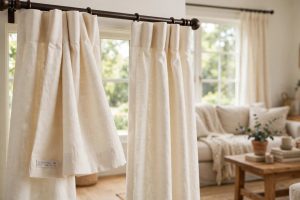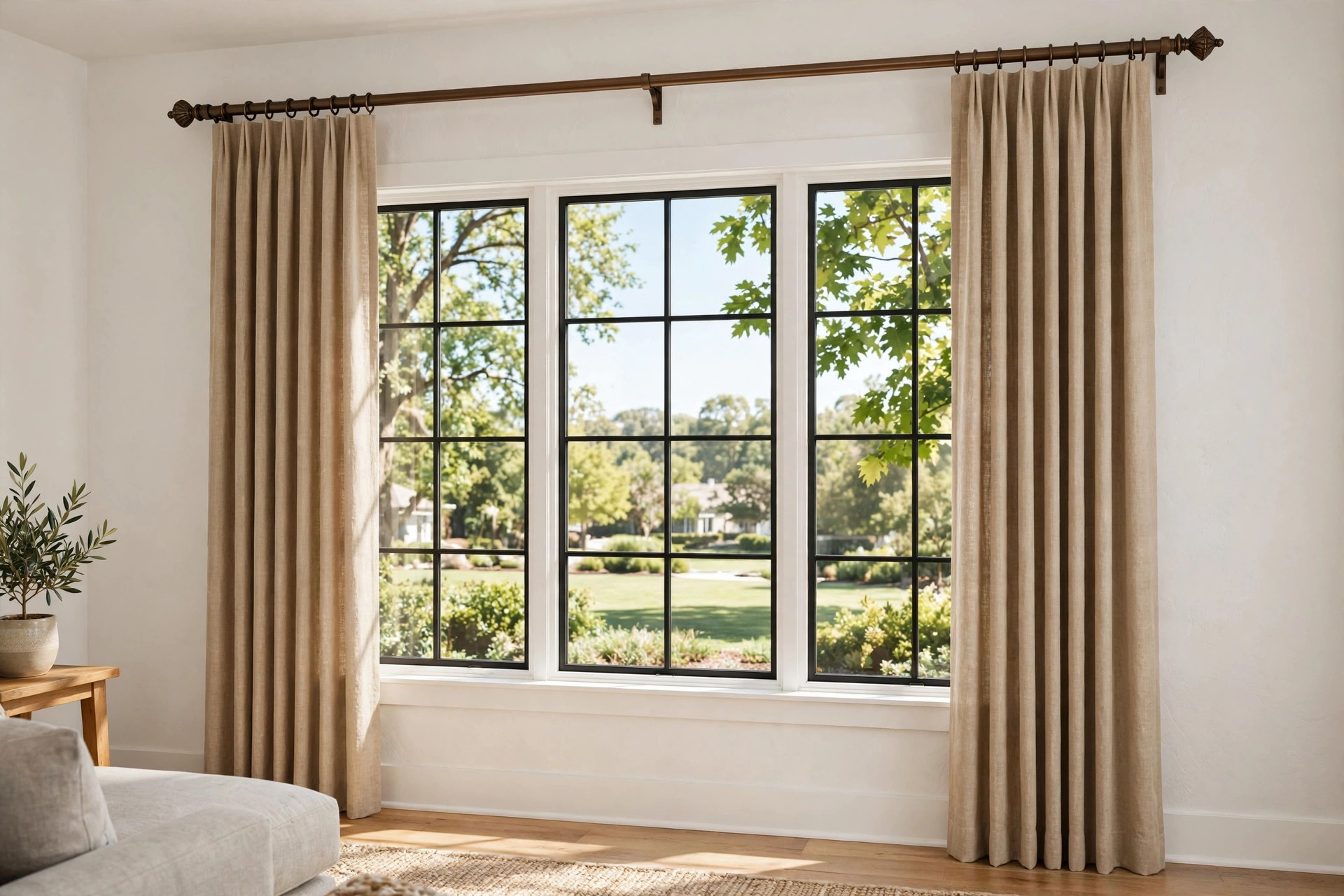

This curtain rods and hardware price comparison usa guide was written for American shoppers who want honest numbers. Curtain rods look simple. They are a rod, two brackets, and two end caps. Yet prices run from five dollars to five hundred. This guide explains why. It compares what big stores charge. It shows where the extra cost goes. And it helps you pick the right set for your window without paying too much.
Why This Comparison Matters
Most buyers spend more time choosing curtains than choosing the rod. That is a mistake. A weak rod bends under heavy drapes. A cheap bracket pulls out of drywall. A thin finish flakes within a year. The hardware carries the full weight of the fabric. It also frames the window. Guests see the rod before they see the cloth.
A careful curtain rods and hardware price comparison usa buyers make before purchase saves real money. Rod sets sold as kits often cost less than the same parts sold one by one. Store brands copy name brands at half the price. But not every low price is a bargain. Some cheap rods use hollow tubes so thin they dent when you tighten the bracket screw. Some use plastic finials painted to look like metal.
The price gaps are wide. A basic tension rod for a narrow bathroom window can cost under ten dollars. A double traverse rod for a wide living room window with heavy velvet drapes can pass two hundred. Knowing the range before you shop keeps you from buying twice.
What to Look for When You Choose: Curtain Rods and Hardware Price Comparison Usa
Measure First
Measure the window frame, not the glass. Add eight to twelve inches on each side. This lets the curtains rest over the wall instead of covering the glass. A wider mount makes the window look larger and lets in more light. Measure twice. Many rods adjust in length, but they sag past certain spans.
Check the Diameter
Rod diameter runs from half an inch to about one and a half inches. Thin rods suit sheers and light cotton panels. Thick rods suit lined drapes and heavy fabrics. For spans over six feet, a one inch rod or larger is the safer pick. Center brackets support long spans and stop the middle from bowing.
Read the Weight Rating
Good listings state a weight rating. Light panels need little support. A pair of lined blackout drapes can weigh twenty pounds or more. Check the rating before you fall in love with a finish. Blinds.com and other large sellers list weight limits on most rod pages, which helps shoppers match rod to fabric.
Pick the Mount Type
Standard brackets mount above the frame. Inside mounts fit inside deep window frames. Ceiling mounts hang from above and suit floor to ceiling drapes. Tension rods press between two walls and need no screws. Each mount type has a price band of its own.
Match the Finish to the Room
Brushed nickel and chrome fit modern rooms. Oil rubbed bronze and matte black fit farmhouse and traditional rooms. Brass and antique gold fit formal rooms. Finish affects price more than most buyers expect. A hand applied bronze finish on solid metal costs far more than spray painted plastic.
Types and Options
Standard Rod Sets
A standard set has an adjustable rod, two or three brackets, finials, and screws. These sets hang most curtain styles: rod pocket, grommet, tab top, and back tab. Prices for full sets run from about twelve dollars for a basic metal set to over one hundred for designer brands. IKEA sells plain, low cost sets that suit simple rooms, while big box stores carry a wide middle range.
Tension Rods
Tension rods fit inside the window frame with a spring or twist lock. No tools are needed. They suit light cafe curtains and shower liners. They cannot hold heavy fabric. Prices run from about six to twenty five dollars. For renters, they are the lowest risk choice.
Traverse Rods
Traverse rods use a cord or wand to pull drapes open and shut. Hotels and offices use them. Home buyers use them for wide windows and heavy lined drapes. Corded models cost more than wand models. Prices run from about forty dollars for plain white metal to well over two hundred for custom lengths. If small children live in the home, check the Consumer Product Safety Commission cord safety guidance before choosing a corded model.
Double Rods
Double rods hold two layers: a sheer layer for day and a drape layer for night. Brackets hold both rods at once. This is a popular pick for living rooms and bedrooms. Double sets cost about ten to twenty dollars more than single sets of the same brand and finish.
Decorative Finials and Holdbacks
Finials are the end caps. Glass, crystal, wood, and forged metal finials each change the look and the price. Replacement finials sell from a few dollars to over fifty each. Holdbacks are small wall hooks that gather curtains to the side. They run from about five to thirty dollars per pair.
Cafe and Sash Rods
Cafe rods are short. They hang only the lower half of a window. They suit kitchens and bathrooms. Sash rods mount flat on the door or window itself. Both are small and cheap, often under fifteen dollars per set.
Cost and Price: Store by Store
Budget Stores and Online Catalogs
The lowest prices sit at big online catalogs and discount stores. A 48 to 84 inch basic metal rod set often lists between ten and twenty dollars. Plastic finials and light brackets keep the cost down. These sets work for light and medium curtains in low use rooms. Shoppers browsing Wayfair will find hundreds of such sets with wide price swings for nearly identical looks, so reading the listed rod diameter and material matters.
Home Improvement Warehouses
Home Depot and Lowe’s sell both store brands and name brands. Their mid range sets run from about twenty to sixty dollars for standard lengths. The advantage here is inspection. You can lift the rod in the aisle and feel its weight. Heavier rods with welded bracket plates usually outlast light hollow ones. Both chains run frequent sales, so a set priced at fifty dollars this week may drop to thirty five next week.
Specialty and Decor Retailers
Specialty decor stores charge for design. Prices start near forty dollars and climb past one hundred fifty for solid metal rods with hand finished details. The step up in quality is real: thicker tubes, machined finials, and brackets with metal anchors instead of plastic. For a formal dining room or a large picture window, this tier can be worth it.
Custom and Designer Hardware
Custom rods are cut to exact length and matched to exact finishes. Prices run from about one hundred fifty dollars to well over five hundred per window. This tier suits odd window sizes, bay windows, and arched windows. Most American homes never need it. Measure first, and buy standard where you can.
The True Cost Per Window
Add up every piece. A common mistake is to price the rod and forget the brackets, rings, and finials. A twenty dollar rod that needs twelve dollar brackets and ten dollar rings is a forty two dollar window. A forty five dollar kit that includes all three is the cheaper pick. Always compare full window cost, not rod cost alone.
For a clear sense of how full kits price out against piecemeal buying, many buyers find that a sheer linen curtains price comparison usa read alongside this guide shows the same pattern: sets beat separate parts almost every time.
Care and Upkeep
Metal rods need little care. Dust them when you clean the curtains. Wipe fingerprints from polished finishes with a soft dry cloth. Do not use harsh cleaners on bronze or brass finishes. They can strip the coating and leave bright spots.
Check bracket screws once a year. Houses settle. Screws loosen. A bracket that wobbles will pull out of drywall in time. Tighten screws by hand. Do not over tighten, or you will strip the anchor.
Wood rods can dry and crack in heated rooms. A light coat of furniture oil once a year keeps them sound. Keep wood rods out of bathrooms. Steam and splash warp the wood and loosen the finish.
Tension rods lose spring tension over time. If a tension rod starts to slip, twist it tighter. If it still slips, the spring is worn. Replace it. A fallen tension rod can break a lamp or crack a sill on the way down.
Corded traverse rods need the most care. Keep the cords untangled and free of dust. Lubricate the track lightly once a year with a dry silicone spray. Replace worn cords before they snap.
Safety
Safety starts with weight. Never hang curtains heavier than the rod’s stated rating. A rod that fails drops fabric, brackets, and screws from height. Over a crib or a child’s bed, that is a real hazard.
Anchor into studs where you can. For drywall, use rated toggle bolts or metal anchors, not plain plastic plugs. This matters most for wide spans and heavy drapes. If you are unsure where the studs are, a cheap stud finder pays for itself on the first window.
Corded traverse rods and looped cords carry a strangulation risk for small children. The Consumer Product Safety Commission urges parents to use cordless products where children sleep and play. Wand operated and motorized rods remove the risk entirely.
Finials deserve a safety note too. Heavy glass or crystal finials on a rod mounted high can hurt if they fall. Make sure finials screw on tight. Check them when you tighten the brackets each year.
Renters should check lease rules before drilling. Many leases allow small holes that can be patched. Tension rods avoid the question entirely.
Frequently Asked Questions
How much should I expect to pay for one window?
For a standard 48 to 84 inch window with medium weight curtains, most American buyers pay between twenty and sixty dollars for a full rod set. Light sheers on a tension rod can cost under ten. Wide windows with heavy drapes and designer hardware can pass two hundred.
Are expensive curtain rods worth the money?
They can be. The jump from a fifteen dollar set to a sixty dollar set buys real quality: thicker metal, better brackets, and a finish that lasts. The jump from sixty to two hundred mostly buys design. For a primary living space, the middle tier is the sweet spot. For spare rooms, the low tier is fine.
Can I mix brands for rods and brackets?
Yes, if the diameters match. A one inch rod needs one inch brackets. Finish matching is the hard part. Nickel from one brand may look different from nickel of another. When in doubt, buy the set.
How far should the rod extend past the window?
Eight to twelve inches on each side is the common rule. This keeps the curtain stack off the glass and makes the window look wider. For very narrow windows, four to six inches per side still helps.
Do I need a center bracket?
For rods over about six feet, yes. A center bracket stops the rod from sagging in the middle. Long rods without center support bow within months under lined drapes. Most long sets include the extra bracket.
Where can I compare prices fastest?
Online catalogs let you line up prices in minutes. Consumer Reports testing notes and The Spruce buying guides help you read past marketing claims. In store, bring your window measurements and compare the rod weight in your hand. Heavier usually means better at the same price.
Home design coverage from HGTV and how to guides from Bob Vila show how rod choice changes the look of a finished room, which helps you decide how much design matters for each window.
If you are pairing new hardware with new panels, a luxury blackout curtains for bedrooms buying guide covers the heavy fabrics that need the strongest rods. And for kitchen windows, our notes on where to buy valances for windows in arizona show how short rods price out in warm climate homes.
A Short Final Word
A curtain rods and hardware price comparison usa shoppers can rely on comes down to three habits. Measure the window first. Compare the full window cost, not the rod alone. And match the rod’s weight rating to the fabric. Do these three things and you will buy once, hang once, and enjoy the room for years.
References
Blinds.com. (n.d.). Window blinds, shades, and shutters. https://www.blinds.com Bob Vila. (n.d.). Home improvement advice. https://www.bobvila.com Consumer Reports. (n.d.). Product reviews and ratings. https://www.consumerreports.org HGTV. (n.d.). Home and garden ideas. https://www.hgtv.com IKEA. (n.d.). Home furnishings. https://www.ikea.com Lowe’s. (n.d.). Home improvement products. https://www.lowes.com The Home Depot. (n.d.). Home improvement products. https://www.homedepot.com The Spruce. (n.d.). Home and garden advice. https://www.thespruce.com U.S. Consumer Product Safety Commission. (n.d.). Product safety information. https://www.cpsc.gov Wayfair. (n.d.). Furniture and home goods. https://www.wayfair.com
Was this guide helpful?

About Sarah Mitchell
The My Garden US editorial team writes practical, in-depth home and garden guides for American homeowners — tested advice, no fluff.
You May Also Like
Affordable Sliding Panel Track Blinds With Free Shipping: A Complete Buying Guide
July 27, 2026 0 views
Custom Sliding Panel Track Blinds for Midwest Homes
July 14, 2026 0 views
How to Find the Best Custom Drapery Services Near Me
May 3, 2026 0 views