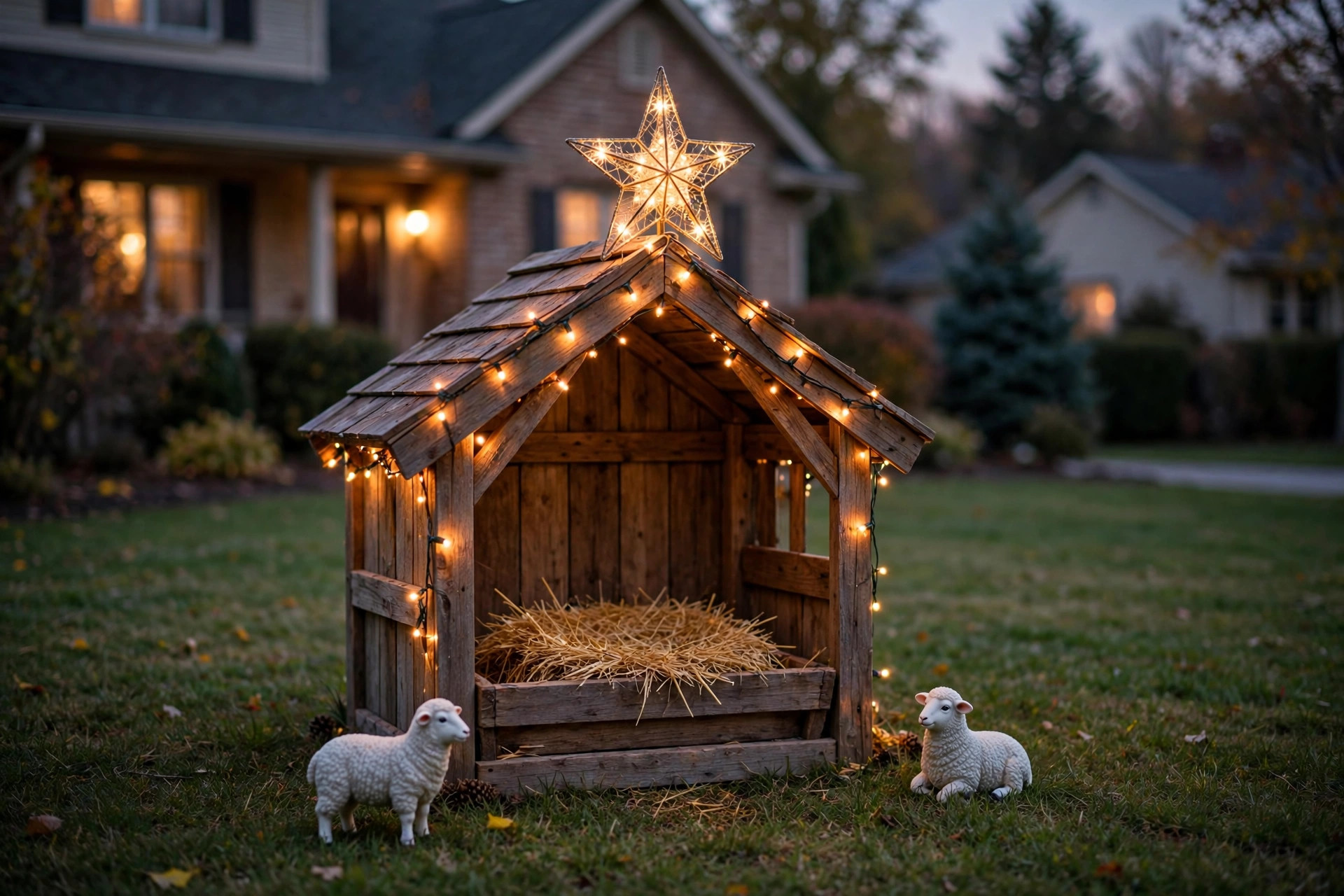

Every December, front yards across America tell the same old story in new ways. A simple manger. A star above it. Figures of Mary, Joseph, and the child. A christmas nativity set for outdoor yard display turns a lawn into a quiet reminder of the season. This guide explains how to choose one, where to place it, and how to keep it looking fine year after year.
Why It Matters
A yard display does more than decorate. It shares a message with the street. Neighbors walk past. Cars slow down. Children point from car windows. The nativity scene has stood for centuries as a symbol of peace and hope. Set outdoors, it becomes part of the neighborhood.
Many families treat the display as a tradition. They bring the pieces out the week after Thanksgiving. They take them down after New Year. The routine itself becomes part of Christmas. Children who once watched from the curb grow up to set out the figures themselves.
A well-chosen set also lasts. Outdoor pieces face rain, wind, and snow. Cheap indoor sets fade and crack in one season. A set built for the yard can serve a family for twenty years. That long life makes the first choice worth some thought.
What to Look For: Christmas Nativity Set for Outdoor Yard Display
Size and Scale
Outdoor nativity sets range from tabletop size to taller than a grown man. For a front yard, the sweet spot is between three and six feet for the stable and central figures. Smaller pieces disappear against a big lawn. Larger ones can overwhelm a small lot.
Stand on the curb before you buy. Note how far the display site sits from the street. A set thirty feet from the road needs bigger figures than one ten feet away. Also check what sits behind the scene. A bare lawn shows figures well. A busy hedge can hide them.
Count the pieces you want. A full set may include ten or more figures. A simple scene may use only five. Decide before you shop. Stores like Home Depot and Lowe’s stock both large and small sets each season.
Materials That Last Outdoors
The most common material is weather-resistant plastic or resin. These pieces weigh little and cost less. They shed rain well. They can fade in strong sun, but quality pieces carry UV protection.
Hand-painted figures look richer but need more care. Painted surfaces can chip if dropped or struck by wind. Some owners bring painted pieces inside during storms. Others accept small marks as part of a set’s character.
Wooden and metal sets cost more and last longest. A cedar or plywood stable can stand for decades with a fresh coat of sealant each few years. Metal figures resist wind but may rust at joints. Check the label for outdoor rating before you buy.
Lights and Power
Many sets include small lights or space for them. Lighted figures glow softly at night. Some run on standard extension cords. Others use low-voltage systems or solar cells. Corded sets give steady light. Solar sets save wire but dim on cloudy days.
Plan your power before you place the scene. Find the nearest outdoor outlet. Measure the cord path. Use only cords rated for outdoor use. Keep connections off wet ground. The U.S. Consumer Product Safety Commission offers guidance on safe outdoor lighting each holiday season.
Types of Outdoor Nativity Sets
Life-Size Sets
Life-size sets use figures from four to six feet tall. They create a strong street presence. They suit large lawns and corner lots. They cost the most and need the most storage. Assembly takes an hour or more.
Half-Size and Medium Sets
Medium sets stand two to four feet tall. They fit average suburban lawns well. They cost less than life-size sets. Most families find this the best balance of presence and price. Retailers such as Michaels and Target carry many medium options.
Flat or Silhouette Sets
Silhouette sets use flat cutouts, often backlit. They weigh almost nothing. They fold flat for storage. From the street, a lit silhouette reads clearly. They lack the depth of three-dimensional figures. They suit renters and families with small storage.
Inflatable Sets
Inflatable nativity scenes blow up in minutes. They include a small fan and anchor stakes. They pack down to a duffel bag. Wind is their weakness. A calm night shows them fine. A gusty night flattens them. They cost the least of the lighted options.
Stable-Only Scenes
Some buyers purchase only a stable and add figures later. This staged approach spreads cost over years. A stable built from real wood anchors the scene. Figures bought one or two at a time add meaning. Many stores sell pieces in open stock for this purpose.
Cost and Price
Prices vary widely. A small flat silhouette set may cost under fifty dollars. A medium plastic set with five to eight pieces often runs between one hundred and three hundred dollars. Life-size hand-painted sets can reach five hundred to one thousand dollars or more.
The stable usually costs as much as the figures. A wooden stable with a roof and straw accents adds realism. Some families build the stable themselves from lumber and save the difference. Simple plans appear in many craft guides and home magazines.
Watch for after-Christmas sales. Prices drop by half or more in January. Buying for next year at clearance can cut the cost of a quality set in half. Check large retailers such as Walmart and Wayfair for end-of-season deals. Used sets at church rummage sales often sell for a fraction of new prices.
Placement and Lighting
Choose high ground. Low spots collect water. A gentle slope sheds rain. Face the scene toward the street. The front of the stable should meet the eye of a passing car or walker.
Leave room around the display. Figures need space between them. A crowded scene reads poorly at night. A gap of one to two feet between figures gives each one room to show.
Ground lights add depth. Aim one or two spotlights at the stable from the front. Keep the beams soft. Harsh light flattens detail. Warm white bulbs suit the scene best. Cool white can look cold and harsh.
The star matters. Many sets include a star for the roof or a pole behind it. A lit star draws the eye from down the block. Place it high. Check that it shows above the stable from the street view.
Secure every piece. Wind tips light figures. Use the stakes that come with the set. In soft soil, drive them deep. On frozen ground, weigh pieces with sandbags hidden behind the figures. Tie tall pieces with clear fishing line to ground stakes for extra hold.
Care and Upkeep
Wipe figures clean before storage. A damp cloth removes most dirt. Mild soap handles stubborn spots. Let pieces dry fully before you pack them.
Store sets indoors. A garage, shed, or attic works well. Keep pieces off concrete floors. Lay cardboard under them. Wrap painted figures in old sheets or moving blankets. Stack flat pieces with padding between them.
Check cords and lights each year. Frayed wires belong in the trash. Replace burned bulbs before setup. Test the whole display on the driveway before moving it to the lawn. Repairs in daylight beat repairs in the dark.
Repaint worn spots in the off season. Small paint bottles from craft stores match most colors. A fresh coat of clear outdoor sealant protects paint for another year. Wood stables need sealant every two or three years. A damp winter can rot untreated wood.
Plan storage before the first snow. Label each box with its contents. Stack large pieces on the bottom and small ones on top. A photo of the setup taped to the box lid makes next year’s assembly faster. Many owners keep a small kit with spare bulbs, extra stakes, and touch-up paint in one marked box. When December returns, the whole display goes up in one afternoon instead of three.
Safety
Electricity and weather demand respect. Plug outdoor lights into ground-fault protected outlets. Many outdoor outlets have built-in protection. If yours does not, use a portable ground-fault adapter.
Keep cords clear of walkways. Trips send people to the hospital. Route cords along edges and under rugs designed for outdoor use. Never run a cord across a sidewalk.
Anchor pieces against wind. A tipping figure can hurt a child or damage a car. Check stakes after storms. Re-anchor anything that loosens.
Ladders deserve care. Many owners climb to hang the star or string lights. Keep the ladder on firm ground. Have someone hold it. The Consumer Product Safety Commission reports thousands of holiday ladder injuries each year. Most are preventable.
Think of neighbors. Keep lights aimed at your own yard. Bright beams into a bedroom window cause hard feelings. Most timers allow lights to shut off by ten or eleven at night. Timers also cut the electric bill.
Related Decorating Ideas
A nativity scene often pairs with other yard displays. Many families add large outdoor Christmas bows on their wreaths for a finished look. Some set up a backyard movie projector screen for holiday film nights. Fall decorators reuse their staking skills on porch cat decorations each October. Design magazines such as HGTV and Country Living publish fresh layout ideas each season.
FAQ
How big should my outdoor nativity set be?
Match the size to the distance from the street. For a lawn twenty to forty feet deep, choose figures three to five feet tall. Closer lawns can use smaller pieces. Bigger is not always better. A scene that fits its space looks richer than an oversized one.
Can I leave the set out all winter?
You can, but it shortens the life of the pieces. Snow, ice, and freeze-thaw cycles wear paint and plastic. Many families leave displays up through early January and store them after. Long exposure fades colors and weakens joints.
What is the best material for rain and snow?
Sealed resin and heavy molded plastic handle wet weather best. They do not absorb water. Wood works well only with regular sealant. Untreated cardboard or paper sets belong indoors. Check the box for an outdoor rating.
How do I light the scene at night?
Two warm-white ground spotlights aimed at the stable give the best result. Add small lights inside the stable if the set allows. A lit star above draws attention from the street. Use a timer so lights turn off late at night. Solar lights work in sunny yards but dim in cloudy weather.
How much does a full outdoor nativity set cost?
Expect one hundred to three hundred dollars for a medium set. Small silhouette sets cost under fifty dollars. Life-size painted sets can pass one thousand dollars. Buying after Christmas at clearance can cut prices in half.
How do I store the set for the summer?
Clean and dry every piece. Wrap painted figures in cloth. Store indoors off the floor. Keep flat pieces separated with padding. Check cords and bulbs each year before setup. A cool dry garage or shed suits most sets.
A Final Word
A christmas nativity set for outdoor yard display asks little and gives much. Choose pieces that fit your lawn. Set them with care. Light them softly. Store them well. Then watch the street each December as the old story shines again on your lawn. Home editors at The Spruce note that simple, well-kept displays draw the warmest response year after year.
References
Country Living. (n.d.). Country home and lifestyle. https://www.countryliving.com HGTV. (n.d.). Home and garden ideas. https://www.hgtv.com Lowe’s. (n.d.). Home improvement products. https://www.lowes.com Michaels. (n.d.). Arts and crafts supplies. https://www.michaels.com Target. (n.d.). Retail store. https://www.target.com The Home Depot. (n.d.). Home improvement products. https://www.homedepot.com The Spruce. (n.d.). Home and garden advice. https://www.thespruce.com U.S. Consumer Product Safety Commission. (n.d.). Product safety information. https://www.cpsc.gov Walmart. (n.d.). Everyday low prices. https://www.walmart.com Wayfair. (n.d.). Furniture and home goods. https://www.wayfair.com
Was this guide helpful?

About Robert Taylor
The My Garden US editorial team writes practical, in-depth home and garden guides for American homeowners — tested advice, no fluff.
You May Also Like
Christmas Tree Stand for Real Trees Heavy Duty: A Complete Buying Guide
March 27, 2026 0 views
Best Outdoor Christmas Garland With Timer Lights
May 16, 2026 0 views
Fall Pumpkin Decor for Mantel and Table: A Simple Guide
March 24, 2026 0 views