Many pool owners switch to salt water for softer water and lower daily work. Then a common problem appears. The salt water pool pH keeps rising week after week. You add acid. The pH drops. A few days later it is back up again. This pattern is normal for salt water pools. But it does not have to rule your summer. Once you know why the pH climbs, you can keep it steady with less acid and fewer trips to the store.
Why High pH Matters in a Salt Water Pool
Pool pH tells you how acidic or basic the water is. The safe range is 7.2 to 7.6. Most experts aim for 7.4. When pH climbs above 7.8, trouble starts.
High pH makes chlorine weak. Your salt chlorine generator may be working hard, but the chlorine it makes cannot kill germs well in basic water. Algae can take hold. The water may turn cloudy. Swimmers can get red eyes and itchy skin.
High pH also causes scale. White crust builds up on pool tiles, inside pipes, and on the salt cell itself. Scale shortens the life of your salt chlorine generator and raises power bills. It can also stain a new plaster surface.
So the rising pH is not a small worry. It is the one water problem that touches every other part of pool care.
Why Salt Water Pool pH Keeps Rising
The rise in pH is not caused by bad luck. It comes from how a salt water pool works.
The Salt Cell Makes pH Climb
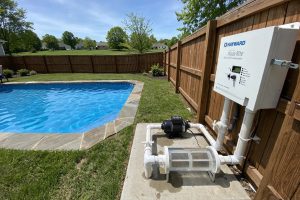
A salt chlorine generator splits dissolved salt into chlorine through electrolysis. This process releases hydrogen gas. Tiny bubbles rise off the cell plates. Each bubble carries away a small amount of acid from the water. The loss of acid pushes the pH up. This is why a pool with a salt system needs acid often, while a pool with chlorine tablets needs less.
You can read more about salt equipment at Leslie’s Pool Supplies.
Aeration From Water Features
Fountains, waterfalls, spillways, and strong returns churn the water. Churning knocks carbon dioxide out of the water. Less carbon dioxide means higher pH. Pools with sheer-descent waterfalls or beach entries that splash see the fastest pH rise.
Low Total Alkalinity Swings
Total alkalinity is the water’s buffer. It holds pH steady. When alkalinity is too low, pH jumps up and down with every small change. When it is too high, it can drag pH upward on its own. Many owners chase pH for months before they learn that alkalinity is the real driver. Guides at Swim University explain this balance in plain terms.
New Plaster and Fresh Fills
New plaster pools release minerals that push pH up for the first year. This is called plaster curing. A fresh water fill can also start with high pH from the tap. If your pool is new, the rise is faster and stronger than normal.
Heavy Use and Heat
Warm water holds less carbon dioxide. Summer heat alone can lift pH. Many swimmers add body oils and sunscreen that change water balance too.
How to Test pH the Right Way
Good testing is the base of good control. Test twice a week in summer. Test once a week in the cooler months.
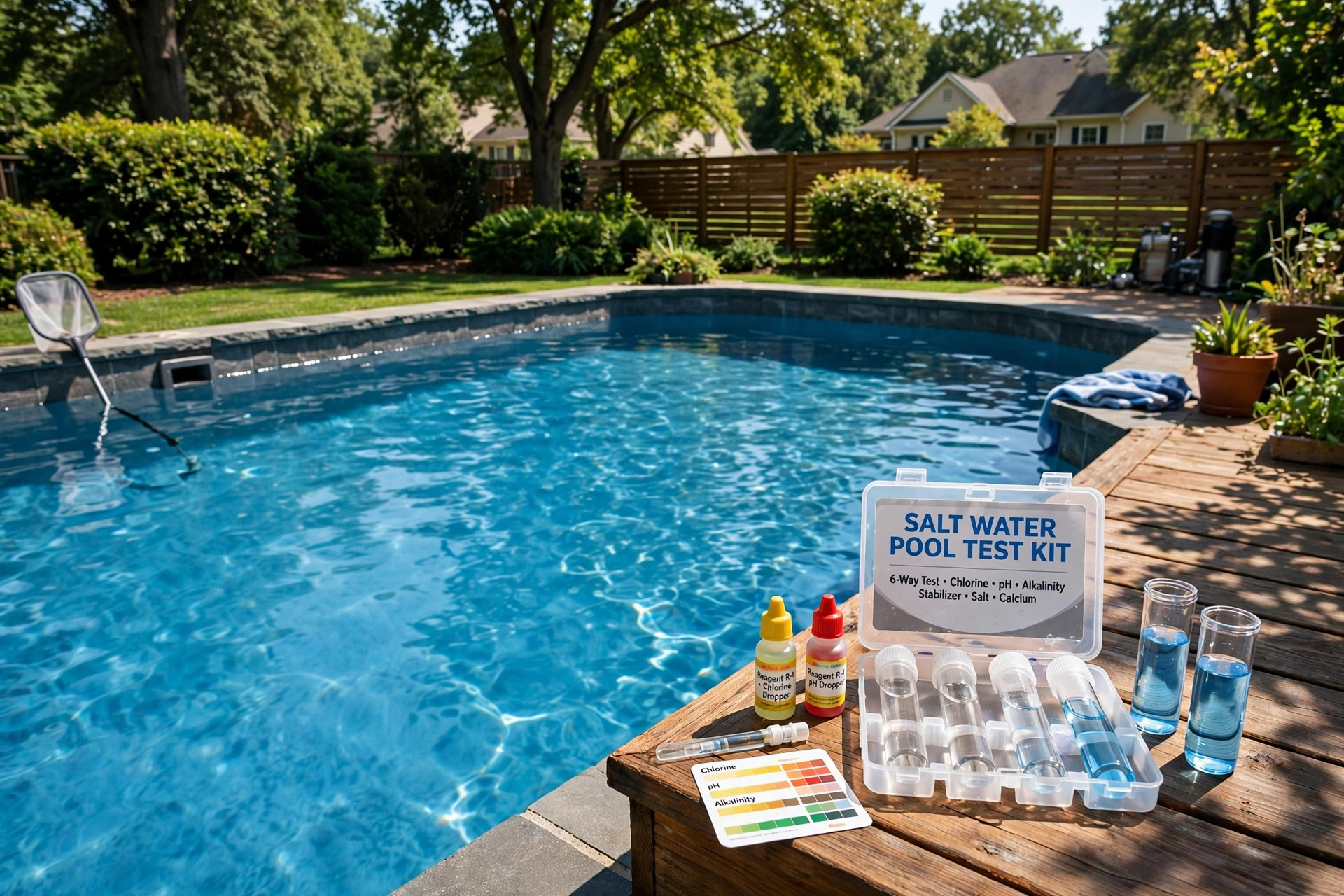
Use a drop test kit or a digital pH meter. Test strips are fast but less exact. Pool Warehouse carries test kits for every budget.
Test in the morning, in the same deep spot, before anyone swims. Rinse the test vial with pool water first. Record the number in a notebook or phone app. A log shows you the pattern over weeks. If your salt water pool pH keeps rising every three days like clockwork, your log will prove it, and you can plan for it.
Also test total alkalinity, free chlorine, and cyanuric acid at least once a month. These numbers change what your pH does.
What to Look For in a pH Fix
There are several ways to bring pH down. Pick the one that fits your pool.
Muriatic Acid: The Standard Choice
Muriatic acid is the most common pH reducer. It is strong, cheap, and fast. One quart lowers pH in a 20,000-gallon pool by about 0.2 to 0.4 points, depending on starting alkalinity.
Add it slowly at the deep end with the pump running. Pour in front of a return jet so it mixes fast. Wait four hours, then retest. Never add more than one quart at a time in a home pool.
Store acid in a cool, dry place away from chlorine products. Keep it off the deck where children and pets play. Home Depot sells muriatic acid and safe storage bins.
Dry Acid: The Safer Option
Dry acid, or sodium bisulfate, comes as a powder. It costs more than muriatic acid but is easier to handle and store. It dissolves in a bucket of water before you add it to the pool. Many owners with small children prefer it.
CO2 Injection: The Hands-Off Option
A carbon dioxide feeder adds tiny amounts of CO2 to the water. CO2 lowers pH without adding any chemicals. It is the best long-term fix for a salt water pool pH that keeps rising. The unit connects to your plumbing after the filter. A controller reads pH and doses CO2 on its own.
The upfront cost is higher. But owners who use CO2 cut their acid use by half or more. Hot tub makers like Hot Spring and Bullfrog Spas use similar automated dosing ideas in their spa systems.
Borates: The Buffer Boost
Adding borates, usually as boric acid, gives the water a second buffer beside alkalinity. Borates resist upward pH drift. They also make the water feel silkier and help stop algae. A level of 30 to 50 ppm is the common target.
Learn more about how to lower pool pH levels safely before you start any chemical change.
Step-by-Step: Stopping the Rise
Follow these steps in order. Do not skip ahead.
1. Test pH and total alkalinity. Write both numbers down. 2. Fix total alkalinity first. Bring it to 80 to 100 ppm for a salt pool. Use baking soda to raise it. Use acid to lower it, in small doses. 3. Lower pH to 7.2 with muriatic acid or dry acid. Add slowly with the pump on. 4. Wait four hours. Retest. Repeat only if pH is still above 7.6. 5. Cut aeration where you can. Turn waterfalls down to a low flow when no one is watching. Aim return jets slightly down. 6. Consider borates if the drift continues after two weeks of stable alkalinity.
A weekly salt pool routine saves time later. Read our salt water pool maintenance schedule guide to build one.
Cost and Price of pH Control
pH control is one of the cheapest parts of pool care.
– Muriatic acid: 8 to 12 dollars per gallon at most stores. A typical salt pool uses 1 to 2 gallons per month in summer. – Dry acid: 15 to 25 dollars for a 10-pound container. Lasts about a month for an average pool. – Borates: 30 to 60 dollars for a one-time dose in a 20,000-gallon pool. It lasts the season unless you drain water. – CO2 injection system: 800 to 2,000 dollars installed, plus 10 to 20 dollars a month for CO2 refills.
Compare this with scale repair. Cleaning a scaled salt cell costs 100 to 300 dollars. Replacing a ruined cell costs 500 to 900 dollars. A year of acid is cheap insurance.
If you are still weighing salt against chlorine, see our salt water pool conversion cost guide for full numbers.
The U.S. Consumer Product Safety Commission reminds owners that safe chemical storage is part of safe pool ownership.
Care and Upkeep Through the Season
Daily habits matter more than any one product.
– Run the pump enough to turn the water over once a day. Stagnant corners drift faster. – Clean the salt cell every three months, or when the check-cell light comes on. Scale on the cell wastes chlorine and shifts pH. – Brush the walls weekly. Brushing stops algae before it starts and mixes chemicals. – After heavy rain, test and adjust. Rain can be acidic or can dilute your buffers. – In winter, test monthly even if the pool is closed. Cold water moves slowly, but pH still drifts.
Home care guides at The Spruce offer season-by-season checklists. For bigger chemistry questions, pool pros trust Pentair equipment manuals and dealer advice.
Keep your chemical log for the whole season. Next spring you will know exactly how much acid your pool needs each month. Many owners tape a small chart inside the equipment shed door. They mark each test date, the pH reading, and the acid dose. Over time this chart becomes a personal guide for the pool.
Safety First
Pool chemicals demand respect.
– Never mix acid and chlorine. The mix makes toxic gas. – Add chemicals to water, never water to chemicals. – Wear gloves and eye protection when you handle muriatic acid. – Store acids and chlorine products in separate spots, locked away from children. – Shower before and after swimming to cut down on oils and sunscreen in the water. – Keep a phone number for poison control near your chemical storage.
Teach everyone in the house where chemicals live and that they are not toys. Safe habits protect both people and the pool.
Frequently Asked Questions
Why does my salt water pool pH keep rising even after I add acid?
The salt cell makes pH rise as a side effect of making chlorine. This never stops while the system runs. If you also have waterfalls or high alkalinity, the rise is faster. Fix alkalinity first, then reduce aeration, and the acid will last longer.
How often should I add acid to a salt water pool?
Most salt pools need acid every three to seven days in summer. Test twice a week. Add only what the test calls for. A CO2 feeder or borate buffer can stretch this to every two weeks or more.
Is it safe to swim when pH is high?
Swimming at pH 7.8 for a short time is not dangerous for most people. But eyes and skin may itch. Above 8.0, chlorine stops working well, so germs are a bigger worry. Bring pH back to range before long swim sessions.
Does low salt cause pH to rise?
Low salt does not raise pH directly. But a starved salt cell works harder and can scale up, which changes water flow and chemistry. Keep salt at the level your generator manual calls for, usually 2,700 to 3,400 ppm.
Will a pool cover stop the pH rise?
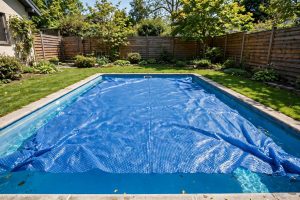
A cover cuts aeration and keeps out debris, so pH rises more slowly. It also cuts chlorine loss from sunlight. But the salt cell still pushes pH up under the cover. You will still test and add acid, just less often.
Should I turn off my waterfall to control pH?
You do not need to turn it off for good. Run it when people are enjoying the pool. Turn it down or off overnight and on quiet days. Less splashing means slower pH drift.
A Short Final Word
A salt water pool pH that keeps rising is a design feature, not a defect. The salt cell, the water features, and the summer heat all push pH upward. Once you accept the pattern, control becomes routine. Test often. Keep alkalinity in range. Add acid in small, patient doses. Cut needless aeration. Consider borates or CO2 if you want fewer chores.
Do this, and the weekly acid bottle stops feeling like a losing fight. Your water stays clear, your equipment lasts longer, and your pool is ready whenever the day is hot.
References
Bullfrog Spas. (n.d.). Hot tubs and spas. https://www.bullfrogspas.com Hot Spring Spas. (n.d.). Hot tubs and spas. https://www.hotspring.com Leslie’s Pool Supplies. (n.d.). Pool supplies and equipment. https://www.lesliespool.com Pentair. (n.d.). Pool and spa equipment. https://www.pentair.com Pool Warehouse. (n.d.). Pool equipment and supplies. https://www.poolwarehouse.com Swim University. (n.d.). Pool and hot tub care guides. https://www.swimuniversity.com The Home Depot. (n.d.). Home improvement products. https://www.homedepot.com The Spruce. (n.d.). Home and garden advice. https://www.thespruce.com U.S. Consumer Product Safety Commission. (n.d.). Product safety information. https://www.cpsc.gov
Was this guide helpful?

About Jennifer Lee
The My Garden US editorial team writes practical, in-depth home and garden guides for American homeowners — tested advice, no fluff.