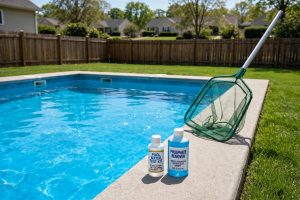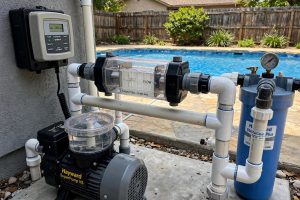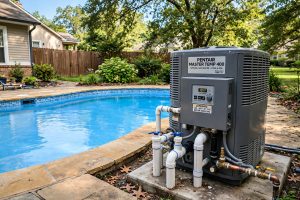
Many pool owners read about salt water pool filter maintenance tips after they switch from chlorine tablets to a salt system. The change sounds simple. You add salt, the system makes its own chlorine, and the water feels softer on the skin. But a salt pool still needs a filter, and the filter still needs regular care. In fact, a salt system makes filter care more important, not less. The filter protects the salt cell, and the salt cell protects the water.
This guide explains how the whole system works together. It covers the three main filter types, how to clean each one, when to backwash, how to care for the salt cell, and what poor maintenance really costs. The steps are plain and practical. Any pool owner can follow them. The advice fits most home pools in the United States.
Why Filter Care Matters More in a Salt Water Pool
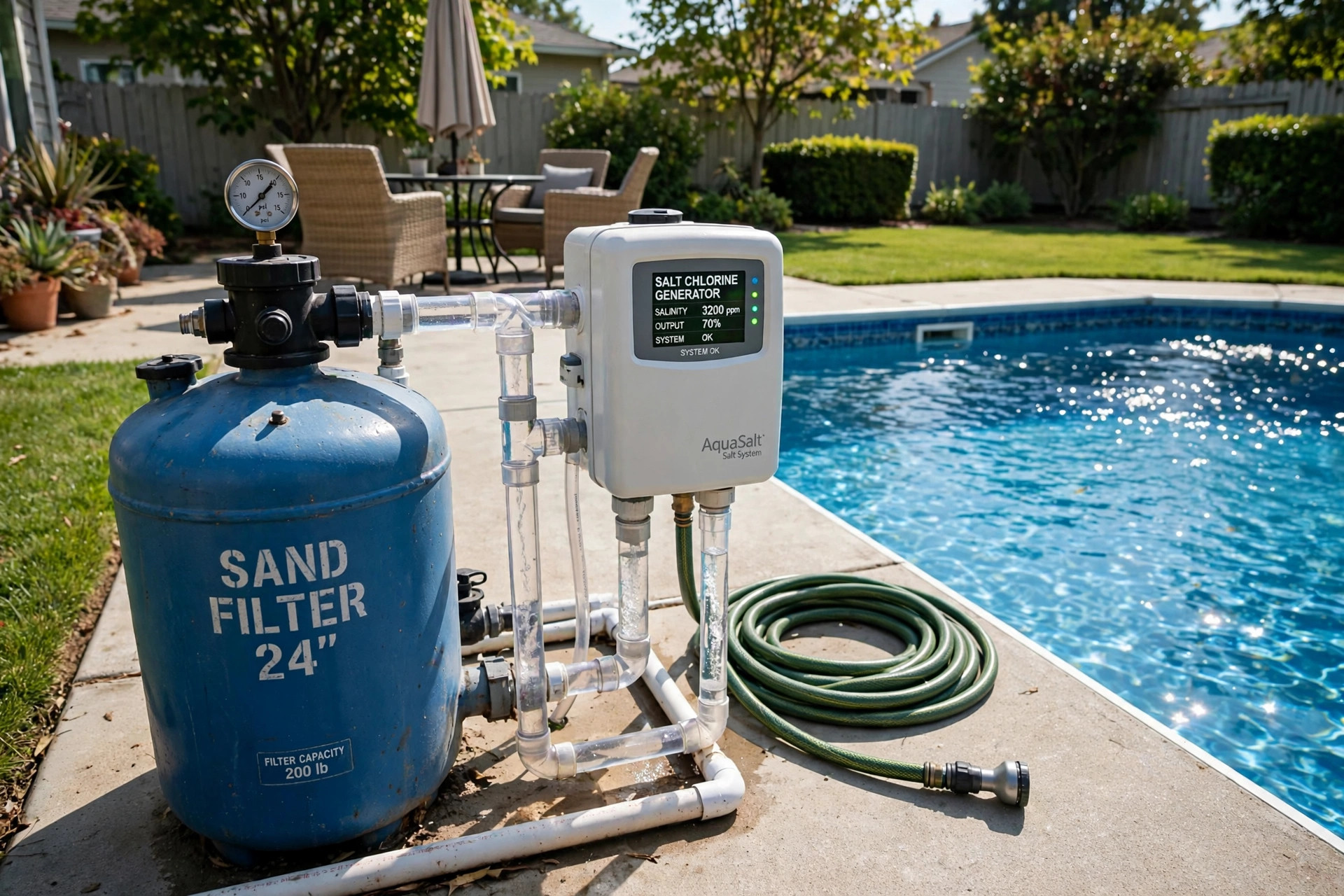
A salt water pool turns dissolved salt into chlorine through a salt chlorine generator. The generator has a cell with metal plates. Water flows through the cell, electricity splits the salt, and chlorine is made. This only works well if the water reaches the cell clean and at the right flow rate.
The filter stands between the pump and the cell. It removes leaves, dirt, body oils, sunscreen, and tiny particles that you cannot see. When the filter gets dirty, flow slows down. Slow flow means the salt cell gets less water. The cell then works harder and makes less chlorine. The water turns cloudy. Algae can take hold. A dirty filter can also force the pump to run longer, which raises the electric bill.
The American advice on pool care lessons stresses this same point: circulation is the heart of a clean pool. The pump moves the water, the filter cleans it, and the salt system treats it. If one part fails, the other two suffer. Regular filter care keeps all three parts working as a team.
Salt water itself does not harm most filters. It can, however, speed up rust on cheap metal parts and wear on seals that were not made for salt. That is why choosing the right parts matters, and why a salt water pool conversion cost guide should always include filter upgrades in its budget.
Know Your Filter Type Before You Touch It: Salt Water Pool Filter Maintenance Tips
Most home pools use one of three filter types. Each one is cleaned in a different way. Before you start any work, find your filter type. Look at the tank label or the pool owner’s manual.
Sand Filters
A sand filter is a large tank filled with special filter sand. Water flows through the sand, and the sand traps dirt. Sand filters are common and tough. They need backwashing instead of taking apart.
To backwash, you set the multiport valve to “backwash” and run the pump for two to three minutes. The water flows backward through the sand and carries trapped dirt out to waste. Watch the sight glass. When the water in the glass runs clear, stop. Then run the pump on “rinse” for about 30 seconds to settle the sand. Put the valve back to “filter” and resume normal running.
Backwash only when the pressure gauge reads 8 to 10 psi above the clean starting pressure. Backwashing too often wastes water and can make filtering worse. Most sand filters need backwashing every few weeks in swim season.
Cartridge Filters
A cartridge filter uses one or more pleated paper-like cartridges inside a tank. Water passes through the pleats, and dirt stays on them. Cartridge filters catch very fine particles and use no backwash water.
Cleaning means removing the cartridge and rinsing it. Turn off the pump, open the tank, and lift out the cartridge. Hose it down from top to bottom with a garden hose and a spray nozzle. Work between every pleat. Do not use a pressure washer. It can tear the fabric and shorten the life of the cartridge.
For a deep clean, soak the cartridge in a bucket of filter cleaner or a mix of water and mild detergent for several hours, then rinse well. Detailed steps for how to clean pool filter cartridge units show why gentle handling keeps cartridges working for two to four years.
DE (Diatomaceous Earth) Filters
A DE filter uses a fine white powder made from fossilized algae. The powder coats a grid of fabric-covered frames. It filters out the smallest particles of all three types. Water can look crystal clear with a DE filter.
DE filters are backwashed like sand filters. After backwashing, you must add fresh DE powder through the skimmer while the pump runs. Follow the amount printed on the tank label. Never run a DE filter without powder on the grids. The grids can tear and ruin the filter.
A Simple Weekly and Monthly Maintenance Routine
A routine takes less time than most owners expect. Put these tasks on the calendar during swim season.
Weekly Tasks
Check the pump basket and the skimmer basket. Empty them when they are half full of leaves and trash. A full basket starves the pump of water and strains the whole system.
Check the pressure gauge on the filter tank. Write down the clean pressure when the filter is new or freshly cleaned. That number is your baseline. Compare every week.
Test the salt level with a salt test strip or a digital meter. Keep salt in the range your generator maker suggests, usually 2,700 to 3,400 parts per million. Low salt makes the cell work too hard. High salt can trip the system and wear parts.
Look at the water. It should be clear enough to see the pool drain at the deep end. Cloudiness is an early warning that the filter or the chemistry needs attention.
Monthly Tasks
Clean the filter. Backwash a sand or DE filter when the gauge says so. Hose down a cartridge filter every three to four weeks in heavy use.
Check the salt cell. Turn off the power, remove the cell, and look at the plates. A thin coat of white calcium scale is normal. Soak the cell in a mild acid bath made for salt cells, following the maker’s directions exactly. Rinse well before putting it back. A scaled cell makes less chlorine and wears out sooner.
Inspect the O-rings and seals. A little pool lubricant on O-rings keeps them soft and prevents air leaks. Air leaks make the pump lose prime and reduce filtering power.
Picking the Right Filter for a Salt System
If you are building a new pool or replacing old equipment, the best pool filter for saltwater systems will share a few traits. The tank and internal parts should resist salt corrosion. Stainless steel hardware should be marine grade. Seals and gaskets should be made for salt water service.
Size the filter generously. A filter rated for a slightly larger pool than yours will need cleaning less often. It will also run at lower pressure, which is easier on the pump and the salt cell.
A variable-speed pump is a smart partner for any salt filter. It can run long and slow, which gives the filter more contact time with the water and the cell more time to make chlorine. Many owners find their home care guide or a trusted pool supply store can help match pump size to filter size.
Cost and Price: What Filter Care Really Runs
The cost of filter care is small next to the cost of repairs. Here are typical United States price ranges for 2026.
A bag of filter sand costs about 15 to 25 dollars. Replacing all the sand in a filter costs 50 to 100 dollars in materials and is needed every three to five years. Replacement filter cartridges cost 50 to 200 dollars each, depending on size. A bucket of DE powder costs about 30 to 50 dollars and lasts many backwash cycles.
Salt cell cleaner costs about 15 to 25 dollars per bottle. A new salt cell costs 300 to 900 dollars. Regular cleaning can make a cell last three to seven years instead of two. A filter parts supplier carries O-rings, gauges, and valves for 10 to 40 dollars each.
Skipping maintenance is the expensive choice. A clogged filter can burn out a pump motor, a repair that costs 300 to 600 dollars. Algae cleanup after a long lapse can cost 100 to 300 dollars in chemicals and weeks of waiting. Compare those numbers to an hour of care each month, and the choice is clear.
Care and Upkeep Through the Seasons
In spring, open the pool by cleaning or backwashing the filter before the salt system goes to work. Start the generator only after the water is balanced. The salt cell should never try to clean up a dirty pool on its own.
In summer, stick to the weekly routine. Heavy swimming, storms, and sunscreen load the filter fast. After a big storm, check the baskets and gauge even if it is not your regular day.
In fall, leaves are the main enemy. Run the filter a little longer each day if leaves keep falling. A leaf cover or pool net reduces the load.
In winter, if you close the pool, drain the filter tank fully and store cartridges indoors in a dry place. Water left inside a filter can freeze and crack the tank. If you keep the pool open year round, cut pump hours but never skip the weekly gauge check.
Safety Rules Every Owner Should Follow
Pool equipment runs on electricity and, in some cases, handles acids. Respect both.
Turn off the breaker to the pump before opening any filter tank or touching the salt cell. A filter tank under pressure can blow its lid with force. Release pressure through the air relief valve before opening the tank. Stand clear of the tank while the pump starts.
Keep chemicals stored in a cool, dry place, away from children and pets. Never mix acid and chlorine products. Follow the label on every product. The federal pool safety commission publishes rules on drain covers, barriers, and safe equipment handling that every pool owner should read.
Salt cells can be cleaned with acid. Wear gloves and eye protection. Add acid to water, never water to acid. Rinse the cell and the tools well when done.
Frequently Asked Questions
How often should I clean my salt water pool filter?
Check the pressure gauge every week. Backwash sand and DE filters when pressure rises 8 to 10 psi above the clean baseline. Rinse cartridge filters every three to four weeks during swim season, and deep-clean them two or three times per year. Heavy use, storms, and lots of leaves all shorten the time between cleanings.
Does a salt pool need less filter maintenance than a chlorine pool?
No. A salt pool makes its own chlorine, but it still collects the same dirt, oils, and debris as any pool. The salt cell also needs clean water flow to do its job. Some owners spend less on chemicals with salt, but the filter needs the same weekly attention either way.
Why is my salt pool cloudy even though the filter runs?
Cloudy water often means the filter is dirty or the flow is low. Check the gauge, clean or backwash the filter, and empty the baskets. Then test the salt level and the chlorine output. A scaled salt cell can also cause cloudiness because it makes less chlorine. Clean the cell if you see white buildup.
Can I use regular filter sand in a salt water pool?
Yes. Standard pool filter sand works fine with salt water. The salt does not dissolve the sand. What matters more is that metal parts in and around the filter resist corrosion. Choose marine-grade fittings and salt-rated seals where the water contacts them.
How long does a salt cell last with good maintenance?
A well-kept salt cell usually lasts three to seven years. Keeping the filter clean, holding salt in the right range, and descaling the cell plates on schedule all add life. A cell that works against a dirty filter or in poor chemistry can fail in two years or less.
What does a new pool filter cost for a salt water pool?
A complete new filter tank for a home pool runs about 300 to 900 dollars, depending on type and size. Sand filters cost the least up front. Cartridge filters cost more but save water. DE filters cost the most but filter the finest particles. Equipment prices vary by region, and a home improvement retailer can show current local pricing.
A Short Final Word
Salt water pool filter maintenance tips all come down to one habit: pay attention. Check the gauge. Empty the baskets. Clean the filter on time. Care for the salt cell. These small jobs keep the water clear, the equipment safe, and the bills low. A salt system rewards the careful owner with soft, gentle water and fewer chemical runs to the store. For owners who also enjoy warm-water relaxation, the same care habits apply to equipment guides from spa care advice and hot tub maintenance tips. Treat the filter well, and the whole pool will thank you.
References
Bullfrog Spas. (n.d.). Hot tubs and spas. https://www.bullfrogspas.com Hot Spring Spas. (n.d.). Hot tubs and spas. https://www.hotspring.com Leslie’s Pool Supplies. (n.d.). Pool supplies and equipment. https://www.lesliespool.com Pool Warehouse. (n.d.). Pool equipment and supplies. https://www.poolwarehouse.com Swim University. (n.d.). Pool and hot tub care guides. https://www.swimuniversity.com The Home Depot. (n.d.). Home improvement products. https://www.homedepot.com The Spruce. (n.d.). Home and garden advice. https://www.thespruce.com U.S. Consumer Product Safety Commission. (n.d.). Product safety information. https://www.cpsc.gov
Was this guide helpful?

About Robert Taylor
The My Garden US editorial team writes practical, in-depth home and garden guides for American homeowners — tested advice, no fluff.