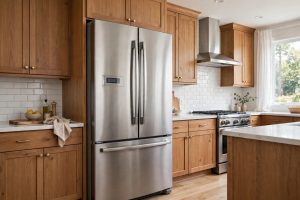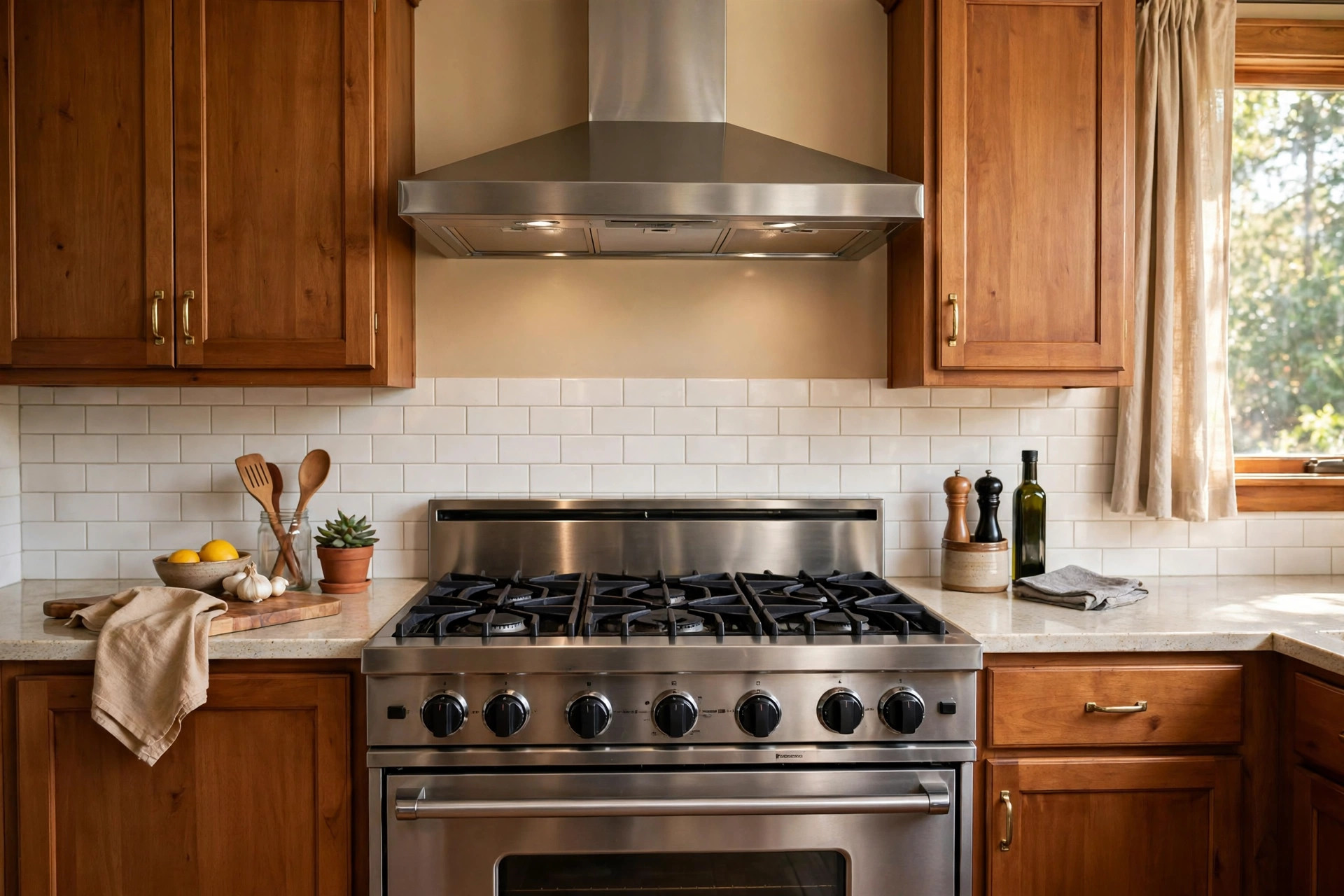

A new stove is one of the largest purchases a home cook will ever make. So the question of gas kitchen ranges where to buy usa comes up in kitchens from Maine to California. The answer is wider than most people think. National chains, local dealers, online stores, and factory outlets all carry them. Each has its own prices, service terms, and stock. This guide walks through every option so you can buy with care and get fair value for your money.
Why a Gas Range Still Earns Its Place
Gas ranges have cooked American meals for more than a century. The flame gives quick heat. The cook can see it and feel it. Turn the knob down, and the heat drops at once. Turn it up, and the pot boils in a flash. This direct control is the reason chefs have long kept gas in their kitchens.
The range also bakes well. Many models pair gas burners with an electric oven. This mix gives steady heat for bread and roasts while keeping the open flame on top. Home bakers in America favor this setup more and more. It is often called a dual-fuel range, and it will come up again later in this guide.
A gas range suits a busy home. The top handles stock pots, skillets, and woks with ease. It lights without a preheat wait. It works during a power cut too, though the oven may need a match or a battery spark on older models. For all these reasons, demand stays strong across the country.
Where to Buy Gas Kitchen Ranges in the USA: Gas Kitchen Ranges Where to Buy Usa
The short answer to gas kitchen ranges where to buy usa is that there are four main channels. Most buyers use one of them. Here is each one, with its strengths and its limits.
Big Home Improvement Stores
National home improvement chains carry wide lines of gas ranges. Home Depot lists freestanding and slide-in models from several brands, and its showrooms let you open the oven door and feel the weight of the grates before you buy. Lowe’s does much the same, with its own seasonal sales and its delivery crews that haul the old unit away. These stores are found in nearly every state, which makes service easy if a part fails later.
Prices at these chains are plain to see. Sale signs appear on holiday weekends like Memorial Day and Labor Day. Clearance models can cost much less when a brand changes its line. Ask the floor staff about open-box units. A range with a small dent on the side may sell for a fraction of the price, and the dent will hide against a cabinet wall.
Appliance Chains and Local Dealers
Regional appliance chains sell only appliances, so their staff know the stock in depth. They can explain the difference between two similar models in plain terms. Many of them match national prices when asked. Delivery teams from these shops tend to be careful, since their whole trade rests on home visits.
Local dealers are worth a visit too. A family shop may carry fewer models, but the owner will often give honest advice about which brands cause the fewest repair calls. Some dealers service what they sell. That can save trouble years down the road. Check their reviews before you sign.
Buying Online
Online stores have grown into a real option for large appliances. The catalog is wide, and the prices are easy to compare. Many sites show the same model sold by several sellers, which drives prices down. Delivery to the home is now common, though you should read the fine print. Some carriers leave the unit at the curb. Others bring it inside and take the old one away for a fee.
Measure twice before you order online. A range that looks fine in a photo may be a half inch too wide for your gap. Return shipping for a 250-pound stove is not cheap. Buy from sellers with a clear return policy and a reachable customer desk.
Direct from the Maker
Some makers sell from their own sites or outlet stores. GE Appliances offers its full line online, with parts and manuals close at hand. Bosch runs a direct store as well, and its outlet listings can show savings on factory-sealed units. Buying direct gives you the warranty without a middleman. It also keeps the model details exact, which helps when you need filters or racks later.
How to Choose the Right Model
Where you buy matters, but what you buy matters more. Keep these points in mind while you shop.
Size and Fit
Most American gas ranges are 30 inches wide. Larger homes use 36-inch or 48-inch models. Measure the opening between cabinets, the depth from the wall, and the height under the counter. Write the numbers down and carry them with you. Also measure the doorways from the curb to the kitchen. A range that fits the cabinet gap but not the hallway will cause a hard day.
Burners and Heat
Count the burners and note their power. A small simmer burner keeps sauces warm without scorching. A large burner with high heat boils water fast and sears meat well. Sealed burners are easier to wipe clean than open ones. Continuous grates let you slide a pot from one burner to another without lifting.
The Oven
Check the oven size and its racks. Convection fans move hot air and bake more evenly. A self-clean cycle burns off spills at high heat, which saves scrubbing. Look at the broiler too. Some sit in the oven, while others hide in a drawer below.
Surface and Finish
Stainless steel is the common finish and pairs well with most kitchens. Black and white cost less in many lines. A range hood above the stove pulls smoke and steam away; if you need one, our guide on stainless range hoods covers where to shop for those as well. Keep the whole look in mind so the kitchen reads as one room, not a set of parts.
Types and Options on the Market
Freestanding ranges are the most common. They stand alone and finish on all sides, so they can sit at the end of a cabinet run. Slide-in models drop between cabinets and show no side panels, which gives a built-in look at a lower price. For a deeper overview of gas models in American homes, see our companion piece on gas kitchen ranges in American homes.
Dual-fuel ranges burn gas on top and bake with electricity below. They cost more but please serious cooks. Commercial-style ranges copy restaurant stoves with heavy grates and strong burners. They need more venting and a bigger gas line, so check your home before you fall in love with one.
Some ranges add extras like air-fry modes, warming drawers, or griddles in the center. These are pleasant, but each one adds to the price. Choose the features you will truly use. A plain, well-made range often outlasts a fancy one.
Cost and Price Ranges
Prices for gas kitchen ranges in the USA span a wide band. A basic 30-inch freestanding model from a value brand may sell for about $700 to $1,000 on sale. A mid-line model with convection and a fifth burner runs from about $1,200 to $2,000. High-end dual-fuel and commercial-style units can pass $4,000, and wide 48-inch models can cost far more.
Delivery and hookup add to the bill. A gas line run by a licensed plumber may cost a few hundred dollars if the line is already near the kitchen. If the line must travel far, the cost rises. Installation of the range itself is often free with purchase at big chains, but confirm this before you pay.
Watch for holiday sales. Presidents Day, Memorial Day, July Fourth, Labor Day, and Black Friday bring some of the lowest prices of the year. Floor models and last-year stock can drop further. A calm buyer who waits for a sale can save several hundred dollars.
Care and Upkeep
A gas range asks little and gives much. Wipe the top after it cools. Lift the grates and wash them in hot soapy water. Clean spills in the oven before they bake into hard crusts. A self-clean cycle handles heavy soil, but open a window while it runs.
Once a year, look at the burner caps and ports. Food can block the small holes where the flame comes out. A soft brush or a straight pin clears them. If a burner clicks but will not light, the igniter may be wet or worn. Let it dry, and call a technician if the trouble stays.
Keep the manual in a drawer near the kitchen. It lists the right cleaning agents and the part numbers for racks and knobs. Makers like GE Appliances and Bosch publish manuals online too, which helps when the paper copy goes missing.
For broader kitchen planning, our look at kitchen pantry cabinets may help you fit new storage around your new range.
Safety in the Kitchen
Gas is safe when the rules are kept. Have a licensed pro connect the gas line and check for leaks. Keep a working smoke alarm and a carbon monoxide alarm in or near the kitchen. Never use the oven to heat the room. If you smell gas, do not light a match or flip a switch. Leave the house and call the gas company from outside.
Teach children that the stove is not a toy. Use the back burners for pots with hot liquids when little ones are near. Turn pot handles toward the back of the stove so no one knocks them. A range hood that vents outside clears fumes and keeps the air fresh; guidance from This Old House on kitchen venting is a solid reference for safe setups.
Frequently Asked Questions
Do I need a gas line to use a gas range?
Yes. The range must connect to natural gas or to a propane tank. If your home has no gas line, a plumber can run one, but the cost depends on the distance. Some buyers in all-electric homes choose propane tanks outside the house instead.
Can I install a gas range myself?
It is best to let a licensed professional make the gas connection. The physical move of the stove is simple, but gas fittings must be tight and tested for leaks. Many stores include hookup with delivery, which keeps the warranty valid.
What is the difference between a range and a cooktop?
A range joins the cooktop and the oven in one unit. A cooktop is only the top burners and sits in the counter, with the oven built into the wall or placed elsewhere. Ranges cost less as a set and suit most kitchens.
Are gas ranges being banned in the USA?
Some cities and states have discussed limits on new gas hookups, but gas ranges remain widely sold across the country. Rules vary by place, so check your local building code before a remodel. Reviews and buying guides from Consumer Reports can help you weigh gas against electric for your area.
How long does a gas range last?
A well-kept gas range often serves 15 to 20 years. Simple models with fewer electronic parts tend to last the longest. Regular cleaning and prompt repair of small faults add years to its life.
Should I buy the extended warranty?
Read the terms first. The maker warranty covers the first year in most cases. An extended plan may pay for itself on a costly dual-fuel model, but it adds little on a basic range. Ask what is excluded before you sign.
A Short Final Word
The search for gas kitchen ranges where to buy usa ends well for the patient shopper. Big chains give wide choice and low sale prices. Local dealers give deep knowledge and true service. Online stores give easy comparison from the couch. Makers sell direct with exact parts and papers. Measure your space, set your budget, and buy at a holiday sale if you can. The right range will cook family meals for twenty years, which makes the homework worth it.
Buying guides are also published by Bob Vila and The Spruce.
References
Bob Vila. (n.d.). Home improvement advice. https://www.bobvila.com Bosch. (n.d.). Home appliances. https://www.bosch-home.com Consumer Reports. (n.d.). Product reviews and ratings. https://www.consumerreports.org GE Appliances. (n.d.). Kitchen and home appliances. https://www.geappliances.com Lowe’s. (n.d.). Home improvement products. https://www.lowes.com The Home Depot. (n.d.). Home improvement products. https://www.homedepot.com The Spruce. (n.d.). Home and garden advice. https://www.thespruce.com This Old House. (n.d.). Home renovation guidance. https://www.thisoldhouse.com
Was this guide helpful?

About Jennifer Lee
The My Garden US editorial team writes practical, in-depth home and garden guides for American homeowners — tested advice, no fluff.
You May Also Like

Quartz Countertop Installation Reviews Buying Guide USA
July 15, 2026 0 views
Kitchen Backsplash Tiles Texas Homes USA: A Complete Guide
July 20, 2026 0 views
Under Sink Filters Where to Buy USA: A Complete Guide for Homeowners
March 11, 2026 0 views