
Introduction
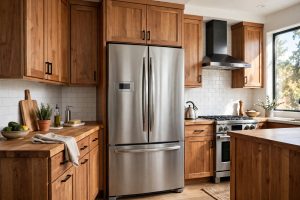
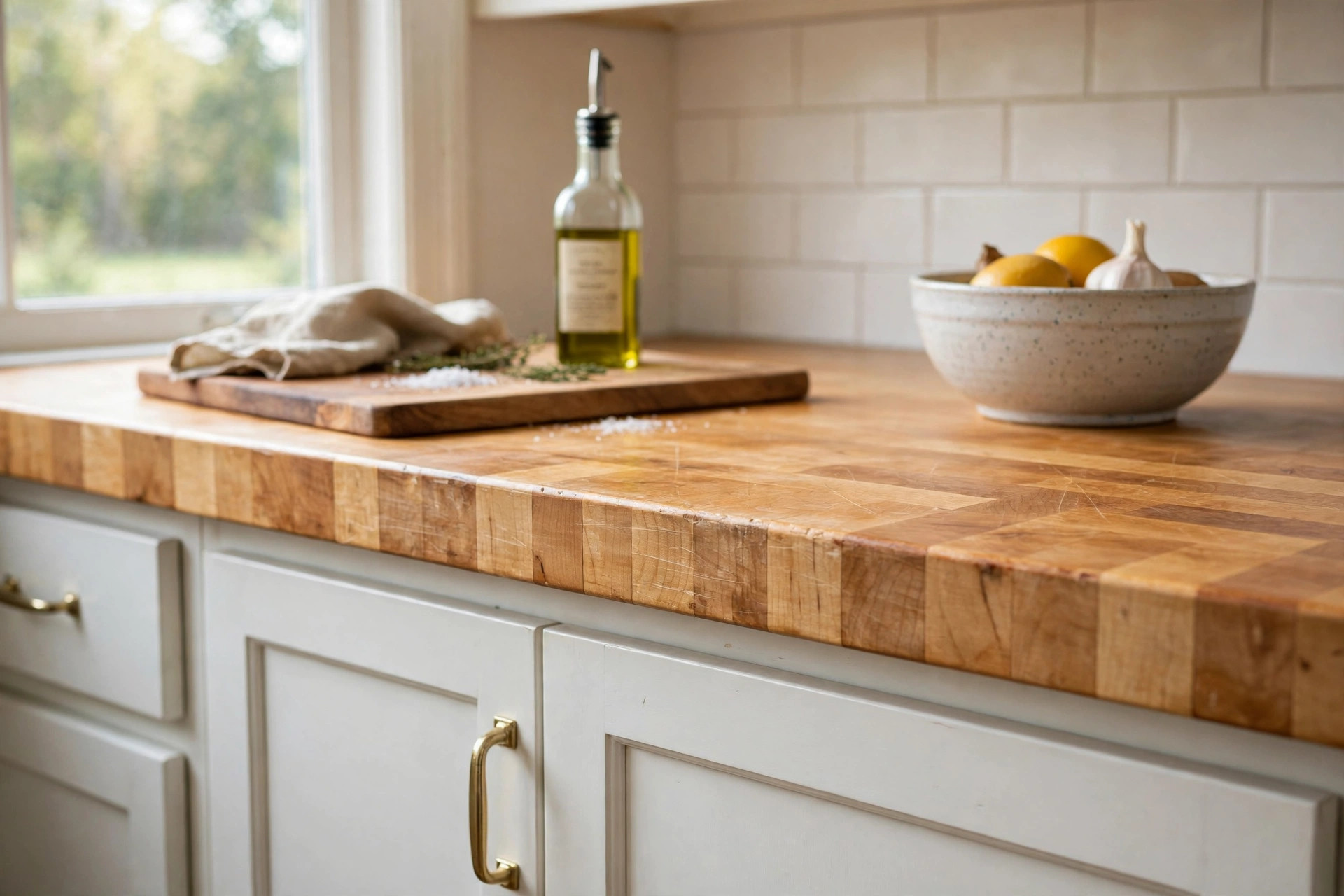
If you are asking about butcher block countertops where to buy usa, you are asking one of the most common kitchen questions of the past forty years. Wood counters bring warmth to a kitchen in a way that stone and plastic cannot match. They feel soft to the touch. They look natural. They can be cut, sanded, and refinished at home with basic tools. Many buyers also find them cheaper than granite or quartz. The market for wood counters in America is broad. You can buy them at big home centers, at lumber yards, at local cabinet shops, and through online sellers. Prices run from a few hundred dollars for a small ready-made top to several thousand dollars for a large custom slab. This guide walks through the main buying options across the United States, explains what to look for, and gives plain advice on cost, care, and safety.
Why It Matters: Butcher Block Countertops Where to Buy Usa
A countertop is one of the hardest-working parts of a kitchen. It takes the heat of pots, the edge of knives, the stain of food, and the weight of heavy bowls. Butcher block is a slab of wood made from strips of lumber glued side by side. The name comes from old butcher shops, where heavy wood blocks served as cutting boards. In the modern kitchen, the same material serves as a full countertop. It suits farmhouse kitchens, simple cottages, and even clean modern rooms where a touch of wood softens the look. Wood is also repairable. A scratch in stone is a job for a pro. A scratch in butcher block disappears with sandpaper and a coat of oil. That is a real advantage for busy families. Many homeowners pair wood counters with other warm materials. For example, they often read about vinyl plank flooring before a full kitchen remodel, because the wood tones of the floor and the counter must work together.
Where to Buy Butcher Block Countertops in the USA
The best place to buy depends on your budget, your timeline, and whether you need a standard size or a custom piece. Below are the main channels, from the most common to the most specialized.
Big Home Centers
The easiest answer to the question of butcher block countertops where to buy in the USA is often the big home center. Stores such as Home Depot and Lowe’s carry ready-made butcher block tops in standard lengths, usually eight, ten, or twelve feet. They stock common woods like maple, oak, birch, and acacia. The price is clear, the product is on the shelf, and you can take it home the same day. Both stores also offer cutting services, delivery, and installation. Many first-time buyers start here because the risk is low. If the top does not suit your kitchen, returns are simple. One honest warning: the stock tops are made for standard cabinet depths. If your kitchen has an island, a corner, or an odd shape, a stock top may need trimming.
Lumber Yards and Hardwood Dealers
A local lumber yard is the choice of serious do-it-yourself builders. These yards sell thick maple, walnut, cherry, and oak boards, and some will glue them into full countertops to your measurements. The quality is often higher than mass-market tops. The grain is selected. The glue-up is tighter. The finish is better. Prices vary by region, but a good yard can match or beat the price of a big store for a better product. Ask the yard manager about food-safe finishes and about the moisture content of the wood. Wood that is too wet will shrink and crack in a heated kitchen. A yard that serves cabinet makers will know these details. Check reviews on The Spruce or ask a local contractor for a yard name you can trust.
Online Sellers and Mail Order
Many buyers now shop online for wood counters. Online sellers offer a wide choice of wood species, edge styles, and custom sizes. You enter your measurements, pick the wood, and the top arrives by freight in a few weeks. This is a good path if you want walnut or teak, which few local stores carry. It is also good for large islands that need one seamless piece. Before you order, read the shipping terms. A freight delivery needs a clear path into your home. Measure your doorways. Also check the return policy. A heavy custom top is costly to ship back. Guides from sites like This Old House explain how to measure a kitchen for new counters, and that advice is worth reading before you place an order.
Local Cabinet Shops and Woodworkers
A local cabinet shop can build a butcher block top to fit your kitchen exactly. This is the most expensive option, but also the most precise. The shop will visit your home, take measurements, and build the top to match. You can choose the wood, the thickness, the edge profile, and the finish. This path suits older homes where cabinets are not square and standard tops will not fit. It also suits buyers who want a showpiece island. Ask to see past work. Ask what finish they use, and ask how long the job will take. A small shop may need three to six weeks. As with any kitchen project, planning pairs well with other upgrades. If you are replacing cabinets and appliances together, brands like Whirlpool and GE Appliances publish sizing guides that help your woodworker plan cutouts for sinks and cooktops.
Kitchen and Bath Showrooms
Kitchen and bath showrooms sell counters as part of a full remodel. They offer design help, and they handle the measuring and the install. This is the most hands-off path. You pay more, but you get one contract and one schedule. Many showrooms carry wood tops alongside stone and solid surface. Ask whether the wood top is included in their warranty. Some cover only their own labor, not the wood itself. For honest product comparisons, Consumer Reports publishes buying guides for kitchen materials that many shoppers find useful before they sign a showroom contract.
What to Look For When You Buy
Buying wood is different from buying stone. Stone is stone. Wood varies. Here is what to check.
Wood species. Maple is the classic choice. It is hard, pale, and fine-grained. It hides wear well. Oak is harder to stain evenly because of its open grain, but it has a bold look many people love. Walnut is dark and rich, but it costs more. Birch and acacia are budget options with a pleasant look. The right species is the one that fits your style and your budget.
Construction style. Butcher block comes in three main builds. Edge grain shows long strips of wood. It is the most common and the most affordable. Face grain shows wide boards with the full grain on display. It is beautiful but can warp if it is thin. End grain shows the cut ends of the wood. It is the hardest and the kindest to knives, but it is the most expensive. For a working kitchen, edge grain is the safe choice.
Thickness. A top that is one and a half inches thick is standard. Thicker tops look better on islands and hold up well over dishwashers. Thin tops can cup or bow in a dry heated kitchen.
Finish. Some tops come with a food-safe oil finish. Some come raw, and you must finish them yourself. An oil finish is simple to repair but needs repeat coats. A hard finish like polyurethane needs less care but shows wear differently and is harder to repair. Know which one you are buying.
Flatness and moisture. Sight down the length of the top before you buy. It should be flat. Ask about moisture content if you buy from a yard. Wood around six to eight percent moisture is right for indoor use in most American homes.
Sink and cooktop cutouts. If you plan a drop-in sink, make sure the top can be cut cleanly. Sealed edges around a sink are a must. Water is the enemy of wood. An undermount sink with wood needs careful sealing and is best left to a pro.
Cost and Price
Butcher block is one of the most affordable solid countertop materials. Typical retail prices in the USA run as follows. A ready-made eight-foot maple top at a home center often costs between two hundred and five hundred dollars. Custom tops from a lumber yard or woodworker run from about fifty to one hundred fifty dollars per square foot, depending on the wood and the region. Walnut and cherry sit at the top of the range. Birch and acacia sit at the bottom. Installation adds to the bill. A simple install of a stock top may cost a few hundred dollars. A custom install with cutouts for a sink and cooktop can cost much more.
Do not forget the finish and the oil. A gallon of food-safe mineral oil and a good sanding block are cheap, but they are part of the real cost. Over ten years, the money you spend on oil is small, but the time you spend is real. If low upkeep is your goal, Bob Vila and similar guides compare wood with stone and solid surface so you can weigh the trade-off before you buy.
Care and Upkeep
Wood counters ask for simple, regular care. Wipe up water. Do not leave a wet dish towel on the top overnight. Oil the surface once a month for the first year, then every few months after. Use mineral oil made for food contact. Warm the oil slightly and rub it in with a cloth. Let it soak, then wipe off the extra. Never use cooking oil like olive oil. Cooking oils turn rancid and leave a bad smell.
Cutting directly on the top is fine if you use a food-safe oil finish. Knives will mark the wood. That is normal. Small marks add character. Deep cuts can be sanded out. Once a year, give the top a full sanding with fine sandpaper and a fresh coat of oil. The top will look new. If the top sits next to a stove, keep hot pots on trivets. Wood scorches. A scorch mark can be sanded out, but it is better to prevent it. Keep the kitchen at normal indoor humidity. Very dry air can cause cracks at the seams.
Safety
A butcher block top is safe for food if you follow a few rules. Use a finish that is rated safe for food contact. Mineral oil and beeswax blends are the common choices. Raw wood is safe to cut on if it is clean and dry. Clean the top with mild soap and water. Dry it after. Do not let raw meat juice sit on the wood. Wipe it up at once and clean the area well. Some buyers worry about germs in the wood. Studies have shown that wood dries out germs as it dries itself, but good cleaning habits matter more than the material.
One more safety note. Butcher block is heavy. An eight-foot top can weigh over one hundred pounds. Lift with a helper. Wear gloves when you handle a rough-sawn edge. If you cut the top at home, wear eye and ear protection and a dust mask. Wood dust is an irritant. Work outside or with good dust collection when you can.
Frequently Asked Questions
Where is the cheapest place to buy butcher block countertops in the USA? The cheapest prices are usually at big home centers like Home Depot and Lowe’s. They sell ready-made tops in standard sizes at clear prices. Local lumber yards can be cheaper for the same quality if you can do the finish work yourself.
Can I buy butcher block countertops online and have them shipped? Yes. Many online sellers cut tops to your measurements and ship them by freight across the USA. Measure twice. Check the shipping and return terms. A custom top is costly to return.
What is the best wood for a butcher block countertop? Hard maple is the classic pick. It is hard, pale, and takes oil well. Walnut is the pick for a dark, rich look. Oak and birch are good budget choices. The best wood is the one that fits your style, your budget, and how hard you work your kitchen.
How long do butcher block countertops last? With simple care, a butcher block top can last twenty years or more. The key is regular oiling and quick cleanup of water. A top that is kept dry and oiled will outlast many other kitchen materials.
Can I put a hot pot on butcher block? No. Use a trivet or a hot pad. Wood scorches at high heat. A scorch mark can be sanded out, but prevention is easier.
Do I need a pro to install butcher block countertops? Not always. A handy homeowner can install a stock top with basic tools. Custom tops, undermount sinks, and cooktop cutouts are best left to a pro. If your kitchen is getting a full remodel, a showroom or contractor can handle the whole job, and you can coordinate with new Bosch appliances and stainless range hoods at the same time. New dishwashers with a third rack also fit well into a wood-counter kitchen plan.
A Final Word
Butcher block countertops reward the buyer who shops with care. Compare wood species. Compare construction styles. Ask about the finish. Buy from a seller who will stand behind the product. In the USA, you have every option from a same-day home center top to a custom piece from a local woodworker. Pick the path that fits your budget and your skills. Keep the top oiled, keep it dry, and it will serve your kitchen for decades. When you plan the rest of the room, look at guides from Energy Star for efficient appliances and lighting, so your new kitchen is as smart as it is warm.
References
Bob Vila. (n.d.). Home improvement advice. https://www.bobvila.com Bosch. (n.d.). Home appliances. https://www.bosch-home.com Consumer Reports. (n.d.). Product reviews and ratings. https://www.consumerreports.org ENERGY STAR. (n.d.). Energy efficient products. https://www.energystar.gov GE Appliances. (n.d.). Kitchen and home appliances. https://www.geappliances.com Lowe’s. (n.d.). Home improvement products. https://www.lowes.com The Home Depot. (n.d.). Home improvement products. https://www.homedepot.com The Spruce. (n.d.). Home and garden advice. https://www.thespruce.com This Old House. (n.d.). Home renovation guidance. https://www.thisoldhouse.com Whirlpool. (n.d.). Home appliances. https://www.whirlpool.com
Was this guide helpful?

About Jennifer Lee
The My Garden US editorial team writes practical, in-depth home and garden guides for American homeowners — tested advice, no fluff.
You May Also Like

Under Sink Filters Buying Guide USA: How to Pick the Right One
July 31, 2026 0 views
Shaker Cabinet Doors Buying Guide USA: What to Know Before You Buy
September 29, 2026 0 views
Under Counter Wine Fridges: Reviews and a Buying Guide for American Homes
May 27, 2026 0 views