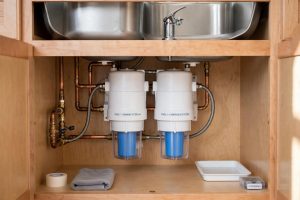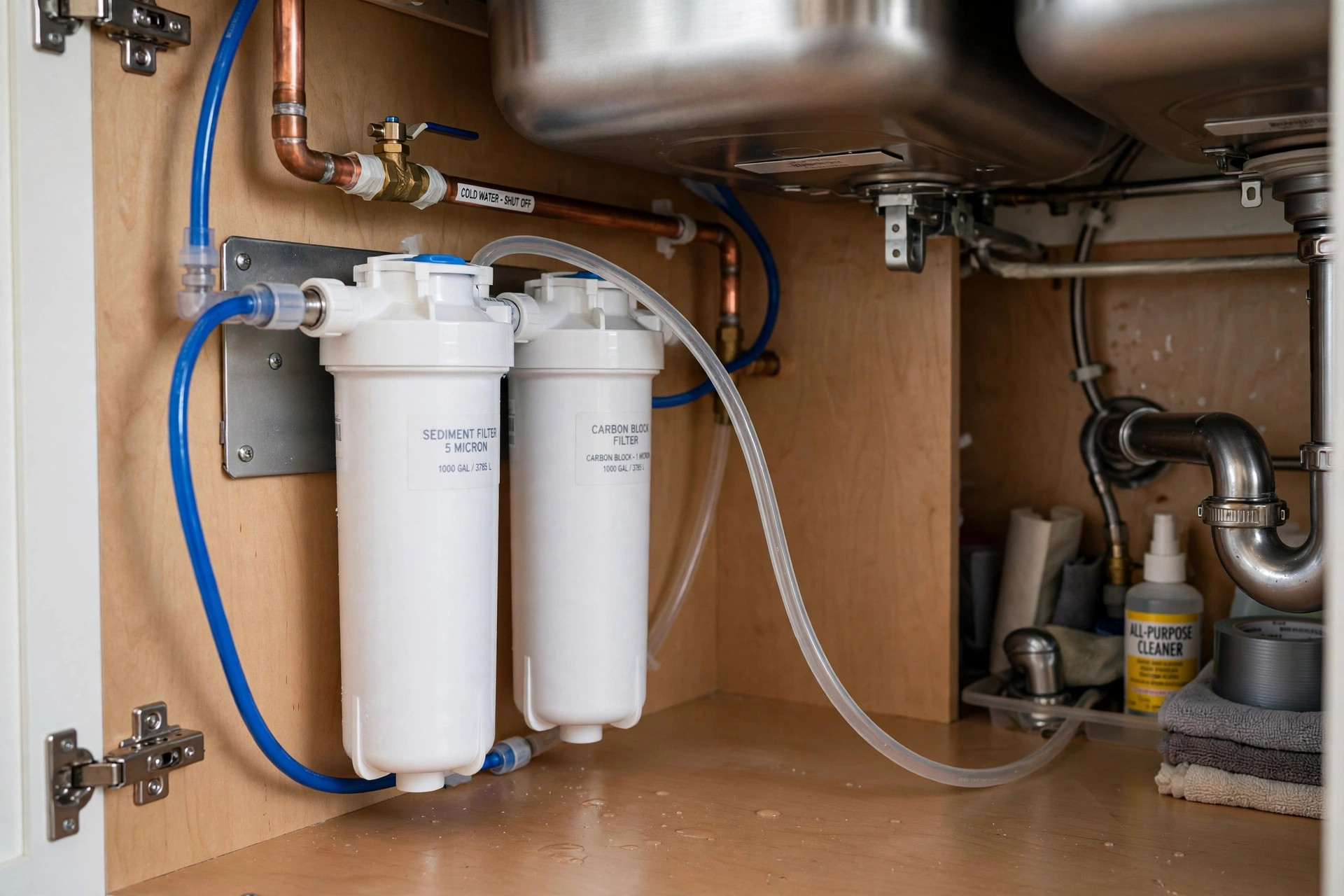

Clean water matters in every home. The water that comes from the tap may carry chlorine, lead, sediment, and other things you cannot see. An under sink filter removes many of these unwanted elements right at the kitchen sink. This under sink filters reviews buying guide usa will help you learn what these systems do, how to pick one, what they cost, and how to keep them working well. You do not need to be a plumber to understand the basics. You only need to know what to look for before you buy.
Why an Under Sink Filter Matters
The kitchen sink is where most families draw their drinking water. They cook with it. They make tea and coffee with it. Children drink it straight from the glass. A filter placed under the sink cleans the water at the point of use. That means the water in the whole house does not need to pass through it. Only the water you drink and cook with gets filtered. This saves money and keeps the filter from wearing out too fast.
Many people buy bottled water because they do not trust the tap. Bottled water costs a great deal over a year. It also leaves plastic behind. An under sink filter can give you water that tastes clean for a fraction of the price. Studies and tests shared by groups such as Consumer Reports show that home filters can reduce chlorine taste and odor in a real way. For many homes in the United States, this is the main gain.
There is another gain. Some filters reduce lead. Lead can enter water through old pipes and fixtures. The risk is higher in older homes. A filter certified to reduce lead can lower that risk at the kitchen tap. That brings peace of mind to families with small children.
How Under Sink Filters Work: Under Sink Filters Reviews Buying Guide Usa
An under sink filter sits in the cabinet beneath the kitchen sink. It connects to the cold water line. In some models, a small separate faucet mounts on the sink or countertop. The filter pushes water through one or more cartridges. Each cartridge holds filter material. The material catches or traps contaminants as water passes through.
Carbon block cartridges are the most common. Carbon is very good at catching chlorine, taste, and odor. It also reduces some chemicals used in farming. Sediment cartridges catch rust and sand. Some systems add a membrane that blocks very small particles. These are called reverse osmosis systems. They filter more, but they also send some water to the drain.
Water flow through an under sink filter is slower than a normal tap in some cases. This is normal. The filter needs time to do its work. Most systems still fill a glass in seconds. You will notice the difference only if you try to fill a large pot fast.
Types of Under Sink Filters
There are four main types sold in the United States. Each has its own strengths. Reviews in our under sink filters reviews buying guide usa cover all four.
Single-Stage Carbon Filters
These are the simplest and least costly. One cartridge of pressed carbon sits under the sink. It reduces chlorine taste and odor and some sediment. It does not remove lead or most dissolved solids. It suits homes with good municipal water that only needs better taste.
Multi-Stage Filters
Multi-stage systems pass water through two or three cartridges. The first catches sediment. The next reduces chlorine and chemicals. The last polishes the water. These systems cost more than single-stage units. They last longer between cartridge changes. They are a good middle choice for most buyers.
Reverse Osmosis Systems
Reverse osmosis systems use a membrane that blocks almost all dissolved material. They reduce lead, fluoride, nitrates, and many other contaminants. They store filtered water in a small tank under the sink. They waste some water in the process. They also need more parts and take up more space. They suit homes with known water quality problems. The EPA drinking water pages explain which contaminants each treatment method can address.
UV and Specialty Systems
Some systems add ultraviolet light. UV light kills germs and bacteria. It does not remove chemicals or lead. It is useful for homes on private wells. Other specialty systems target single problems, such as iron or hard water scale. Buy only what your water actually needs.
How to Choose: What to Look For
Start with your water. Many cities in the United States publish a water quality report each year. It lists what the utility found in the water. Read it. If you use a well, have the water tested by a certified lab. Do not guess. A filter that is not matched to the problem will not help.
Look for certification marks. In the United States, the NSF International mark means the filter was tested by an independent group. NSF/ANSI 42 covers taste and odor. NSF/ANSI 53 covers health effects such as lead. NSF/ANSI 58 covers reverse osmosis. Choose a system certified for the contaminant you want to reduce. A claim on the box means little without third-party testing.
Check the filter life. Cartridges are rated for a number of gallons or months. A single-stage cartridge may last six months. A multi-stage set may last a year. Write the rating down and compare it across models. A cheaper unit with short-lived cartridges can cost more over time.
Check the flow rate. Flow rate is measured in gallons per minute. A rate of 0.5 to 1.0 gallons per minute is common for under sink units. If the rate is too low, filling pots becomes slow. If it is too high for the cartridge design, the filter may not work as well.
Measure your cabinet space. Under sink cabinets hold pipes, a disposal unit, and cleaning supplies. A three-stage system can be wide. A reverse osmosis tank needs room too. Measure before you order. Many product guides at Home Depot and Lowe’s list the unit dimensions so you can plan.
Think about the faucet. Some systems connect to your existing faucet. Others need a separate small faucet. A separate faucet means drilling a hole in the sink or countertop if none is free. Check what your sink already has.
Compare warranties. A good warranty lasts one year or more on parts. Some makers offer longer coverage on the housing. Keep the receipt and the manual. Good records help if a part fails early.
Cost and Price
Prices vary a great deal. A simple single-stage under sink filter can cost between 40 and 120 dollars. A multi-stage system often costs between 120 and 400 dollars. Reverse osmosis systems usually run between 200 and 600 dollars. These are rough ranges for the United States market in recent years.
Cartridge replacements are the ongoing cost. A set of replacement cartridges can cost 30 to 150 dollars per year, depending on the system. Reverse osmosis membranes last two to three years and cost more to replace. Add these costs up over five years when you compare models. A unit that seems cheap at first can become costly if its cartridges are pricey.
Installation adds to the cost if you hire help. A plumber may charge 100 to 300 dollars to install an under sink system. Many homeowners do it themselves. The work takes basic tools and about one hour. If you are not sure about plumbing, hiring help is worth the money.
Look for deals during kitchen renovation sales. Big home stores often run promotions on kitchen upgrades. Our guide to quartz countertop installation deals near me shows how timing a purchase around sales can save money, and the same idea applies to water filters. Appliance makers such as Whirlpool and GE Appliances also sell kitchen products that pair well with a filter upgrade.
Installation Basics
Most under sink filters come with a kit. The kit holds the housing, cartridges, tubing, fittings, and a manual. The steps are much the same across brands.
First, turn off the cold water valve under the sink. Open the faucet to release pressure. Then connect the feed line from the cold water valve to the filter housing. Run the outlet line from the filter to the faucet. If the system needs a separate faucet, mount it in an open hole or drill one.
Use the fittings that come in the box. Do not overtighten plastic parts. They can crack. Turn the water back on slowly and check every joint for drips. Let water run through the new cartridges for several minutes. This flushes out carbon dust. The first few glasses may look gray. That is normal and it passes.
Keep the manual under the sink with the unit. Write the install date on the first cartridge with a marker. This makes it easy to know when to replace it.
Care and Upkeep
An under sink filter needs little care, but it does need regular attention. Change cartridges on time. An old cartridge can stop working and even let trapped material back into the water. Set a reminder on your calendar or phone.
Wipe the housing and check for leaks twice a year. Look at the tubing for cracks or hard spots. Replace tubing if it feels stiff. Sanitize the system once a year if the manual tells you to. Some manuals give a simple bleach step for this.
Keep spare cartridges on hand. Running out means either drinking unfiltered water or paying rush shipping. Buy from a trusted seller. Guides at This Old House and Bob Vila remind readers that genuine replacement parts protect both the warranty and the water quality.
When you plan other kitchen work, think about the filter too. New kitchen island hanging lights where to buy usa and other lighting upgrades can brighten the work area under and around the sink. And if you are replacing major appliances, our look at gas kitchen ranges california homes usa shows how one project often leads to another in the kitchen. Plan the plumbing space so the filter stays easy to reach.
Safety Notes
Filtered water is not sterile. Under sink carbon filters do not kill germs. If your water source is unsafe from bacteria, you need treatment for that too. Homes on private wells should test for bacteria each year.
Never connect a standard under sink filter to the hot water line. Heat can damage cartridges and release trapped material. Always use the cold water line.
Follow the pressure limits in the manual. Most homes have fine pressure, but some do not. If your home pressure is very high, a pressure regulator protects the housing from cracking.
Dispose of old cartridges as the maker directs. Some programs take them back for recycling. Do not burn them. Carbon and plastic do not burn clean.
Frequently Asked Questions
Do under sink filters remove fluoride?
Most carbon filters do not remove much fluoride. Reverse osmosis systems and some special cartridges do. Check the product data sheet for the exact reduction claim. If fluoride is your concern, choose a system certified for it.
How often should I change the cartridges?
Follow the maker schedule. Most carbon cartridges last six to twelve months. Sediment pre-filters may last three to six months. Reverse osmosis membranes last two to three years. Homes with heavy use may need earlier changes. When water flow slows down, the cartridges may be full.
Will an under sink filter lower my water pressure?
It can, a little. The filter adds resistance to the flow. Most users notice only a small change. If pressure drops a great deal, the cartridges may be clogged and need replacement. Check that the feed valve is fully open too.
Can I install an under sink filter myself?
Most homeowners can. The kits include push-fit or compression fittings that need only basic tools. Read the manual fully before you start. If your plumbing is old or crowded, or if you are unsure, hire a plumber. A short service call costs less than fixing a leak.
Are under sink filters better than pitcher filters?
Under sink systems usually filter more water faster and last longer between changes. Pitcher filters are cheaper to start and need no plumbing. For a family that drinks a lot of water, an under sink system often costs less per gallon over time.
Do these filters work with well water?
They can, but well water needs testing first. Wells can carry iron, sediment, and bacteria that city water does not. A sediment pre-filter may be needed. Bacteria need UV light or another disinfection step. Match the system to the test results.
A Final Word
The right under sink filter is the one that matches your water, your space, and your budget. Start with a water test or your city report. Choose a certified system. Plan for the cost of replacement cartridges. Keep up with changes on schedule. Do these simple things and the filter will serve your home well for years.
Home improvement sites such as The Spruce and energy guides from ENERGY STAR can help with the wider kitchen project around the filter. Brands like Bosch show how modern kitchens blend clean design with clean water. Take your time, compare a few models, and read the reviews with a careful eye. Good water is worth the effort.
References
Bob Vila. (n.d.). Home improvement advice. https://www.bobvila.com Bosch. (n.d.). Home appliances. https://www.bosch-home.com Consumer Reports. (n.d.). Product reviews and ratings. https://www.consumerreports.org ENERGY STAR. (n.d.). Energy efficient products. https://www.energystar.gov GE Appliances. (n.d.). Kitchen and home appliances. https://www.geappliances.com Lowe’s. (n.d.). Home improvement products. https://www.lowes.com The Home Depot. (n.d.). Home improvement products. https://www.homedepot.com The Spruce. (n.d.). Home and garden advice. https://www.thespruce.com This Old House. (n.d.). Home renovation guidance. https://www.thisoldhouse.com U.S. Environmental Protection Agency. (n.d.). Protecting human health and the environment. https://www.epa.gov Whirlpool. (n.d.). Home appliances. https://www.whirlpool.com
Was this guide helpful?

About James Carter
The My Garden US editorial team writes practical, in-depth home and garden guides for American homeowners — tested advice, no fluff.
You May Also Like

Stainless Range Hoods for Sale USA: A Plain Buyer’s Guide
July 1, 2026 0 views
Dishwasher Third Rack Deals Near Me: How to Find and Choose One
March 22, 2026 0 views
Quartz Countertop Installation for California Homes
September 25, 2026 0 views