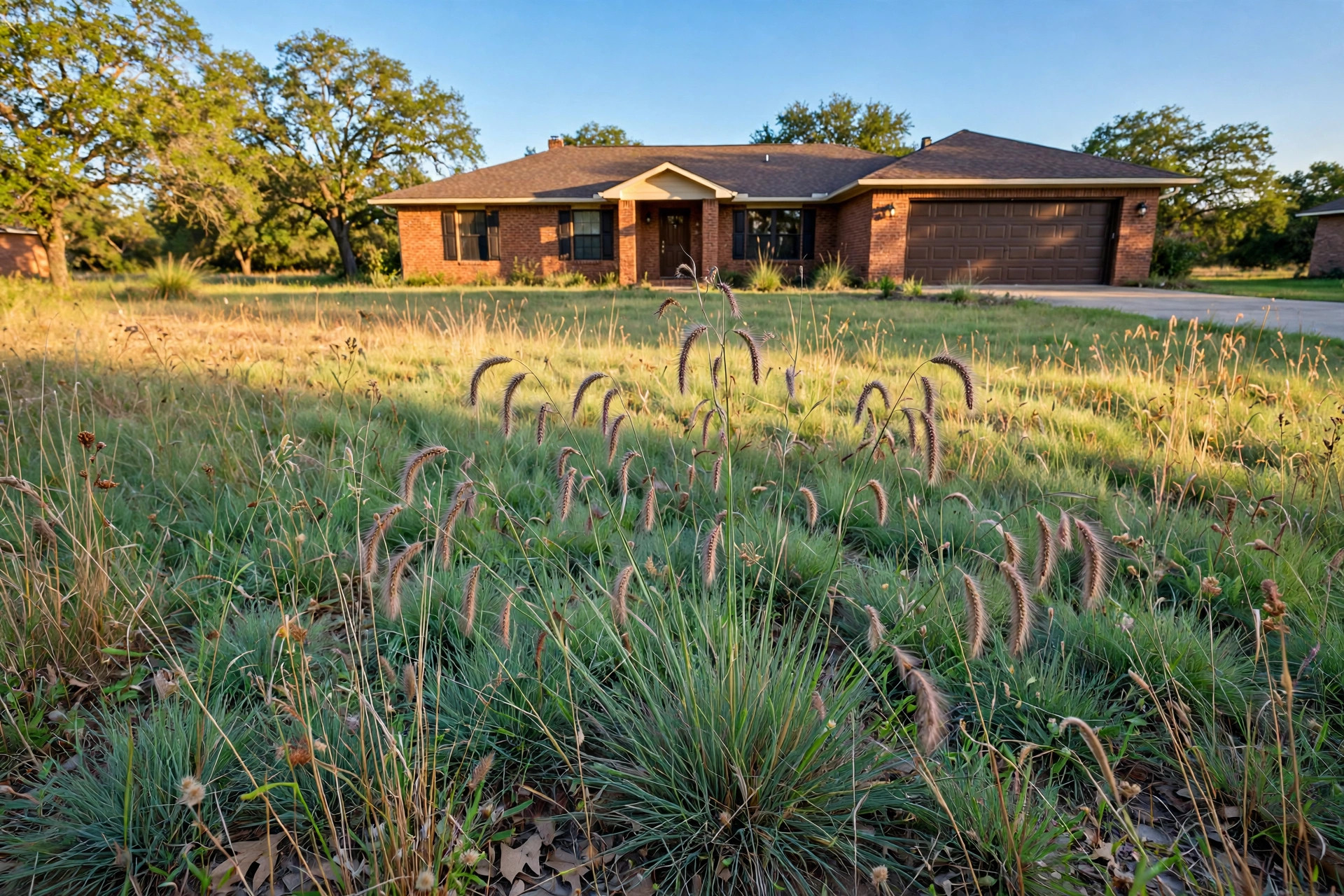
Texas is a hard place for a lawn. Summers are long and hot. Rains come in bursts, then leave for months. Water bills climb. Many grasses that look fine in milder states burn out here. That is why more Texas homeowners now plant native grass seed. Native grasses grew in Texas for thousands of years before lawns existed. They know the heat, the drought, and the soil. With the right seed and a little patience, they make a yard that stays green with less water and less work.
When people search for native grass seed texas homes usa, they want one clear answer: which seed works in Texas, what it costs, and how to plant it. This guide gives that answer in plain words.
Why Native Grasses Matter in Texas
Texas covers a huge range of ground. East Texas is humid and wooded. The Hill Country is rocky and dry. West Texas gets very little rain. No single lawn grass fits every spot. Native grasses solve this problem by matching the land. A grass that evolved in Texas already fits Texas.
The biggest gain is water. A native lawn often needs half the water of a common turf. Some need none after the first year. Deep roots reach water far below the surface. In a drought year, this is the difference between a living lawn and a brown one.
Native grasses also feed local life. Their roots hold soil in place. Their seed heads feed birds in fall. Bees and butterflies visit the flowers that grow among them. A yard of native grass is a small piece of the old Texas prairie.
There is a cost gain too. Less water means lower bills. Less mowing means less fuel and time. Native lawns grow slower and need less fertilizer. Over five years, a native lawn can cost far less than a thirsty turf lawn.
Gardeners who study a native grass seed buying guide before they buy usually pick the right mix the first time. The right mix is the whole game.
How to Choose the Right Seed: Native Grass Seed Texas Homes Usa
Start with your county. Texas sits across several growing zones, from warm Gulf coast towns to cooler northern plains. A grass that thrives near Houston may fail near Amarillo. Local advice is the safest start. County extension offices publish lawn lists for their areas, and plant research from nifa.usda.gov covers warm-season turf science.
Know Your Soil
Much of Texas has clay. Clay holds water but drains slowly. Some parts have sand. A few have limestone rock near the surface. Native grasses tolerate all of these, but the seed mix should match. Read the label. Many bags list the soils they fit. If your yard is heavy clay, pick grasses known for clay, like buffalo grass or blue grama.
Know Your Sun
Most native grasses want full sun, six hours or more. Shade is a weak point for many. If your yard has large oaks, look for shade-tolerant mixes or plan beds of mulch under the trees. Do not expect a sun grass to live in deep shade.
Seed Mixes Beat Single Species
One grass alone is risky. A mix is safer. If one type struggles in a dry spring, another fills in. Good mixes list each grass by percentage. Look for mixes with named varieties, not vague words like “native blend.” A plain list of contents is a sign of a honest seller.
Advice from parkseed.com and the seed catalogs at gurneys.com can help you read these labels with a sharp eye.
Types of Native Grass for Texas Lawns
Four grasses do most of the work in Texas lawns. Each has a clear character.
Buffalo Grass
Buffalo grass is the classic Texas native. It grows low and forms a soft gray-green carpet. It needs very little water once set. It grows slowly, so mowing is rare. It spreads by runners and fills thin spots on its own. Its weak point is shade and heavy traffic. For a quiet front yard with full sun, it is hard to beat.
Blue Grama
Blue grama is a bunch grass with fine leaves and curious seed heads that look like small eyebrows. It handles drought better than almost any lawn grass. It stays short and can be left unmowed for a prairie look, or cut for a lawn look. It mixes well with buffalo grass. Many Texas mixes pair the two.
Sideoats Grama
Sideoats grama is the state grass of Texas. It grows a bit taller and shows oat-like seeds along one side of the stem. It is tough and long-lived. It works well in mixes and in rougher parts of the yard where you want cover more than a smooth lawn.
Texas Bluegrass and Others
Texas bluegrass is a cool-season native that stays green in winter when warm-season grasses sleep. Curly mesquite and Texas grama also appear in mixes. Seed sellers at monrovia.com and whiteflowerfarm.com list region-fit plants and can point you to local stockists.
Plant trials reported by provenwinners.com show how new grass selections are tested for heat and drought before they reach stores.
A strong mix often holds three or four of these grasses together. The mix covers thin spots and stands up to a dry spring. Single-species lawns look neat, but they carry more risk. If the one grass dislikes your soil, the whole yard suffers. Mixes spread that risk across several kinds of roots.
Cost and Price
Native grass seed costs more per pound than common turf seed. A bag of quality native mix may run twenty to forty dollars for enough seed to cover one thousand square feet. A full acre needs far more and can cost several hundred dollars.
But the seed is only the first cost. Compare the years after. A native lawn may need one deep watering a month in summer, or none at all. A Bermuda or St. Augustine lawn may need watering twice a week. At Texas water rates, the native lawn pays back its seed cost within a few summers.
Check prices across native grass seed for sale listings before you buy, and buy seed packed for the current or coming season. Old seed loses its power to sprout.
Planting Steps
Plant in late spring or early summer, when soil is warm. Native warm-season grasses sprout best when daytime temperatures stay above seventy degrees.
1. Clear the ground. Kill or remove old weeds. A clean bed gives seed full contact with soil. 2. Loosen the top inch. Rake the soil lightly. Do not till deep. Native seed is small and must sit near the surface. 3. Spread the seed. Use a spreader for even cover. The rate on the bag matters. Too much seed wastes money. Too little leaves bare spots. 4. Press it in. Roll the area or walk over it. Seed must touch soil. 5. Water lightly and often. Keep the top inch damp until sprouts show, usually in one to three weeks. Then water less and less.
Do not bury the seed. Most native grass seed needs light to sprout. A thin straw cover can hold moisture, but a thick layer of mulch will block it.
Planting calendars from almanac.com help you time the work to your part of Texas. Step-by-step planting help also appears on gardeningknowhow.com.
Care and Upkeep
A native lawn asks less of you, but it still asks for care in the first year.
Watering. In year one, water when the top inch of soil dries. In year two, cut back hard. Mature native lawns in most of Texas do fine on rain alone, with a deep soak in long dry spells.
Mowing. Set the mower high, three to four inches. Taller blades shade the soil and hold moisture. Mow less often than a turf lawn needs. Some owners mow only once a month, or let parts grow tall for a meadow look.
Feeding. Native grasses need little fertilizer. One light feeding in spring is enough for most. Too much nitrogen makes weak, thirsty growth. A soil test every few years tells you what the ground truly needs.
Weeds. Weeds rush into bare soil. Hand-pull early weeds. A thick stand of grass is the best weed control. Avoid strong weed killers in the first year, as they can harm young grass.
Care guides from burpee.com and lawn articles on thespruce.com cover these routines in plain detail.
Safety
Grass seed itself is safe, but read every label. Some mixes include treated seed with a coating. Keep coated seed away from children and pets until it is watered in. Store seed bags off the ground in a dry place, out of reach of kids.
Wear gloves and a dust mask when spreading large amounts. Seed dust can irritate lungs. Wash hands after handling. If you hire help for grading or clearing, make sure the crew knows where seed has been spread so it is not buried by fresh soil.
Many homeowners pair native grass with wildflower seed mixes for sale to add color. Wildflowers are lovely, but some reseed fast and take over. Keep flower patches in beds at first, and let them spread only when you are ready.
Frequently Asked Questions
How long does native grass seed take to grow?
Sprouts usually show in seven to twenty-one days in warm soil. A thin green cover forms in six to eight weeks. A full, thick lawn takes one full growing season. Year two is when a native lawn looks its best.
Can I plant native grass seed over an old lawn?
It works better on cleared ground. Old turf fights new seed for water and light. For best results, remove or kill the old grass first. Overseeding into thin spots works, but a full fresh start gives a fuller stand.
Does native grass stay green in winter?
Warm-season natives turn straw-brown after frost. This is normal. They green up again in spring. If winter green matters to you, Texas bluegrass or a winter overseed can fill the gap.
How much water does a native Texas lawn need?
After the first year, many native lawns need no extra water in normal years. In drought, one deep soaking a month keeps them alive. Compare that with thirsty turf grasses that need water every few days in August.
Is native grass seed safe for dogs?
The grass itself is safe. Keep dogs off newly seeded ground until the grass is set, about eight weeks. Fresh seed washes away under paws. Coated seed should be watered in and dry before pets walk on it.
Can native grasses grow in clay soil?
Yes, many of them prefer it. Buffalo grass and blue grama both do well in heavy Texas clay. Loosen only the top inch before seeding. Deep tilling is not needed and can bring up weed seed.
Where should I buy native grass seed in Texas?
Buy from sellers who list exact species and percentages. Local native plant nurseries are best, as their stock fits your county. Mail-order seed houses also carry Texas mixes. Avoid bags that say only “wildflower and grass mix” with no details.
A Short Final Word
A native grass lawn is a patient project. It will not look like a golf course in month one. But by year two, it gives back more than it takes: lower bills, fewer chores, and a yard that belongs in Texas. Pick seed that fits your soil and sun, plant it warm, water it young, and then step back. The grass knows what to do. It has known for a very long time.
References
Burpee. (n.d.). Seeds, plants, and gardening supplies. https://www.burpee.com Gardening Know How. (n.d.). Gardening guides and plant care. https://www.gardeningknowhow.com Gurney’s Seed & Nursery Co. (n.d.). Seeds, plants, and garden supplies. https://www.gurneys.com Monrovia. (n.d.). Plants for home gardens. https://www.monrovia.com National Institute of Food and Agriculture. (n.d.). Agricultural research and extension. https://www.nifa.usda.gov Park Seed. (n.d.). Seeds, plants, and gardening supplies. https://www.parkseed.com Proven Winners. (n.d.). Plants and gardening inspiration. https://www.provenwinners.com The Old Farmer’s Almanac. (n.d.). Gardening calendars and advice. https://www.almanac.com The Spruce. (n.d.). Home and garden advice. https://www.thespruce.com White Flower Farm. (n.d.). Plants, bulbs, and garden supplies. https://www.whiteflowerfarm.com
Was this guide helpful?

About Robert Taylor
The My Garden US editorial team writes practical, in-depth home and garden guides for American homeowners — tested advice, no fluff.