
Photo: Wikimedia Commons
Lima beans are the connoisseur’s bean — creamy, buttery, and nothing like the pale frozen limas of cafeteria memory. Fresh-shelled limas, cooked minutes after picking, are sweet and rich, and dried limas from your own vines make winter soups worth waiting for. They are fussier than snap beans, though: limas want real heat and a long season, and they punish gardeners who sow too early. Learning how to grow lima beans is mostly an exercise in patience — wait for warm soil, then give them sun and steady water. The USDA PLANTS entry for Phaseolus lunatus confirms its warm-season demands. This guide covers timing, bush versus pole types, watering through flowering, and shelling the harvest. For a quick botanical overview, see the USDA PLANTS entry for Phaseolus lunatus.
Choosing a Variety
Bush limas, like Fordhook 242 and Henderson, grow two feet tall and need no support; they suit shorter seasons and smaller gardens. Pole limas climb eight feet and out-yield bush types dramatically over a long season — King of the Garden is the classic — but they need a tall, sturdy trellis and more weeks of heat. Baby limas (like Henderson) mature faster than the big Fordhook types, which matters at the northern edge of their range. In short-season areas, choose the earliest variety you can find and plant it in your warmest microclimate, against a south-facing wall if possible. The Old Farmer’s Almanac guide to lima beans lists heat-unit needs by variety. Whichever type you grow, do not save grocery-store dried limas for seed; buy fresh, disease-free seed each year.
When and How to Plant
Timing your sowing
Lima Beans goes straight into the ground where it will grow — it does best sown in place. Sow about 3 weeks after your last spring frost, wait until the soil is thoroughly warm — limas demand more heat than snap beans. Sow 1 inches deep, then thin or space seedlings to about 6 inches apart. Crowded plants stay small and invite disease, so give them the room the packet calls for.
Spacing, depth, and days to harvest
From sowing to harvest takes roughly 70 to 90 days, so you can count forward from your planting date and know about when to start watching.
Your seed packet is the final authority on depth and spacing — follow it over any general guide. A soil thermometer takes the guesswork out of timing; when the soil hits the right temperature, sow with confidence.
Frost-date charts from a ZIP-code planting calendar help if you are new to reading your zone.
Soil and Sun
Light needs
It wants full sun — six to eight hours of direct light a day. Less than that and growth turns leggy and yields fall off.
Building good soil
The soil recipe is simple: warm, well-drained soil. A generous digging-in of compost at planting time fixes most imperfect soils.
Hardy in zones 5 through 10, it fits most of the country. If you garden at the cold edge of the range, a sheltered microclimate near a wall buys you a few degrees of safety.
A two-inch mulch of straw or shredded bark does triple duty: it conserves water, suppresses weeds, and moderates soil temperature. Keep mulch a finger’s width from stems to prevent rot.
Soil testing labs listed through the University of Minnesota Extension can confirm your pH before you plant.
Watering and Feeding
Watering routine
Keep the soil evenly moist but not soggy. An inch of water a week, from rain or the hose, is the usual target.
Feeding
Like all beans, limas fix their own nitrogen; avoid nitrogen fertilizer, which grows vines instead of pods. It is not a heavy feeder. Rich soil plus compost is enough — save the strong fertilizer for the hungriest vegetables.
Water in the morning so foliage dries by evening — wet leaves overnight invite disease. A rain gauge, or even a tuna can set out in the rain, tells you how much fell; adjust the hose accordingly.
Irrigation basics from Clemson’s Home & Garden Information Center apply to all of these schedules.
Care Through the Season
Through the season, water consistently — and pay special attention during flowering, because drought then causes blossoms to drop without setting a single pod. Mulch to keep roots cool and moist through summer heat. Like snap beans, limas hate being handled when wet; work among them only when the foliage is dry to avoid spreading bacterial blight. Watch for Mexican bean beetles and aphids on the tender growing tips. A mid-season side-dress of compost tea supports the long haul to maturity, since limas bear over many weeks. UF/IFAS Gardening Solutions has warm-climate bean notes for Southern growers. Pole types need training onto their trellis early; once the vines find the strings they climb eagerly.
Companions and Placement
Lima Beans shares the vegetable bed happily with Green Beans, Sweet Corn, and Tomato — all want the same sunny, fertile ground and similar watering. Think in families when you plan: follow heavy feeders like corn with light feeders like beans, which return nitrogen to the soil, and never plant the same family in the same bed two years running. Good air flow between rows matters as much as good neighbors; crowded beds stay damp and disease follows damp. Tuck quick crops like radishes between slow ones to use every inch, and keep a path wide enough for a wheelbarrow — you will thank yourself at harvest time.
Harvest
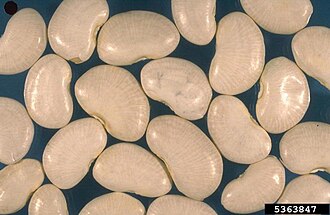
For fresh shelling, pick when pods are plump and bright green but before they yellow — split a pod and the beans should be full size, tender, and pale green. Shell them by hand, which goes faster than it looks once you find the rhythm, and cook or refrigerate the same day. Blanch shelled limas two minutes and freeze them; they keep their buttery texture for months. For dry beans, leave pods on the vine until they rattle, then shell and dry the beans fully before storing in jars — the Missouri Botanical Garden plant finder notes that fully dry beans store for a year or more. Pick every few days; like snap beans, plants slow down when mature pods are left hanging.
Troubleshooting
Seeds that rot instead of sprouting were sown into cold soil — limas need warmth more than any other bean, so wait and re-sow. Blossoms falling without pods usually means drought during flowering or a stretch of extreme heat; keep water steady and mulch well. Small plants with yellow leaves in rich soil are often overfed with nitrogen, which grows vines at the expense of beans — remember they make their own. Aphid clusters on growing tips can be blasted off with water. The USDA National Agricultural Library indexes extension guides on bean diseases for persistent problems. In short-season areas where pods never fill, the answer for next year is an earlier variety, a warmer spot, and black plastic mulch to bank extra heat.
Through the Seasons
Spring
Spring is for preparation and planting. Loosen the bed, mix in compost, and get lima beans in the ground when the soil — not the calendar — says ready. Label every row at planting time; by midsummer all seedlings look alike. Water new plantings gently but thoroughly, and mulch once they are a few inches tall to lock in the spring moisture.
Summer
Through summer, keep the water steady and the harvest coming. Lima Beans does its heaviest work in the warm months, so do not let weeds steal its water or let pests build up unnoticed. Mulch keeps roots cool when the sun is fierce. Sow succession crops in gaps as early plantings finish — bare summer soil is a wasted opportunity and a weed invitation.
Fall and Winter
As the season winds down, harvest the last of the lima beans before hard frost, then clear the bed. Compost disease-free foliage and trash the rest. A blanket of shredded leaves over the empty bed protects the soil all winter. Order next year’s seed early — popular varieties sell out by planting time.
Quick Answers
How long until I can harvest lima beans?
About 70 to 90 days from sowing to harvest under good conditions — count forward from your planting date to know when to start watching.
Where will lima beans grow?
Zones 5 through 10. Inside that range it is hardy and reliable; outside it, grow as an annual or in containers.
Does lima beans need full sun?
Full sun. Give it the sunniest spot you have; shade-grown plants disappoint.
What spacing does lima beans need?
About 6 inches apart. Crowding stunts plants and invites disease, so give each one its room — the harvest is bigger, not smaller, for the space.
Using the Harvest
Fresh-shelled limas, simmered gently until tender and dressed with butter, are the revelatory way to eat them — nothing like the cafeteria kind. They are the essential bean in succotash with sweet corn, and they braise beautifully with tomatoes and herbs. Blanch and freeze shelled beans at their peak; they hold their creamy texture for months. For dry beans, shell fully mature pods, dry the beans hard, and store in jars for winter soups and stews, where they turn silky. Cook dried limas low and slow with a ham bone or smoked turkey for the classic Southern pot. Browse more plant profiles at Gardenia.net’s plant profiles for ideas.
Keep Growing
How to grow lima beans, in the end, is a lesson in waiting: wait for warm soil, water through flowering, and pick pods at their plumpest. The reward is a bean no store can match. For your sowing dates, check your USDA zone planting dates and keep the bean patch going with our guides to how to grow green beans, how to grow sweet corn, and how to grow tomatoes — all fellow lovers of summer heat.
References
- Old Farmer’s Almanac. (n.d.). Growing lima beans in home gardens. https://www.almanac.com/
- U.S. Department of Agriculture. (n.d.). Lima Beans (Phaseolus lunatus) plant profile. https://plants.usda.gov/home
- University of Minnesota Extension. (n.d.). Growing lima beans in home gardens. https://extension.umn.edu/
- Clemson University Cooperative Extension. (n.d.). Home & Garden Information Center. https://hgic.clemson.edu/
Was this guide helpful?

About My Garden US
The My Garden US editorial team writes practical, in-depth home and garden guides for American homeowners — tested advice, no fluff.