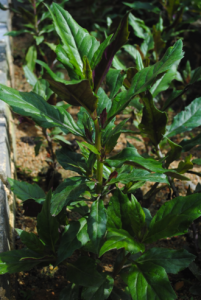
Tepary beans are the toughest beans on earth. Bred over centuries by desert peoples of the American Southwest, they thrive in blazing heat and poor, dry soil where common beans simply give up. When summer turns brutal and other beans drop their flowers, tepary beans keep setting pods. Gardeners learning how to grow tepary beans get an insurance crop for the hottest years.
Table of Contents
Table of Contents
This is not a bean for cool, pampered gardens. Tepary beans want sustained heat, and they are slow to mature where summers stay mild. But in hot regions, from the desert Southwest to the humid Southeast, they outperform every common bean when the thermometer climbs. Think of tepary as the bean you plant in the spot that fries everything else.

Photo: Wikimedia Commons
Quick facts: Sun: full sun. Soil: tolerates poor, dry soil. Water: low; very drought-tolerant. Sow seeds 1 to 1.5 inches deep, 4 inches apart. Days to maturity: 90 to 110. Needs sustained heat; slow in cool summers.
Choosing a Variety and Getting Started
When it comes to how to grow tepary beans, getting the details right makes all the difference.

Many homeowners find that how to grow tepary beans is easier than they expected once they know the basics.
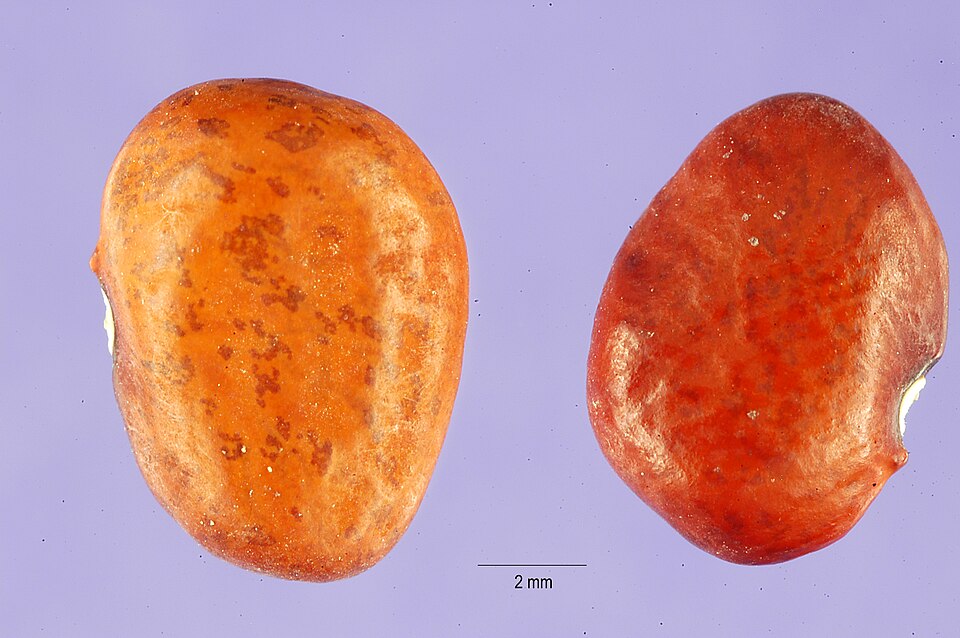
Tepary seed comes from heirloom suppliers and Native seed organizations, in colors ranging from white and tan to brown, speckled, and black. The different colors cook a little differently, but all share the tepary toughness. Buy from a supplier that grows in a climate like yours if possible; locally adapted seed performs best.
Give tepary the hottest spot in the garden. This is not the crop for the cool, shady corner. A south-facing bed, a spot against a heat-radiating wall, or the sunniest row you have is where tepary belongs. Before planting, check your USDA zone planting dates on the planting calendar to make sure your heat season is long enough.
If you have grown green beans and watched them stall in a heat wave, tepary is the answer to that frustration. Lima beans like heat too, but tepary takes it further. Okra is the other great heat-lover to plant alongside it.
When and How to Plant
Many homeowners find that how to grow tepary beans is easier than they expected once they know the basics.
The key to how to grow tepary beans is choosing the right approach for your space and budget.
Direct sow tepary about three weeks after your last spring frost, once the soil has warmed thoroughly. Like all beans, tepary rots in cold, wet ground, so wait for real warmth. In the desert Southwest, that warmth arrives early; in cooler regions, be patient.
Sow the seeds 1 to 1.5 inches deep and 4 to 6 inches apart in rows 24 inches apart. Water them in and keep the seedbed lightly moist until emergence. Seedlings are sturdy and come up quickly in warm soil. Thin to the strongest plants if the stand is too thick; good air circulation matters in humid regions.
The Old Farmer's Almanac planting calendar can help time your sowing. Do not overfeed at planting. Tepary evolved in poor desert soils, and rich feeding is wasted on it. A little compost is plenty, and in decent soil, none is needed.
Soil and Sun
The key to how to grow tepary beans is choosing the right approach for your space and budget.
With a little planning, how to grow tepary beans can fit even a busy schedule.
Full sun, always. Tepary is a desert plant, and shade is its enemy. The soil can be poor, sandy, or rocky; tepary tolerates what other beans cannot. What it will not tolerate is waterlogged ground. Even a desert bean needs drainage, so avoid low spots where water stands after rain.
Do not overwater and do not overfeed. These are the two commandments of tepary. Rich, constantly moist soil produces rank vines and fewer beans, and it invites the root rots that tepary otherwise never sees. Treat it mean and it rewards you. Soil preparation basics from the Clemson Home & Garden Information Center still apply, just with a lighter hand on amendments.
Its botanical background under Phaseolus acutifolius is recorded in the USDA PLANTS Database. Southwestern gardeners can find desert-adapted growing advice through UF IFAS Gardening Solutions, which covers heat-loving crops.
Watering and Feeding
With a little planning, how to grow tepary beans can fit even a busy schedule.
Before you start, it helps to understand how how to grow tepary beans works in real homes.
Water sparingly once the plants are established. Tepary resents wet feet, and drought suits it. A deep watering every week or two in the absence of rain is plenty in most soils; in the desert, it might need a bit more, but still far less than common beans. The plants tell you when they are thirsty by wilting slightly in afternoon heat and recovering by morning. If they do not recover overnight, water.
At flowering and pod fill, a little extra water helps set a bigger crop, but do not turn the bed into a swamp. The goal is to support the plants through their productive peak without pampering them. Mulch lightly to hold what moisture there is, but keep it from piling against the stems.
Feed nothing. Tepary fixes its own nitrogen and evolved without fertilizer. If you must do something, a thin compost mulch is the maximum. The University of Minnesota Extension notes the same principle for beans generally: they feed themselves.
Care Through the Season
Before you start, it helps to understand how how to grow tepary beans works in real homes.
A good plan for how to grow tepary beans saves time, money, and frustration.
Weed early, until the plants cover the ground. Young tepary plants are not strong competitors, but once they size up, their canopy shades out most weeds. A couple of shallow hoeings in the first month usually suffice.
Few pests trouble tepary. Its desert toughness extends to insects; most bean pests prefer lusher, softer plants. In humid regions, give the plants good spacing for airflow to prevent fungal issues. Otherwise, tepary is one of the lowest-maintenance beans you can grow.
Let the pods dry fully on the plant before harvest. Tepary is a dry-bean crop. The plants will yellow and the pods will turn papery; that is the crop telling you it is nearly done. Do not irrigate during the dry-down.
Harvest
A good plan for how to grow tepary beans saves time, money, and frustration.
For most people, how to grow tepary beans comes down to a few smart choices.
Harvest dry pods when they rattle. Pick the pods by hand over several pickings, or pull whole plants and thresh them on a tarp. Either method works; hand picking catches each pod at its peak and avoids shattering losses. Do the harvest on a dry day.
Thresh by crushing the dry pods and winnowing away the chaff, or simply shell them by hand while you listen to the radio. It is meditative work. Dry the beans further indoors before jarring, until they are hard and crack cleanly. Store sealed in a cool, dark place.
The small, dense beans cook into rich, meaty pots, a staple of desert agriculture for centuries. They take a little longer to cook than common beans, so soak them overnight and simmer until tender. The flavor is deep and earthy, worth every minute.
Cooking Tepary Beans
For most people, how to grow tepary beans comes down to a few smart choices.
If you are new to how to grow tepary beans, start with the simplest option and build from there.
Tepary beans reward the cook who gives them time. Soak the dried beans overnight in plenty of water; they are dense little beans and the soak shortens the cooking considerably. Drain, cover with fresh water, and simmer gently until completely tender. This takes longer than common beans, so plan ahead and do not rush the pot. The reward is a rich, meaty, deeply earthy bean that stands up to bold seasoning.
They shine in the traditional desert preparations: simmered with onion and garlic into a thick pot, seasoned with chiles, or mashed into refried-style beans. Their dense texture means they hold their shape in stews and chilis instead of dissolving. A pot of tepary beans with cornbread is a complete meal with deep roots in Southwestern food history.
Store the dried beans sealed in jars in a cool, dark place, where they keep for years. Save a generous scoop of the best beans for next year's seed; tepary seed stays viable for several years in cool, dry storage. Growing your own seed supply of a desert-adapted bean is its own quiet form of food security, and it costs nothing but a jar on the shelf.
Saving Tepary Seed
If you are new to how to grow tepary beans, start with the simplest option and build from there.
When it comes to how to grow tepary beans, getting the details right makes all the difference.
Tepary beans make seed saving easy, and you should do it. The plants are largely self-pollinating, so the seed comes true without isolation fuss. At harvest, set aside the largest, most perfect beans from your healthiest plants, choosing from the earliest-maturing pods if your season is short. Dry them thoroughly indoors before storing; seed that feels fully hard and cracks cleanly when bitten is dry enough.
Store the seed in a sealed jar in a cool, dark place, labeled with the variety and the season. Tepary seed stays viable for several years, but fresh seed germinates most vigorously, so aim to grow a seed crop every year or two. A single healthy plant produces far more seed than you need for the next planting, which means you can share generously.
Sharing tepary seed is worth doing deliberately. This is a heritage desert crop, and every gardener who grows it keeps its genetics alive and adapting to local conditions. Seed swaps and local exchanges are full of gardeners looking for exactly this kind of tough, heat-proof bean. Your surplus seed might become someone else's insurance crop.
Troubleshooting
When it comes to how to grow tepary beans, getting the details right makes all the difference.
Many homeowners find that how to grow tepary beans is easier than they expected once they know the basics.
Plants grow slowly in a cool summer. Tepary needs sustained heat. In cool regions, give it the warmest microclimate you have, such as a south-facing wall, and choose the earliest variety available. Some years will simply be too cool.
Pods drop during a heat wave. Paradoxically, even tepary has limits, usually when heat combines with drought at flowering. A deep watering during bloom prevents most flower drop.
Seeds rot after planting. Cold, wet soil. Wait for warmth, improve drainage, and replant. Tepary forgives heat; it does not forgive cold mud.
Vines grow wild with few pods. Too much water or nitrogen. Back off both. Tepary produces best under lean conditions.
Tepary beans are your insurance policy for hot, dry summers: plant them where common beans fry, and they will still deliver. For another desert-tough staple, okra shares the heat. Deeper background on traditional desert crops is available through the USDA National Agricultural Library, and Gardenia.net profiles the plant for home gardeners.
References
Many homeowners find that how to grow tepary beans is easier than they expected once they know the basics.
Old Farmer's Almanac. (n.d.). Growing beans in home gardens. https://www.almanac.com/
Clemson Cooperative Extension. (n.d.). Home & Garden Information Center. https://hgic.clemson.edu/
UF IFAS Gardening Solutions. (n.d.). Vegetable gardening in hot climates. https://gardeningsolutions.ifas.ufl.edu/
Missouri Botanical Garden. (n.d.). Plant finder. https://www.missouribotanicalgarden.org/
Was this guide helpful?

About My Garden US
The My Garden US editorial team writes practical, in-depth home and garden guides for American homeowners — tested advice, no fluff.