Choy sum is the quickest stir-fry green you can grow. From seed to harvest in as little as 40 days, it produces tender stems, leaves, and flower buds that cook in minutes with garlic and oil. It is a staple of Cantonese cooking and a revelation for gardeners who have only grown slow European greens. Learning how to grow choy sum is mostly about timing: sow in cool weather, harvest at the first sign of buds, and never let heat catch it.
Table of Contents
Table of Contents
Speed is the whole story. Choy sum grows so fast that you can succession-sow every two weeks and keep a continuous supply through spring and fall. But that speed comes with a temper: heat makes it bolt, sometimes in a matter of days. The gardener's job is to ride the cool seasons and stay ahead of the flower stalk.

Photo: Wikimedia Commons
Quick facts: Sun: full sun to part shade. Soil: rich, moist. Water: consistent moisture. Sow 0.25 inch deep, thin to 6 inches apart. Days to maturity: 40 to 60. Cool-season annual; bolts fast in heat.
Choosing a Variety and Getting Started
When it comes to how to grow choy sum, getting the details right makes all the difference.
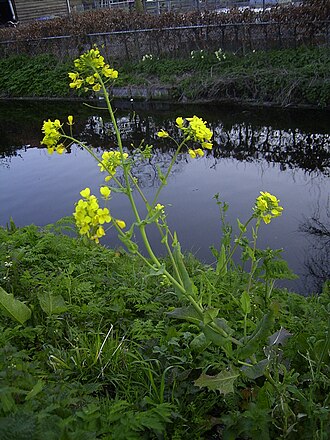

Many homeowners find that how to grow choy sum is easier than they expected once they know the basics.
Choy sum seed is sold by Asian vegetable suppliers, in green-stemmed and purple-stemmed types. The green types are the classic; the purple types add color to the plate. There are also differences in flowering time, with some varieties bred to be slower to bolt. If you garden where spring warms up fast, choose a slow-bolting type.
Sow in cool weather. This is the non-negotiable rule. Choy sum is a cool-season annual, and heat triggers bolting almost immediately. Spring and fall are its seasons; summer is not. Before sowing, check your USDA zone planting dates on the planting calendar to find your cool-season windows.
If you have grown mustard greens or arugula, you know the cool-season rhythm. Lettuce shares the succession-sowing habit that keeps the harvest continuous.
When and How to Plant
Many homeowners find that how to grow choy sum is easier than they expected once they know the basics.
The key to how to grow choy sum is choosing the right approach for your space and budget.
Direct sow choy sum in early spring, about two weeks before your last spring frost, and again in late summer for fall harvest, about eight weeks before your first fall frost. The seed germinates quickly in cool soil. Sow about a quarter inch deep and thin the seedlings to 6 to 8 inches apart once they are up.
Succession sow every two to three weeks through the cool season for a steady supply. Because each sowing matures in 40 to 60 days, a spring series of three sowings can carry you from the first warm weeks well into early summer, and a fall series does the same in reverse. Mark each sowing date so you know what is coming.
The Old Farmer's Almanac planting calendar helps you place the sowings. In mild-winter areas, choy sum grows through winter, giving you greens when the garden would otherwise rest.
Soil and Sun
The key to how to grow choy sum is choosing the right approach for your space and budget.
With a little planning, how to grow choy sum can fit even a busy schedule.
Give choy sum full sun to part shade and fertile, moist soil. In the cool seasons when it grows, full sun is fine; as the weather warms, part shade buys you a few extra days before bolting. Rich soil grows it best: dig in plenty of compost before sowing.
The soil must stay consistently moist. Drying out triggers bolting, which is the last thing you want. A humusy soil that holds water, plus mulch once the seedlings are up, keeps moisture even. The Clemson Home & Garden Information Center covers moisture-holding bed preparation for leafy crops.
Its background under Brassica rapa var. parachinensis is listed in the USDA PLANTS Database. The University of Minnesota Extension offers solid cool-season green guidance.
Watering and Feeding
With a little planning, how to grow choy sum can fit even a busy schedule.
Before you start, it helps to understand how how to grow choy sum works in real homes.
Water consistently. This is the golden rule for choy sum. The soil should never dry out completely during the growing period. Inconsistent watering stresses the plants and pushes them toward bolting. A regular deep watering, plus mulch, keeps things even. In a rainy spring, nature does the work for you.
Feed lightly. Rich soil at sowing is usually enough for a 40-day crop, but a light liquid feed halfway through helps in poor soil. Do not overdo nitrogen; soft, overfed growth bolts faster and attracts aphids. If the plants are deep green and growing fast, they are fed.
Thin on time. Crowded plants compete for water and bolt early, so thin to the recommended spacing when the seedlings are small. It feels wasteful to pull healthy seedlings, but the remaining plants will be far more productive.
Care Through the Season
Before you start, it helps to understand how how to grow choy sum works in real homes.
A good plan for how to grow choy sum saves time, money, and frustration.
Cover with row cover to exclude flea beetles, the main pest. These tiny beetles chew pinhead holes in the leaves and can ruin a fast crop before you notice. A lightweight row cover from sowing to harvest keeps them off without any spraying. It also buffers temperature swings, which helps delay bolting.
Watch for aphids on the growing tips, especially as the weather warms. A strong spray of water dislodges them. Because the crop is so fast, pest problems rarely have time to become serious if you start clean and keep the plants growing vigorously.
The real care task is vigilance. Check the bed daily as harvest approaches. A few warm days can take choy sum from perfect to bolted, and the harvest window is short. This is a crop that rewards the gardener who walks the garden every morning.
Harvest
A good plan for how to grow choy sum saves time, money, and frustration.
For most people, how to grow choy sum comes down to a few smart choices.
Harvest whole plants when the stems are tender and the first flower buds show. That is peak flavor: the classic choy sum stage, with sweet stems, tender leaves, and unopened buds. Cut at the base, rinse, and cook the same day.
Stir-fry with garlic is the canonical preparation: hot oil, sliced garlic, choy sum, a splash of water to steam, salt to finish. Two minutes, done. The stems stay crisp-tender and the buds turn sweet. It is one of the great quick vegetable dishes, and homegrown choy sum is noticeably sweeter than store-bought.
Use it quickly. Choy sum wilts fast after harvest, faster than most greens. Pick it when you are ready to cook, or refrigerate immediately in a bag. A day-old bunch is a shadow of a fresh one.
Choy Sum in the Kitchen
For most people, how to grow choy sum comes down to a few smart choices.
If you are new to how to grow choy sum, start with the simplest option and build from there.
Speed defines the cooking as much as the growing. Choy sum goes from garden to plate in minutes, and it should. The classic preparation could not be simpler: rinse the whole plants, heat oil in a wok until it shimmers, add sliced garlic for a few seconds, then the choy sum with a splash of water. Cover for a minute to steam, uncover, toss with salt, and serve. The stems stay crisp-tender, the buds turn sweet, and the whole dish takes under five minutes.
Blanching is the other essential technique. Drop the plants in boiling salted water for a minute, lift them out, and dress with oyster sauce and a drizzle of hot oil. This is the restaurant preparation, and it works because choy sum's mild sweetness needs almost no help. Do not overcook it; limp choy sum is a sad thing, while crisp-tender choy sum is one of the great quick vegetables.
Plan your sowings around your cooking. Because each sowing matures in 40 to 60 days and the harvest window is short, succession sowing every two weeks is really meal planning. A spring series of three sowings means fresh choy sum for the table from the first mild weeks into early summer. Harvest in the morning, cook at dinner, and the garden-to-wok time is measured in hours.
Choy Sum for the Fall Garden
If you are new to how to grow choy sum, start with the simplest option and build from there.
When it comes to how to grow choy sum, getting the details right makes all the difference.
The fall sowing is often the best sowing. Spring choy sum races against rising temperatures, and a sudden hot spell can bolt the whole planting just as it nears harvest. Fall plantings work in reverse: the weather cools as the plants grow, which is exactly what choy sum wants. The result is a longer harvest window, sweeter stems, and far less bolting stress.
Sow about eight weeks before your first expected fall frost, and keep the seedbed moist through the warm late-summer days. Shade cloth over the new sowing helps germination when the soil is hot. Once the seedlings are up and the weather cools, they grow fast and sweet. In mild-winter regions, succession sowings through fall give you choy sum when the garden would otherwise be winding down.
Protect late plantings with row cover as frosts threaten. Choy sum tolerates light frost, and the cover buys you extra weeks of harvest. A fall bed under cover, picked every few days, is one of the most productive small spaces in the cool-season garden. Plan it deliberately and the reward is stir-fry greens deep into the cold months.
Troubleshooting
When it comes to how to grow choy sum, getting the details right makes all the difference.
Many homeowners find that how to grow choy sum is easier than they expected once they know the basics.
Plants bolt before sizing up. Heat or drought stress. Sow only in cool weather, water consistently, thin on time, and choose slow-bolting varieties.
Flea beetles riddle the leaves. Cover with row cover from sowing. Once the beetles are in, they are hard to evict from a fast crop.
Seedlings damp off. Soggy, cold soil. Sow in well-drained ground and avoid overwatering before emergence.
Harvest is bitter. Overmature or heat-stressed plants. Harvest at the first sign of buds, not after flowers open, and keep the plants cool and watered.
Choy sum is the fast lane of the vegetable garden: sow in cool weather, water faithfully, and harvest at the first buds. For another quick cool-season green, arugula follows the same playbook. More Asian green guidance is available from Gardenia.net, and background through the USDA National Agricultural Library.
References
Many homeowners find that how to grow choy sum is easier than they expected once they know the basics.
University of Minnesota Extension. (n.d.). Growing Asian greens in home gardens. https://extension.umn.edu/
Old Farmer's Almanac. (n.d.). Growing greens in home gardens. https://www.almanac.com/
Clemson Cooperative Extension. (n.d.). Home & Garden Information Center. https://hgic.clemson.edu/
Missouri Botanical Garden. (n.d.). Plant finder. https://www.missouribotanicalgarden.org/
Was this guide helpful?

About My Garden US
The My Garden US editorial team writes practical, in-depth home and garden guides for American homeowners — tested advice, no fluff.
You May Also Like
How to Grow Sorrel: Tips for USA Gardens
October 14, 2026 19 views
How to Grow Lovage: Perennial Celery Flavor
November 15, 2026 0 views
Air Plants Bulk Reviews Buying Guide USA: How to Buy Healthy Tillandsia in Large Packs
July 20, 2026 18 views