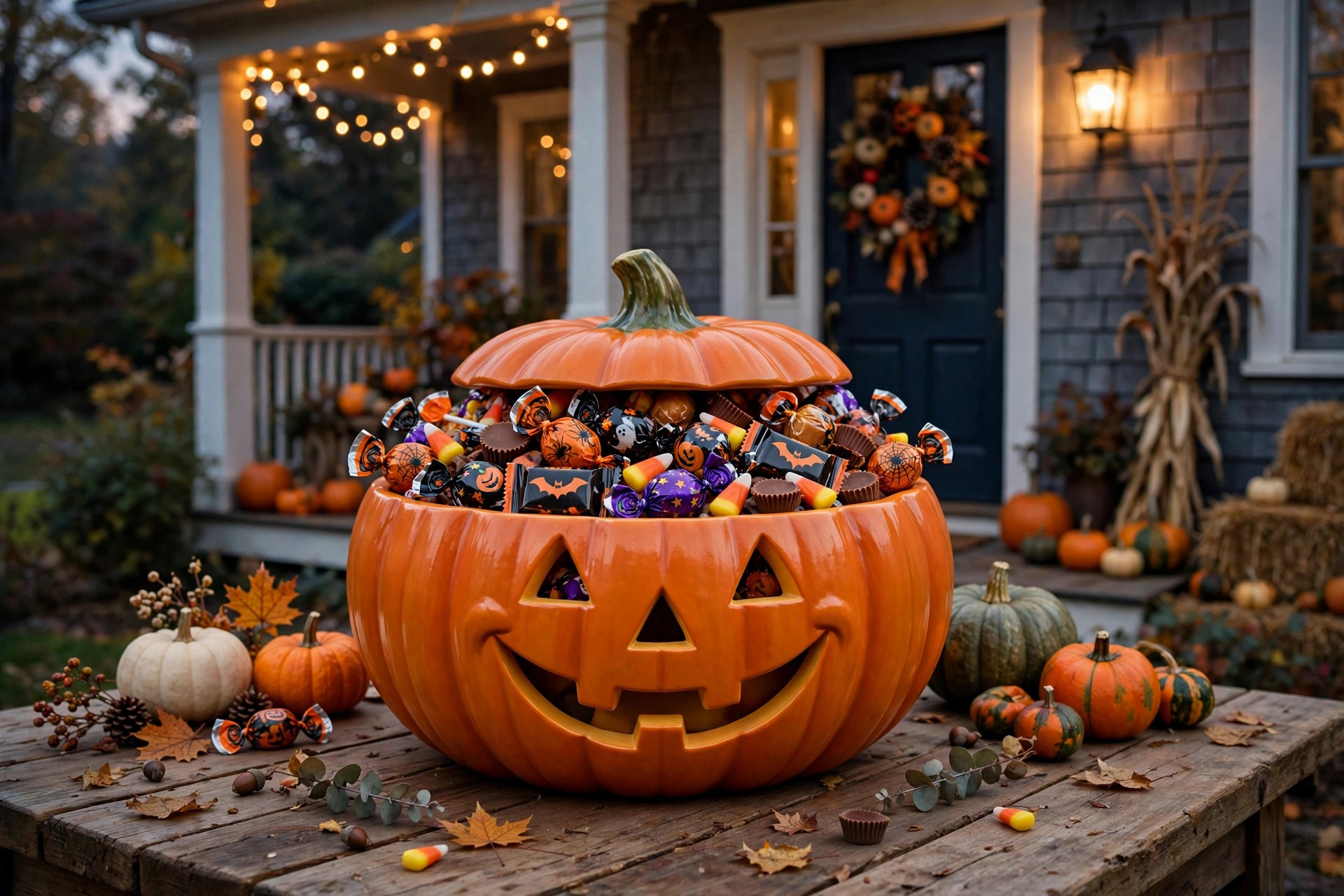

Few things matter more on Halloween night than the best Halloween candy bowl for trick or treaters at your front door. Children walk up your path in costume. They knock. They call out the old phrase. Then they look down to see what you offer. The bowl you choose sets the tone for that short visit. It should hold plenty of candy. It should look right for the season. And it should be safe and easy for small hands to reach into. This guide walks through every point that matters, so you can choose with care and enjoy the evening.
Why the Right Candy Bowl Matters
The candy bowl is the first thing a child sees when your door opens. A plain kitchen bowl does the job, but it does not add to the fun. A bowl made for Halloween adds to the fun. It tells children that your house is part of the night. It can match your porch lights, your jack-o-lanterns, and the rest of your front step display.
There is also a practical side. Halloween brings many visitors in a short time. Some streets see dozens of children in two or three hours. A small bowl empties fast. Then you must refill it while the next group waits. A large bowl saves you trips back to the pantry. A wide opening lets several children reach in at once without pushing. A stable base keeps the bowl from tipping when small hands dig through the candy.
The right bowl also protects your candy. Bowls with lids or covers keep the treats fresh before the rush begins. Some bowls come with a stand that holds a small umbrella over the candy to keep dew and light rain off. These small details matter on a cold October night when the air is damp.
What to Look for When You Choose: Best Halloween Candy Bowl for Trick or Treaters
Size and Capacity
Size is the first thing to check. A good trick or treat bowl should hold at least two to three pounds of wrapped candy. That amount serves most homes for a full evening. If your street draws heavy traffic, look for bowls that hold five pounds or more. Measure your porch table before you buy. The bowl should fit with room to spare for your decorations.
Shape and Opening
Wide, low bowls work best. A wide opening gives children a clear view of the candy. It also lets them take one piece without knocking the bowl over. Narrow bowls force small hands to squeeze past each other. Tall, narrow bowls tip easily when children reach in with force. Look for a low center of gravity and a rim that is easy to grip from any side.
Material
Candy bowls come in plastic, ceramic, metal, glass, and wood. Plastic is light and will not break if it falls. It is the best choice for houses with many small visitors. Ceramic and glass look nice but can break on hard porch floors. Metal bowls last for years but can feel cold to the touch on a chilly night. Wood bowls have a warm look and are strong, but they cost more.
For outdoor use, choose a material that stands up to cold and damp air. Many buyers like shatterproof plastic or melamine for the porch. They look like ceramic but bounce instead of breaking. Check the product page on sites like Home Depot for material details before you order.
Ease of Cleaning
Candy leaves a sticky film. Chocolate melts in warm weather. Choose a bowl with a smooth inside surface that wipes clean with a damp cloth. Avoid bowls with deep grooves or rough textures that trap sugar. Bowls that are dishwasher safe save time after the holiday.
Stability
A bowl full of candy is heavy. A bowl half empty is light and can slide. Look for a wide base or rubber feet that grip the table. Some bowls have weighted bottoms. Test the bowl on your porch table before the big night. Push it gently from the side. If it slides or rocks, place a non-slip mat under it.
Types of Halloween Candy Bowls
Themed Novelty Bowls
These bowls carry the classic Halloween look. You will find pumpkins, ghosts, witches, black cats, and bats. Some are shaped like a witch’s cauldron. Others look like a grinning skull with the top cut open to hold candy. Children love these designs. They fit well with the rest of your spooky decor, such as Halloween porch signs and yard displays. Sites like Michaels and Wayfair carry wide ranges of seasonal designs each fall.
Motion and Sound Bowls
Some bowls come with sensors. When a hand reaches in, the bowl moves, talks, or lights up. A popular style is a hand-shaped bowl that closes around the candy. Another plays a short laugh or a creak. These bowls thrill older children. They may scare very small ones. If your street has many toddlers, choose a quiet bowl or turn the sound off for the early hours.
Lit Bowls
Light-up bowls use small battery lights inside the rim or base. The glow makes the candy easy to see after dark. It also draws children toward your door. Most use LED lights that stay cool to the touch. Check that the battery box has a tight cover so small fingers cannot open it.
Large Serving Bowls in Fall Colors
If you prefer a calm look, choose a large serving bowl in orange, black, or deep brown. These bowls hold plenty of candy and match fall table settings. You can fill the space around them with small pumpkins, leaves, and candles. This style works well indoors too, for a party table. Browse fall decorating ideas on Country Living for ways to style the table around the bowl.
Bowls with Lids
A lid keeps dust, leaves, and insects away from the candy before visitors arrive. Some lids are shaped like a pumpkin top or a witch hat, which adds to the theme. Remove the lid once the rush starts, or choose a bowl with a lid that props open on its own.
Cost and Price
Most Halloween candy bowls cost between five and thirty dollars. Simple plastic bowls in pumpkin or ghost shapes sell for five to twelve dollars. Mid-range bowls with lights, sound, or larger size run twelve to twenty-five dollars. Handmade ceramic or carved wood bowls can cost thirty dollars or more.
Price often reflects size and detail rather than quality alone. A ten-dollar plastic bowl can serve you for many years if you store it well. Before you pay more, ask yourself what the extra money buys. A light-up feature is worth it if your porch is dark. A hand-painted ceramic bowl is worth it if it doubles as indoor decor. Read buyer reviews on Consumer Reports and retail sites to see how a bowl holds up after one season.
Remember to budget for the candy itself. The bowl is a one-time cost. The candy is a yearly cost. A large bowl tempts you to buy more candy to fill it. Buy only what your street needs. Leftover candy is fine, but waste is not.
Care and Upkeep
After Halloween, empty the bowl and throw away any unwrapped or damaged candy. Wash the bowl with warm water and mild soap. Dry it fully before you store it. Moisture left in the box can cause smells or mold by next October.
Store the bowl in its original box if you have it. If not, wrap it in a soft cloth or old towel. Keep it in a dry closet or attic. Avoid stacking heavy items on top of plastic bowls, which can warp under weight. For bowls with batteries, remove the batteries before storage. Old batteries can leak and ruin the light or sound parts.
Check the bowl each September before you set it out. Test lights and sounds. Tighten any loose parts. A quick check saves you from a dead bowl on Halloween night.
Safety
Safety comes first with any item children will touch. The U.S. Consumer Product Safety Commission offers guidance on holiday products, and a few simple rules cover most bowls.
Keep small parts out of reach. Some novelty bowls have loose eyes, hats, or other decorations that can come off. Pull on each part before the holiday. If a piece comes loose, glue it down or remove it.
Watch the candy, not just the bowl. Serve only factory-wrapped candy. Throw away anything with a torn wrapper. Do not serve homemade treats to trick or treaters you do not know. Parents trust sealed wrappers.
Place the bowl where children can reach it without climbing. A bowl on a low table or a sturdy step is best. Do not place it on a wobbly chair or near the edge of a high porch rail. Keep cords from light-up bowls tucked away so no one trips.
If you use candles near the bowl, keep them well away from the candy and from costumes. Battery candles are safer than real flames. For more on safe decorating, see the home and safety guides on The Spruce and Good Housekeeping.
Allergies are another point to keep in mind. Many children cannot eat nuts, milk, or gluten. You can keep a small separate bowl with non-food treats such as stickers, small toys, or pencils. A teal pumpkin on your porch tells parents that you offer allergy-safe choices. This small step makes the night better for every child.
How to Set Up Your Candy Station
A good candy bowl deserves a good setup. Place the bowl on a table near your front door where children can see it from the walk. Add a small sign that says “Take One” or “Take Two” if you want to stretch your candy supply. Signs in fun Halloween lettering add to the theme.
Light the area well. Pair your bowl with orange Halloween lights for the house exterior so children can find your door in the dark. A lit path is safer for small feet and shows your house is open for visitors.
Keep a backup supply of candy inside near the door. When the bowl runs low, refill it between groups. Do not leave the bowl unattended for long. An empty bowl on a dark porch tells children to skip your house.
If you want the full fall look, place fall candle holders for the dining table centerpiece style accents around the bowl. Small pumpkins, dried corn, and battery candles turn a simple table into a warm welcome.
Frequently Asked Questions
How much candy should the bowl hold?
For most homes, a bowl that holds two to three pounds of wrapped candy is enough. Streets with heavy foot traffic may need five pounds or more. It is better to refill a medium bowl once than to buy candy you will not use.
What is the best material for an outdoor candy bowl?
Shatterproof plastic or melamine is the best choice for outdoor use. These materials do not break if they fall, and they stand up to cold and damp air. Ceramic and glass look nice but are risky on hard porch floors.
Should I choose a bowl with sound or motion?
Motion and sound bowls are fun for older children but may scare toddlers. If your visitors include many small children, choose a quiet bowl or switch the sound off during the early evening. You can turn it back on later for the older crowd.
How do I keep the candy fresh before Halloween night?
Choose a bowl with a lid, or cover the bowl with a clean cloth until the evening begins. Store filled bowls in a cool, dry place. Keep chocolate away from heat and sun so it does not melt before the children arrive.
Can I use the same bowl every year?
Yes. Most bowls last for many seasons with basic care. Wash and dry the bowl after each Halloween, remove batteries from light-up models, and store it in a dry place. Check it each fall before you set it out.
What should I do about children with food allergies?
Keep a separate small bowl with non-food treats like stickers, pencils, or small toys. Place a teal pumpkin near your door to show parents that allergy-safe choices are on hand. This lets every child enjoy the visit.
A Short Final Word
The best Halloween candy bowl for trick or treaters is the one that fits your home, your street, and your style. Pick a size that matches your crowd. Choose a material that stands up to the night air. Add a theme that makes children smile. Keep safety in mind, keep the candy fresh, and store the bowl well for next year. With the right bowl on your porch table, next to your spooky Halloween porch sign, you will be ready when the first small ghost rings your bell. For more seasonal ideas, browse the holiday collections at Lowe’s each fall.
References
Consumer Reports. (n.d.). Product reviews and ratings. https://www.consumerreports.org Country Living. (n.d.). Country home and lifestyle. https://www.countryliving.com Good Housekeeping. (n.d.). Product reviews and home advice. https://www.goodhousekeeping.com HGTV. (n.d.). Home and garden ideas. https://www.hgtv.com Lowe’s. (n.d.). Home improvement products. https://www.lowes.com Michaels. (n.d.). Arts and crafts supplies. https://www.michaels.com The Home Depot. (n.d.). Home improvement products. https://www.homedepot.com The Spruce. (n.d.). Home and garden advice. https://www.thespruce.com U.S. Consumer Product Safety Commission. (n.d.). Product safety information. https://www.cpsc.gov Wayfair. (n.d.). Furniture and home goods. https://www.wayfair.com
Was this guide helpful?

About Michael Thompson
The My Garden US editorial team writes practical, in-depth home and garden guides for American homeowners — tested advice, no fluff.
You May Also Like

Best Christmas Lights Indoor for Bedroom Decor: A Warm Guide
April 3, 2026 0 views
Best Fall Outdoor Rug for Porch Harvest Season
September 29, 2026 0 views
Halloween Fog Machine for Yard Haunt Effect
February 6, 2026 0 views