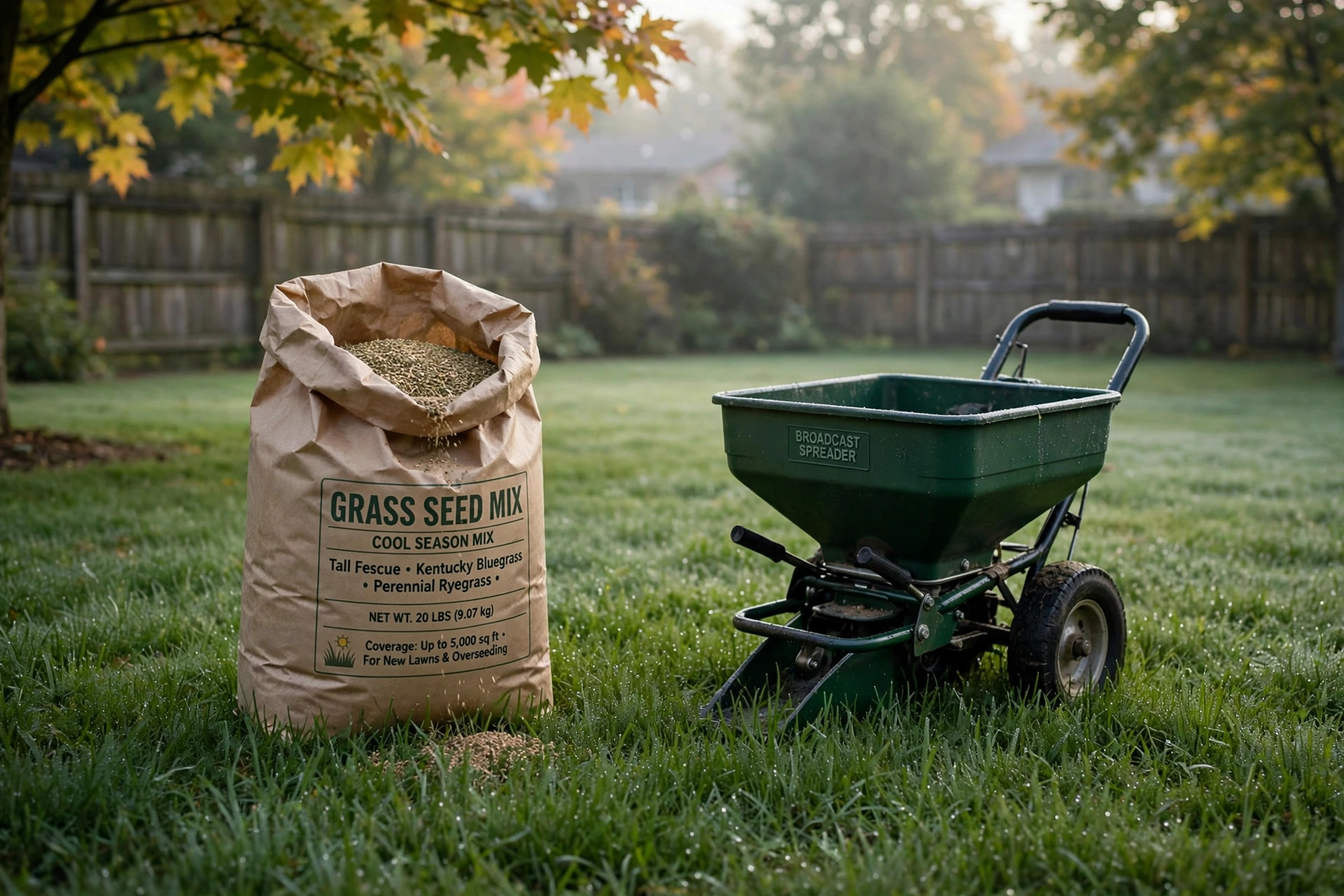

The best overseed blend for cool season lawns is a mix of grass seeds that is planted over an old lawn to make it thick and green again. Overseeding means spreading new seed over grass that is already growing. A blend means the bag holds more than one kind of seed. Cool season lawns grow in parts of the country where winters are cold and summers are mild. The most common cool season grasses are Kentucky bluegrass, perennial ryegrass, and tall fescue. A good blend joins two or three of these kinds so the lawn gets the best traits of each one.
Why Overseeding Matters
Every lawn wears down with time. Foot traffic, pets, heat, and shade all thin the grass. Bare spots invite weeds. Weeds are harder to fight once they take hold. Overseeding adds young plants to fill in thin areas before weeds move in. It also adds new, stronger grass types to an old lawn. Seed companies work for years to breed grass that resists disease and drought. When you overseed, you bring those new traits into your yard.
A blend is better than a single kind of seed for most homes. One kind of grass may be weak in shade. Another may suffer in heat. A blend spreads the risk. If one grass struggles in a hard year, the others carry the lawn. This is why lawn care guides from Pennington and Scotts so often point to mixed blends for home lawns rather than single varieties.
Know Your Lawn Before You Buy: Best Overseed Blend for Cool Season Lawns
The best overseed blend for cool season lawns is not the same for every yard. A sunny front yard and a shady side yard need different mixes. Before you buy a bag, look at your lawn with care.
Sun and Shade
Watch how many hours of sun each part of the lawn gets. Full sun means six hours or more of direct light each day. Partial shade means three to six hours. Deep shade is less than three hours. Tall fescue and fine fescues do better in shade than Kentucky bluegrass. If half your yard sits under trees, pick a blend with a high share of shade-tolerant fescue.
Soil and Drainage
Grass seed must touch soil to sprout. A thick layer of dead grass, called thatch, blocks seed from the soil. Lawns with more than half an inch of thatch should be raked or dethatched before seeding. Water that stands in puddles after rain tells you the ground drains poorly. Core aeration, which pulls small plugs of soil from the lawn, helps seed reach the dirt and lets air and water reach the roots. Rental machines for the job are easy to find, and Toro and Deere both publish guides on proper aeration timing.
The Grass You Already Have
Try to match the blend to the grass you have. A bluegrass lawn does well with a blend rich in bluegrass. A tall fescue lawn wants a fescue-heavy blend. If you do not know what you grow, pull a small sample and ask a local garden center. Guessing is common, but matching seed to your present lawn gives the smoothest result.
The Three Grasses in a Good Blend
Kentucky Bluegrass
Kentucky bluegrass is the classic northern lawn grass. It spreads by underground stems, so it fills bare spots on its own. Its color is a rich dark green. It is slow to start from seed, often taking two to three weeks to sprout. It also needs full sun and steady water to look its best. In a blend, bluegrass adds self-repair and fine texture.
Perennial Ryegrass
Perennial ryegrass sprouts fast, often in five to ten days. That speed makes it the workhorse of most blends. It gives quick green cover while the slower grasses catch up. It wears well under foot traffic, which is why it is common on sports fields. It does not spread like bluegrass, so it relies on thick seeding for density.
Tall Fescue and Fine Fescue
Tall fescue has deep roots that reach water far below the surface. That makes it the toughest grass in a blend during dry spells. New turf-type tall fescues have a finer leaf than the old coarse types, so they look good next to bluegrass. Fine fescues, such as creeping red fescue, handle shade better than any other cool season grass. A blend for a shady yard will lean on fine fescue.
What to Look for on the Bag
The seed label tells you more than the pretty picture on the front. Read the fine print before you buy.
The Mix Ratio
The label lists each grass by its share of the weight. A common northern blend might be 40 percent Kentucky bluegrass, 40 percent perennial ryegrass, and 20 percent fine fescue. A sun-and-shade blend might reverse that and lead with fescue. Pick a ratio that fits your yard, not the prettiest bag.
Weed Seed and Inert Matter
The label must state the share of weed seed and inert matter. Good seed has less than 0.5 percent weed seed. Avoid bags with a high share of “other crop seed,” which can include coarse pasture grasses you do not want. Cheap seed is often cheap for a reason. Reviews and test data from sources like Consumer Reports can help you compare quality before you buy.
Coated vs. Uncoated Seed
Some blends coat each seed in a layer that holds water and starter food. Coated seed is easier for beginners because it stays moist longer. The bag will be heavier, so compare prices by the amount of pure seed, not by the weight of the bag. Uncoated seed costs less per pound of real seed but needs more careful watering.
Freshness
Grass seed stays good for two to three years if kept cool and dry. Check the test date on the label. Seed tested within the last nine months sprouts best. Old seed is not dead, but fewer seeds will grow.
When to Overseed
For cool season lawns, early fall is the best time to overseed. Soil is still warm from summer, which speeds sprouting. Air is cool, which young grass likes. Weeds are weak in fall and will not fight the new seedlings hard. In most northern states, late August through September is the prime window. Spring is a second choice, but spring seedlings must face summer heat before they are strong, and crabgrass competes hard in spring.
Mow the lawn shorter than usual before seeding, about two inches. Bag the clippings so seed can reach the soil. Aerate if the ground is hard. Spread the seed with a broadcast spreader for even cover. Then rake lightly or roll the lawn so seed touches soil. For more on the tools that make the job easier, guides from Echo and Greenworks cover spreaders and small yard equipment in plain terms.
How Much Seed to Use
Overseeding needs less seed than starting a new lawn. Most blends call for 3 to 5 pounds per 1,000 square feet for overseeding, compared with 6 to 8 pounds for a new lawn. Measure your lawn first. Pace off the length and width of each section and do the math, or use an online lawn size tool. Using too little seed leaves thin cover. Using far too much makes seedlings fight each other and grow weak.
Watering New Seed
Water is the difference between success and failure. Seed must stay damp until it sprouts and the young plants root. That means light watering two or three times a day for the first two weeks. The top half inch of soil should feel moist, never soggy and never dry. Once the grass is two inches tall, cut back to one deep watering a day. After a month, water deeply but less often to train roots to grow down. A simple timer on a sprinkler saves a lot of trips across the yard.
Feeding and Early Care
A starter fertilizer at seeding time helps young roots. Look for a fertilizer made for new seed, applied at the rate on the bag. Do not overfeed. Too much nitrogen burns tender seedlings. Keep foot traffic off the new grass for at least three weeks. Mow for the first time when the new grass reaches about three inches, and cut no more than a third of the blade at a time. Sharp mower blades matter. Dull blades tear young grass and open the door to disease. Engine and blade care tips from Briggs & Stratton and Ryobi are worth a look before the first cut.
Cost and Price
A good overseed blend costs more than the cheapest bag on the shelf, but the price is still small next to a full lawn replacement. Expect to pay roughly 25 to 60 dollars for a bag that covers 5,000 square feet, depending on the brand and the mix. Coated seed costs more per pound of pure seed. Starter fertilizer adds another 15 to 30 dollars. A rented aerator may cost 50 to 90 dollars for half a day. For a typical suburban lawn, the whole job often lands between 100 and 250 dollars if you do the work yourself. Hiring a lawn service costs more, and local price guides like those on LawnStarter can help you compare.
Care and Upkeep Through the Year
Overseeding is not a one-time fix. Plan to overseed thin spots each fall. Feed the lawn two to four times a year with a balanced program. Mow high, at three to three and a half inches, so grass shades its own roots and crowds out weeds. Water deeply once or twice a week in dry spells rather than a little each day. Test your soil every few years and add lime only if the test says the soil is too acidic. A steady routine keeps the blend thick and the weeds thin.
Pest troubles can undo good work. If grubs or moles tear up the lawn, fix the pest problem before you overseed, or the new grass will suffer too. Our guide on how to get rid of moles in yard walks through the signs and the safest controls.
Safety
Grass seed itself is not harmful, but handle the job with care. Wear gloves and a dust mask when spreading seed and fertilizer. Keep pets and small children off the lawn until fertilizer is watered in and the label says it is safe. Store leftover seed and fertilizer in sealed containers, up high and out of reach. Read every product label and follow the rates printed there. If you use power equipment such as a dethatcher or aerator, wear eye protection and sturdy shoes, and keep cords and feet clear of the tines.
FAQ
How soon will I see results from the best overseed blend for cool season lawns?
Ryegrass in the blend often shows green in seven to ten days. Bluegrass takes two to three weeks. The lawn looks clearly thicker in six to eight weeks if water and weather cooperate.
Can I overseed in spring instead of fall?
You can, but fall is better. Spring seedlings face weed pressure and summer heat before they are mature. If you must seed in spring, do it as early as the soil can be worked.
Will the new grass match my old lawn?
A blend chosen to match your present grass will blend in well within one season. Some color difference at first is normal and fades as the new plants mature.
Do I need to aerate before overseeding?
Aeration is not required, but it helps a lot on hard or compacted soil. On loose, healthy soil, a good raking is enough to get seed-to-soil contact.
How do I keep leaves from smothering new seed?
Fallen leaves block light and trap too much moisture. Clear them often while seed is young. A blower on a low setting works well; see our notes on the best gas leaf blower under 300 dollars for picking the right tool.
Should I hire a pro or do it myself?
A handy homeowner can overseed a typical yard in a weekend. Hire a service if the lawn is large, badly compacted, or full of weeds. If cost is the worry, our look at riding lawn mower financing options usa shows how owners spread out equipment costs.
A Final Word
The best overseed blend for cool season lawns is the one that fits your sun, your soil, and the grass you already grow. Read the label, seed in early fall, and keep the young grass moist. Do those three things well and your lawn will repay you with thick green turf for years to come.
References
Briggs & Stratton. (n.d.). Outdoor power equipment and engines. https://www.briggsandstratton.com Consumer Reports. (n.d.). Product testing and ratings. https://www.consumerreports.org Deere. (n.d.). Agricultural and lawn equipment. https://www.deere.com Echo. (n.d.). Outdoor power equipment. https://www.echo-usa.com Greenworks. (n.d.). Battery-powered yard tools. https://www.greenworkstools.com LawnStarter. (n.d.). Lawn care services and guides. https://www.lawnstarter.com Pennington. (n.d.). Grass seed and lawn care products. https://www.pennington.com Ryobi. (n.d.). Power tools and outdoor equipment. https://www.ryobitools.com Scotts. (n.d.). Lawn care products and advice. https://www.scotts.com Toro. (n.d.). Lawn mowers and yard equipment. https://www.toro.com
Was this guide helpful?

About Sarah Mitchell
The My Garden US editorial team writes practical, in-depth home and garden guides for American homeowners — tested advice, no fluff.
You May Also Like
The Best Electric Lawn Mower for Seniors: A Practical Guide for Older Homeowners
March 10, 2026 1 views
Hydroseeding Cost Per Square Foot USA: A Plain Guide for Homeowners
July 10, 2026 0 views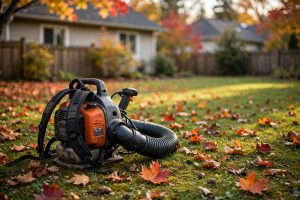
Best Backpack Leaf Blower for Homeowners: A Practical Guide
January 30, 2026 0 views