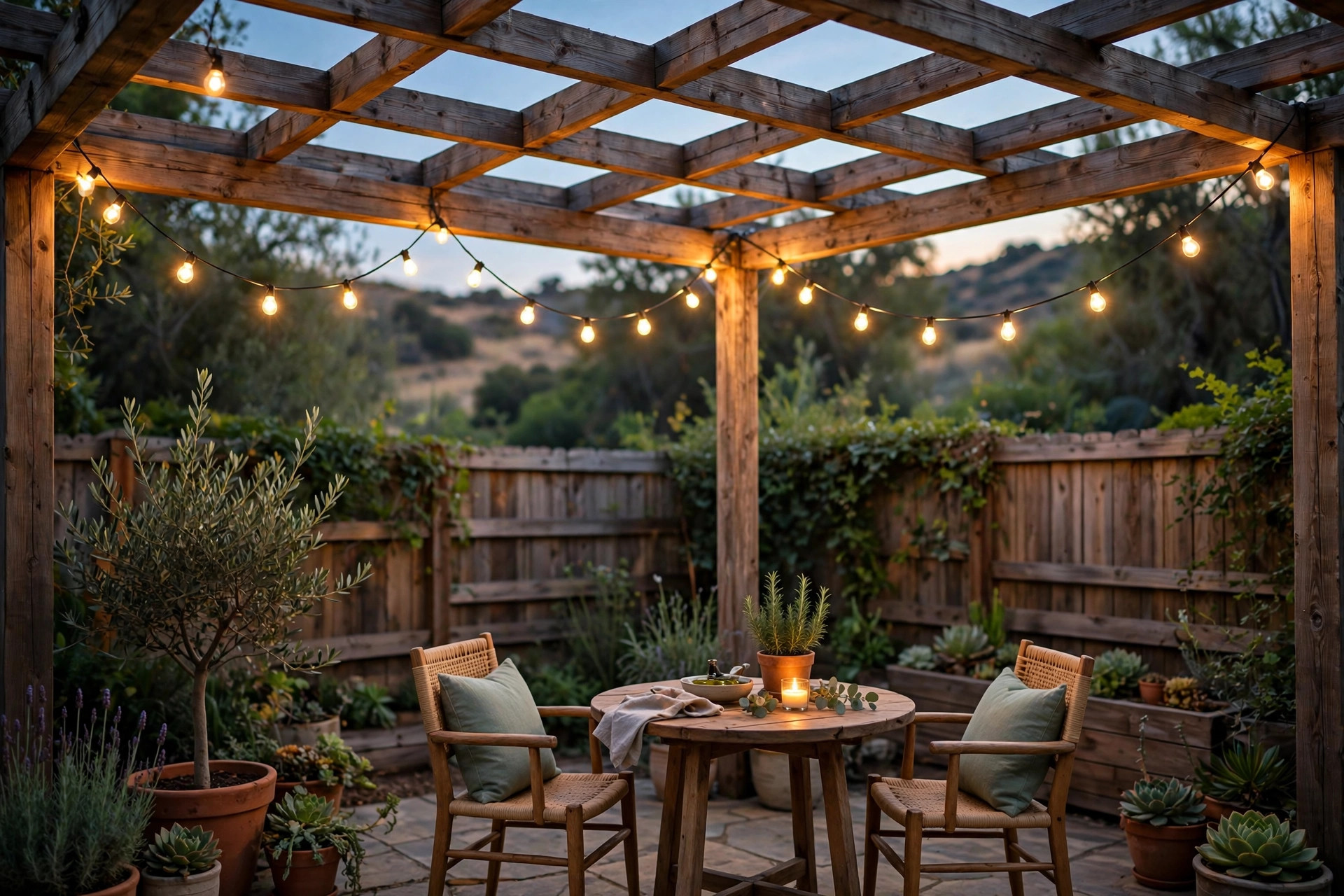
A Warm Light on a Cool Evening
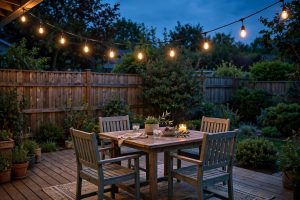
Many people search for patio string lights california homes usa when they want to make their yard feel like a second living room. The idea is simple. A line of small bulbs hangs above a patio. It gives soft light. It makes dinner outside feel calm and kind.
California homes have a gift. The weather is mild for much of the year. Evenings are cool but not cold. Families eat outside in spring, summer, and fall. String lights fit this life. They turn a plain patio into a place where guests want to stay.
This guide explains the choice in plain words. It covers why the lights matter, what to look for, the types you can buy, the cost, how to hang them, how to care for them, and how to stay safe. It also answers common questions at the end.
Why Patio String Lights Matter: Patio String Lights California Homes Usa
Good light changes how a space feels. A bare bulb from a wall fixture can feel harsh. It throws sharp shadows. String lights spread their light in small points. The result is even and gentle.
In California, many homes have small yards. A condo patio or a townhouse deck may be only a few steps wide. Lights strung above the space make it feel bigger. They draw the eye upward. They make the ceiling of the night sky feel close and friendly.
They also help at night in a practical way. You can see your food. You can see the steps. You can see the face of the person across the table. That is the job of patio lighting, and string lights do it well.
Energy use is another point. Modern LED bulbs draw very little power. You can leave them on for hours at a lower cost than old bulbs. The ENERGY STAR program sets marks for efficient home lighting, and many LED string lights meet those marks.
What to Look For Before You Buy
Shopping is easy when you know what matters. A few points decide most of the quality.
Bulb Type
LED bulbs are the common choice now. They last for years. They stay cool to the touch. They use a small share of the power that older bulbs use. This matters if you run long strands or leave them on all evening.
Old glass bulbs still sell in stores. They give a warm glow. But they break more often, and they cost more to run. For most California patios, LED is the wiser pick.
Cord Length and Strand Count
Measure your patio before you shop. Walk the path where the cord will go. Add extra feet for the drop from the anchor points. A strand that is too short is useless. One that is too long leaves extra cord that can look untidy.
Many homes use more than one strand. Two or three short strands may look better than one long one. They give even light across the whole space. If you need a guide for wiring other lights in the house, our guide to recessed lights shows how planning the layout first saves trouble later.
Weather Rating
The lights will live outside. Look for a wet or damp rating on the box. A wet rating means the lights can take direct rain. A damp rating means they can take moisture but not full rain. In coastal California towns, salt air is also a factor. A stronger rating lasts longer there.
Color Temperature
Bulbs are sold in warm white, cool white, and daylight tones. Warm white looks like candlelight. It feels right for a patio. Cool white can feel like an office. Most people prefer warm white for outdoor living. The label on the box will give a number in Kelvin. Warm white is near 2700K.
Types of Patio String Lights
Stores sell several kinds. Each has its place.
Cafe style. These have larger glass or plastic bulbs spaced a foot or more apart. They give a classic look. They suit wood decks and pergolas. This is the most popular type for backyard patio lighting.
Fairy lights. These have tiny bulbs on thin wire. They are light and cheap. They work well on bushes, railings, and small plants. They are not the best choice for a main overhead line.
Globe lights. These are small round balls along the cord. They give a festive look. They suit parties and holidays.
Solar string lights. A small panel charges by day. At night the bulbs glow without a plug. They are easy to place. But they grow dim on cloudy days. In sunny California they work well, yet a wired set is more steady.
Smart string lights. These connect to a phone or a home hub. You can dim them or change their color. They cost more. They suit people who like to set a mood for each event.
If you want ideas for matching indoor lights to the patio mood, see our dining room chandelier guide and our kitchen island pendant guide. The same warm tone inside and out makes the whole home feel joined.
Cost and Price
Prices vary by brand, length, and bulb type. A short LED strand may cost less than twenty dollars. A long cafe-style strand with glass bulbs may cost sixty or more. Smart sets with app control can cost above one hundred dollars.
The cord matters too. Commercial-grade cord costs more than thin indoor wire. It also lasts far longer outside. For a California home where the lights stay up all year, the stronger cord is worth the price.
Running cost is small. A 48-foot LED strand may draw under ten watts. At California power rates, an evening of use may cost only a few cents. Old-style bulbs can draw ten times more. Over a year of use, the LED strand pays back its price. The U.S. Department of Energy notes that LED lighting uses far less energy than older lamp types, which is one reason it has spread so fast.
A full patio setup often needs more than the lights. Plan for hooks, poles, or a wire cable. Add twenty to fifty dollars for these parts. It is still a modest project when set beside a full patio rebuild.
How to Hang Patio String Lights
Hanging is simple work. It needs two or more strong anchor points. Common anchors are the house eave, a fence post, a pergola beam, or a freestanding pole set in a planter.
First, draw the layout on paper. Mark where each end will attach. Decide how much the cord should sag. A gentle sag looks natural. A tight line looks sharp and modern.
Second, run a support wire if the span is long. A thin steel cable holds the weight so the light cord does not stretch. This step is often missed. It is the one that keeps the lights up for years.
Third, attach the strand with hooks or clips. Leave the plug end near an outdoor outlet. If the outlet is far, use an outdoor-rated extension cord.
Fourth, step back and look. Turn the lights on at dusk. Walk the patio. Check for dark spots. Move a strand if one corner is dim.
Test the whole setup after a rain. Water can find weak points. Better to find them early.
Care and Upkeep
String lights need little care. But a little care keeps them bright for years.
Clean the bulbs once or twice a year. Dust and salt from the air dull the glass. Wipe each bulb with a damp cloth. Do this with the power off and the lights dry before you plug them back in.
Check the cord each spring. Look for cracks, cuts, or places where the wire shows. A damaged cord can be a hazard. Replace the whole strand if the cord is hurt. Do not tape over a cut wire and call it fixed.
Keep spare bulbs. Most sets sell replacement bulbs. Buy a few extra when you buy the strand. It is easier to swap one bulb than to hunt for a match later.
Store seasonal sets well. If you take lights down for a storm season, coil the cord in wide loops. Put them in a dry box. Tangled cords break wires at the bends.
Safety in California Weather
California weather is kind, but it has its moods. Heat, wind, and winter rain each bring a risk.
In hot inland valleys, the sun is fierce. Cheap plastic cords can grow brittle in a few summers. A commercial-grade cord resists this better. Hang the lights out of direct noon sun where you can.
Santa Ana winds are strong in the fall. They can pull loose strands down. Use hooks that close, not open hooks that the cord can slip from. Tighten all anchors before wind season.
Winter rain comes to most of the state. Only wet-rated lights should face it. Keep all plug connections off the ground. Use outdoor boxes for plugs and timers. Water and power must never meet.
Follow the rules of your city and your home insurer. Some cities have rules about lights near trees or power lines. Keep strands well away from any overhead power line. If you are unsure, ask an electrician for a short visit. The Consumer Product Safety Commission lists outdoor lighting among products with clear safety standards, and those standards exist because careless setups have caused fires.
Frequently Asked Questions
How many strands do I need for a small patio? Measure the space. For a patio of 10 by 12 feet, two 24-foot strands usually cover the area well. Hang them in a V or parallel lines. You want light over the table and the walking path, not just over one spot.
Can I leave patio string lights up all year in California? Yes, if they are rated for outdoor use. Most LED sets sold for patios are made for year-round outdoor life. Check the box for the weather rating. Take down solar sets during long cloudy spells if you want steady light.
Are LED string lights cheaper to run than old bulbs? Yes. An LED bulb may use under one watt. An old glass bulb may use eleven watts. On a 25-bulb strand, that is a wide gap. The Philips lighting guides explain that LED lamps now match the warmth of old bulbs while using a small share of the power.
What is the best color of light for a patio? Warm white is the common pick. It feels calm at night. It makes food and faces look natural. Cool white can make a yard feel like a parking lot. If the set lets you change color, try warm white first and keep it.
Do string lights attract bugs? Some do. Old bulbs give off heat, and heat draws insects. LED bulbs run cool, so they draw fewer bugs. Yellow-tinted bulbs also draw fewer insects than white ones. Hanging the lights a few feet away from the table helps as well.
Where should I buy patio string lights? Large home stores and specialty lighting shops both carry good sets. Look at Lowe’s patio lighting and LampsPlus outdoor string lights for wide choices. Design sites like Lumens carry higher-end sets. For advice with pictures, The Spruce has clear buying guides. Style-led shoppers can browse Wayfair outdoor lighting for many price points.
A Final Word
Patio string lights are a small change with a large effect. They cost little. They take an afternoon to hang. They turn a dark yard into a place where people gather.
For California homes, the choice is easy. The climate lets you use the patio for most of the year. The lights make those long mild evenings better. Pick LED bulbs, a wet-rated cord, and warm white light. Anchor them well. Clean them once in a while. Then sit back, turn them on at dusk, and enjoy the glow.
References
ENERGY STAR. (n.d.). Energy efficient products. https://www.energystar.gov Lamps Plus. (n.d.). Lighting and home decor. https://www.lampsplus.com Lowe’s. (n.d.). Home improvement products. https://www.lowes.com Lumens. (n.d.). Lighting and ceiling fans. https://www.lumens.com Philips. (n.d.). Lighting products. https://www.philips.com The Home Depot. (n.d.). Home improvement products. https://www.homedepot.com The Spruce. (n.d.). Home and garden advice. https://www.thespruce.com U.S. Consumer Product Safety Commission. (n.d.). Product safety information. https://www.cpsc.gov U.S. Department of Energy. (n.d.). Energy efficiency and renewable energy. https://www.energy.gov Wayfair. (n.d.). Furniture and home goods. https://www.wayfair.com
Was this guide helpful?

About James Carter
The My Garden US editorial team writes practical, in-depth home and garden guides for American homeowners — tested advice, no fluff.