
Introduction
Finding the best mulch for flower beds bulk delivery is one of the smartest moves a home gardener can make. Mulch is a simple layer of material spread over the soil. It holds water so roots stay damp for longer. It blocks weeds by shutting out sunlight. It also feeds the earth as it breaks down. When you buy mulch in bulk and have it delivered by the yard, you pay far less per cubic yard than you would for bagged mulch at the store. You also save many heavy trips in the car. This guide explains which mulches work best in flower beds, how to figure out how many yards of mulch you need, what bulk delivery costs, and how to spread it well.
Why Flower Beds Need Mulch: Best Mulch for Flower Beds Bulk Delivery
Flowers have shallow roots. Bare soil dries fast under a hot sun and washes away in heavy rain. A two to three inch layer of mulch slows water loss, keeps soil temperature steady, and stops mud from splashing onto petals.
Mulch also stops weeds. Most weed seeds need light to sprout, and a solid layer of mulch blocks that light. This matters in flower beds, where weeds steal water and food from plants.
Mulch feeds the soil over time. Bark, wood chips, and compost break down slowly and add rich humus. Humus keeps soil soft and dark, holds water and nutrients, and draws earthworms. The result is bigger blooms and healthier plants.
Fresh mulch also gives a bed a clean, finished edge. Dark bark makes green leaves and bright flowers stand out, and a neat bed lifts the curb appeal of the whole home.
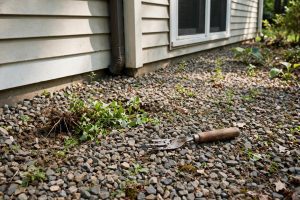
Before you order, prepare the bed. Clear weeds and dead plants. Trim ragged edges with a battery-powered hedge trimmer and clear leaves with a yard blower. Guides from LawnStarter note that a clean bed lets mulch settle evenly and last longer.
What to Look For When You Choose Mulch
Not all mulch is equal. The best mulch for flower beds breaks down at a steady pace, stays in place during rain, does not rob nitrogen from the soil, and looks good for many months.
Particle Size
Fine mulch feeds the soil sooner but breaks down fast. Coarse mulch lasts longer but may shift in wind. For flower beds, shredded bark or small chips are the best middle ground. They knit together, resist washing away, and still let air and water reach the roots.
Color and Dye
Dyed mulch keeps its color longer and looks sharp in a formal bed, while natural mulch fades to a soft gray-brown. Colorants from trusted brands are made safe for gardens. Buying guides from Consumer Reports advise buyers to look for clear labels and known makers.
Source and Quality
Bulk mulch should smell fresh and woody, never sour. It should be free of trash, plastic, and long sticks. Hardwood bark, pine bark, and cedar are common and safe. Avoid mulch made from treated lumber, which can carry chemicals you do not want near flowers.
Soil Needs
Pine bark and pine needles are slightly acidic and suit azaleas, rhododendrons, and camellias. Most other flowers do fine with neutral hardwood mulch. A simple test kit tells you the soil pH, and soil care products from garden makers can fill any gaps.
For weed prevention, pair mulch with a pre-emergent treatment in spring. See our pre-emergent weed killer application timing guide for timing, then cover with mulch for a clean finish.
Common Types of Bulk Mulch for Flower Beds
Shredded Hardwood Bark
Shredded hardwood bark is the workhorse of flower beds. Made from oak, maple, and other hardwoods, the shreds lock into a mat that resists wind and heavy rain. It breaks down over one to two years, feeds the soil, and looks natural with almost any flower.
Pine Bark Nuggets
Pine bark nuggets last longer than shredded bark because the chunks are thick. They suit sloped beds where lighter mulch might slide, and their warm brown color fits cottage-style gardens.
Cedar Mulch
Cedar mulch smells fresh, repels some insects, and breaks down slowly, so it needs topping up less often. It costs more than hardwood or pine bark, but many gardeners use it near entryways where the scent is a plus.
Dyed Mulch
Black and red dyed mulches hold their color for a full season or more. Black makes bright flowers pop; red suits brick homes. Make sure the supplier uses dye that is safe for plants and pets.
Compost and Leaf Mulch
Compost is the richest mulch of all and feeds plants fast, but it breaks down quickly and needs new layers each season. Leaf mulch from shredded fall leaves is free if you make it with a battery-powered leaf mulcher. Both look plain, so many gardeners top them with a thin layer of bark.
Pine Straw
Pine straw is light, cheap, and easy to spread by hand, and it suits acid-loving plants. It needs topping up more often than bark and can slide on steep slopes unless tucked in well.
How Much Mulch to Order
Bulk mulch is sold by the cubic yard. One yard covers about 100 square feet at a three inch depth, the standard for flower beds. Two inches is fine if last year’s layer remains; four inches can smother roots.
Measure the length and width of each bed in feet, multiply for square footage, add up all beds, then divide by 100 for a three inch layer. For example, 400 square feet needs four cubic yards. Round up a little; a small leftover pile beats running short.
A pickup holds about two cubic yards, while a supplier’s dump truck carries five to twelve. Most home flower beds need three to six yards; big corner lots may need ten or more.
Many supplier sites include a mulch calculator. The Home Depot offers bulk mulch delivery in many areas, with charts that show coverage per yard. Use them to double check your numbers before you order.
Cost of Bulk Mulch Delivery
Bulk mulch usually costs 25 to 45 dollars per cubic yard, with shredded hardwood the cheapest and cedar and dyed mulches higher. Delivery fees run 25 to 75 dollars per load, though many suppliers waive the fee on orders of five yards or more.
A two cubic foot bag covers six square feet at three inches and sells for three to five dollars. One cubic yard equals about fourteen bags, which would cost 42 to 70 dollars. Bulk at 30 dollars a yard is clearly cheaper, and for large beds it can cut the mulch bill in half.
To save more, split an order and the delivery fee with a neighbor, and order early before spring demand peaks. Avoid cheap mulch from unknown sources, which can carry weed seeds; buy from a trusted yard that grinds its own material.
Bags are handy for small touch-ups and easy to carry and store. But bulk wins for any bed larger than a few hundred square feet. If you are mulching the whole front yard, bulk delivery is the clear winner.
How to Order Bulk Delivery
Call two or three local suppliers. Ask what types they carry, the price per yard, and the delivery fee. Fresh mulch should feel warm from grinding but not steaming hot. Ask where the truck will dump the load; most trucks need a clear spot on the driveway.
Pick a dump spot close to your beds to cut down on wheelbarrow trips. A dump truck needs about twelve feet of width and fourteen feet of height, clear of branches and power lines. Warn the driver about soft ground or new concrete that could crack.
Schedule delivery for a dry day; wet mulch is heavy and hard to spread. Have tarps ready, and clear the dump spot of cars and toys. Book early in spring, the busiest season, when some suppliers need a week or more of lead time.
Check the load before the driver leaves. Look at the color and smell to make sure it matches your order. A good supplier will fix a wrong load on the spot. Keep the receipt for reorders.
How to Spread Mulch in Flower Beds
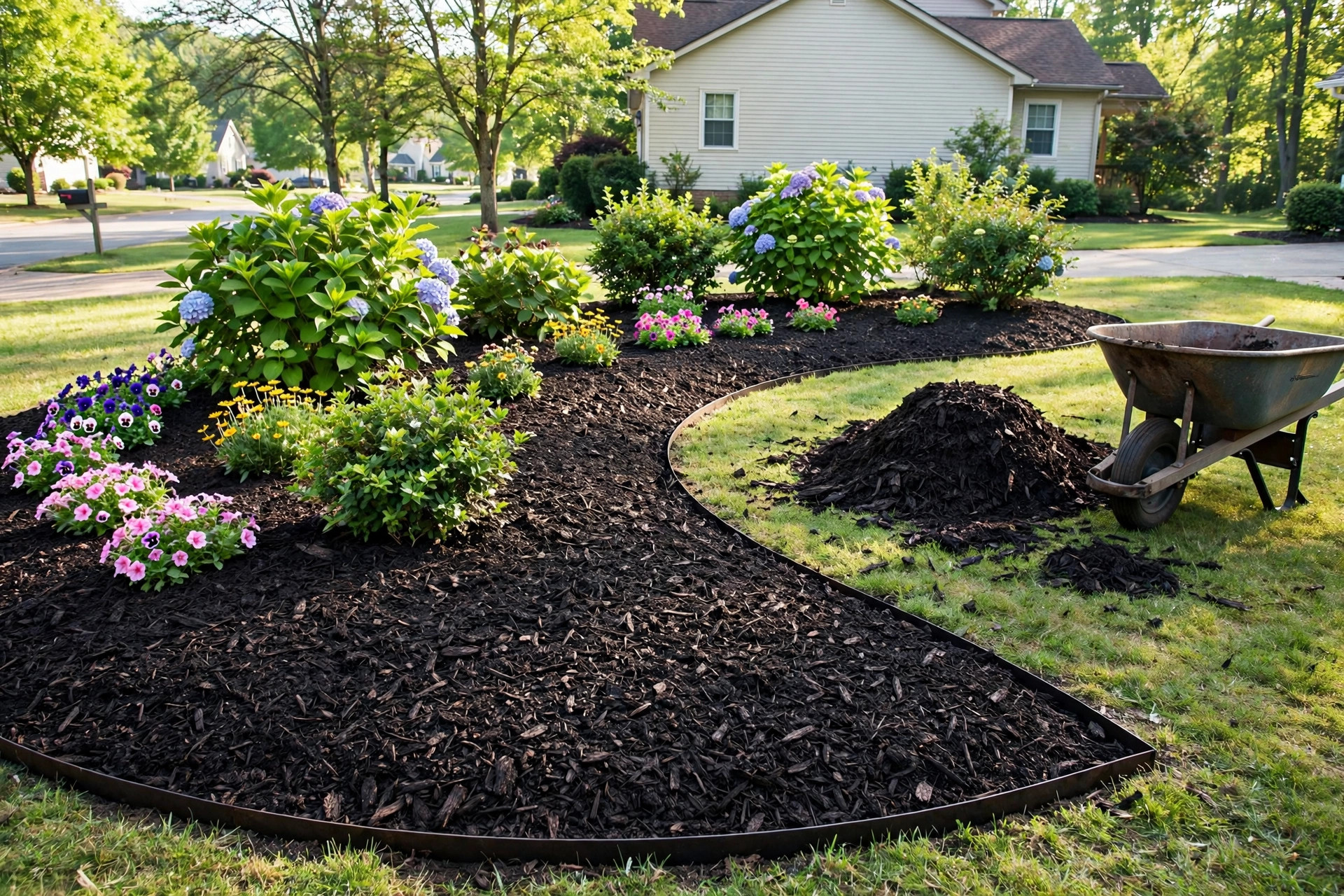
Start with a wheelbarrow, a flat shovel, and a garden rake. Dump small piles around the bed, then rake the mulch out to an even depth with the flat back of the rake.
Keep mulch two to three inches deep, and pull it back a few inches from flower stems. Mulch piled against stems holds water and causes rot, a mistake called volcano mulching. Leave a small ring of bare soil around each plant.
Work in sections, finishing one bed before moving to the next. Step back often to check the look: thin spots let weeds through, while thick spots waste mulch and block water.
Edge ragged borders first so mulch does not spill onto the lawn. Hand edgers cut a crisp line, while power edgers speed the job on big beds. Engine makers such as Briggs & Stratton power many walk-behind edgers, and John Deere publishes yard care guides that cover edging and bed prep.
Water the bed lightly after spreading. This settles the mulch and washes dust off the leaves. Do not soak it. A gentle spray is enough.
Care and Upkeep Through the Year
Check mulch depth each spring. Add a fresh one to two inch layer when the old mulch thins; you rarely need to remove the old layer. Just rake it loose to break up any crust, then add new mulch on top.
In fall, keep leaves off the mulch; a thick mat of wet leaves can smother flowers. This is also the season many gardeners overseed thin lawn areas near their beds. Our guide on overseeding lawn in fall step by step walks through the timing and method.
Pull weeds while they are small; their roots come out easily from soft mulch. Do not use a string trimmer close to flower stems, as the line can cut stems in one pass.
Check soil pH every year or two if you use pine products, which can slowly lower pH. If your soil turns too acidic, a light lime treatment can balance it. See our article on lawn lime application rate per square foot for safe rates.
Safety Tips
Wear gloves; bark mulch can hide sharp sticks and thorns. Wear a dust mask with dry, dusty loads, as fine dust can irritate the nose and throat.
A full wheelbarrow of wet mulch is heavy, so make many small trips. Bend at the knees, take breaks, and drink water. Spreading five yards is a full day of work for one person.
Keep mulch away from open flames; dry wood mulch can catch fire from a dropped cigarette. Do not pile it high against wooden siding. Leave a gap of several inches, which also blocks termites from reaching the house.
Store leftover mulch on a tarp under cover. It keeps for months and is handy for patching thin spots.
Frequently Asked Questions
How much does bulk mulch delivery cost? Most suppliers charge 25 to 45 dollars per cubic yard, plus a 25 to 75 dollar delivery fee. Cedar and dyed mulches cost more. Orders of five yards or more often earn a lower per-yard price and free delivery.
How many cubic yards of mulch do I need? Measure beds in square feet and divide by 100 for a three inch layer. A 300 square foot bed needs three yards. Always round up; leftover mulch keeps well on a tarp.
Is bulk mulch cheaper than bagged mulch? Yes. One cubic yard of bulk mulch costs about the same as six to eight bags but covers as much as fourteen. Bags are still handy for small touch-ups.
How deep should mulch be in flower beds? Two to three inches. Less lets weeds through; more than four can block water and air. Keep mulch a few inches away from plant stems.
When is the best time to mulch flower beds? Late spring is ideal in most regions. The soil has warmed, and weeds have not yet taken hold. Fall mulching also works and protects roots through winter. Avoid mulching frozen ground.
A Final Word
The best mulch for flower beds bulk delivery is the one that fits your plants, your budget, and your yard. Measure well, order a little extra, and spread it with care. For more know-how, browse the guides at The Spruce and compare delivery options at The Home Depot.
References
Briggs & Stratton. (n.d.). Outdoor power equipment engines. https://www.briggsandstratton.com Consumer Reports. (n.d.). Product ratings and buying guides. https://www.consumerreports.org ECHO. (n.d.). Outdoor power equipment. https://www.echo-usa.com Greenworks. (n.d.). Battery-powered yard tools. https://www.greenworkstools.com John Deere. (n.d.). Lawn and garden equipment. https://www.deere.com LawnStarter. (n.d.). Lawn care and landscaping services. https://www.lawnstarter.com RYOBI. (n.d.). Power tools and yard equipment. https://www.ryobitools.com Scotts. (n.d.). Lawn and garden products. https://www.scotts.com The Home Depot. (n.d.). Home improvement products and delivery. https://www.homedepot.com The Spruce. (n.d.). Home and garden guides. https://www.thespruce.com
Was this guide helpful?

About Lisa Anderson
The My Garden US editorial team writes practical, in-depth home and garden guides for American homeowners — tested advice, no fluff.
You May Also Like

Robot Lawn Mower for Half Acre Yards: What to Know Before You Buy
September 10, 2026 0 views
Lawn Irrigation Winterization Service Near Me: What to Know Before the First Freeze
September 23, 2026 0 views
Best Shade Tolerant Grass Seed Mix: A Plain Guide for Shady Lawns
September 10, 2026 0 views