
A sulfur smell in well water is one of the most common water complaints in American homes. You turn on the tap, and the water smells like rotten eggs. The smell can be faint in cold water and strong in hot water, or the reverse. The good news is that this problem has clear causes and proven cures. The right sulfur smell in well water filter solution depends on what is causing the odor and how strong it is. This guide walks through each step in plain terms, from testing your water to picking a filter to keeping it working for years.
Why a Sulfur Smell in Well Water Matters
The rotten-egg smell in well water almost always comes from hydrogen sulfide gas. It can enter your well naturally from rock and soil, or it can grow inside your own plumbing. At the low levels found in home wells, the gas is usually not harmful to health. But it stains fixtures and laundry, gives water a bitter taste, and corrodes copper, brass, and steel pipes over time. A sulfur smell that only appears in hot water may point to bacteria in the water heater tank. A smell in both hot and cold water points to the well itself. A water test is the surest way to know.
What Causes the Smell: Finding the Source: Sulfur Smell in Well Water Filter Solution
Before you buy any filter, you must find where the smell comes from. The fix for each cause is different, and a filter bought blind may not solve your problem.
Test hot versus cold. Fill a glass with cold water, step away from the sink, and smell it. Then fill a glass with hot water and smell it. If only the hot water smells, the cause is likely in the water heater. Bacteria in the warm tank can turn the natural sulfur in your water into hydrogen sulfide gas. The water heater may need to be flushed and disinfected, or its anode rod may need to be changed.
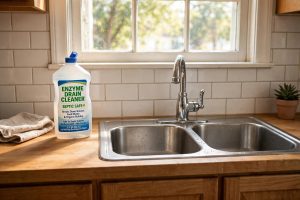
Test one faucet against others. If one sink smells and others do not, the problem may be in that faucet’s aerator or in the drain, not the water itself. Clean the drain before you spend money on a filter.
Test after the water sits. Hydrogen sulfide is a gas. It escapes from water that stands open. If the smell fades after a glass of water sits for a few minutes, the cause is very likely the gas itself, which most whole-house filters remove well.
Get a lab test. Home test kits can hint at the cause, but a state-certified lab test is the gold standard. Ask for hydrogen sulfide, sulfate, iron, manganese, pH, hardness, and total dissolved solids. The Environmental Protection Agency publishes drinking water standards and testing guidance that every well owner should know. Your county health department can point you to a certified lab near you.
What to Look for When Choosing a Filter Solution
A sulfur smell in well water filter solution is not one single product. It is a choice among several proven systems. What works best for you depends on three facts from your water test: the amount of hydrogen sulfide, whether iron or manganese are also present, and your water’s pH level.
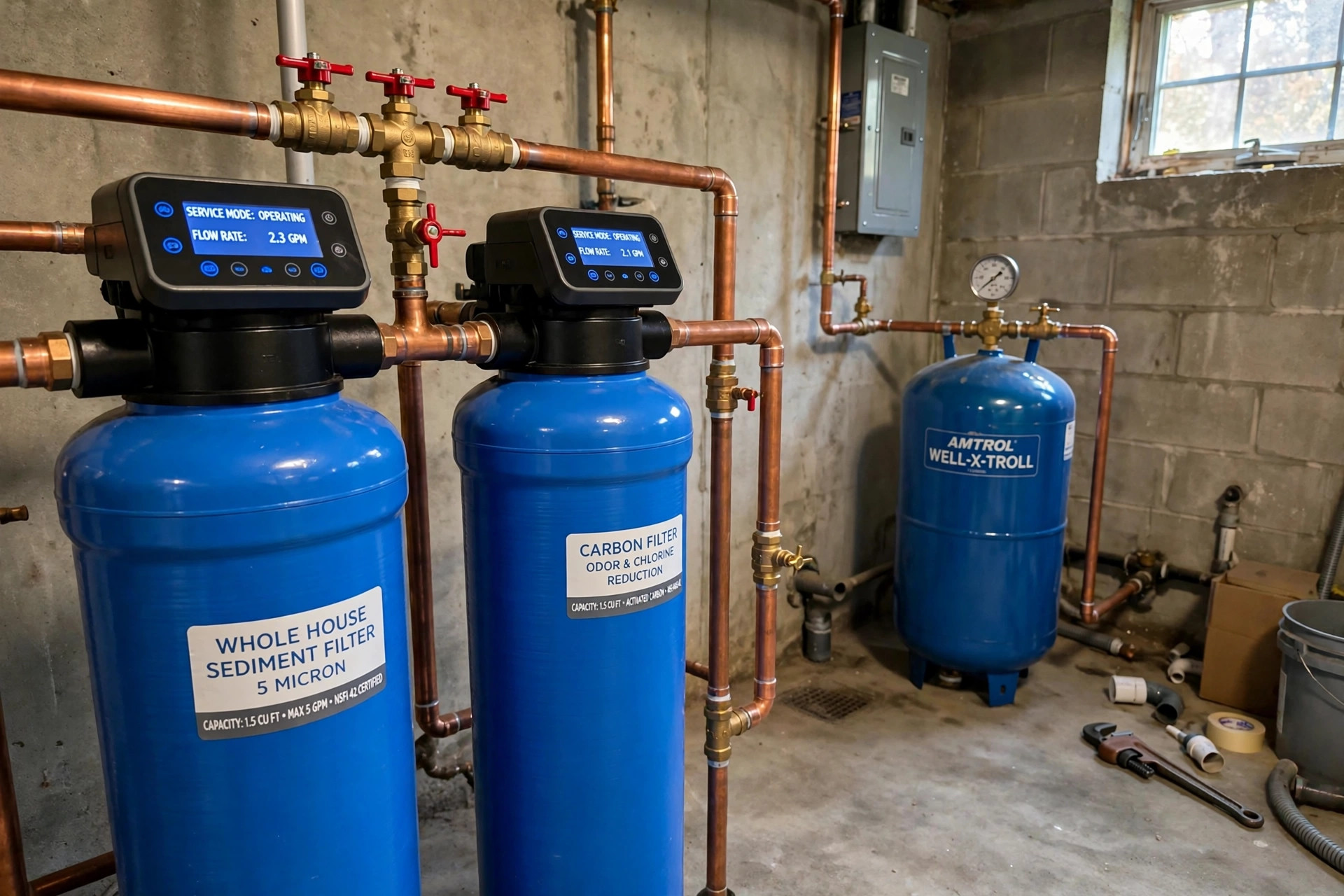
Oxidation plus filtration. Most whole-house systems work in two steps. First, the dissolved gas is turned into a solid particle through oxidation. Second, the particles are caught by filter media. Air injection systems do this by mixing air into the water. Chlorine injection systems do this with a small feed pump. Both are reliable and common in American homes.
Media type. The most popular filter media for sulfur are manganese greensand, Birm, Katalox Light, and activated carbon. Greensand and Katalox Light handle sulfur plus iron and manganese together. Birm works for lower sulfur levels and needs no added chemicals. Activated carbon polishes out the last traces of odor and taste.
Flow rate. Your system must handle your home’s peak water use. A filter that is too small will let smelly water slip through at peak times, such as when a shower and the washing machine run together.
Backwashing. Good whole-house sulfur filters clean themselves by backwashing, a rinse that flushes trapped particles to the drain. Automatic backwash valves make this painless. Ask how much water each backwash uses and how often it runs.
Certifications. Look for systems and media tested to national standards for drinking water treatment. Major retailers like The Home Depot and Lowe’s list certifications clearly on their product pages.
Types of Filter Solutions Compared
Air injection oxidation (AIO) systems. These tanks draw in a pocket of air and mix it with incoming water. The oxygen turns hydrogen sulfide into solid sulfur, which the media bed traps. AIO systems need no chemicals and handle moderate sulfur levels well. They are a top pick for many well owners because they are simple to run.
Chlorine injection systems. A small pump adds a measured dose of chlorine ahead of a holding tank and carbon filter. Chlorine is a strong oxidizer and handles high sulfur levels plus iron and bacteria in one step. The carbon filter then removes the chlorine taste. This is a workhorse solution, but it needs a chlorine supply and a bit more care.
Greensand filters. Manganese greensand is a classic media for sulfur, iron, and manganese. It is regenerated with potassium permanganate, which adds a task to the upkeep list.
Katalox Light filters. This newer media handles higher sulfur and iron levels than Birm and works across a wider pH range. Many installers now favor it for problem wells. It backwashes clean and needs no chemical feed in most setups.
Birm filters. Birm is a simple, chemical-free media that works when sulfur and iron levels are low to moderate and pH is in a good range. It is one of the least costly options and is easy to own.
Activated carbon point-of-use filters. Under-sink carbon filters can polish drinking and cooking water, but they are not a whole-house cure for strong sulfur odor. Use them as a finishing touch, not the main fix. If you are weighing under-sink options, a reverse osmosis faucet air gap review explains the parts involved.
Water softeners. A standard softener does not remove hydrogen sulfide gas. Some owners try this first and find the smell unchanged. Softeners remove hardness minerals, which is a different job.
For guidance on whole-house water treatment designs, This Old House and Family Handyman both carry detailed explainers on how oxidation filters are plumbed and sized.
Cost and Price: What to Expect
Prices vary by region and by the severity of the problem, but these ranges reflect what American well owners commonly pay in the mid-2020s.
Water testing. A certified lab panel for sulfur, iron, manganese, pH, and hardness usually costs between 25 and 150 dollars. Some county health departments test for less. This is money well spent, since it keeps you from buying the wrong system.
Air injection systems. A quality AIO tank system for a typical home costs between 800 and 2,000 dollars for the equipment. Professional installation adds 400 to 1,200 dollars. Many handy owners install these themselves with basic plumbing tools.
Chlorine injection systems. Equipment runs 1,000 to 2,500 dollars, plus installation of 500 to 1,500 dollars. Ongoing chlorine costs are modest, often under 100 dollars a year.
Greensand and Katalox systems. Equipment falls in the 900 to 2,200 dollar range, with installation similar to other whole-house tanks. Greensand adds the small recurring cost of potassium permanganate.
Birm filters. These are often the budget pick, with equipment from 500 to 1,200 dollars.
Under-sink carbon filters. A good unit costs 100 to 400 dollars and is a sensible add-on after the main system is in place.
Water heater service. Flushing the tank and changing the anode rod, if that is the source of the smell, may cost 150 to 400 dollars through a plumber. If you are comparing hot-water options, a tankless versus tank water heater cost comparison can help you weigh a replacement.
When budgeting, remember that a whole-house system protects every faucet, the water heater, the dishwasher, and the laundry at once. A point-of-use filter protects one tap. For a smell that fills the whole house, the whole-house system is almost always the right call.
Care and Upkeep
A sulfur filter is not a set-and-forget device, but its upkeep is light if you stay on a schedule.
Check the backwash cycle. Most systems backwash every one to three days. Once a month, confirm the valve runs its cycle and the drain line flows freely. A system that stops backwashing will clog and lose its power to remove odor.
Replace or refresh media. Filter media wears out. Birm and carbon media often last two to five years. Katalox Light can last five to ten years. Greensand lasts years but needs its chemical feed kept full. Mark the install date on the tank so you know when the media is due.
Keep chemical feeds full. If your system uses chlorine or potassium permanganate, check the tank level monthly. Running dry lets smelly water pass straight through.
Test the water yearly. An annual lab test tells you the system still does its job. If the smell returns, test before you buy new parts. The cause may have shifted, for example from low sulfur to a bacteria bloom in the well.
Sanitize the well when needed. If bacteria are part of the problem, your well may need shock chlorination from time to time. Your local health department can explain the safe method for your well type.
For brand-neutral maintenance how-tos, Bob Vila offers step-by-step guides on backwashing valves and media replacement. Fixture makers such as Moen, Delta Faucet, and Kohler publish care guides for faucets and aerators, which matter because a clogged aerator can hold odor even when the main filter works fine.
Safety
Hydrogen sulfide at the levels in most home wells is a nuisance, not a poison. Still, a few safety rules apply.
Never ignore a sudden strong smell. If the odor appears all at once and is very strong, ventilate the area and have the water tested promptly. Very high gas levels are rare in homes, but they deserve quick attention.
Chlorine and chemical feeds. If you use a chlorine injection system, store chlorine safely, away from heat and out of reach of children and pets. Follow the feed pump’s dosing chart exactly. Overdosing chlorine creates its own taste and odor problems.
Potassium permanganate. This chemical stains skin and surfaces and must be handled with gloves. Keep it sealed and dry.
Electrical and plumbing work. Whole-house filters tie into your home’s main water line and often need an outlet for the control valve. If you are not comfortable cutting pipe or working near wiring, hire a licensed plumber. An emergency plumber near you with 24 hour cost information on hand is worth knowing before a leak ever happens.
Drinking water standards. Keep your annual test results and compare them to federal and state standards. The EPA site lists maximum levels for the minerals that often travel with sulfur, such as iron and manganese.
FAQ
Why does my well water smell like rotten eggs only in the morning? Water that sits in the pipes overnight collects gas. The first draw in the morning smells strongest, then the smell fades as fresh water flows in. This pattern points to hydrogen sulfide in the well water itself, and a whole-house oxidation filter usually solves it.
Will a water softener remove the sulfur smell? No. A standard softener removes the minerals that cause hard water. It does not remove hydrogen sulfide gas. You need an oxidation and filtration system built for sulfur.
Is sulfur-smelling well water safe to drink? At the low levels found in most wells, hydrogen sulfide is not considered a health hazard, though it tastes and smells bad. The greater risks are pipe corrosion and staining. Still, any new or changing odor deserves a lab test.
Why does only my hot water smell? Bacteria in the water heater tank can create hydrogen sulfide, or the tank’s magnesium anode rod can react with natural sulfates. Try flushing the tank. If the smell returns, a plumber can swap the anode rod for a zinc-aluminum type. Note that under-sink drinking-water filters, such as those made by Aquasana, will not fix a water heater problem.
How long does filter media last? Carbon and Birm often last two to five years. Katalox Light can run five to ten years. Greensand lasts for years with its chemical feed maintained. If the smell creeps back, the media is the first suspect.
A Short Final Word
A sulfur smell in well water feels like a big problem, but it is one of the most solvable water issues a homeowner can face. Test first, find the source, then match the system to your water. An air injection filter cures most moderate cases. Chlorine injection or advanced media handles the tough ones. Keep up with backwashing and media changes, test the water once a year, and the rotten-egg smell becomes a memory. Clean, fresh-smelling water from every tap is well within reach.
References
Aquasana. (n.d.). Water filtration systems. https://www.aquasana.com Bob Vila. (n.d.). Home improvement advice. https://www.bobvila.com Delta Faucet. (n.d.). Kitchen and bathroom faucets. https://www.deltafaucet.com Family Handyman. (n.d.). DIY home repair and maintenance. https://www.familyhandyman.com Kohler. (n.d.). Bathroom and kitchen fixtures. https://www.kohler.com Lowe’s. (n.d.). Home improvement products. https://www.lowes.com Moen. (n.d.). Faucets and plumbing fixtures. https://www.moen.com The Home Depot. (n.d.). Home improvement products. https://www.homedepot.com This Old House. (n.d.). Home renovation guidance. https://www.thisoldhouse.com U.S. Environmental Protection Agency. (n.d.). Protecting human health and the environment. https://www.epa.gov
Was this guide helpful?

About Jennifer Lee
The My Garden US editorial team writes practical, in-depth home and garden guides for American homeowners — tested advice, no fluff.
You May Also Like

Burst Pipe Repair Cost Near Me: 2026 Prices and What to Expect
April 27, 2026 0 views
The Best Soaking Tub for a Small Bathroom: A USA Buyer Guide
October 5, 2026 1 views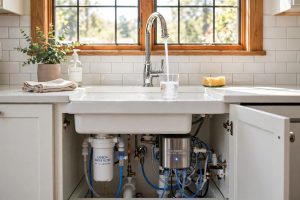
Bacteria in Well Water Treatment Options USA
June 15, 2026 0 views