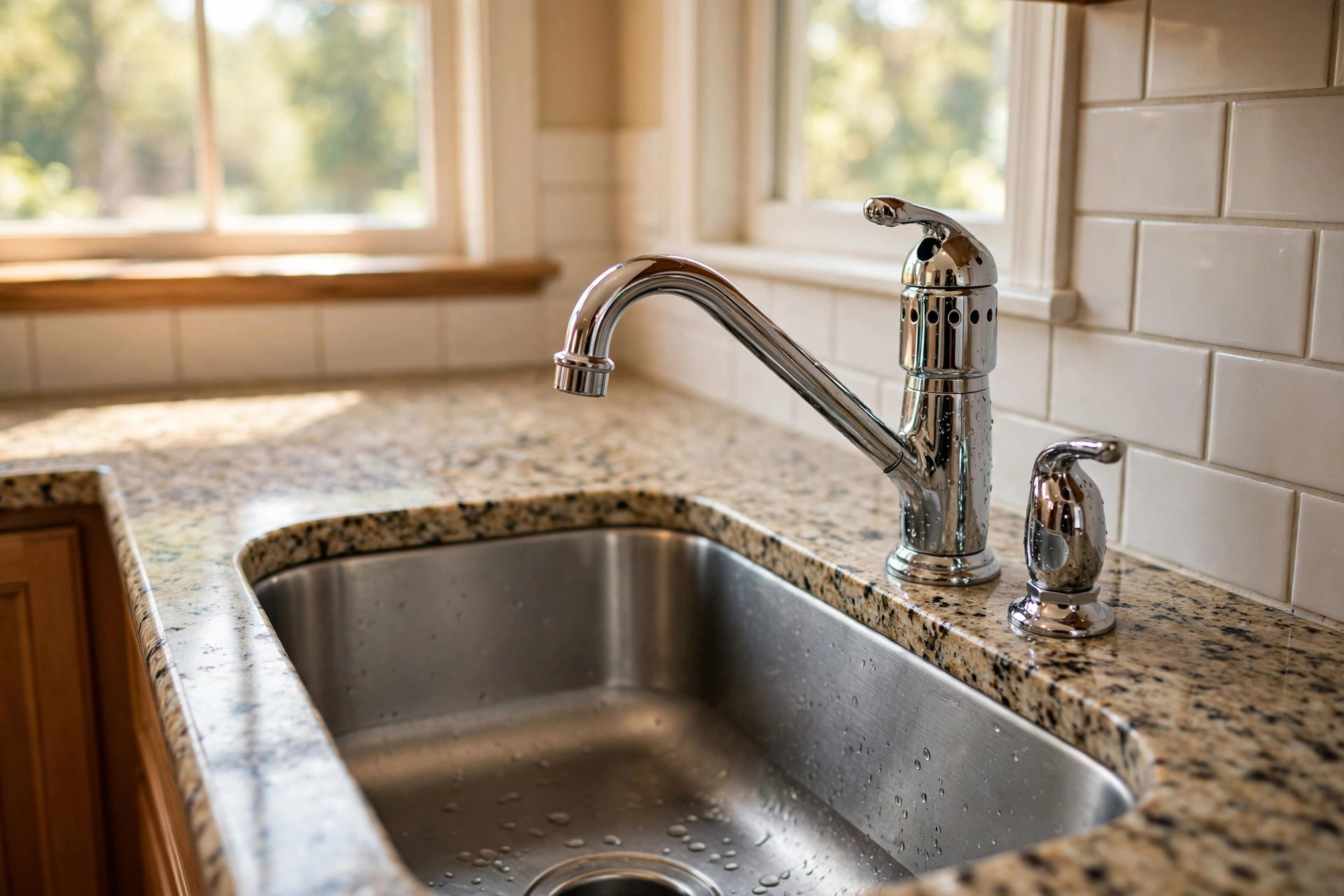

Most reverse osmosis faucet air gap reviews in the USA start with a simple question. What is an air gap faucet, and why does it matter? The answer is plain. A reverse osmosis system cleans your tap water. The air gap faucet is the small tap that sits beside your main sink faucet. It gives you the clean water. It also guards your home against a plumbing problem called backflow. This guide walks through it all in plain terms.
Many buyers read reviews before they buy. That is wise. The faucet is a small part of the system. Yet it shapes how the system sounds, how it looks, and how safe the install is. The next sections cover why it matters, how to choose, what types exist, what it costs, and how to care for it.
Why the Air Gap Faucet Matters
Reverse osmosis pulls water through a fine membrane. It takes out much of the dissolved solids, lead, chlorine, and other common water issues. The system sends clean water to a storage tank. It sends the rest to the drain as waste water. The air gap faucet plays a role in this drain step.
The faucet holds a small gap between the drain line and the water line. Air sits in this gap. If the sink drain clogs, dirty water cannot flow back up into the clean water side. It would spill out of the small air gap hole instead. That spill is a warning sign, not a fault.
Plumbing codes in many American states ask for an air gap on reverse osmosis systems. California has clear rules on this point. Check local code before you buy. A review from a buyer in your state may note whether the code was an issue.
The faucet also matters for daily use. It is what your hand touches each day. Good faucets turn with ease. They do not drip. They sit firm on the sink deck. They match the finish of your main faucet. Reviewers often praise these small details.
What an Air Gap Faucet Is and How It Works: Reverse Osmosis Faucet Air Gap Reviews Usa
An air gap faucet looks like a small drinking-water tap. It mounts on the sink rim or the countertop. Under the counter it has three hose barbs. One line brings clean water from the tank. One line carries waste water to the drain. A third line links the two through the air gap chamber.
When you lift the handle, clean water flows to your glass. The waste line runs only when the system is making water. You may hear a soft gurgle in the faucet when the system fills the tank. That sound is normal. It tells you the unit is working.
Some buyers worry about noise. Most reviews say the gurgle is mild. It fades when the tank is full. If the noise grows loud or constant, it may point to a clog or a worn drain line. The care section below covers that.
Non air gap faucets exist too. They skip the gap chamber. They cost less and run quiet. But they do not meet code in states that call for an air gap. If you plan to sell your home, an inspector may flag a non air gap install.
What to Look for When You Read Reviews
Reverse osmosis faucet air gap reviews in the USA tend to cover the same points. Use this list as you read.
Build and material. Look for solid brass or stainless steel bodies. Cheap zinc or plastic bodies can crack at the mounting shank. Reviewers often note how the faucet feels in the hand. A heavy faucet usually means better metal.
Finish quality. Chrome is the most common finish. Brushed nickel, oil-rubbed bronze, and matte black are popular too. Good reviews praise finishes that resist spots and that match the main kitchen faucet. Thin plating can peel after a year. Photos in reviews help you judge.
Lever action. The best faucets use a ceramic disc valve. They open with a light touch and shut off clean. Reviewers complain when a handle feels loose or when the water dribbles after shutoff.
Mounting hardware. The faucet must fit a standard one and three-eighths inch hole. Most do. Check the shank length if your countertop is thick, such as granite. Reviews from stone-counter owners are worth reading.
Noise level. Some models run quieter than others. Look for reviews that mention the drain gurgle. If you have an open-plan kitchen, this point may matter more.
Lead-free build. Look for faucets that meet lead-free laws, often marked NSF certified or compliant with federal low-lead rules. Reviews sometimes confirm the marking on the box.
Warranty. Most brands give one to five years on the faucet. Longer is better. Keep the receipt.
A Note on Review Sources
Store reviews on large retail sites give a broad picture. They show failure patterns when hundreds of buyers speak. Brand sites give detail on specs. Plumbing forums give real install stories. Read all three before you decide.
Types and Options on the Market
Standard Air Gap Faucets
These are the common models. They cost the least. They work with any under-sink reverse osmosis system. Most come in chrome with other finishes as options. They have a simple lever or knob handle.
Designer Air Gap Faucets
These match high-end kitchen faucets. They come in many finishes. They often have a gooseneck or modern square spout. They cost more. Reviews praise their looks. Some note that repair parts are harder to find.
Long-Reach and High-Arc Models
Tall faucets clear large pots. Long-reach spouts suit wide sinks. If your sink is deep, a high-arc model is worth the extra cost. Reviewers with farmhouse sinks like these best.
Ceramic Disc vs. Compression Valves
Ceramic disc valves last longer. They need only a quarter turn. Compression valves need more turns and wear out faster. Most new models use ceramic discs. Old stock may still use compression. Reviews will tell you which is inside.
Faucets Sold With Systems
Many reverse osmosis systems ship with a faucet in the box. These bundled faucets are basic but fine. Some buyers replace the bundled tap with a nicer one later. If you read system reviews, note the faucet comments inside them.
Cost and Price in the USA
Stand-alone air gap faucets run from about fifteen to about one hundred twenty dollars. The range is wide. Here is a rough guide.
– Basic chrome models: fifteen to thirty dollars. – Mid-range models in brushed nickel or bronze: thirty to sixty dollars. – Designer models: sixty to one hundred twenty dollars.
Labor adds to the cost if you hire a plumber. A simple faucet swap takes under an hour. Expect a service call of roughly one hundred to two hundred dollars in most areas. A full reverse osmosis install runs higher.
Some buyers ask about water softener installation cost near me. Water softeners and reverse osmosis systems serve different jobs. A softener takes out hard minerals. Reverse osmosis takes out a wider range of dissolved solids. Some homes use both. The softener sits first in line. The reverse osmosis unit feeds the drinking tap.
How to Install It Right
Most handy owners can swap a faucet in under an hour. The steps are simple.
1. Shut off the water feed to the reverse osmosis unit. 2. Drain the storage tank through the old faucet. 3. Loosen the mounting nut under the sink and lift out the old faucet. 4. Drop the new faucet through the hole. Tighten the nut from below. 5. Push the three color-coded tubes onto the barbs. Match the labels: clean water in, drain out, and air gap line. 6. Turn the feed back on. Check every joint for drips. 7. Let the tank fill. Flush the first two tanks of water before drinking.
Take care with the drain saddle. It clamps on the sink tailpiece. It must sit above the trap. If it sits too low, drain water can push back. The system manual shows the right spot.
Air gap faucets must vent to the room. Do not seal the small hole on the faucet base. That hole is the vent. If water spurts from it, the drain line is blocked. Clear the blockage before more use.
If plumbing work feels beyond you, call a licensed plumber. A bad drain hookup can cause a leak inside the cabinet. Many buyers pair the job with other repairs. For a sense of repair pricing, look at burst pipe repair cost near me guides from local plumbers.
Care and Upkeep
Air gap faucets need little care. A few habits keep them in good shape.
– Wipe the spout and base weekly with a soft cloth. Do not use harsh pads on the finish. – Listen for changes. A new loud gurgle or a constant trickle points to a clog. – Check the air gap hole each month. If water spits out, clear the drain line. Food bits and grease are the usual cause. – Change the reverse osmosis filters on schedule. A choked membrane raises waste flow and noise. – Sanitize the system once a year. The manual gives the steps. This keeps the faucet and tank clean.
With care, a good faucet lasts ten years or more. The finish may dull first. The valve often outlasts the look.
When you work with push-fit or soldered joints under the sink, know the methods. A short sharkbite vs soldered copper comparison usa can help you choose the right fitting for any line you touch.
Safety and Code Notes
Water safety starts with the faucet. The air gap is a backflow guard. It keeps drain water out of your drinking water. That is its whole job. It works without power and without parts that wear out.
Lead is the other safety point. Old faucets can hold lead in the brass. New rules limit lead in drinking-water parts. Buy a faucet marked lead-free or NSF certified. Keep children in mind. They drink more water per pound of body weight than adults.
Sanitizer chemicals need care too. Use only the amount the manual calls for. Rinse well. Run the flush steps before you drink from the tap.
For general drinking-water facts, the federal EPA site posts plain guides on home water treatment. Water filter makers such as Aquasana also publish care tips for home systems.
Common Problems and Quick Fixes
Water spurts from the air gap hole. The drain line is blocked. Pull the drain tube. Clear it with a thin brush. Check the drain saddle for clogs.
Constant gurgling. The system may be running all the time. Check for a stuck shutoff valve or a worn membrane. Change filters if they are past due.
Slow flow at the tap. The tank may be low on air charge. A plumber can check the tank pressure. A clogged post-filter can also slow flow.
Drips from the spout. The valve seal is worn. Many brands sell a small repair kit. A swap takes minutes.
Loose faucet on the deck. Tighten the mounting nut from below. Add a bead of plumber’s putty under the base plate if the counter is uneven.
Bad taste or odor. Change the carbon filters. Sanitize the tank. If the taste stays, test the water. Your local health office can point you to a lab.
Home repair guides on This Old House and Family Handyman show these fixes with photos. Faucet makers such as Moen, Kohler, and Delta Faucet post parts diagrams for their models. Large stores like Home Depot and Lowe’s stock common repair kits.
Frequently Asked Questions
Do I need an air gap faucet for my reverse osmosis system?
In many states, yes. Plumbing codes often call for an air gap on reverse osmosis drains. California is strict on this point. Check your local code. Even where it is not law, the air gap adds real safety.
Is a non air gap faucet better?
It is quieter and simpler. But it lacks the backflow guard. If code asks for an air gap, a non air gap faucet can fail an inspection. Match the faucet to your local rules.
Why does my faucet gurgle?
The gurgle is the waste water running to the drain. It happens while the system fills the tank. A soft gurgle is normal. A loud or nonstop gurgle points to a clog or a worn part.
Can I use the air gap faucet with a thick granite counter?
Yes, if the shank is long enough. Measure your counter thickness before you buy. Most faucets fit up to about one and a quarter inches. Some long-shank models fit thicker stone.
How long does an air gap faucet last?
Ten years or more with basic care. The valve often lasts longer than the finish. Hard water can dull the finish sooner. Wipe it down often.
Does the faucet need its own water line?
It uses the lines from the reverse osmosis system. One line feeds clean water from the tank. The others handle the drain side. No new supply line is needed beyond the system itself.
Final Word
Reverse osmosis faucet air gap reviews in the USA point to the same lesson. Buy a solid, lead-free faucet. Fit it to your counter. Keep the drain line clear. Do that, and the small tap on your sink will serve you well for years. Read reviews from buyers in your state. Note the noise comments. Note the finish comments. Then buy with calm confidence.
References
Aquasana. (n.d.). Water filtration systems. https://www.aquasana.com Delta Faucet. (n.d.). Kitchen and bathroom faucets. https://www.deltafaucet.com Family Handyman. (n.d.). DIY home repair and maintenance. https://www.familyhandyman.com Kohler. (n.d.). Bathroom and kitchen fixtures. https://www.kohler.com Lowe’s. (n.d.). Home improvement products. https://www.lowes.com Moen. (n.d.). Faucets and plumbing fixtures. https://www.moen.com The Home Depot. (n.d.). Home improvement products. https://www.homedepot.com This Old House. (n.d.). Home renovation guidance. https://www.thisoldhouse.com U.S. Environmental Protection Agency. (n.d.). Protecting human health and the environment. https://www.epa.gov
Was this guide helpful?

About Jennifer Lee
The My Garden US editorial team writes practical, in-depth home and garden guides for American homeowners — tested advice, no fluff.
You May Also Like

Conventional vs Aerobic Septic System Cost: A Complete Homeowner Guide
August 8, 2026 0 views
Water Heater Replacement Cost Near Me 2026: A Complete Price Guide
February 22, 2026 0 views
What Does Shower Valve Replacement Cost Near Me?
July 6, 2026 0 views