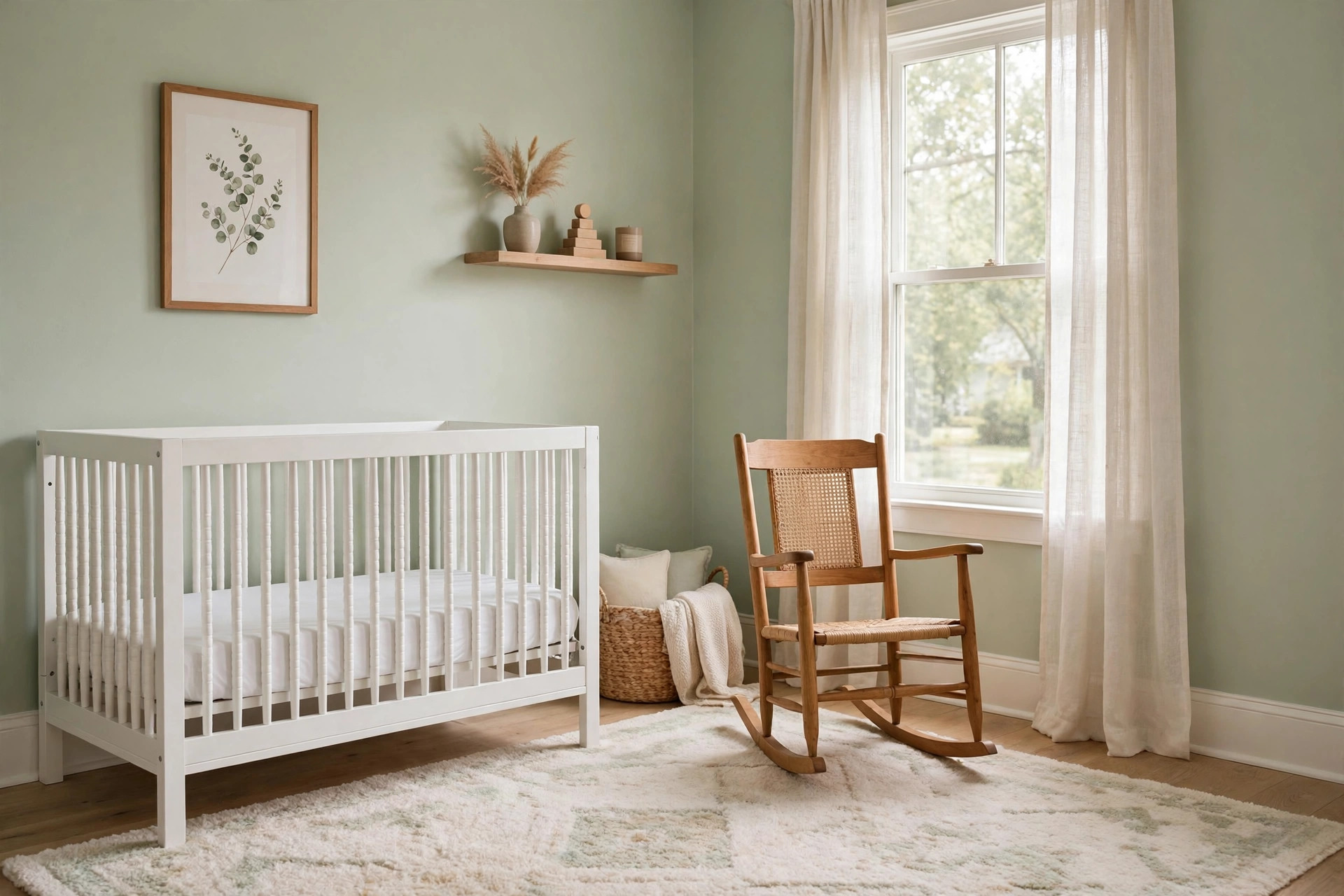

The Best Paint for Baby Room Walls USA: What Every Parent Should Know
When a baby is on the way, the nursery becomes the most important room in the house. Parents choose the crib, the chair, and the lamp with care. The paint on the walls deserves the same care. The best paint for baby room walls USA families can buy is safe, low in fumes, easy to clean, and calm to look at. It does not need to be costly. It needs to be right for a small child who will sleep, play, and grow in that room for years.
This guide explains what to buy, what to avoid, and how to paint the room well. It is written in plain words for busy parents who want a healthy nursery without fuss.
Why the Right Paint Matters: Best Paint for Baby Room Walls Usa
A baby spends many hours each day in the nursery. Newborns sleep up to sixteen hours a day. Toddlers play on the floor near the walls. Babies breathe faster than adults, so they take in more air for their size. They also touch walls and put their hands in their mouths. For these reasons, the paint in a nursery matters more than the paint in a guest room.
Old paint is the first worry. Homes built before 1978 may have lead paint under newer coats. Lead is a poison, and it harms young brains. If your home is old, test for lead before you sand or scrape. A simple test kit from a hardware store works. If the test is positive, do not sand the walls yourself. Call a trained lead-safe worker.
New paint is the second worry. Many paints release fumes called VOCs, which stands for volatile organic compounds. These fumes can sting the eyes and throat. They can also trigger asthma. A baby does not need to breathe them. Today, most big paint brands sell low-VOC and zero-VOC lines made for homes with children. These paints give off far less odor and fewer fumes.
The third worry is wear. A nursery wall takes a beating. Crayons, sticky hands, and toy trucks all leave marks. A good nursery paint wipes clean without losing its color. That saves you from repainting every year.
What to Look For When You Choose
Low VOC or Zero VOC
Look for the words “low VOC” or “zero VOC” on the can. Zero-VOC paints release fewer than five grams of fumes per liter. Low-VOC paints release fewer than fifty grams. Both are far better than old oil-based paints. Brands such as Behr, Benjamin Moore, and Sherwin-Williams all make zero-VOC interior lines. Check the label for the words “GREENGUARD” too. That mark means an outside lab tested the paint for low chemical release. For a baby room, it is a strong sign of quality.
The Right Finish
Paint comes in flat, eggshell, satin, semi-gloss, and gloss. Flat paint hides wall flaws but marks easily and does not wash well. Gloss is very tough but shines hard and shows every bump. For a nursery, eggshell or satin is the sweet spot. Both have a soft glow. Both wipe clean. Satin is a bit tougher than eggshell, so it suits walls near the crib or changing table. Use semi-gloss only on trim and doors, where hands touch most.
Scrub and Stain Resistance
Check the can for the words “scrubbable” or “stain resistant.” These paints have stronger binders. You can wipe off crayon, juice, and fingerprints with a damp cloth. Many washable lines are made for kids’ rooms. The Spruce has simple guides to washable interior paints that explain which lines hold up best.
Color and Light
Soft colors suit a nursery. Pale blue, soft green, warm cream, and light gray all calm the eye. Very bright red or orange can feel loud in a small room. Dark colors make a small room feel smaller. Test three or four sample colors on the wall. Look at them in morning light and in lamp light at night. A color that looks sweet in the store may look gray or pink at home. If you like white walls, read up on the best white paint for interior walls before you buy, since whites vary more than most people expect.
Types of Paint for a Nursery
Most parents today choose water-based latex or acrylic paint. It dries fast, cleans up with soap and water, and smells less than oil paint. Oil-based paint is not a good pick for a baby room. It smells strong, dries slowly, and needs harsh solvents to clean.
Within latex paint, you have a few kinds:
– Standard interior latex. Fine for most rooms. Pick a low-VOC version for the nursery. – Zero-VOC latex. The best pick for a baby room. Little odor. Safe once dry. – Paint and primer in one. Saves a coat on walls that are already painted in a light color. Still prime bare drywall or dark colors first. – Milk paint and clay paint. Natural options with almost no fumes. They look soft and matte. They cost more and need a topcoat to wash well, so they suit parents who want a natural finish and do not mind extra care.
Primer matters too. A good primer seals the wall, blocks old stains, and helps the topcoat stick. Use a low-VOC primer. One coat is enough on most walls.
Cost and Price
Paint for a nursery does not have to cost much. A gallon of good zero-VOC interior paint in the USA runs from about thirty-five to seventy-five dollars. Store brands cost less. Top lines cost more. One gallon covers about three hundred fifty square feet with one coat. A small nursery of one hundred square feet of wall space needs about one gallon for two coats, plus a quart of primer if the wall is bare.
Tools add to the bill. A nine-inch roller, a good two-inch brush, painter’s tape, a tray, and drop cloths cost about thirty to fifty dollars. You can reuse them for years. Many home stores such as Lowe’s and Home Depot sell starter kits that bundle the basics at a fair price.
Hiring a painter is another option. A pro may charge two to four hundred dollars for a small room, paint included. If you hire out, ask for low-VOC or zero-VOC paint by name. Ask the painter to confirm it on the can before work starts.
Painting the Room Step by Step
A nursery paints up fast if you work in order. Here is a simple plan.
Clear the room. Move furniture out or to the center. Cover the floor and the crib with drop cloths. Remove outlet covers and the crib if you can.
Clean the walls. Wipe them with a damp sponge. Dust and grease keep paint from sticking.
Fix flaws. Fill nail holes with spackle. Let it dry. Sand it smooth with fine sandpaper.
Tape the edges. Run painter’s tape along trim, the ceiling line, and window frames. Press it down firm.
Prime. Roll one coat of low-VOC primer on bare spots, patched spots, or dark colors. Let it dry per the can.
Paint. Cut in the edges with a brush first. Then roll the walls in a “W” pattern. Two thin coats beat one thick coat. Wait the full dry time between coats, usually two to four hours.
Ventilate. Open windows and run a fan. Keep air moving for a day or two.
Wait before the baby moves in. Let the paint cure for at least two to three days. A full cure takes about two weeks, but the room is safe to use once the paint is dry and the air smells fresh. Keep the baby out of the room during painting and for a full day after.
This Old House has clear room-painting walkthroughs if you want more detail on each step.
Care and Upkeep
A nursery wall stays nice with small, regular care. Dust the walls twice a year with a dry cloth. Wipe marks soon after they appear. Use a soft sponge with warm water and a drop of dish soap. Rub gently. Harsh scrub pads dull the finish.
Keep a small jar of leftover paint for touch-ups. Write the color name and code on the lid. Touch-ups blend best when the paint is less than two years old. After that, the wall color may have faded a touch in sunlight.
Repaint when the room needs it. Most nursery paint looks good for five to seven years. Repaint sooner if the finish is dull, if stains will not wash out, or when the child outgrows the baby theme. A fresh coat in a new color can turn a nursery into a big-kid room in a weekend. If you want a bolder look for an older child, accent wall ideas can spark a plan, and they work in kids’ rooms too.
Some parents skip paint on one wall and hang peel and stick wallpaper instead. That works well in a rental. Just make sure the wallpaper is also low in fumes and safe for kids.
Safety Rules
Safety comes first in a baby room. Follow these rules every time you paint.
– Keep the baby out of the room while you paint and for at least twenty-four hours after. – Open windows and run a fan during and after painting. – Never sand old paint in a pre-1978 home without a lead test. Hire lead-safe help if lead is present. – Wear a mask rated for paint fumes while you work. – Seal cans tight and store them high, out of a child’s reach. – Throw out rags and empty cans per your town’s rules. Do not pour paint down drains. – If your child has asthma or allergies, pick a GREENGUARD-marked zero-VOC paint and air the room an extra day.
Bob Vila’s painting safety basics and HGTV’s nursery design tips both stress the same point: fresh air and dry paint before the baby comes home.
Frequently Asked Questions
Is zero-VOC paint really safe for a baby room? Yes, once it is dry. Zero-VOC paint releases very few fumes. It is the safest common paint for a nursery. Keep the room aired out during painting and for a day or two after, and it is ready for the baby.
Which paint finish is best for baby room walls? Eggshell or satin. Both wipe clean and look soft. Satin is a touch tougher. Avoid flat paint, which marks fast, and full gloss, which looks harsh on big walls.
How long should I wait before the baby sleeps in the room? Wait until the paint is fully dry and the room smells fresh. That is usually two to three days with good airflow. The paint reaches full hardness in about two weeks, but the room is safe to use well before that.
Can I paint the nursery while pregnant? Ask your doctor first. If you get the go-ahead, use zero-VOC paint, keep windows open, wear a mask, and take breaks. Many doctors advise letting someone else do the painting.
What colors are best for a nursery? Soft, calm colors work best. Pale blue, soft green, warm white, light gray, and gentle peach all suit a baby room. Test samples on the wall and view them in both daylight and lamplight.
Is expensive paint worth it for a baby room? Often yes, within reason. Mid-range zero-VOC paints from known brands cover well in two coats and wash clean for years. Very cheap paint may need three coats and mark fast, which costs more in time and touch-ups.
A Final Word
The best paint for baby room walls USA parents can choose is simple: a zero-VOC latex in eggshell or satin, in a soft color you love, put on with care and given time to dry. It need not be fancy. It needs to be safe, washable, and calm. Take your time with prep, air the room well, and keep the baby out until the air is fresh. The reward is a nursery that looks sweet, cleans up easy, and gives your child a healthy room to grow in.
References
Behr. (n.d.). Paints, primers, and stains. https://www.behr.com Benjamin Moore. (n.d.). Paints and stains. https://www.benjaminmoore.com Bob Vila. (n.d.). Home improvement advice. https://www.bobvila.com HGTV. (n.d.). Home and garden ideas. https://www.hgtv.com Lowe’s. (n.d.). Home improvement products. https://www.lowes.com Sherwin-Williams. (n.d.). Paints and coatings. https://www.sherwin-williams.com The Home Depot. (n.d.). Home improvement products. https://www.homedepot.com The Spruce. (n.d.). Home and garden advice. https://www.thespruce.com This Old House. (n.d.). Home renovation guidance. https://www.thisoldhouse.com
Was this guide helpful?

About Sarah Mitchell
The My Garden US editorial team writes practical, in-depth home and garden guides for American homeowners — tested advice, no fluff.
You May Also Like
Orange Peel Texture Repair Kit Reviews: What Works and What Does Not
August 13, 2026 0 views
Spray Paint for Wicker Furniture Reviews USA: A Plain Buying Guide
June 10, 2026 0 views
Best Paint for High Humidity Bathrooms USA: A Plain Guide to Lasting Walls
August 10, 2026 0 views