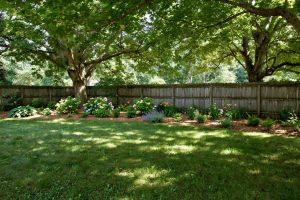

Weeds are the quiet enemy of every garden. They steal water, food, and light from the plants you want to grow. They also steal your time. Many gardeners spend hours each week pulling weeds by hand, and the weeds come back again. This is why weed barrier fabric reviews for gardens are worth reading before you buy a roll. A good fabric can cut weeding down to a small chore. A bad one can cause more trouble than it stops. This guide walks through the facts in plain terms. It covers the main types of fabric, what to check before you buy, what it costs, and how to keep it working for years.
Why Weed Barrier Fabric Matters
A weed barrier is a sheet of material laid over the soil. It blocks light so weed seeds cannot sprout. Your plants grow through holes you cut in the sheet. The idea is simple, and it is old. Farmers have used black plastic mulch for decades. Home gardeners now have better choices, with fabrics that let water and air pass through.
The first benefit is time. A garden bed covered with fabric and mulch needs far less hand weeding. The second benefit is water. Bare soil dries fast in the sun. Covered soil holds moisture longer, so you water less often. The third benefit is a cleaner bed. Mulch spread over fabric stays neat and does not mix into the soil as fast.
There is also a smaller need for weed killer. Many people want to cut back on sprays, and a barrier does that work without chemicals. If you have read the pet safe lawn weed killer reviews, you know that choosing gentler products takes care. A fabric barrier is one more tool for that same goal. For a full plan, it pairs well with a timing guide for pre-emergent weed killer, so fewer weeds sprout in the first place.
What to Look for When You Choose: Weed Barrier Fabric Reviews for Gardens
Not all fabrics are the same. The reviews point to a few facts that matter most.
Weight and Thickness
Fabric weight is given in ounces per square yard. A light fabric of 1.5 ounces works for one season in a mild bed. A heavy fabric of 3 to 5 ounces can last five years or more. Heavier costs more, but it resists tears from tools, pets, and foot traffic. For a bed you will keep for years, the heavier roll is the better buy.
Water Flow
The fabric must let rain and irrigation water pass through. This is called permeability. Cheap solid plastic sheets trap water on top and starve the roots below. Look for the words woven or spunbond on the label. Both let water through. If you plan to run drip lines, lay them under the fabric so the water goes straight to the roots.
Sun Resistance
Sunlight breaks fabric down over time. Good products carry a UV stabilizer and state a warranty of three, five, or even twenty years. A fabric that will sit under two or three inches of mulch does not need the highest UV rating, because the mulch shields it. A fabric used bare along a path needs the strongest rating you can afford.
Size of the Roll
Measure your beds before you shop. Wide rolls mean fewer seams, and seams are where weeds find a way in. A 3-foot or 4-foot roll fits most home beds. For large areas, a 6-foot roll cuts the number of overlaps in half. Buy a little extra for overlaps and for cutting mistakes.
Types of Weed Barrier Fabric
Reviews for gardens tend to group products into three kinds. Each has a place.
Woven Polypropylene
This is the most common type. Thin strips of plastic are woven like cloth. It is strong, lets water through, and comes in many weights. It works well under mulch in flower beds and around shrubs. The woven texture grips the soil and stays flat. Its weak point is the cut edge, which can fray. Fold the edge under or burn-seal it with care when you cut it.
Non-Woven Spunbond Fabric
This type looks and feels more like felt. The fibers are bonded rather than woven. It is softer and easier to cut, and it does not fray. Many gardeners like it for vegetable beds because it is light and simple to lift at the end of the season. It is not as tough as woven fabric, so it suits beds that get little foot traffic.
Biodegradable Options
Paper mulch, burlap, and corn-based sheets break down into the soil over one or two seasons. They suit vegetable gardens and annual beds where you till each year. They add organic matter as they rot. They cost more per season than plastic-based fabric, and they will not stop tough perennial weeds as well. Think of them as a gentle option for short-term beds.
When people ask about the best weed control fabric for vegetable gardens, the answer often depends on the plan for the bed. A permanent bed with berries or roses calls for heavy woven fabric. A bed of tomatoes that you replant each spring calls for a light spunbond sheet or a biodegradable cover you can till under.
What It Costs
Prices run from a few cents to about twenty cents per square foot. A small 3 by 50 foot roll of light fabric may cost under twenty dollars. A heavy 4 by 100 foot roll with a long warranty can cost sixty to one hundred dollars. Buying in bulk drops the price per foot, which helps on large projects.
Do not forget the extras. Landscape pins cost a few dollars per bag, and you will need one every one to two feet along edges and seams. The mulch that covers the fabric is often the largest cost. A good bed needs two to three inches of mulch for flower beds, and bulk delivery of mulch for flower beds can save money over bagged mulch when the area is large.
Over time, the math favors the better fabric. A cheap roll that tears in one season costs more in the end than a heavy roll that lasts five. Add the hours of weeding you save, and the value becomes clear.
It also helps to think in terms of the whole project, not just the roll. A small bed of one hundred square feet needs one short roll, one bag of pins, and a few bags of mulch. The total may run forty to eighty dollars. A large bed of one thousand square feet may need two wide rolls and a bulk mulch delivery, running three to five hundred dollars. Reviews often note that the fabric itself is the smallest part of the bill. The mulch and the labor of laying it cost more. Spend the savings from a fair-priced roll on good pins and a thick mulch layer, and the bed will perform better for longer.
Care and Upkeep
A weed barrier is not a fit-and-forget product. A little care each year keeps it working.
Laying It Down Right
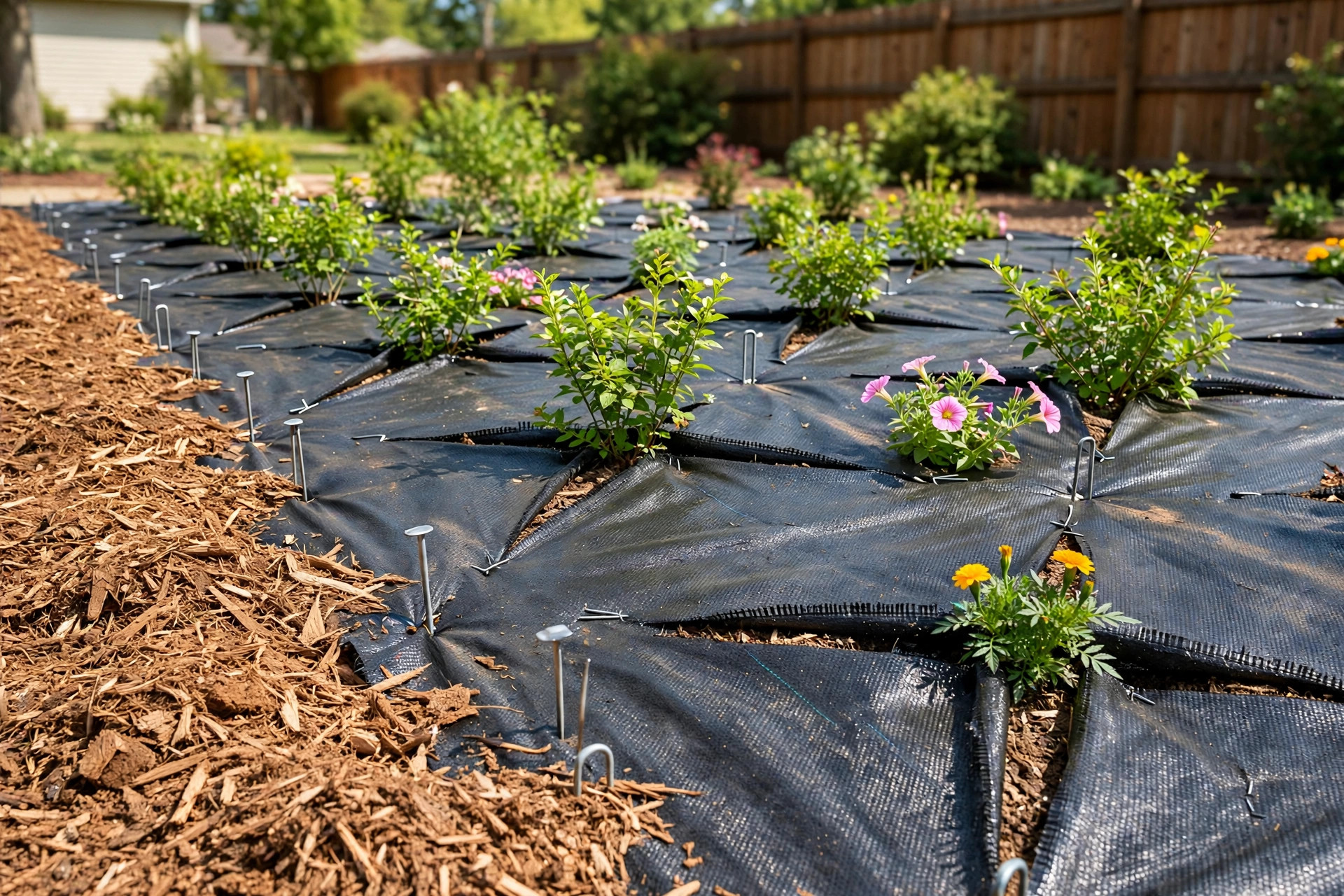
Start with clean soil. Pull or kill the existing weeds first, because the fabric will not kill strong weeds that are already growing. Level the ground and remove sharp stones and sticks. Roll the fabric out and overlap each seam by four to six inches. Pin the edges and seams down every one to two feet. Cut a small X for each plant and fold the flaps under. Then cover the whole bed with two to three inches of mulch. Never leave the fabric bare in the sun longer than you must.
Yearly Care
Each spring, walk the beds and check for problems. Press down any pins that have lifted. Pull the few weeds that root in the mulch on top before they send roots through the fabric. Add fresh mulch where it has thinned. If a section has torn, patch it with a scrap of new fabric overlapped well on all sides. With this small routine, a good woven fabric can serve for many seasons. Gardeners often ask how long weed barrier fabric lasts, and the honest answer is that care matters as much as the product. A well-kept bed outlasts a neglected one by years.
Safety Notes
Weed barrier fabric is safe to handle, but a few cautions help. Wear gloves when cutting woven fabric, because the edges can be sharp. Keep fabric away from open flame, since most types melt or burn. Do not use a torch to burn planting holes unless you know the safe method and have water close by.
Think about what lies under the fabric too. In a vegetable garden, choose products labeled safe for food growing, and skip fabrics with added herbicides built into the fibers. If you have pets that dig, check that the fabric has no loose threads they could swallow, and keep the bed covered with mulch so paws stay on a soft surface. On slopes, pin the fabric well so it does not slide in heavy rain. For general yard safety and equipment advice, lawn care guides from makers like Toro and John Deere offer useful background, and independent testers such as Consumer Reports publish reviews that help you compare brands.
Frequently Asked Questions
Does weed barrier fabric stop all weeds?
No product stops every weed. A good fabric stops most weeds that sprout from the soil below. Some weeds still root in the mulch on top of the fabric. These pull out easily because their roots are shallow. Wind-blown seeds will always land in any bed, so expect light weeding a few times a year.
Will water reach my plants?
Yes, if you buy a permeable fabric and install it well. Woven and spunbond fabrics let rain and sprinkler water pass through. The key is to avoid puddling. If water pools on top, the grade may be off, or the fabric may be clogged with fine silt. A light raking of the mulch and a check of the slope usually fix it.
Can I use it in a vegetable garden?
You can, with the right type. Light spunbond fabric suits annual vegetable beds and lifts away at season end. Heavy woven fabric suits permanent paths between raised beds. Avoid placing non-biodegradable fabric where you plan to till deeply each year, because the tiller will shred it. For food beds, pick products without added chemical treatments.
Is fabric better than mulch alone?
The two work best together. Mulch alone needs a thick layer and yearly topping up to block light. Fabric alone looks poor and breaks down in the sun. Fabric plus two to three inches of mulch gives the longest weed control with the least yearly work. When people compare woven versus nonwoven landscape fabric, the real lesson is that the cover layer matters as much as the fabric type.
Do I still need weed killer?
Much less, and often none. The barrier handles most weeds. For the few that appear, hand pulling is usually enough. If you do use a product, spot-treat rather than spray the whole bed. This keeps chemical use low and protects nearby plants, pets, and pollinators.
A Final Word
Weed barrier fabric is a humble product that earns its keep. Read the reviews, pick the right type for your beds, lay it with care, and cover it with mulch. Do that, and your garden will ask less of your weekends and give more back in flowers, fruit, and quiet. The weeds will not vanish for good. But they will lose, season after season, to a gardener who planned ahead.
References
Consumer Reports. (n.d.). Product reviews and ratings. https://www.consumerreports.org Deere & Company. (n.d.). Lawn care and landscaping equipment. https://www.deere.com The Toro Company. (n.d.). Lawn and landscape equipment. https://www.toro.com
Was this guide helpful?

About James Carter
The My Garden US editorial team writes practical, in-depth home and garden guides for American homeowners — tested advice, no fluff.
You May Also Like
Natural Mosquito Yard Treatment Safe for Pets
June 1, 2026 0 views
Smart Sprinkler Timer Rebates for California Homes: A Plain Guide
August 3, 2026 0 views
Red Mulch vs Brown Mulch: Which Better for Your Garden Beds?
June 4, 2026 0 views