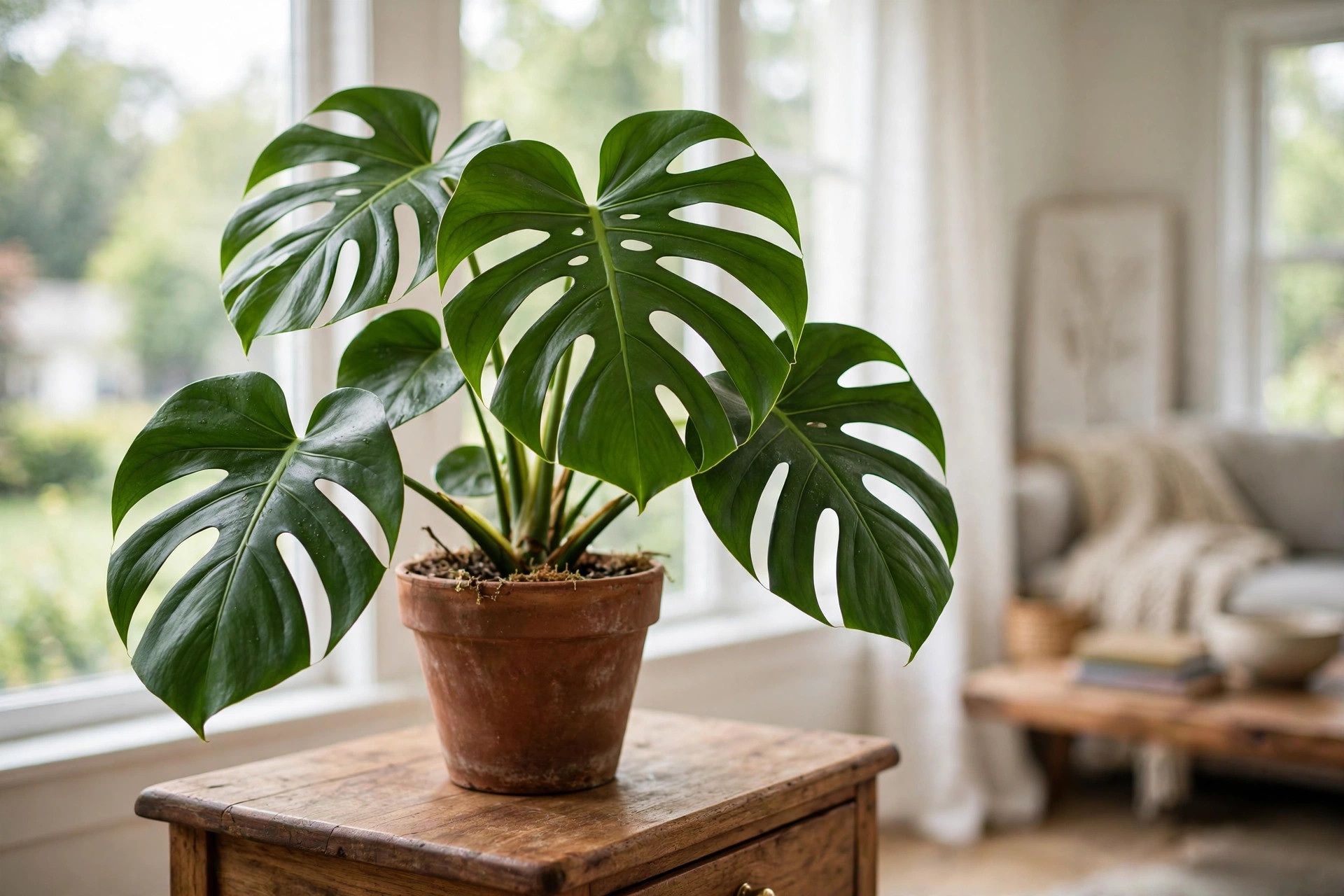

This monstera plants sale buying guide usa walks you through every step of choosing a good plant. The monstera, also called the Swiss cheese plant, is one of the most loved houseplants in America. Its large, glossy leaves with natural splits add calm beauty to any room. Sales on monstera plants appear often at nurseries and online shops. But a low price does not always mean a good buy. A weak plant may carry pests or root rot. This guide shows you how to spot a strong plant, what to pay, and how to care for it after the sale. With a little care, a modest plant from a sale can grow into a proud centerpiece in your home.
Why Buying a Monstera Matters
A monstera is a long-term guest in your home. It can live for many years and grow to fill a corner. When you buy with care, you bring home a plant that rewards you with steady new leaves. When you buy in haste, you may bring home problems. Pests like spider mites and mealybugs spread fast to other plants. Root rot can kill a plant within weeks. Good buying habits save money in the long run. A healthy plant grows fast and needs fewer remedies.
The monstera is also easy to share. A mature plant can be cut and rooted. Many growers start one sale plant and soon have gifts for friends. Knowing how to judge plant health helps you choose stock plants for dahlia bulbs bulk for sale usa and other green projects as well. The skill of reading a plant transfers across the whole hobby.
What to Look For in a Sale Plant: Monstera Plants Sale Buying Guide Usa
The Leaves
Start with the leaves. They should be firm and glossy. The green should be deep and even. Yellow spots, brown edges, or drooping leaves are warning signs. A few small blemishes are normal in nursery stock. But large areas of damage suggest poor care. Check the new leaf at the top. It should be smooth and unblemished. This new growth tells you how the plant will look in your home.
The Stems and Nodes
Look at the stems next. They should feel firm, not soft or mushy. Soft stems may signal rot. Find the nodes. These are the small bumps on the stem where leaves and roots emerge. Healthy nodes are clean and dry. A plant with several visible nodes is a good base for future cuttings.
The Roots
If you can, lift the plant gently from its pot. Healthy roots are white or light tan and firm. They should fill the pot but not wrap into a tight mat. Dark, mushy roots smell bad and signal root rot. Do not buy such a plant, even at a deep discount. A mildly root-bound plant is fine. You can repot it soon after purchase.
Pests
Turn a leaf over. Look for tiny webs, white cottony clumps, or small moving dots. These are signs of mites, mealybugs, or thrips. Tap a leaf over white paper. Falling specks that move are a bad sign. It is safer to pass on an infested plant than to treat one for months. Clean plants are worth a fair price.
Types and Options on Sale
Monstera Deliciosa
The classic monstera deliciosa is the most common sale plant. It has heart-shaped leaves that develop splits as they mature. It is hardy, forgiving, and fast growing. For a first buyer, this is the best choice. Plant profile pages describe its growth habit in detail. Sales often list it simply as monstera or Swiss cheese plant. Ask the seller for the full name to be sure.
Variegated Monstera
Variegated forms carry white or cream patches on the leaves. They are rare and costly. Sales sometimes offer them at striking prices. Be cautious. The white areas cannot make food for the plant. A heavily white plant grows slowly and burns in bright light. Ask how the cutting was rooted before you pay a premium.
Monstera Adansonii
The adansonii is the smaller cousin with oval holes instead of splits. It climbs well on a moss pole. It is usually cheaper than the deliciosa. If you have a small room, this is a fine option. It shares the same basic care needs.
Size Grades
Sale listings often use size grades. A four-inch pot holds a young plant with a few small leaves. A six-inch pot holds a fuller plant with some splits. A gallon or larger pot holds a near-mature plant. Bigger is not always better. Plant sizing charts from established nurseries confirm this trade-off. A young, healthy plant in a small pot often grows faster than a stressed large one. Judge health first, size second.
Cost and Price
Prices for monstera plants vary widely across the United States. A small monstera deliciosa in a four-inch pot often sells for eight to twenty dollars. A six-inch pot with split leaves may run twenty to forty-five dollars. Large floor plants in ten-inch pots can cost sixty to one hundred fifty dollars. Variegated forms start much higher, often several hundred dollars.
Sales bring real savings. End-of-season clearances at garden centers can cut prices by a third. Online flash sales do the same. Watch shipping costs on mail-order plants. A twelve-dollar plant with eighteen-dollar shipping is no bargain. Local pickup avoids this problem. Seed and plant catalogs often list shipping terms clearly for comparison.
Compare before you buy. A fair price for a healthy plant beats a cheap price for a weak one. Replacing a dead plant costs more than buying well once. Many growers check seasonal planting calendars to time their purchases. If you are building a collection on a budget, start with one strong plant and propagate it. Many growers also enjoy snake plants indoor usa online deals as a companion purchase, since snake plants share similar low-maintenance care.
Care and Upkeep After the Sale
Light
Give your monstera bright, indirect light. Near an east or north window is ideal. Direct midday sun scorches the leaves. In low light the plant survives but grows slowly and makes fewer splits. Rotate the pot a quarter turn each week so growth stays even.
Water
Water when the top two inches of soil feel dry. Soak the pot until water drains from the bottom. Empty the saucer. Do not let the pot sit in water. Overwatering is the most common killer of monstera plants. Guides from houseplant care experts stress the same rule. In winter, water less often. The plant rests and drinks slowly.
Soil and Repotting
Use a loose, airy mix. A blend of potting soil, orchid bark, and perlite works well. The mix should drain fast but hold some moisture. Repot every one to two years, or when roots circle the pot. Nursery growing guides give the same advice for tropical foliage plants. Choose a pot only one size larger. Too large a pot holds extra water and invites rot.
Humidity and Temperature
Monsteras like warmth and mild humidity. Room temperatures between sixty-five and eighty-five degrees suit them well. Keep the plant away from cold drafts and heating vents. A pebble tray or room humidifier helps in dry winter homes. You do not need a greenhouse. Normal home air with a little extra care is enough.
Feeding
Feed during spring and summer with a balanced liquid fertilizer at half strength. Once a month is plenty. Stop feeding in fall and winter. Too much fertilizer burns the leaf tips. Growing guides from seed houses recommend the same modest schedule for foliage plants. A steady, modest feeding plan beats heavy doses.
Support
As the plant grows, it wants to climb. Give it a moss pole or a sturdy trellis. Tie the main stem loosely to the support. The aerial roots will grip the pole. Climbing plant tutorials show simple ways to train the stems. A supported plant makes larger leaves with more splits. Prune in spring to shape the plant. You can root the cuttings in water and share them.
Safety
Monstera plants are toxic to cats, dogs, and people if chewed. The leaves and stems contain calcium oxalate crystals. These cause mouth pain, drooling, and swelling. Keep the plant out of reach of pets and small children. Federal agricultural resources list common toxic houseplants for reference. Place it on a high shelf or in a room pets do not enter.
Wear gloves when pruning. The sap can irritate skin. Wash your hands after handling cuttings. If a pet chews the plant, call your veterinarian. If a child tastes a leaf, call poison control. These are rare events, but it is wise to be prepared. Many indoor plant lovers keep succulent variety packs reviews buying guide usa pages handy as well, since some succulents are safer choices for homes with pets.
Frequently Asked Questions
How fast will my sale monstera grow?
In good light and warm months, a healthy monstera grows quickly. It can add one new leaf every few weeks in spring and summer. Growth slows in winter. A small plant in a four-inch pot can reach a full look within one growing season.
When will the leaves start to split?
Splits appear with age and light. Young plants have solid, heart-shaped leaves. As the plant matures and gets bright, indirect light, new leaves unfurl with slits. Larger pots and a support pole speed the process. Be patient. It can take a year or more.
Should I mist my monstera?
Misting gives only brief relief in dry air. It does not replace steady humidity. A room humidifier or a pebble tray works better. Avoid misting late in the day. Wet leaves overnight can invite fungus. Good air flow around the plant is more useful than daily misting.
Why are the lower leaves turning yellow?
A few yellow lower leaves are normal as the plant ages. It sheds old leaves to feed new growth. But widespread yellowing points to overwatering. Check the soil moisture and the drainage holes. Let the soil dry more between waterings. If the pot has no drainage, repot into one that does.
Can I buy a monstera online safely?
Yes, if you choose a reputable seller. Look for sellers with clear photos of the actual plant and honest reviews. Check the shipping method. Plants should travel in insulated boxes in cold weather. Mail-order nursery practices show how careful packing protects live plants. Heat packs and fast shipping protect the plant. Expect some stress after shipping. Give the plant a week in shade before you judge it.
Is a variegated monstera worth the extra cost?
It depends on your goals. For collectors, the striking white patches are worth the price. For casual growers, the classic green form gives more growth for less money. Variegated plants grow slowly and need careful light. Start with the standard form unless you are ready for the extra care.
A Short Final Word
A sale is a fine time to buy a monstera. This monstera plants sale buying guide usa gives you the tools to buy with confidence. Check the leaves, stems, roots, and pests. Know the types and fair prices. Bring the plant home to bright, indirect light and water it with care. In a season or two, your modest sale plant will fill its corner with bold green leaves. That is the simple joy of buying well and growing patiently.
References
Burpee. (n.d.). Seeds, plants, and gardening supplies. https://www.burpee.com Gardening Know How. (n.d.). Gardening guides and plant care. https://www.gardeningknowhow.com Gurney’s Seed & Nursery Co. (n.d.). Seeds, plants, and garden supplies. https://www.gurneys.com Monrovia. (n.d.). Plants for home gardens. https://www.monrovia.com National Institute of Food and Agriculture. (n.d.). Agricultural research and extension. https://www.nifa.usda.gov Park Seed. (n.d.). Seeds, plants, and gardening supplies. https://www.parkseed.com Proven Winners. (n.d.). Plants and gardening inspiration. https://www.provenwinners.com The Old Farmer’s Almanac. (n.d.). Gardening calendars and advice. https://www.almanac.com The Spruce. (n.d.). Home and garden advice. https://www.thespruce.com White Flower Farm. (n.d.). Plants, bulbs, and garden supplies. https://www.whiteflowerfarm.com
Was this guide helpful?

About Jennifer Lee
The My Garden US editorial team writes practical, in-depth home and garden guides for American homeowners — tested advice, no fluff.
You May Also Like
Lavender Seed Packets for Sale USA: How to Buy and Grow Them Well
March 5, 2026 0 views
Organic Herb Seeds Florida Homes USA: A Complete Planting Guide
January 8, 2026 0 views
Fiddle Leaf Figs Where to Buy USA: A Full Guide for Home Gardeners
January 15, 2026 0 views