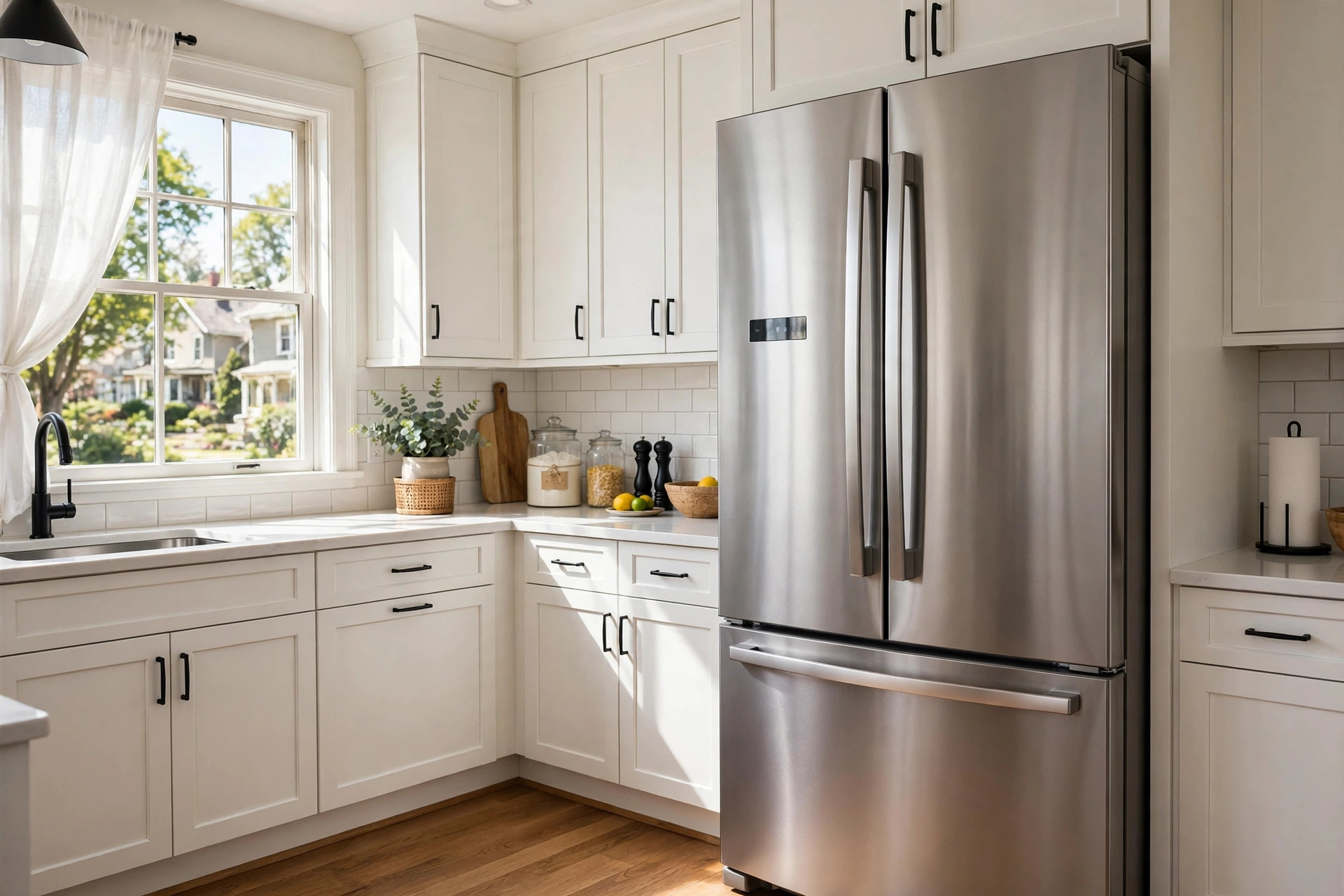

A refrigerator is the hardest working machine in your home. It runs all day and all night, year after year. This french door refrigerators reviews buying guide usa will help you read reviews the right way and pick a model that fits your kitchen, your food habits, and your budget. A french door refrigerator has two narrow doors on top that open to a wide fresh-food compartment, with a freezer drawer below. Shoppers in the United States love this style because it saves floor space in tight kitchens and puts fresh food at eye level.
Why a Buying Guide Matters
Reviews Can Mislead
Online reviews are full of praise and anger. One owner writes that a model is perfect. The next owner says the same model died in two years. Both may be honest. The difference is often in how the machine was used, how it was installed, and what the buyer expected. A good buying guide teaches you to read between the lines. Look for patterns across many reviews, not single voices.
A Refrigerator Is a Long-Term Purchase
Most french door models sell between eight hundred and three thousand dollars. Families keep them for ten to fifteen years. A mistake costs money twice: once at the store, and again in repair bills and spoiled food. Reading buying guides for kitchen appliances from trusted home editors helps you compare real-world results instead of marketing claims.
Energy Use Adds Up
A large refrigerator runs twenty-four hours a day. The difference between an efficient model and a thirsty one can reach thirty to fifty dollars a year on your power bill. Over twelve years, that is several hundred dollars. The Energy Star program publishes efficiency ratings for most major models, and checking those ratings before you buy is a simple habit that pays off.
What to Look for When You Read Reviews: French Door Refrigerators Reviews Buying Guide Usa
Check the Sample Size
A model with twelve reviews tells you little. A model with two thousand reviews tells you a lot. Give weight to models with large review counts. Also check the dates. Reviews from three years ago may describe a model that the maker has since changed.
Separate Delivery Problems from Product Problems
Many bad reviews complain about dents, late delivery, or rude installers. Those are store problems, not machine problems. When you read reviews, set those aside. Focus on what owners say about noise, cooling, ice makers, and repairs after the first six months.
Watch for Ice Maker Complaints
Ice makers cause more service calls than any other part of a french door refrigerator. If dozens of reviews mention slow ice, leaking water, or frozen dispensers, take it as a warning. Some owners add a separate under-counter ice maker and turn the built-in one off. Home editors at The Spruce often flag ice maker trouble in their roundups.
Note the Noise Level
Open kitchens are common in American homes. A loud compressor will bother you during dinner and late at night. Reviews that mention a quiet hum are good signs. Reviews that mention buzzing, clicking, or knocking are bad signs. Look for models rated under forty-five decibels if your kitchen opens to your living room.
Types and Options
Standard-Depth French Door Models
A standard-depth model sticks out several inches past your counters. It holds twenty-five to twenty-eight cubic feet, which suits large families. The price is usually lower than counter-depth models. The trade-off is a bulky look and doors that need more swing room. Makers such as Whirlpool and GE Appliances sell many models in this class.
Counter-Depth French Door Models
A counter-depth model sits nearly flush with your cabinets. It holds less food, usually twenty to twenty-three cubic feet, and costs more. Shoppers who prize a clean, built-in look choose this style. If you cook for a big family, measure your weekly groceries first. A smaller box may force extra trips to the store.
Models with Water and Ice in the Door
Most french door models offer a through-the-door water and ice dispenser. It is handy, but it takes space from the door bins and adds parts that can fail. Families with children love the easy water access. If you rarely use ice, a model without a dispenser gives you more storage and fewer repairs.
Smart and Connected Models
Some new models connect to your phone. They can alert you when a door stays open or when the temperature rises. These features add cost and rarely affect how well food stays cold. Treat them as extras, not as reasons to choose one model over another.
Four-Door and Flex-Drawer Designs
Four-door models add a middle drawer between the fresh section and the freezer. You can set that drawer to chill drinks, thaw meat, or hold snacks for kids. It is a useful feature if your budget allows it. Bosch Home and other premium makers have strong options in this group.
Cost and Price
Price Ranges in the United States
Entry-level french door refrigerators cost eight hundred to twelve hundred dollars. They cool well and carry basic features. Mid-range models cost thirteen hundred to two thousand dollars and add better shelves, quieter fans, and nicer finishes. Premium models cost twenty-one hundred to thirty-two hundred dollars and add smart screens, flex drawers, and designer styling. Prices shift with sales, so watch holiday weekends.
Where to Shop
Big box stores such as The Home Depot and Lowe’s carry wide selections and run frequent sales. They also offer delivery and haul-away of your old machine. Local appliance shops may match prices and often give better service after the sale. Ask about price matching before you assume the big store is cheapest.
Delivery and Installation Fees
Delivery often costs seventy to one hundred fifty dollars. Haul-away of the old unit may cost extra. Measure your doorways, hallways, and the space in your kitchen before you order. A refrigerator that cannot fit through your front door will ruin your delivery day. Most stores list exact dimensions on the product page.
Extended Warranties
The maker’s warranty usually covers one year of parts and labor, with longer coverage on the sealed cooling system. Extended warranties cost one hundred fifty to three hundred fifty dollars. They may pay off if the ice maker fails in year three. Read the fine print. Some plans exclude the parts that fail most often.
Care and Upkeep
Clean the Coils Twice a Year
Dust on the condenser coils makes the compressor work harder. Pull the unit out, unplug it, and brush or vacuum the coils. This simple job takes twenty minutes and can add years to the life of the machine. This Old House has clear step-by-step guides for this task.
Keep the Door Seals Clean
Wipe the rubber gaskets with warm soapy water every few months. Crumbs and sticky spills break the seal. A weak seal lets cold air escape and makes frost build up. Test the seal by closing the door on a dollar bill. If the bill slides out easily, the gasket needs attention.
Set the Right Temperatures
Keep the fresh section at thirty-seven to forty degrees Fahrenheit. Keep the freezer at zero degrees. Colder settings waste power and can freeze lettuce. Warmer settings risk spoiled milk and meat. A cheap thermometer placed on a shelf tells you the truth better than the digital display.
Change the Water Filter on Time
Most models ask for a new filter every six months. A clogged filter slows the water flow and strains the system. Write the change date on the filter with a marker so you do not forget. Buy filters from the maker or a trusted parts seller, since cheap copies can leak.
Safety
Tip-Over and Anchoring
A tall french door refrigerator can tip forward if a child climbs on an open door. Use the anti-tip bracket that comes in the box. It takes ten minutes to install and prevents a serious accident. Keep heavy items on low shelves when small children are in the home.
Water Line Leaks
The water line behind the refrigerator can leak slowly for months before you notice. Check the floor behind the unit once or twice a year. A braided steel supply line resists bursting better than a plastic one. If you see dampness or smell mildew, shut off the valve and call a plumber.
Food Safety Basics
A refrigerator that runs too warm grows bacteria fast. Do not leave the doors open while you cook or unload groceries. Put meat and dairy away within two hours of shopping. If the power goes out, keep the doors closed. Food in a full freezer stays safe for about forty-eight hours; in the fresh section, about four hours.
Electrical Grounding
Plug the refrigerator directly into a grounded wall outlet. Do not use an extension cord or a power strip. The compressor draws a surge of current when it starts, and thin cords can overheat. If your kitchen has old two-prong outlets, have an electrician upgrade them before the new machine arrives.
How French Door Models Compare to Other Kitchen Upgrades
A new refrigerator is often part of a bigger kitchen plan. If you are also shopping for a new stove, read our guide to gas kitchen ranges reviews buying guide usa before you decide. Shoppers who want faster reheating may like our microwave drawer units buying guide usa. And if your remodel includes a new faucet over the range, see pot filler faucets texas homes usa for ideas on that niche upgrade. Planning all your appliances together helps you match finishes and sizes.
Frequently Asked Questions
How long do french door refrigerators last?
Most last ten to fifteen years with basic care. The compressor and sealed system often outlive the ice maker and the electronics. Regular coil cleaning and correct temperatures add years. Models that run in hot garages wear out faster than models in cool kitchens.
Are french door refrigerators more efficient than side-by-side models?
They can be. You open only one narrow door to grab milk, so less cold air escapes. But french door models are often larger, and a bigger box uses more power. Check the yellow Energy Guide label on each model. Compare the yearly kilowatt-hour number, not just the style.
Do I need a water line for a french door refrigerator?
Only if you want the ice maker and water dispenser to work. The refrigerator cools fine without a water hookup. If your kitchen has no nearby water line, a plumber can run one, but that adds cost. Some owners skip the hookup and use a countertop filter pitcher instead.
What size should I buy for a family of four?
Twenty-two to twenty-six cubic feet suits most families of four. If you buy in bulk or cook large meals, lean toward twenty-six to twenty-eight. Measure your kitchen first. A huge refrigerator that blocks a walkway will annoy you every day.
Why do reviews mention loud ice makers?
Ice dropping into the bin makes a sudden clatter, especially at night. This is normal in most models. Reviews that call it a defect often come from owners with bedrooms near the kitchen. If noise worries you, look for models praised for quiet ice or turn the ice maker off at night.
Is a smart refrigerator worth the extra money?
For most buyers, no. The core job is keeping food cold, and smart features do not change that. Door-open alerts and temperature warnings are nice, but they do not justify a five-hundred-dollar premium. Spend that money on a larger size or a better warranty instead.
A Short Final Word
Reading this french door refrigerators reviews buying guide usa is only the start. Measure your space. Set your budget. Read many reviews and look for patterns. Compare energy ratings. Then buy from a store that stands behind delivery and service. A careful choice now will keep your food fresh and your kitchen quiet for more than a decade.
One last tip: keep your review notes. When a model you like gets a price drop, check the newest reviews first. Makers change parts and suppliers from year to year, and the latest owner reports tell you what is shipping today. A patient buyer who reads reviews twice often pays less and gets a better machine.
References
Bob Vila. (n.d.). Home improvement advice. https://www.bobvila.com Bosch. (n.d.). Home appliances. https://www.bosch-home.com ENERGY STAR. (n.d.). Energy efficient products. https://www.energystar.gov GE Appliances. (n.d.). Kitchen and home appliances. https://www.geappliances.com Lowe’s. (n.d.). Home improvement products. https://www.lowes.com The Home Depot. (n.d.). Home improvement products. https://www.homedepot.com The Spruce. (n.d.). Home and garden advice. https://www.thespruce.com This Old House. (n.d.). Home renovation guidance. https://www.thisoldhouse.com Whirlpool. (n.d.). Home appliances. https://www.whirlpool.com
Was this guide helpful?

About Lisa Anderson
The My Garden US editorial team writes practical, in-depth home and garden guides for American homeowners — tested advice, no fluff.
You May Also Like
Under Counter Wine Fridges for Texas Homes: What to Buy and How to Care for It
April 20, 2026 0 views
Stainless Range Hoods USA Online Deals: A Simple Buying Guide
March 8, 2026 0 views
Quartz Countertop Installation Reviews Buying Guide USA
July 15, 2026 0 views