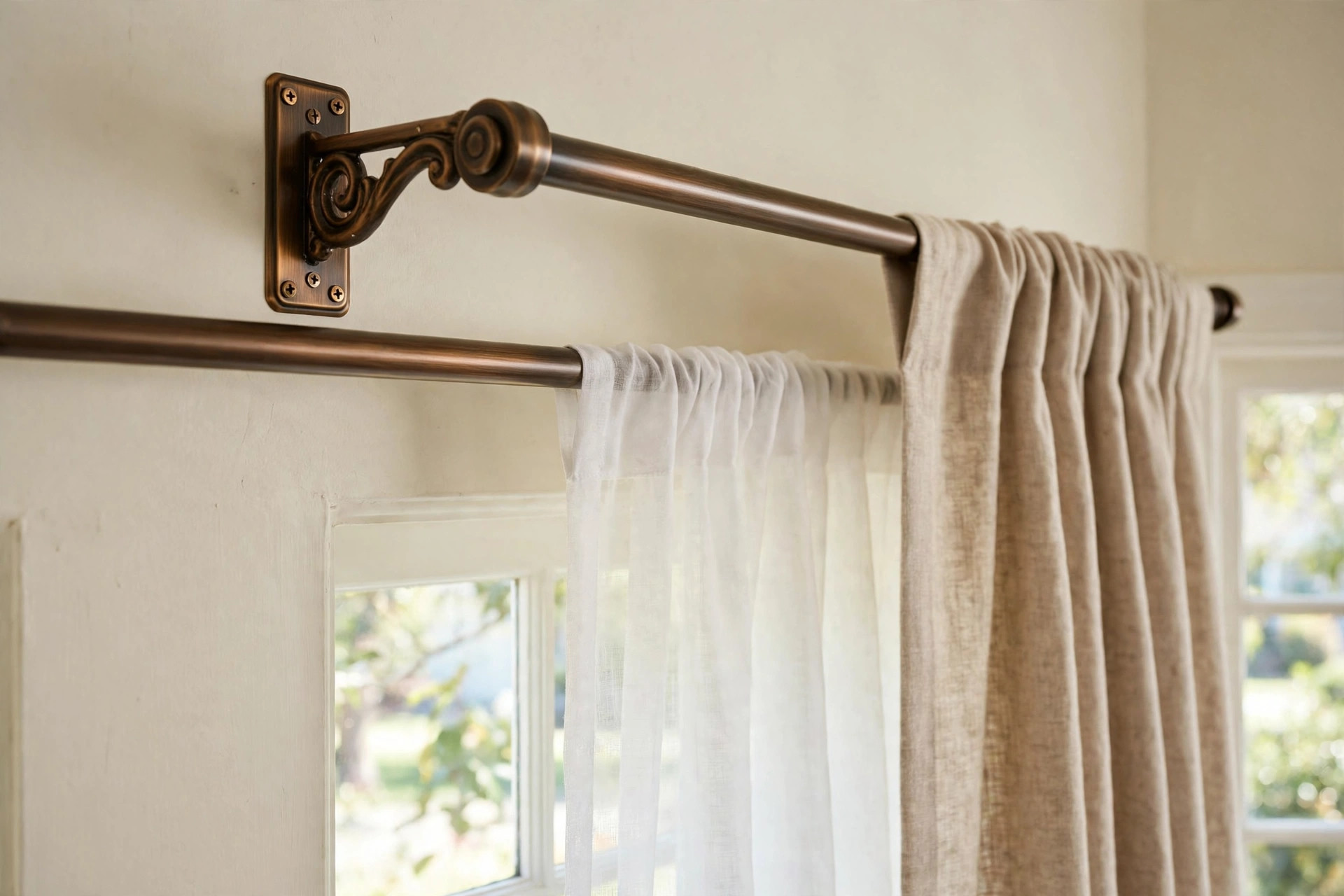
A custom double curtain rod brackets buying guide starts with a simple truth. A double rod holds two curtains at once. One rod sits in front. One rod sits behind. The bracket is the part that holds both rods to the wall. It takes the full weight of the fabric. It also sets how far the curtains stand off the wall.
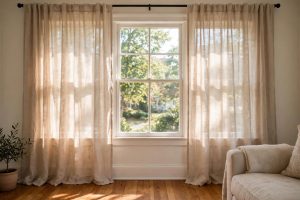
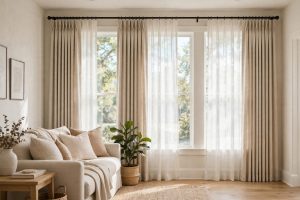
People use double rods for layered windows. A sheer curtain goes on the back rod. A heavy drape goes on the front rod. The sheer gives light in the day. The drape gives dark at night. This is why double brackets are common in bedrooms, living rooms, and rental homes. For shoppers comparing hardware choices, a look at premium double curtain rod brackets for sale can show what the market offers.
Why Double Brackets Matter
A bracket does more work than it seems. It carries weight. It keeps rods level. It decides the gap between the two curtain layers. If the bracket is weak, the rods sag. If the gap is small, thick drapes press against the sheer. The window then looks poor.
Custom brackets solve a problem that store brackets do not. Windows differ. Walls differ. Fabric weights differ. A store bracket comes in fixed sizes. A custom bracket is made to fit the exact wall, the exact rod, and the exact fabric. This matters in old homes with thick plaster walls. It matters in new homes with wide trim. It matters when the drape is very heavy.
A buyer should think of the bracket as the base of the whole treatment. Good fabric on a bad bracket still fails. Buyers of hardware guides can also check the best double curtain rod brackets for sale for current stock options.
How the Bracket Works
A double bracket has a back plate. The plate screws into the wall or the window trim. Two arms reach out from the plate. Each arm holds one rod. The front arm is longer. The back arm is shorter. A small screw on each arm locks the rod in place.
Some brackets are open at the top. The rod drops in from above. Others are closed rings. The rod slides through. Closed rings hold more weight. Open tops make it easier to change curtains.
What to Look for Before You Buy: Custom Double Curtain Rod Brackets Buying Guide
Projection and Rod Spacing
Projection is the distance from the wall to the front rod. Most double brackets project between three and seven inches. A deep projection gives room for a thick back curtain and a thick front drape. A shallow projection works for light sheers and thin panels.
Measure the fold of the fabric when it hangs. A full drape can fold out three inches from the rod. Leave at least one extra inch. The back rod needs less room. Sheers are thin. They need only about one inch of space from the wall.
Weight Rating
Brackets carry different loads. A light bracket holds about ten pounds per pair. A strong bracket holds thirty pounds or more per pair. Heavy drapes, lined drapes, and wide windows need strong brackets.
Custom brackets can be built to a stated load. Ask the maker for the rating in pounds. Then weigh the curtains. A bath scale works. Weigh one panel. Double it. Add a safety margin of twenty percent.
Mount Type
Wall mount is the most common. The plate screws into the wall above the trim. Ceiling mount works when the wall cannot take screws. It suits tall windows and glass doors. Side mount fits inside the window frame. It is rare for double rods, because the frame is often too shallow for two rods.
Stud mounting is best for heavy drapes. The screws bite into the wood stud behind the drywall. Drywall anchors can work for light loads. Plaster walls need toggle bolts or special anchors. A guide from The Spruce gives useful detail on wall anchors for window hardware.
Rod Diameter
Double rods are usually one inch or one and one eighth inch across. The bracket cup must match the rod. A rod that is too small in the cup will rock. A rod that is too big will not fit. Custom brackets can be cut for any rod size. Give the maker the exact outside diameter in inches.
Finish and Style
Finish is the look of the metal. Common finishes are oil rubbed bronze, brushed nickel, matte black, polished chrome, and antique brass. Pick a finish that matches other metal in the room. Door handles and light fixtures are good guides.
Painted brackets also exist. White and black paint are common. Painted wood brackets suit a soft farmhouse look. Metal suits a modern room.
Types of Custom Double Curtain Rod Brackets
Plate Brackets
A flat plate screws to the wall. Two arms extend from it. This is the standard type. It fits most windows. Custom makers can shape the plate. They can make it wider for more screws. More screws mean more hold.
Wrap-Around Brackets
These arms curve back toward the wall at the ends. The curtain returns to the wall. This closes the light gap at the sides. It is good for bedrooms where dark is wanted. Custom wrap brackets can be made to match odd wall angles.
Swivel Brackets
The arms can swing. This helps on bay windows and corner windows. The rod turns with the wall angle. Custom swivel brackets are made for the exact angle of the wall. The Home Depot site shows stock swivel types for buyers who want to compare.
Cut-to-Fit Brackets
Some makers sell bracket arms in long stock. The arm is cut to the needed length. This is a middle path between stock and full custom. The buyer gets the right projection without a long wait.
Brackets for Special Rods
Wood rods, square rods, and acrylic rods need special cups. A custom maker can mill a cup to the exact shape. This is common in high end homes. It is also common where the rod is antique.
Cost and Price
Custom work costs more than stock work. A pair of stock double brackets may cost between twelve and forty dollars. A pair of custom double brackets often costs between fifty and one hundred and fifty dollars. Complex shapes and special metals cost more.
Price depends on four things. The metal matters. Solid brass costs more than steel. The finish matters. Hand rubbed finishes cost more than spray finishes. The size matters. More metal means more cost. The order size matters. Ten pairs cost less per pair than one pair.
Shipping is part of the price for online orders. Brackets are heavy. Ground shipping for one order may run ten to twenty dollars. Buyers can compare at large stores like Wayfair and IKEA before they order custom.
Get a written quote before work starts. The quote should list the metal, the finish, the projection of each arm, the rod diameter, the number of screws, and the lead time. Lead times run from one week to eight weeks.
Care and Upkeep
Metal brackets need little care. Dust them when you dust the room. A soft cloth is enough. For polished brass, a mild metal polish once a year keeps the shine. Do not use harsh sprays. They can eat the finish.
Check the screws once a year. Rods vibrate a little when curtains are pulled. This can loosen screws over time. Tighten any screw that has backed out. If a screw hole in drywall is stripped, move to a new spot or use a larger anchor.
Painted brackets can chip. Keep a small bottle of touch up paint. Wood brackets can dry out in hot rooms. A light coat of wax once a year helps.
Safety
Curtain hardware can be heavy. A falling bracket can hurt a child or a pet. Always anchor into a stud or use anchors rated for the load. Never rely on a single small screw in bare drywall for heavy drapes.
Cord safety is part of window safety. Brackets do not have cords. But double rods often hold shades or corded panels. The U.S. Consumer Product Safety Commission warns that window cords are a strangulation risk for young children. Use cordless panels with double rods where children play.
During install, keep a firm grip on the rod. A long rod can swing and knock a ladder. Work with a helper for rods wider than six feet. Wear eye guards when drilling plaster or masonry. Dust from these walls harms the eyes and lungs.
For bay windows and wide spans, add a center support bracket. A span wider than eight feet will bow under heavy fabric. The center bracket splits the load. Custom makers can match the center bracket to the end brackets.
Where to Order Custom Brackets
Start with a local metal shop or a drapery workroom. Local makers can measure the window in person. They can match the finish to a sample. Lead time is often shorter.
Online makers take orders by mail. Send exact measures. Include the rod diameter, the wall type, the fabric weight, and photos of the window. Good makers ask for these facts before they quote.
Large home sites also sell semi custom lines. Lowe’s and Blinds.com list many rod sets. A buyer who wants full custom should still get at least two quotes. Compare the metal, the finish, and the lead time side by side.
Design media can help with style choices. HGTV and Bob Vila both show layered window treatments in real rooms. This Old House covers trim and wall types in old homes. These are useful when the wall is not standard drywall.
Measuring Guide
Good measures make a good bracket. Follow these steps.
Measure the window width. Add the stack back of the curtains. Stack back is the width of the fabric when it is pulled to the side. Add six to ten inches per side. This is the rod length.
Measure the trim. The bracket should sit two to four inches above the top of the trim. It should sit four to six inches beyond each side of the trim.
Find the studs. Use a stud finder. Mark them. Plan the bracket plates to land on studs where you can.
Measure the projection you need. Hold the folded drape against the wall. Measure from the wall to the outer fold. Add one inch. This is the front arm length. Measure the folded sheer. Add half an inch. This is the back arm length.
Write every measure down in inches and fractions. Give the full list to the maker. Keep a copy for yourself.
FAQ
What is a double curtain rod bracket?
It is the wall piece that holds two rods at once. One arm holds the front rod. One arm holds the back rod. It lets a window wear two curtain layers.
Why choose custom over stock?
Custom fits the exact window, wall, rod, and fabric weight. Stock comes in fixed sizes. Custom is better for heavy drapes, odd walls, and wide windows.
How much weight can a double bracket hold?
Light stock pairs hold about ten pounds. Strong pairs hold thirty pounds or more. Custom brackets can be built to a stated rating. Ask the maker for the number in pounds.
Can I install custom brackets myself?
Yes, in most cases. The steps match stock brackets. Mark the spots. Drill pilot holes. Set anchors if there is no stud. Screw the plates on. Drop in the rods. A helper makes wide rods easier.
What finish lasts longest?
Powder coated metal lasts long. It resists chips and rust. Oil rubbed bronze hides small marks well. Polished brass needs polish to stay bright.
How do I match brackets to my curtains?
Match the finish to other metal in the room. Match the weight rating to the fabric weight. Match the rod diameter to the cup size. A drapery shop can help pair fabric with hardware. Tiebacks and holdbacks are another layer of the same look, as shown in this custom curtain tiebacks and holdbacks buying guide.
A Short Final Word
A custom double curtain rod brackets buying guide comes down to a few facts. Know the wall. Know the fabric weight. Know the rod size. Know the projection. Give those facts to a good maker. The result is a window that hangs true, pulls smooth, and looks right for years.
References
Blinds.com. (n.d.). Window blinds, shades, and shutters. https://www.blinds.com Bob Vila. (n.d.). Home improvement advice. https://www.bobvila.com HGTV. (n.d.). Home and garden ideas. https://www.hgtv.com IKEA. (n.d.). Home furnishings. https://www.ikea.com Lowe’s. (n.d.). Home improvement products. https://www.lowes.com The Home Depot. (n.d.). Home improvement products. https://www.homedepot.com The Spruce. (n.d.). Home and garden advice. https://www.thespruce.com This Old House. (n.d.). Home renovation guidance. https://www.thisoldhouse.com U.S. Consumer Product Safety Commission. (n.d.). Product safety information. https://www.cpsc.gov Wayfair. (n.d.). Furniture and home goods. https://www.wayfair.com
Was this guide helpful?

About Jennifer Lee
The My Garden US editorial team writes practical, in-depth home and garden guides for American homeowners — tested advice, no fluff.