Table of Contents
Table of Contents
- Choosing a Variety
- When and How to Plant
- Timing your sowing
- Spacing, depth, and days to harvest
- Soil and Sun
- Light needs
- Building good soil
- Watering and Feeding
- Watering routine
- Feeding
- Care Through the Season
- Companions and Placement
- Harvest
- Troubleshooting
- Through the Seasons
- Spring
- Summer
- Fall and Winter
- Quick Answers
- Garden Design Ideas
- Keep Growing
- References
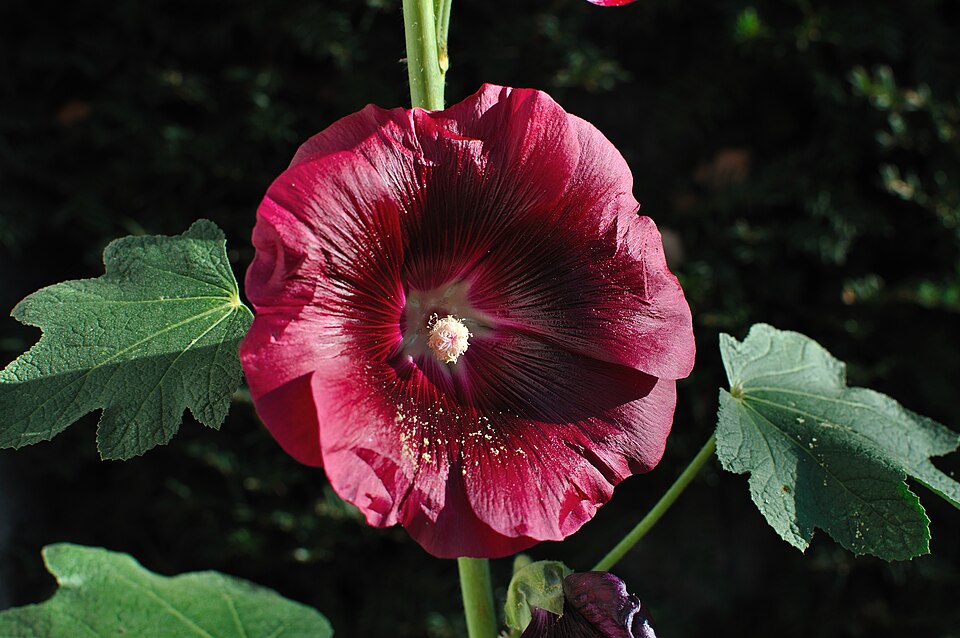
Photo: Wikimedia Commons
Hollyhocks are the cottage garden in one plant - towering spires of papery blooms in every color from white to near-black, leaning over picket fences the way they have for centuries. They are biennials at heart: a rosette of leaves the first year, then a six-to-eight-foot flower spike the second. Their famous weakness is rust, the orange-spotted disease that can defoliate them - but good siting and prompt leaf removal keep it manageable. Learning how to grow hollyhocks means sowing two years running and staying ahead of rust. The USDA PLANTS entry for Alcea rosea confirms its biennial habit.
This guide covers sowing, rust defense, staking, and saving seed from the healthiest plants. For a quick botanical overview, see the USDA PLANTS entry for Alcea rosea.
Choosing a Variety
When it comes to how to grow hollyhocks, getting the details right makes all the difference.

Many homeowners find that how to grow hollyhocks is easier than they expected once they know the basics.
Single-flowered types look most authentic against fences and attract the most bees; doubles like the Chaters strain give lush, peony-like blooms. The near-black Nigra is a dramatic favorite, and the Halo series offers bicolors. For the biennial rhythm, sow two years in a row so something always blooms - or start seed early indoors for first-year bloom in warm zones. The Old Farmer's Almanac guide to hollyhocks notes that seed-grown plants vary, so save seed only from your healthiest, rust-free plants to select for resistance. Buy fresh seed; hollyhock seed stays viable for years, an exception to the fresh-seed rule.
When and How to Plant
Many homeowners find that how to grow hollyhocks is easier than they expected once they know the basics.
The key to how to grow hollyhocks is choosing the right approach for your space and budget.
Timing your sowing
Start hollyhocks indoors about 6 weeks before your last spring frost. Use small pots or cell packs and keep them warm and bright; hollyhocks resent having their roots disturbed, so pot up promptly if seedlings outgrow their cells. Move them into the garden about a week after your last spring frost, when nights have steadied. Seeds are tiny, so cover them only about 0.25 inch deep and keep the mix evenly moist until they sprout.
Spacing, depth, and days to harvest
The first season is mostly about roots and establishment; the real payoff begins in the second season, so plant with patience.
If you start seeds indoors, harden the seedlings off for a week before transplanting - a few hours of outdoor shade the first day, building to full sun. Skipping this step shocks tender plants and sets them back two weeks.
Frost-date charts from a ZIP-code planting calendar help if you are new to reading your zone.
Soil and Sun
The key to how to grow hollyhocks is choosing the right approach for your space and budget.
With a little planning, how to grow hollyhocks can fit even a busy schedule.
Light needs
It wants full sun - six to eight hours of direct light a day. Less than that and growth turns leggy and yields fall off.
Building good soil
Plant in average, well-drained soil. If your ground is heavy clay, plant a little high and mulch well; if it is sand, compost is your best friend.
Hardy in zones 3 through 9, it fits most of the country. If you garden at the cold edge of the range, a sheltered microclimate near a wall buys you a few degrees of safety.
Top the bed with compost and mulch at planting time. As the mulch decays it feeds the soil life that feeds your plants - the cheapest fertilizer program there is.
Soil testing labs listed through the University of Minnesota Extension can confirm your pH before you plant.
Watering and Feeding
With a little planning, how to grow hollyhocks can fit even a busy schedule.
Before you start, it helps to understand how how to grow hollyhocks works in real homes.
Watering routine
Keep the soil evenly moist but not soggy. An inch of water a week, from rain or the hose, is the usual target.
Feeding
Feed lightly; too much nitrogen makes weak, disease-prone growth. It is not a heavy feeder. Rich soil plus compost is enough - save the strong fertilizer for the hungriest vegetables.
Let the plants tell you when they are thirsty: dull, grayish leaves and soil dry an inch down mean water now. A deep weekly soaking grows deeper roots than daily sprinkles ever will.
Irrigation basics from Clemson's Home & Garden Information Center apply to all of these schedules.
Care Through the Season
Before you start, it helps to understand how how to grow hollyhocks works in real homes.
A good plan for how to grow hollyhocks saves time, money, and frustration.
Through the season, water at the base, keeping foliage dry - wet leaves invite the rust disease hollyhocks are famous for. Stake tall varieties in windy sites, tying stems loosely to sturdy stakes. Remove rust-spotted lower leaves promptly and destroy them; never compost diseased foliage. Feed lightly; too much nitrogen makes weak, disease-prone growth. Plants often self-sow, giving you free replacements - let a few seedlings stay where they land. The Missouri Botanical Garden plant finder recommends siting against a south-facing wall or fence for support and reflected heat; the microclimate keeps foliage drier and noticeably reduces rust.
Companions and Placement
A good plan for how to grow hollyhocks saves time, money, and frustration.
For most people, how to grow hollyhocks comes down to a few smart choices.
In the border, hollyhocks combine beautifully with Foxglove, Delphinium, and Sunflower - plan for succession so something is always blooming as each takes its turn. Put tall plants behind, medium in the middle, and low edgers in front, and repeat each plant in drifts of three or more; single dots of color look spotty while drifts look designed. Match water needs within each drift, and leave room for mature size - a border planted tight for instant effect needs dividing within two years. Foliage matters as much as flowers; strong leaves carry the bed between bloom peaks.
Harvest
For most people, how to grow hollyhocks comes down to a few smart choices.
If you are new to how to grow hollyhocks, start with the simplest option and build from there.
Pick individual blooms for short-lived but charming cut flowers - they last a few days in water and look wonderful in simple jars. For seed saving, let the round seed pods mature on the plant, then collect from your healthiest, rust-free specimens; the Missouri Botanical Garden plant finder notes that resistance varies plant to plant, so selection works. Leave some spikes standing for self-sowing if you want the cottage-garden colony effect. Cut finished spikes to the ground after seed collection to keep the bed tidy.
Troubleshooting
If you are new to how to grow hollyhocks, start with the simplest option and build from there.
When it comes to how to grow hollyhocks, getting the details right makes all the difference.
Orange pustules on leaves are rust - strip affected leaves immediately, improve air flow, water only at the base, and choose resistant varieties. The USDA National Agricultural Library indexes extension bulletins on hollyhock rust. No flowers in year one is normal for biennials; the rosette blooms the second year. In zones 10 and warmer, heat and rust finish most plants; grow them as annuals there. Japanese beetles chew the blooms - handpick in the morning. A plant that wilts despite water may have crown rot from soggy soil; hollyhocks want drainage, so move them if the spot puddles.
Through the Seasons
When it comes to how to grow hollyhocks, getting the details right makes all the difference.
Spring
In spring, clear winter debris, divide overgrown perennials, and plant new additions. Drive stakes for tall varieties now, while you can still see what you are doing. A spring feeding of compost wakes everything up. Label new plantings; the garden is full of mystery shoots by midsummer.
Summer
Through summer, keep the blooms coming with regular deadheading and steady water. Hollyhock looks its best with mulch keeping roots cool. Cut generously for arrangements - most perennials bloom more when cut. Patrol for slugs and beetles after rain, and tie in any stems the wind worries.
Fall and Winter
As the season ends, enjoy the last blooms, then put the bed to bed: cut back, mulch, and clean up diseased foliage (trash it, do not compost it). Order new varieties for spring while catalogs are fresh. A fall-planted perennial gets a head start - roots grow in cool soil long after tops quit.
Quick Answers
How long until I can harvest hollyhocks?
The first season is about establishment; expect the real harvest to begin in the second season. Perennials reward patience.
Where will hollyhocks grow?
Zones 3 through 9. Inside that range it is hardy and reliable; outside it, grow as an annual or in containers.
Does hollyhocks need full sun?
Full sun. Give it the sunniest spot you have; shade-grown plants disappoint.
What spacing does hollyhocks need?
About 18 inches apart. Crowding stunts plants and invites disease, so give each one its room - the harvest is bigger, not smaller, for the space.
Garden Design Ideas
Hollyhocks want a fence, wall, or the back of the border - somewhere their eight-foot spires can lean and be seen. Line them along a picket fence for the definitive cottage look, or mass them against the house where reflected heat keeps foliage dry. Underplant with low mounds like hardy geraniums to hide the sometimes-ragged lower leaves. Their papery blooms in every shade from white to near-black mix with roses, foxgloves, and delphiniums in the romantic border. Let a few self-sow where they land; volunteer hollyhocks always find the perfect spot. Browse more plant profiles at Gardenia.net's plant profiles for ideas.
Keep Growing
How to grow hollyhocks: sow where they will stand (the taproot hates moving), keep foliage dry, strip rusty leaves fast, save seed from the strong. Do that and the towers return year after year. For sowing dates, check your USDA zone planting dates and grow them with their cottage-garden kin - our guides to how to grow foxglove, how to grow delphiniums, and how to grow sunflowers share the same romantic border.
References
- Missouri Botanical Garden. (n.d.). Hollyhock. https://www.missouribotanicalgarden.org/
- Old Farmer's Almanac. (n.d.). Growing hollyhocks in home gardens. https://www.almanac.com/
- U.S. Department of Agriculture. (n.d.). Hollyhock (Alcea rosea) plant profile. https://plants.usda.gov/home
- Lady Bird Johnson Wildflower Center. (n.d.). Hollyhock. https://www.wildflower.org/plants/
Was this guide helpful?

About My Garden US
The My Garden US editorial team writes practical, in-depth home and garden guides for American homeowners — tested advice, no fluff.
You May Also Like
Air Plants Bulk USA Online Deals: How to Buy More Plants for Less Money
January 3, 2026 19 views
How to Grow Garden Phlox: A USA Guide
October 13, 2026 19 views
How to Grow Mustard Greens: Spicy & Fast
November 19, 2026 0 views