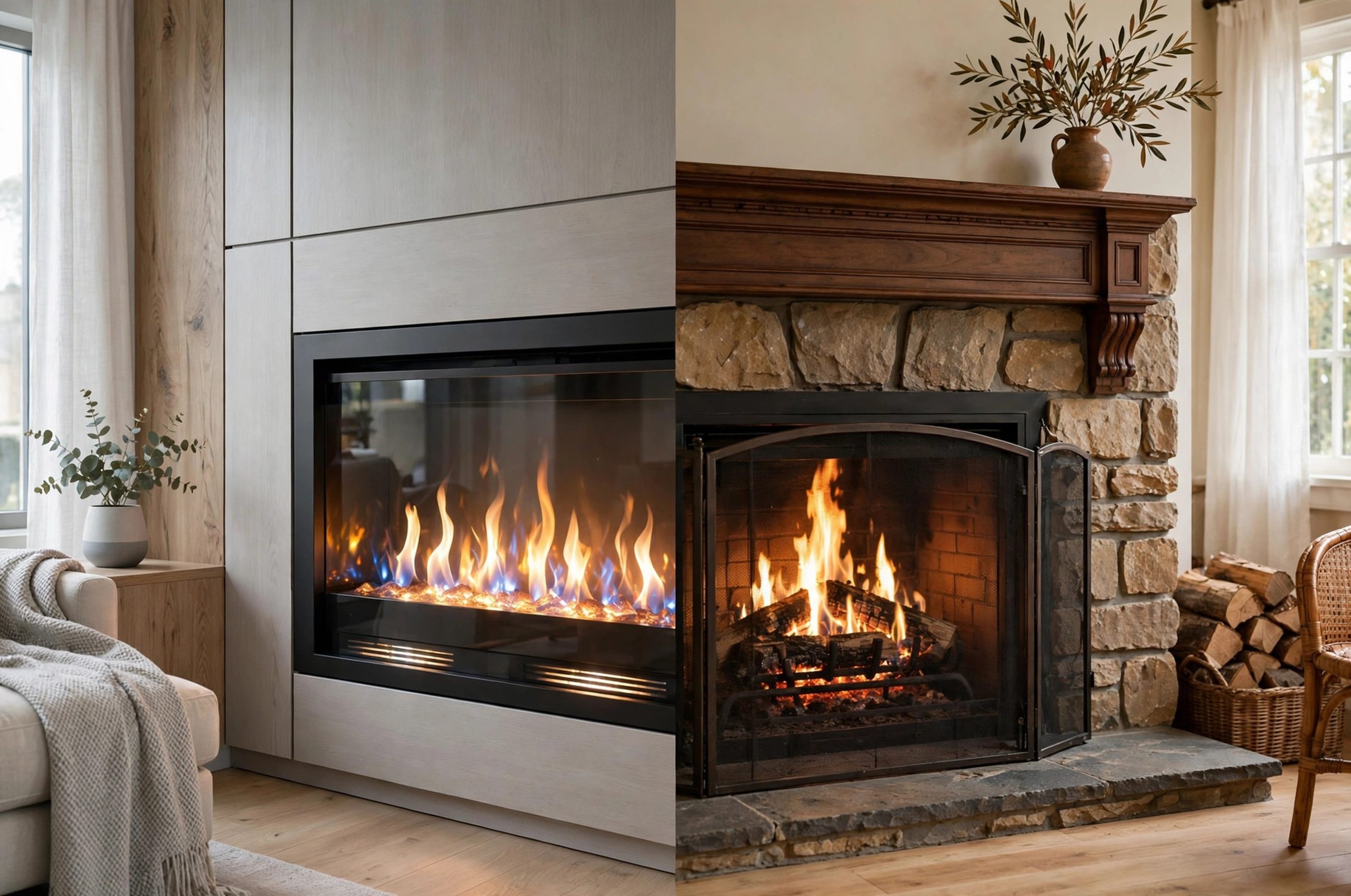
Choosing between an electric and a gas fireplace usually comes down to money: what it costs to buy, what it costs to install, and what it costs to run. The two types look similar on the wall, but their price tags tell very different stories. This comparison breaks down electric fireplace vs gas fireplace cost across purchase, installation, operation, and maintenance, so you know the full picture before you buy. Here is what to know about electric fireplace vs gas fireplace cost before you start.
Table of Contents
Table of Contents
- Electric Fireplace Vs Gas Fireplace Cost: Upfront Purchase Cost
- Installation Cost
- Running Costs: Electricity vs Gas
- Heating Power per Dollar
- Maintenance Costs
- Lifespan and Replacement
- Total Cost of Ownership: A Rough Sketch
- Which Should You Choose?
- Hidden Costs People Forget
- Frequently Asked Questions
- References
Electric Fireplace Vs Gas Fireplace Cost: Upfront Purchase Cost
When it comes to electric fireplace vs gas fireplace cost, getting the details right makes all the difference.
When it comes to electric fireplace vs gas fireplace cost, getting the details right makes all the difference.
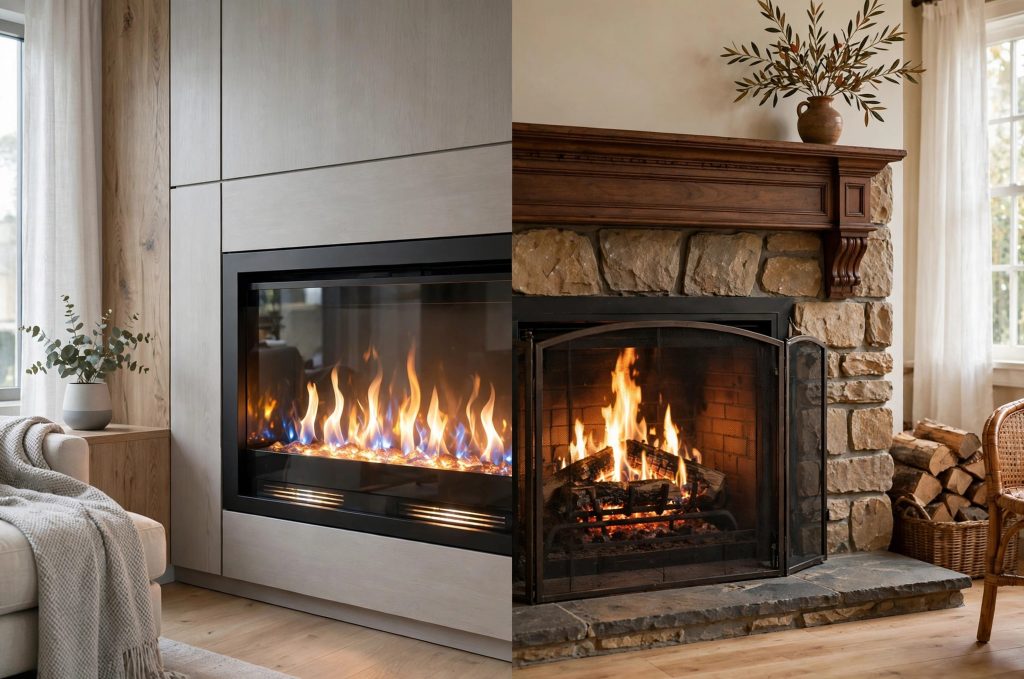
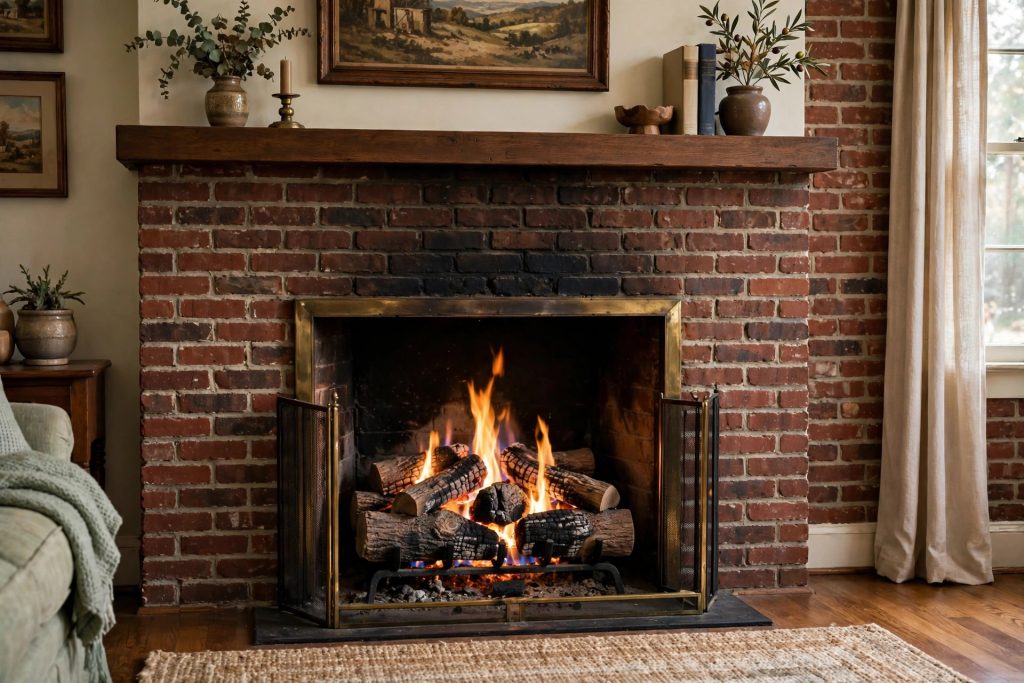
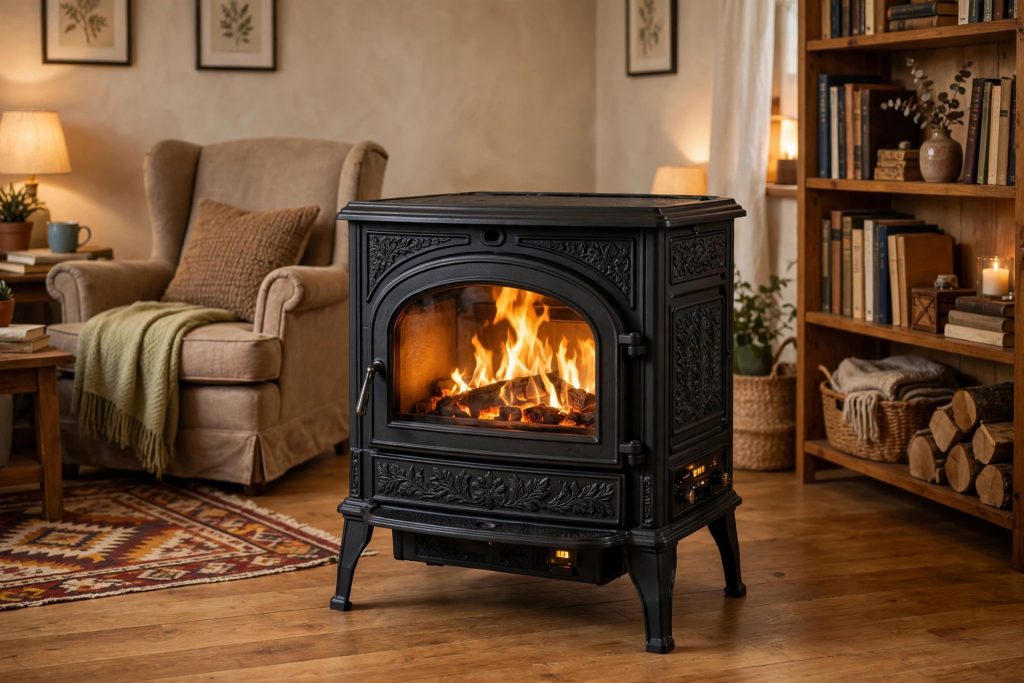
Many homeowners find that electric fireplace vs gas fireplace cost is easier than they expected once they know the basics.
Electric fireplaces are the clear winner on purchase price. Basic freestanding units start in the low hundreds of dollars. Larger wall-mounted or built-in electric models with realistic flame effects run from a few hundred to a few thousand dollars, depending on size and features. The Fireplace Factory notes that electric models span a wide range but stay well below gas on the entry end (The Fireplace Factory).
Gas fireplaces cost more out of the box. A basic direct-vent gas unit starts around two thousand dollars, and larger or high-end models climb past five thousand. Custom surrounds, stonework, and finishing can push the total higher still. A retailer's cost study found electric units mostly between a few hundred and two thousand dollars, while gas units ran from twenty-five hundred to seven thousand or more before installation extras (GlobeNewswire).
Winner: electric, by a wide margin.
Installation Cost
Many homeowners find that electric fireplace vs gas fireplace cost is easier than they expected once they know the basics.
Many homeowners find that electric fireplace vs gas fireplace cost is easier than they expected once they know the basics.
The key to electric fireplace vs gas fireplace cost is choosing the right approach for your space and budget.
This is where the gap gets even bigger.
An electric fireplace installs like any other appliance. Most freestanding and wall-mounted units simply plug into a standard outlet. Built-in models may need a dedicated circuit, which an electrician can add for a modest fee. Angi's fireplace cost data puts electric installation around one thousand dollars on average, with many simple installs costing far less (Angi).
A gas fireplace needs professional installation, full stop. The job can include running a new gas line, installing venting through the wall or roof, framing, and finishing work. If your home has no gas line near the install spot, running one adds hundreds to thousands of dollars. Angi's data puts gas fireplace installation between twenty-five hundred and ten thousand dollars depending on complexity (Angi).
Winner: electric, often by thousands of dollars.
Running Costs: Electricity vs Gas
The key to electric fireplace vs gas fireplace cost is choosing the right approach for your space and budget.
With a little planning, electric fireplace vs gas fireplace cost can fit even a busy schedule.
Here the story flips depending on your local utility rates.
An electric fireplace on full heat draws about 1,500 watts, similar to a space heater. Dimplex, a major electric fireplace maker, calculates that running the flame and heater costs roughly eight cents per hour when the heater cycles at half power, based on average electricity rates (Dimplex). Run without heat, the flame effect alone uses under 300 watts, costing only a few cents per hour. Dimplex's comparison puts a typical electric unit at about eleven dollars a month versus about twenty-nine dollars a month for a gas unit, assuming sixty hours of use (Dimplex).
A gas fireplace burns real fuel. Operating costs run higher per hour, often around seventeen cents by Dimplex's math, because gas units vent 20 to 30 percent of their heat outside while electric heat stays 100 percent in the room (Dimplex). Tenereteam's comparison estimates gas fireplaces at two hundred to five hundred dollars per year in fuel versus fifty to eighty dollars per year for electric (Tenereteam).
But local rates change the math. In areas with cheap natural gas and expensive electricity, a gas fireplace can be cheaper to run hour for hour. Natural Resources Canada's gas fireplace guide walks through the efficiency math and shows that fuel prices, not just the appliance, decide the running cost (Natural Resources Canada). Check your own utility bills before deciding.
Winner: usually electric, but check local gas and electricity rates.
Heating Power per Dollar
With a little planning, electric fireplace vs gas fireplace cost can fit even a busy schedule.
Before you start, it helps to understand how electric fireplace vs gas fireplace cost works in real homes.
Cost per hour is only half the story. A gas fireplace puts out far more heat than an electric one. Typical gas units produce 20,000 to 40,000 BTU per hour, enough to warm a large living area. Electric fireplaces top out around 5,000 BTU per hour, good for zone heating one room.
If your goal is real supplemental heat, the gas fireplace delivers more warmth per hour of run time. If your goal is ambiance with a little warmth, the electric unit does the job for pennies. The Fireplace Factory points out that gas fireplaces suit whole-room heating while electric units suit smaller spaces and rentals (The Fireplace Factory).
Maintenance Costs
Before you start, it helps to understand how electric fireplace vs gas fireplace cost works in real homes.
A good plan for electric fireplace vs gas fireplace cost saves time, money, and frustration.
Electric fireplaces are nearly maintenance-free. There is no chimney, no venting, no fuel line, and no combustion byproducts. Occasional dusting and bulb or LED checks are about it.
Gas fireplaces need annual professional service: burner and pilot cleaning, vent inspection, gasket checks, and glass cleaning. A Fireplace Store and More recommends yearly maintenance for gas units to keep the burner, pilot, and connections safe and efficient (A Fireplace Store and More). Budget for a service visit each year. The Hearth, Patio & Barbecue Association echoes the annual-inspection advice for all hearth appliances (HPBA).
Winner: electric.
Lifespan and Replacement
A good plan for electric fireplace vs gas fireplace cost saves time, money, and frustration.
Both types last a long time with care. Gas fireplaces often run fifteen years or more before major parts need replacement. Electric fireplaces have fewer parts to wear out, though the flame-effect components and heaters can need service over time. Neither type has a clear cost advantage here.
Total Cost of Ownership: A Rough Sketch
For most people, electric fireplace vs gas fireplace cost comes down to a few smart choices.
Add it up over ten years for a typical installation:
Electric fireplace:
- Unit: a few hundred to two thousand dollars
- Installation: little to one thousand dollars
- Annual running: fifty to one hundred dollars
- Annual maintenance: near zero
- Ten-year total: roughly one thousand to four thousand dollars
Gas fireplace:
- Unit: two thousand to five thousand dollars
- Installation: twenty-five hundred to ten thousand dollars
- Annual running: two hundred to five hundred dollars
- Annual maintenance: yearly service visit
- Ten-year total: roughly seven thousand to twenty thousand dollars
The electric fireplace costs far less overall in most cases. The gas fireplace earns its premium with real flames and serious heat output.
Which Should You Choose?
If you are new to electric fireplace vs gas fireplace cost, start with the simplest option and build from there.
Choose electric if: you rent or live in a condo, you want ambiance more than heat, your budget is tight, you have no gas line, or you want the simplest possible installation. Browse freestanding electric stoves and EPA-certified electric stove options to see what fits your space.
Choose gas if: you want real flames and strong heat, you already have a gas line, you heat with the fireplace regularly, or power outages are a concern (many gas units work without electricity). Look at direct-vent gas fireplaces and budget for professional installation.
Either way, get quotes from local installers and check your utility rates. The cheapest fireplace is the one that matches how you will actually use it.
Hidden Costs People Forget
When it comes to electric fireplace vs gas fireplace cost, getting the details right makes all the difference.
The sticker price is not the whole story. A few often-missed costs can shift the comparison:
- Electrical work. A built-in electric fireplace may need a dedicated 15-amp circuit. If your panel is full or the run is long, an electrician's bill adds to the project.
- Gas line extension. If the nearest gas line is on the other side of the house, trenching or running pipe through finished walls gets expensive fast. Get this quote before you fall in love with a gas unit.
- Venting and framing. Direct-vent gas units need a vent run to an outside wall or the roof, plus framing and finishing around it. These labor costs surprise many buyers.
- Chimney and hearth work. Converting an old masonry fireplace to gas may need a new liner or hearth repairs. An inspection before purchase avoids nasty surprises.
- Annual service contracts. Gas fireplace owners often sign yearly service plans. Add that recurring cost to your long-term math.
Ask installers for itemized quotes that separate the unit, the labor, and the extras. Two quotes for the same job can differ by thousands, so comparison shopping pays.
Frequently Asked Questions
Which is cheaper to run each month? In most areas, the electric fireplace costs less per month because it draws modest power and needs no fuel deliveries or service visits. Compare your local electricity and gas rates to be sure, since cheap natural gas can close the gap.
Will an electric fireplace raise my electric bill much? For typical evening use, the increase is modest. Running the heater a few hours a day adds a noticeable but small amount to the bill. Running flame-only mode for ambiance costs almost nothing.
Is a gas fireplace worth the installation cost? It can be, if you use the fireplace as a real heat source through the cold months. The strong heat output and lower fuel cost per unit of heat can pay back the installation over time. For occasional ambiance, the payback is poor.
Can I install an electric fireplace myself? Most freestanding and wall-mounted electric units are true do-it-yourself installs: hang it or set it in place and plug it in. Built-in models that need a new circuit call for an electrician. Once you try it, electric fireplace vs gas fireplace cost gets easier each time.
References
Angi. (n.d.). How much does fireplace installation cost? https://www.angi.com/articles/how-much-does-installing-fireplace-or-woodstove-cost.htm?entry_point_id=33797025
Dimplex. (n.d.). 5 reasons to consider electric fireplaces over gas fireplaces. https://www.dimplex.com/en-us/blog/5-reasons-consider-electric-fireplaces-over-gas-fireplaces-new-home
Dimplex. (n.d.). Do electric fireplaces use a lot of electricity? https://www.dimplex.glendimplexamericas.com/en-us/do-electric-fireplaces-use-a-lot-of-electricity
Natural Resources Canada. (n.d.). All about gas fireplaces. https://natural-resources.canada.ca/energy-efficiency/energy-star/all-about-gas-fireplaces
The Fireplace Factory. (n.d.). Electric vs. gas fireplace: Which is right for you? https://thefireplacefactory.com/electric-vs-gas-fireplace-which-is-right-for-you/
Was this guide helpful?

About My Garden US
The My Garden US editorial team writes practical, in-depth home and garden guides for American homeowners — tested advice, no fluff.
You May Also Like
Fireplace Mantel Shelves Reviews and Buying Guide
July 11, 2026 18 views
Energy Efficient Stone Fireplace Surrounds for Sale
July 31, 2026 15 views
The Best Fireplace Grates for Southern States: A Buyer's Guide
August 21, 2026 20 views