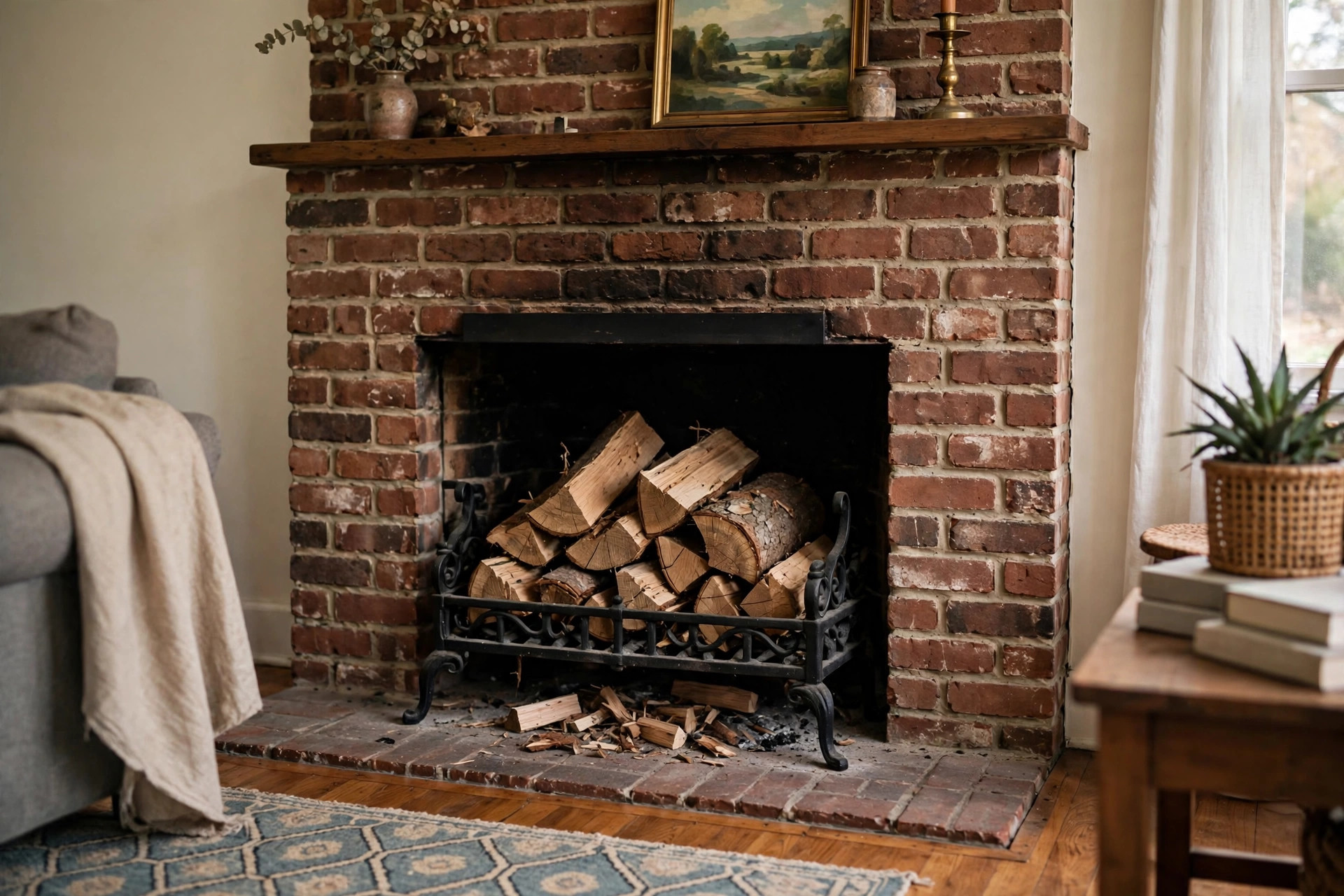

When the cold snaps arrive in Georgia, Texas, or the Carolinas, families light the fireplace more for comfort and mood than for survival. The best fireplace grates for southern states are built for this kind of use. They hold logs steady, give the fire plenty of air, and stand up to months of sitting idle in warm, damp weather. A grate is a simple iron frame, but the right one makes the fire burn cleaner, last longer, and stay safe.
A fireplace grate does one job. It lifts the logs a few inches off the hearth floor. That gap lets air move under the wood. Air from below feeds the flame and helps the fire burn hot instead of smoldering. In the South, where firewood is often pine and oak, and where damp air sits heavy for much of the year, the choice of grate matters more than many people expect. This guide explains what to look for, what the options cost, and how to care for a grate through long humid summers.
Why the Right Grate Matters in the South
Southern fireplaces get different treatment than fireplaces in New England or the Midwest. The heating season is short. Many homes run the fireplace ten or twenty evenings a year, often more for atmosphere than for heat. Between burns, the grate may sit untouched from March through October. During those months, humidity climbs. Moisture settles into every corner of the house, including the firebox.
A light, thin grate can rust badly in a single off-season. A grate made of heavy bar stock with a good finish can last for decades. Guides from Family Handyman on fireplace upkeep note that moisture is one of the main enemies of iron firebox parts. Rust is not only ugly. It weakens the metal and can stain the hearth.
There is another southern factor. Many families burn pine and other softwoods that grow close to home. Softwood burns fast and hot, with more popping and sparking than seasoned oak. A solid, well-built grate keeps shifting logs in place while softwood burns down quickly. Pairing the grate with a good screen is wise, and buyers who want the full set can look at EPA certified fireplace tool sets for sale when they shop for hearth gear.
What to Look for in a Fireplace Grate: Best Fireplace Grates for Southern States
A grate has only a few parts: legs, side rails, and cross bars that cradle the logs. Still, small differences in design make a big difference in how the fire behaves. Keep these points in mind as you shop.
Size and Fit
Measure the firebox before you buy. Measure the width at the front opening, the depth from the opening to the back wall, and the height of the opening. The grate should sit at least a few inches clear of each side wall. A grate that is too wide can scrape brick or metal and may push heat against the walls of a factory-built fireplace. A grate that is too small lets logs roll off the ends.
Most southern homes have standard masonry openings between twenty-four and thirty-six inches wide. For those, a grate two to four inches narrower than the opening works well. Depth matters too. A deep grate holds a full load of wood. A shallow grate suits smaller fires and smaller fireboxes, such as those in older cottages. Retail buying guides at Lowe’s advise buyers to bring their firebox measurements to the store or keep them handy when ordering online.
Material and Build
Three materials dominate the market: steel, cast iron, and wrought iron.
Steel bar grates are the most common. They are made from welded square or round bars. Heavy steel bar, about three-quarter inch thick, handles hot fires year after year. Light wire grates bend and burn through quickly. They are cheap, but they are false economy.
Cast iron grates are heavier and hold heat well. They suit families who burn long, slow fires of hardwood. The extra mass helps steady the heat. Cast iron can crack if it suffers a sudden shock, such as cold water hitting hot metal, but under normal use it lasts a very long time.
Wrought iron and forged grates sit at the top of the price range. Many are handmade, with decorative legs and front rails. They serve both as tools and as decoration during the long months the fireplace stands idle. For a southern living room where the hearth is a visual centerpiece all year, a forged grate can be worth the cost.
Rust-resistant finishes help in damp climates. Look for grates with a high-temperature paint or powder coating. The coating will burn off where the fire touches it over time, but it protects the parts of the grate that stay cooler. Reviews by Consumer Reports remind shoppers that weight and finish quality are reliable signs of a lasting grate.
Bar Style and Airflow
Grates come in several bar layouts. A standard flat grate has parallel bars running front to back. A basket grate has raised sides and back that cradle the logs like a cradle. A self-feeding or V-style grate angles the bars so that logs roll toward the center as they burn down. This design keeps the fire going with less tending.
For softwood, a basket style or a grate with closely spaced bars works well. Small splits and pine pieces can fall through wide gaps.
Common Types of Fireplace Grates
Standard flat grates. The workhorse of the category. Simple, strong, and cheap. Best for medium and large fireboxes with full-size logs.
Basket grates. Raised sides keep logs and embers contained. A good pick for families with children or pets, since rolling logs are less likely to escape toward the screen.
Self-feeding grates. Angled bars let burning logs settle toward the middle. These suit people who want a steady fire with little poking. Strong airflow under the wood is one of the keys to a cleaner burn, as Energy.gov explains in its wood heating guidance.
Ember retainer grates. These add a fine mesh floor or small bars that hold glowing coals above the ash. They help coals keep heat longer and are useful in grates that see long evening burns.
Grate heaters. Tubular steel grates that double as heat exchangers. A fan pushes room air through the hot tubes. These are popular with buyers who want real heat from an open fireplace. They cost more and need an outlet nearby. Homeowners in states like Texas who want more warmth from the fireplace sometimes pair a grate heater with the best wood burning fireplace inserts for Texas homes as a longer-term upgrade.
Decorative forged grates. Handmade pieces with scrollwork or animal motifs. They cost the most but can last a lifetime and look handsome in the off-season.
Grates and Southern Wood: Pine, Oak, and Heat
Firewood in the South differs from firewood in the North. Pine, sweetgum, and poplar are plentiful and cheap. Oak, hickory, and pecan are harder to find and cost more. Most southern families burn a mix.
Pine seasons fast, often in six months, but it burns fast too. It throws good heat for a short time and leaves little ash. The resin in pine can cause more creosote buildup in the chimney, so regular chimney checks matter. A grate with good airflow helps pine burn hot and complete, which keeps smoke down.
Oak burns slow and steady with strong, lasting coals. A heavy cast iron grate suits oak fires. The steady heat lets the iron soak up warmth and radiate it back into the room.
Whatever the wood, keep it dry. Wood stored under cover off the ground burns far better than wood left in the rain.
Cost and Price Ranges
Fireplace grates cover a wide price range. Simple welded steel grates start around thirty dollars. A solid mid-range grate in heavy bar stock runs from sixty to one hundred and fifty dollars. Cast iron grates of good size often sell for one hundred to two hundred and fifty dollars. Handmade forged grates start near two hundred dollars and can climb past five hundred for large or ornate work. Grate heaters with fans usually cost between two hundred and four hundred dollars.
Prices move with steel costs and with the season. Buying in spring or summer, when demand is low, often brings better prices than buying in November. Online selection is wide at The Home Depot, and shoppers can compare weights and bar thickness in the listings before they choose.
The EPA publishes guidance on cleaner wood burning that every fireplace owner should read before the first fire of the season.
Care and Upkeep in Humid Weather
The off-season is where southern grates live or die. Humidity does its slow work from spring to fall. A few simple habits keep a grate in good shape.
First, clean the ash out after the last fire of the season. Ash holds moisture against the metal. Brush the grate clean and wipe it down. If rust has started, scrub the spots with a wire brush.
Second, give the grate a light coat of protection. Many owners wipe the metal with a thin coat of stove polish or high-temperature paint each spring. The coating burns off in the hottest spots during the first fire, but the rest of the grate stays shielded.
Third, consider moving the grate out of the firebox for the summer if your home is very damp. Some families store the grate in a garage or shed. This step is easy and does a lot.
Fourth, keep the damper closed when the fireplace is not in use, and consider a chimney cap if you do not have one. Warm, wet air flows down open chimneys all summer. Less damp air in the firebox means less rust on the grate.
Practical hearth-care walkthroughs from The Spruce and Bob Vila both stress the same point: a few minutes of care in spring saves the cost of a new grate in fall.
Safety Around the Fireplace
A grate is a safety device as well as a fire tool. It keeps logs off the hearth and away from the screen. Still, every fire needs care.
Never leave a burning fireplace alone. Keep children and pets at a safe distance, and use a sturdy screen every time. Let the fire burn down before bed, and never close the damper while embers still glow. Coals can smolder for hours and produce carbon monoxide.
Make sure the chimney is clean and the flue opens fully before each fire. Creosote buildup is a real risk, especially with softwood. A yearly inspection by a chimney sweep is cheap insurance. Safety resources from Napoleon and Heatilator, two well-known fireplace makers, cover the basics of safe operation for wood-burning hearths.
Some owners dress the hearth with andirons for looks. Buyers who like that style can browse premium andirons for fireplaces for small apartments for ideas that pair well with a new grate.
Frequently Asked Questions
What size fireplace grate do I need? Measure the inside of the firebox: width, depth, and height. Choose a grate that is two to four inches narrower than the opening and shallow enough to sit fully inside. When in doubt, choose the smaller size. A small grate in a big firebox is safer than a big grate that crowds the walls.
Steel or cast iron: which is better for southern homes? Both work well. Heavy steel bar grates resist warping and handle hot pine fires. Cast iron holds heat longer and suits slow hardwood burns. In humid climates, either choice lasts if you clean it and protect it during the off-season. Avoid thin wire grates. They bend, burn through, and waste money.
Do fireplace grates rust in humid climates? Yes, they can. Iron and moisture are a poor mix. Rust-resistant fireplace grates with good finishes hold up better, but no grate is rust-proof. Clean the grate after the season, touch up bare spots, and store it in a dry place through the summer. These steps keep most grates rust-free for years.
How long does a fireplace grate last? A cheap wire grate may last one or two seasons. A heavy steel or cast iron grate can last ten to twenty years or more with basic care. Forged grates often outlast the house. The main killers are rust from neglect and overheating from burning too much wood at once.
Can I use a fireplace grate for pine wood? Yes. Pine burns well on a grate with good airflow and closely spaced bars so small splits do not fall through. Burn only seasoned pine that has dried for at least six months. Have the chimney checked regularly, since pine resin can add to creosote buildup.
Should the grate be replaced or repaired when bars bend? Replace it. Bent bars are a sign the metal has weakened from heat. A weakened grate can collapse under a load of logs and drop burning wood onto the hearth. A new grate is far cheaper than the damage a failed one can cause.
Final Word
The best fireplace grates for southern states are not the fanciest or the most expensive. They are heavy, well-fitted, and cared for through the damp months. Measure the firebox, choose thick bars over thin wire, and give the grate a little attention each spring. Do that, and the grate will serve the family for many seasons of short southern winters and long, warm evenings by the fire.
References
Bob Vila. (n.d.). Home improvement advice. https://www.bobvila.com Consumer Reports. (n.d.). Product reviews and ratings. https://www.consumerreports.org Family Handyman. (n.d.). DIY home repair and maintenance. https://www.familyhandyman.com Heatilator. (n.d.). Fireplaces and fireplace products. https://www.heatilator.com Lowe’s. (n.d.). Home improvement products. https://www.lowes.com Napoleon. (n.d.). Fireplaces, grills, and heating products. https://www.napoleon.com The Home Depot. (n.d.). Home improvement products. https://www.homedepot.com The Spruce. (n.d.). Home and garden advice. https://www.thespruce.com U.S. Department of Energy. (n.d.). Energy efficiency and renewable energy. https://www.energy.gov U.S. Environmental Protection Agency. (n.d.). Protecting human health and the environment. https://www.epa.gov
Was this guide helpful?

About Sarah Mitchell
The My Garden US editorial team writes practical, in-depth home and garden guides for American homeowners — tested advice, no fluff.
You May Also Like
The Best Direct Vent Gas Fireplaces for Cold Climates
April 27, 2026 0 views
Buy Indoor Firewood Holders Online in California: A Practical Guide
September 14, 2026 0 views
Affordable Electric Fireplace Mantels with Free Shipping
March 13, 2026 0 views