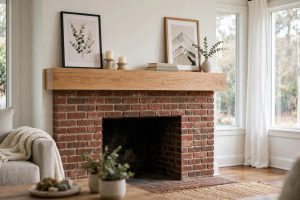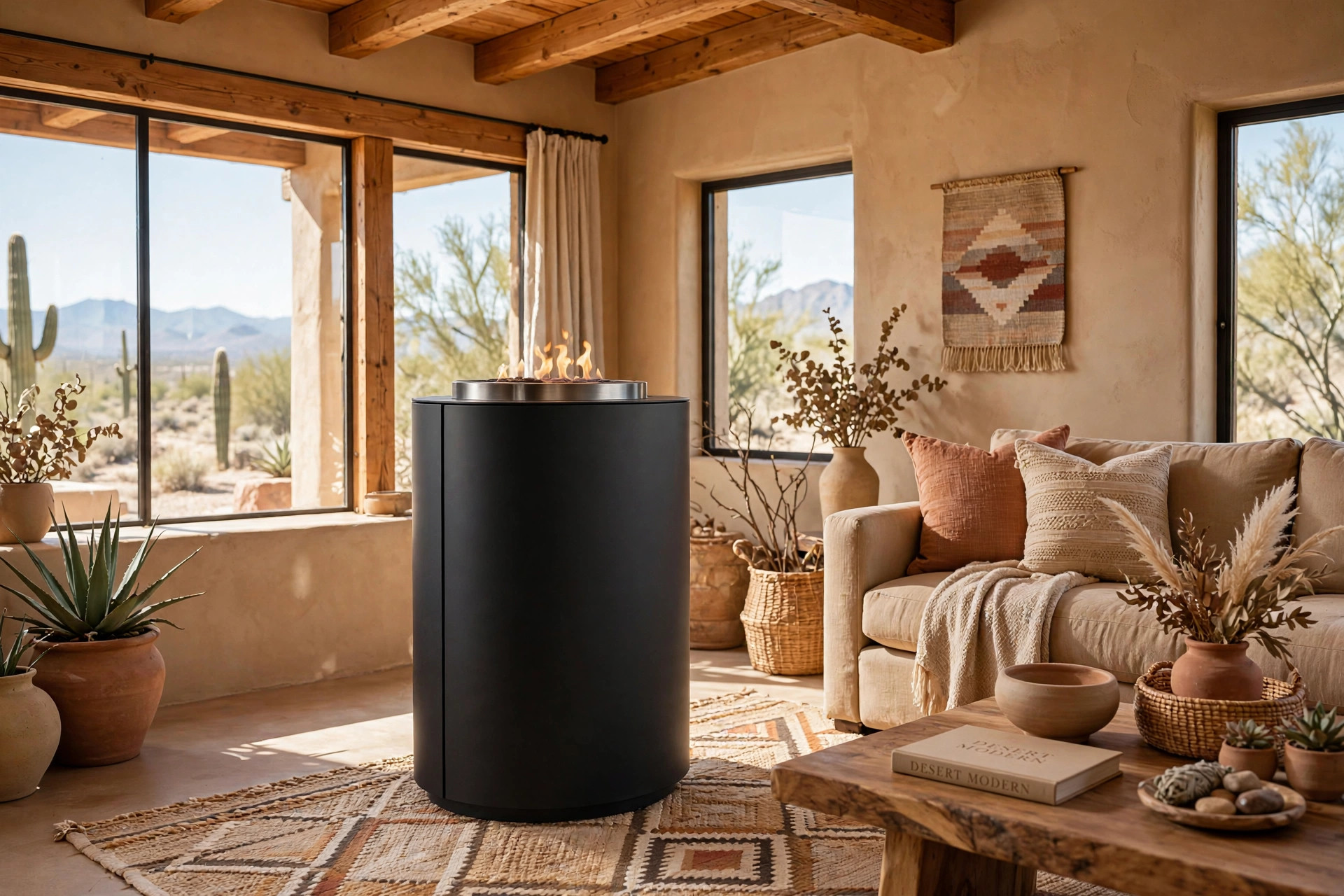

A fireplace that burns real flame but needs no chimney sounds like a trick. It is not. Gel fuel fireplaces have been sold for years. They use small cans of gel fuel that light with a match and burn for two to three hours each. Many Arizona homeowners now look to buy gel fuel fireplaces online in arizona because local showrooms often carry few models. This guide explains the types, the cost, the safety rules, and the care these fireplaces need.
Why Arizona Homeowners Choose Gel Fuel Fireplaces
Arizona winters are mild compared with most states, yet desert nights turn cold. A living room in Phoenix or Tucson can drop into the low forties in January. A small flame takes the chill off. It also adds warmth to the look of a room.
A wood fireplace needs a chimney, a firebox, and a regular cleaning routine. A gas fireplace needs a gas line and a licensed installer. Many Arizona homes, condos, and apartments have neither. Gel fuel fireplaces fill that gap. They sit on a table, mount on a wall, or roll on wheels. No vent. No gas line. No permit in most cities.
Renters like them for another reason. A landlord will rarely allow a hole in the wall or a new gas line. A freestanding gel unit moves out as easily as it moved in. Owners of older adobe homes like them too. These homes were often built without fireplaces, and adding one would mean cutting through thick masonry walls.
The look matters as well. A real flame moves in a way that no screen can copy. It draws the eye and settles a room. Guests gather near it without being told. For a modest price, a gel fireplace gives a home the feel of a hearth without the building work.
What to Look For When You Shop Online: Buy Gel Fuel Fireplaces Online in Arizona
When you buy gel fuel fireplaces online in arizona, you cannot touch the product before you pay. So the listing must tell you everything. Read it twice. These are the details that matter most.
First, check the fuel system. Most units burn standard gel fuel cans. Some use a pour-in reservoir instead. Cans are simpler and safer for beginners. A reservoir holds more fuel but asks for more care when refilling. Either type works, but know which one you are buying before it arrives.
Second, check the burn time per can. Most cans burn for two to three hours. A unit that holds one can will warm a small room for an evening. A unit that holds three or four cans will burn longer and throw more heat. Match the unit to the size of the room where it will sit.
Third, check the heat output. Gel fireplaces are not furnaces. A single can gives about 3,000 BTUs, roughly the warmth of a small space heater on low. That is enough for zone heating in a living room or bedroom. It will not heat a whole house. Retailers like Home Depot and Lowe’s list BTU ratings on their product pages, and those numbers are worth comparing.
Fourth, check the build quality. Look for a steel burner pan, a solid base, and tempered glass shields where the listing shows them. Stainless steel resists rust and wipes clean. Thin tin parts bend and stain. Photos from real buyers, when the store shows them, often tell more than the sales copy.
Fifth, check the return policy and shipping terms. Fireplaces are heavy for their size. Shipping to Arizona is usually fast since the state sits on major freight routes, but confirm that the price includes delivery. A clear return window matters most when buying sight unseen.
Types of Gel Fuel Fireplaces
Gel fireplaces come in several forms. Each suits a different home and a different budget.
Tabletop units are the smallest. They hold one can and sit on a coffee table, a sideboard, or a patio table. They cost the least and move anywhere. They are best for mood and mild warmth in a small space.
Freestanding floor units look like small stoves or modern columns. They hold one to three cans. They stand on the floor and can roll from room to room on hidden wheels. Many buyers start here because the price is fair and the look fits most rooms.
Wall-mounted units hang on the wall like a flat-screen television. They need sturdy wall anchors and a clear space around them. They save floor space and make a strong centerpiece. They are a poor choice for renters, since mounting means drilling into the wall.
Fireplace inserts drop into an existing wood firebox. This is a smart option for Arizona homeowners with an old, unused fireplace. The insert turns a dusty hole into a working hearth with no chimney sweep needed. Measure the firebox before ordering.
Outdoor gel fire pits burn gel cans in a weather-safe bowl. They suit patios and courtyards. Arizona evenings are made for outdoor seating, and a gel fire pit gives flame without the smoke that bothers neighbors. Never use an indoor unit outside, and never bring an outdoor unit inside.
Brand names to watch include makers that focus on hearth products. Napoleon and Heatilator are known fireplace makers with long records in the industry. Their pages show how real hearth products are built, which helps you judge the quality of any gel unit you consider.
Cost and Price: What You Will Pay
Prices for gel fireplaces vary by size and finish. A simple tabletop model can cost under one hundred dollars. A freestanding floor unit often runs from two hundred to six hundred dollars. Wall-mounted models and large designer units can reach one thousand dollars or more.
Fuel is the ongoing cost. Gel fuel cans usually sell in packs of six or twelve. Each can costs a few dollars. At two to three hours per can, a steady evening user might spend twenty to forty dollars a month on fuel in the winter season. Buying fuel in bulk online lowers the per-can price. Many of the same stores that sell the fireplaces also sell the fuel, so you can order both at once.
Shipping matters in the total. Large units may carry freight charges. Some sellers offer free shipping to Arizona on orders above a set amount. Read the shipping terms before checkout. A unit priced ten dollars cheaper with a forty-dollar freight charge is not cheaper at all.
Taxes apply at checkout for Arizona buyers. Online sellers with a presence in the state collect Arizona sales tax. This is normal and expected.
Compared with a gas insert or a full wood stove, gel remains the low-cost entry. A gas fireplace install can run several thousand dollars once the line and labor are counted. A gel unit costs a fraction of that and needs no installer. The trade-off is heat output. Gel gives charm and zone warmth, not whole-house heat.
For buyers comparing options, it helps to know the wider market. Some shoppers also look at affordable electric fireplace mantels with free shipping for a no-flame look, while others browse top rated reclaimed wood mantels for california apartments for mantel ideas that pair well with a gel unit.
Care and Upkeep
A gel fireplace asks for little care, but what it asks for matters.
Let the burner cool fully before you touch it or refill it. A hot burner pan can stay hot long after the flame dies. Wait at least fifteen minutes. Refilling a warm burner is a common cause of burns.
Wipe the burner pan and the glass shields with a soft cloth when cool. Gel fuel burns clean and leaves almost no soot, but dust settles on everything in an Arizona home. A quick wipe keeps the flame bright and the glass clear.
Store spare fuel cans in a cool, dry place away from heat and sunlight. A garage shelf works if it stays shaded. Keep cans upright and sealed until use. Never store fuel near the fireplace itself.
Check the unit for damage now and then. Look for bent burner parts, cracked glass, or loose fittings. A damaged unit should not be used until it is fixed or replaced. Most parts are simple, and many makers sell spare burners and glass panels.
At the end of the season, empty any unused fuel from a reservoir-type burner. Snuff cans are sold by some makers to put out flames early. Use a snuffer lid or the cover that came with the unit. Never blow out a gel flame like a candle. Blowing can splash hot fuel.
Safety Rules You Must Follow
Real flame means real rules. Gel fireplaces are safe when used well and dangerous when used badly.
Keep the unit on a flat, stable, heat-safe surface. Keep it at least three feet from curtains, furniture, paper, and anything that can burn. Never move a unit while it is lit or still hot.
Never leave a burning fireplace alone. Treat it like a candle that cannot be ignored. Snuff the flame before you leave the room or go to sleep. Keep children and pets away from the unit while it burns.
Use only gel fuel made for fireplaces. Never use liquid fuels, rubbing alcohol, or anything else in the burner. The wrong fuel can flare, spill, or burn out of control. Buy fuel from a known seller and keep the label where you can read it.
Ventilation still matters. Gel fuel burns clean, but it still uses oxygen and gives off carbon dioxide and a small amount of carbon monoxide. Crack a window in a small room. A carbon monoxide detector in the room is a wise addition to any home with a flame appliance.
The EPA publishes guidance on indoor air and combustion appliances. It is worth a read before you buy any flame-based heater. For general home project safety and how-to advice, Family Handyman offers clear, step-by-step guides written for homeowners.
If you rent, read your lease. Some leases ban open flames of any kind. A quick note to your landlord now is better than a dispute later.
Frequently Asked Questions
Do gel fuel fireplaces need a chimney or vent? No. That is their main appeal. The flame is small and the fuel burns clean, so no chimney, flue, or vent is needed. You still need basic room ventilation, but no building work at all.
How much heat does a gel fireplace give? One can gives about 3,000 BTUs. That warms a small to medium room for zone comfort. A unit with three cans gives more. It will not replace a furnace, but it takes the chill off a living room or bedroom on a cold desert night.
Are gel fuel fireplaces legal in Arizona? In most Arizona cities, yes, for residential use. They are portable appliances, not built-in heaters, so they usually fall outside fireplace permit rules. Always check your city code and your lease or HOA rules before you buy.
How long does one gel fuel can last? Most cans burn for two to three hours. Wind, drafts, and the burner design change the exact time. Larger burners use fuel faster but give a bigger flame.
Can I use a gel fireplace in an apartment or condo? Often yes, and this is one of their best uses. No installation means no damage to the unit. But many leases and HOA rules restrict open flames. Get written approval from your landlord or HOA first.
Is gel fuel safe to store at home? Yes, when stored right. Keep cans sealed, upright, and away from heat, sunlight, and open flame. Store them in a cool, dry spot. Keep them out of reach of children.
A Short Final Word
To buy gel fuel fireplaces online in arizona is simple, but a good buy takes a little care. Know the type you want. Read the listing twice. Check the return policy. Order from a seller you trust. Use the right fuel, follow the safety rules, and the unit will give you years of clean flame.
For more background on fireplace care and home projects, This Old House and The Spruce both keep large libraries of homeowner guides. Shoppers weighing a full hearth change may also want to read about best wood burning stoves for florida homes to compare how different fuel types fit warm-climate living.
References
Family Handyman. (n.d.). DIY home repair and maintenance. https://www.familyhandyman.com Heatilator. (n.d.). Fireplaces and fireplace products. https://www.heatilator.com Lowe’s. (n.d.). Home improvement products. https://www.lowes.com Napoleon. (n.d.). Fireplaces, grills, and heating products. https://www.napoleon.com The Home Depot. (n.d.). Home improvement products. https://www.homedepot.com The Spruce. (n.d.). Home and garden advice. https://www.thespruce.com This Old House. (n.d.). Home renovation guidance. https://www.thisoldhouse.com U.S. Environmental Protection Agency. (n.d.). Protecting human health and the environment. https://www.epa.gov
Was this guide helpful?

About James Carter
The My Garden US editorial team writes practical, in-depth home and garden guides for American homeowners — tested advice, no fluff.
You May Also Like
Where to Buy Fireplace Mantel Shelves in Texas
September 16, 2026 0 views
How to Buy Outdoor Fire Pits Online in California: A Practical Guide
April 18, 2026 0 views
EPA Certified Reclaimed Wood Mantels for Sale: A Complete Buying Guide
June 24, 2026 0 views