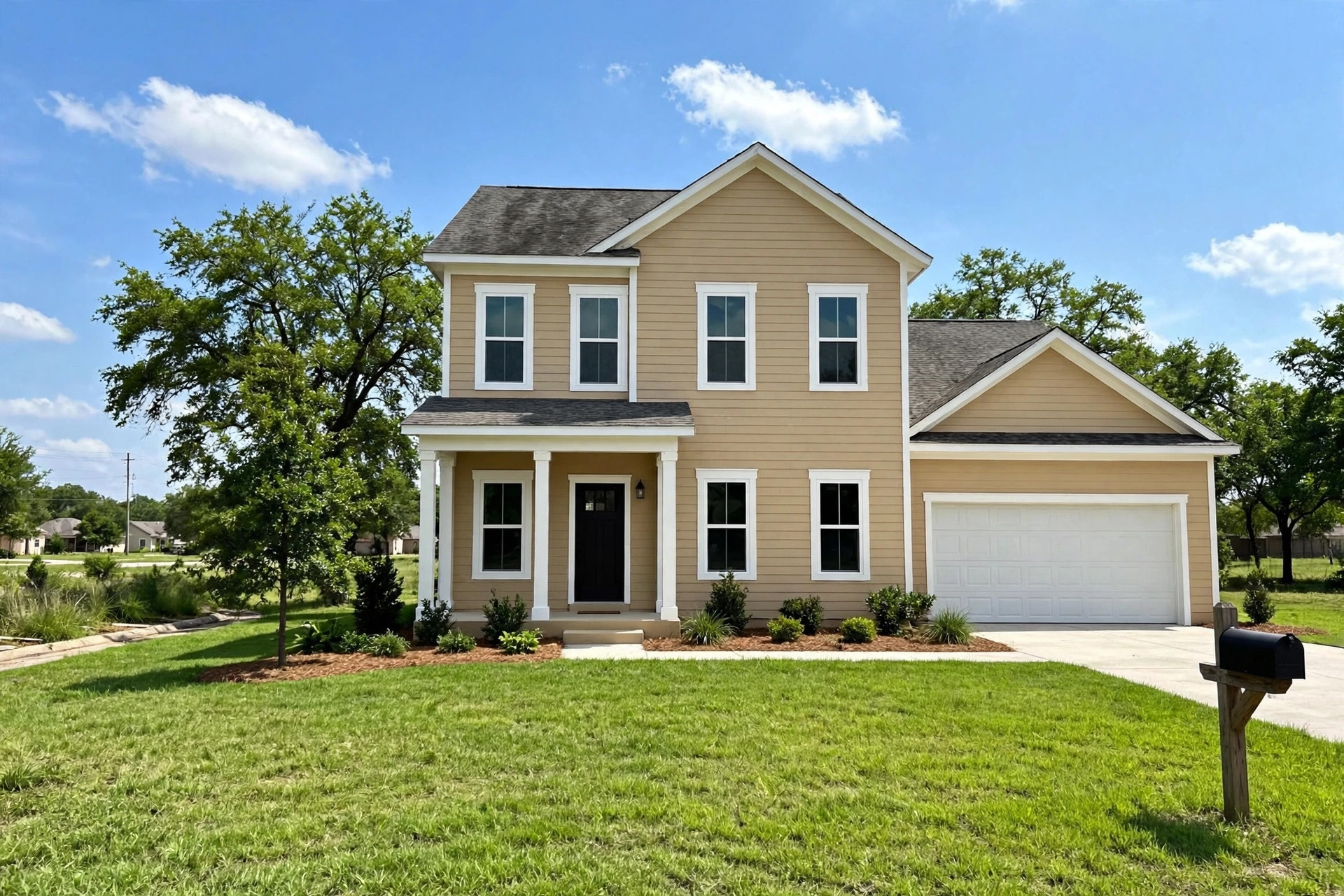

Texas sun is hard on a house. Heat, wind, and storms wear paint down year after year. A coat that looks fine in April can peel by late summer. That is why many homeowners look for reliable exterior house painting services in texas. A good painter does more than brush on color. He or she prepares the surface, seals cracks, and uses paint that stands up to one of the toughest climates in the country. This guide covers what to look for, what the work costs, and how to keep the results in good shape.
Why Good Exterior Painting Matters in Texas
Summer heat in Texas often stays above one hundred degrees for weeks. Ultraviolet light beats down on siding, trim, and doors. Afternoon storms bring hail and driving rain. In some regions, dust and sand scour walls like sandpaper. All of this breaks paint down faster than in cooler climates.
Good exterior paint is the first line of defense. It keeps moisture out of wood siding and trim, stops sun damage on stucco and brick, and slows rust on metal. When paint fails, water gets in and causes rot, mold, and costly repairs.
A fresh coat also lifts the look of the house. Buyers pay more for homes that look cared for.
Many homeowners try to paint the whole house themselves. That works for a small shed. For a full house, the work is bigger than it looks: ladders, sprayers, scrapers, and days of steady labor. A professional crew finishes in days what takes a homeowner a month of weekends, and professional exterior house painters texas homeowners hire carry insurance for work done high off the ground.
What to Look for in a Painting Service: Reliable Exterior House Painting Services in Texas
Start with insurance. Texas does not license painters at the state level, so anyone can claim the title. Ask for proof of general liability insurance and workers compensation before work begins. A reliable company shows these papers without a fuss.
Look for local experience. Painters who have worked in Texas for years know which products hold up in the heat. They know dark colors fade fast on south and west walls. They know caulking shrinks in dry air and must be done right. Ask how long the company has served your town. A Houston crew knows Gulf humidity. A Dallas crew knows the hail belt. Local knowledge shows in the details.
Ask for references and recent work. A good company gives names and addresses of homes painted in the last year or two. Drive past them and look at the edges around windows and doors, where clean lines mean careful work. Ask the owners if the crew showed up on time and cleaned up daily. This hour of checking can save months of regret.
Get written estimates from three companies. Each estimate should list the work step by step: washing, scraping, priming, caulking, number of coats, and the exact paint brand and line. It should split labor and materials, and give start and finish dates. An estimate that is one number on a scrap of paper is not serious. Good contractors put it in writing.
Watch out for low bids. A bid far below the rest often means cheap paint, thin coats, or skipped prep, and the house may peel within two years. It is better to pay a fair price once than to pay twice for a bad job.
Check reviews with care. Look for patterns across many reviews, and ask the Better Business Bureau for the company record. A long record with few complaints is a good sign.
How the Work Should Be Done
A reliable paint job follows a clear order. Skipping steps is where bad jobs begin.
First comes washing. The crew should wash the whole house to remove dirt, mildew, and loose paint, since paint sticks poorly to a dirty surface. Many homeowners book top rated house power washing services near me on its own, but a painting crew should include washing in its prep.
Next comes scraping and sanding. Loose paint must come off, rough edges get sanded smooth, and bare wood gets primed. This step takes time, and it is the step cheap crews skip.
Then comes repair and caulking. Cracks around windows, doors, and trim should be filled and sealed, and rotted wood cut out and replaced. Stucco cracks wider than a hairline may need patching first; see the stucco exterior repair cost guide usa. Gaps left open let water in behind the paint, and that is how peeling starts.
After prep comes the paint. Most Texas painters apply primer where needed and two finish coats over the whole surface, since one thin coat fades fast. Ask how the crew applies it. Spraying is fast and even, but windows and trim must be masked well.
Quality paint makes a real difference. Exterior paint for Texas should resist fading, mildew, and cracking, and retailers like The Home Depot and Lowe’s stock lines made for hot climates. Makers such as Sherwin-Williams publish guides on choosing paint for southern heat. A reliable painter names the exact product and explains why it suits your home.
Types of Painting Services You Can Hire
A one- or two-person crew is common in small towns. These painters often do careful, personal work at lower prices. They may take longer, and if one person gets sick, the schedule slips. For a small single-story home, they can be a fine choice.
A mid-size company with two or three crews is the most common pick for suburban homes. They can start within a week or two and finish in three to five days, with an office, a manager, and a clear warranty. Ask who supervises the crew and how to reach that person.
Large firms serve whole metro areas such as Houston, Dallas-Fort Worth, San Antonio, and Austin. They run many crews at once, charge more, and offer stronger warranties. For a two-story home with steep roofs and lots of trim, a large firm has the gear to work safely.
Some companies focus on certain surfaces. Stucco homes are common in Texas and take special prep and elastomeric paint; brick homes often get mineral or masonry paint; wood siding needs different primers. Painting vinyl siding is possible with flexible paint, but some owners replace it instead. A vinyl siding installation cost guide usa can help compare the two paths. Match the company to your surface.
Cost and Price in Texas
Exterior painting in Texas usually costs two to six dollars per square foot of painted surface. A small one-story home with about one thousand square feet of wall area may cost three thousand to five thousand dollars. A two-story home with two thousand square feet may run five thousand to ten thousand dollars or more.
Prep work is the biggest cost driver. A home with heavy peeling or rotted trim needs hours of extra labor before the first coat, while a home in good shape needs only a wash and light scraping. When estimates differ, check how each company prices prep.
Paint quality moves the price too. Premium exterior paint costs sixty to ninety dollars per gallon, and a two-story house may need fifteen to twenty gallons. Cheap paint costs half as much but lasts half as long, while the labor costs the same either way.
Timing affects price. Spring and fall are the busy seasons and crews book up. Late fall and winter can bring lower prices in some cities, but paint needs dry air and mild temperatures to cure.
Payment terms should be clear: a deposit of ten to twenty percent, a progress payment partway through, and the balance when the job is done to your liking. Never pay the full price up front. Get the plan in writing.
A written warranty adds real value. Many reliable companies offer two to five years on labor, and the paint maker warrants the product. Read both, and ask what voids the warranty, such as sprinklers hitting the wall every day.
Care and Upkeep After the Paint Job
A new paint job is not the end of the story. A little care adds years to its life.
Wash the house once a year. A garden hose and a soft brush remove dust, pollen, and mildew before they stain. On the Gulf Coast, mildew grows fast on shaded north walls. A mild bleach and water mix kills it. Rinse well so no residue stays on the paint.
Trim trees and bushes back from the walls. Plants that rub against siding wear paint off and hold moisture against the surface, so keep at least six inches of space for air to move.
Fix small damage right away. A nick from a mower or a crack from a storm should get touch-up paint within a few weeks. Keep a small can of the exact paint used on your house, with the brand, color name, and code written on the lid.
Check caulking every two years. Texas heat dries caulk out, and cracked caulk around windows lets water in behind the trim. A tube of exterior caulk and an hour of work every couple of years stops big problems.
Watch the sprinklers. Water that hits the same wall every morning stains paint and feeds mildew, so adjust the heads to water the grass, not the house. This one change can add years to the paint on lower walls.
Plan for the next repaint. In Texas, a good job on wood siding lasts seven to ten years and stucco with quality paint ten to twelve. South and west walls fade first, so a walk-around each spring shows where you stand.
Safety Notes for Homeowners
Make sure the company carries liability insurance and workers compensation, and ask for the certificate before work begins. If a ladder tips or a worker is hurt, insurance should pay, not you.
Ask how the crew handles lead paint. Homes built before 1978 may have lead paint under newer layers, and federal rules require certified crews to handle it safely with contained work areas and careful cleanup. A reliable company tests for lead when the age of the house suggests it. See guidance from the Consumer Product Safety Commission.
Keep children and pets away from the work area. Move toys, grills, and pet bowls away from the walls before the crew arrives. Tell the crew about gates, alarms, and areas to avoid.
Mind the weather. Paint needs dry air and temperatures above fifty degrees to cure well, and Texas storms arrive fast. A good crew watches the forecast and stops in time to protect fresh paint. Ask what happens if a storm hits mid-job.
Keep windows on the work side closed while the crew sprays, then open them once the paint is dry. Mention any fume sensitivity so the crew can plan the order of work.
Frequently Asked Questions
How often should a house be repainted in Texas? Most Texas homes need a fresh coat every seven to ten years. Wood siding in full sun may need it sooner, while stucco and brick with quality paint often last ten to twelve. Look for peeling, fading, and chalky paint each spring.
What is the best time of year to paint a house in Texas? Spring and fall are best: mild temperatures and dry air help paint cure. Summer works too, but crews must start early and afternoon storms can stop work. Winter suits South Texas but is risky farther north.
How long does an exterior paint job take? A single-story home takes two to four days; a two-story home takes four to seven. Heavy prep can add days, and rain or extreme heat can pause the work. Ask for a written schedule.
Should I choose light or dark paint colors in Texas? Light colors last longer in Texas heat because they reflect sun and fade slowly. Dark colors absorb heat and fail sooner on sun-struck walls. Save dark colors for trim or shaded walls, and pick a paint rated for high sun exposure.
Is it cheaper to paint or to install new siding? Painting costs far less up front, often a third to a half of new siding. But siding lasts decades with little care, while paint needs renewal every seven to ten years. If siding is rotted, replace it; if it is sound but tired-looking, paint wins.
What should be in the written contract? The contract should name the paint brand, line, and colors; list every prep step; state the number of coats; give the total price and payment plan; set start and finish dates; and spell out the warranty. It should also cover daily cleanup and protection of plants and driveways.
A Final Word
A house is often the largest thing a family owns, and its paint is its skin. In Texas, that skin works hard. Choosing reliable exterior house painting services in texas is about finding people who prepare the surface with care, use paint made for the climate, and stand behind their work in writing. Done right, the job protects your home for a decade and makes it a place you are proud to come home to.
For more background, see James Hardie, CertainTeed, and This Old House. See Bob Vila for more detail.
References
Bob Vila. (n.d.). Home improvement advice. https://www.bobvila.com CertainTeed. (n.d.). Building materials and exterior products. https://www.certainteed.com James Hardie. (n.d.). Fiber cement siding and exterior products. https://www.jameshardie.com Lowe’s. (n.d.). Home improvement products. https://www.lowes.com Sherwin-Williams. (n.d.). Paints and coatings. https://www.sherwin-williams.com The Home Depot. (n.d.). Home improvement products. https://www.homedepot.com This Old House. (n.d.). Home renovation guidance. https://www.thisoldhouse.com U.S. Consumer Product Safety Commission. (n.d.). Product safety information. https://www.cpsc.gov
Was this guide helpful?

About Lisa Anderson
The My Garden US editorial team writes practical, in-depth home and garden guides for American homeowners — tested advice, no fluff.
You May Also Like
Best Concrete Driveway Resurfacing Near Me: A Plain Guide for Homeowners
February 3, 2026 0 views
Finding Low Maintenance Home Exterior Design Services Near Me
January 18, 2026 0 views
Best Fence Installation Contractors Near Me: How to Hire the Right Crew
January 14, 2026 0 views