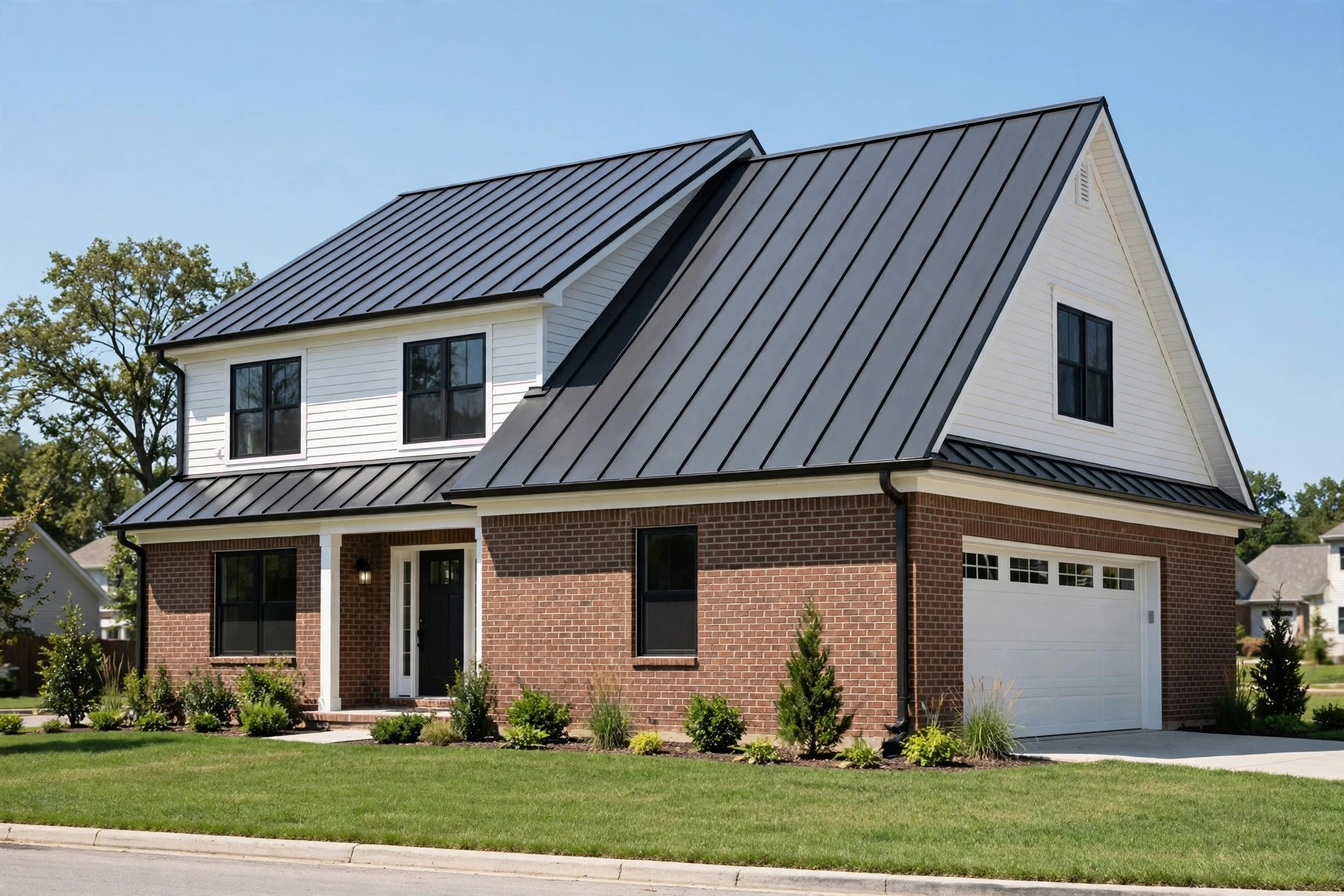

When it is time for a new roof, many owners now look past shingles. Top rated metal roofing installation for homeowners has become a common search, and for good reason. A metal roof can last forty to seventy years. It stands up to wind, hail, and fire. It can lower cooling bills in hot summers. Yet not every job is equal. A good metal roof depends on three things: the right panel, the right crew, and the right plan. This guide walks through each one in plain words, so you can tell a strong job from a weak one.
Why It Matters
A roof is the largest shield your home has. Water finds every weak point. A small leak at a seam can rot wood, feed mold, and stain ceilings. Cheap work often looks fine on day one. Trouble shows up in year three, when panels loosen or fasteners rust.
Top rated metal roofing installation for homeowners matters because metal is unforgiving of sloppy work. Asphalt shingles can be torn off and redone with little fuss. Metal panels are cut, bent, and fastened to exact measure. If a crew cuts a panel short, they cannot stretch it. If they drive screws too deep, they break the seal that keeps water out. If they skip the right underlayment, the roof may sweat inside and drip on cold mornings.
A top rated job also protects your money. When the install is done well, you may never pay for another roof. When it is done poorly, you pay twice: once for the bad job, and once for the fix. Reading this guide before you sign is time well spent.
What to Look for in a Roofer: Top Rated Metal Roofing Installation for Homeowners
The roofer matters more than the brand of metal. A fine panel in careless hands will fail. A fair panel in skilled hands will serve for decades. Here is how to judge a company before you hire it.
Check Experience With Metal
Ask how many metal roofs the crew has installed in the last year. You want a crew that does metal as its main work, not as a side job. A company that only does metal roofs will own the right brakes, seamers, and shears. A company that mostly does shingles may rent tools or guess at details.
Ask to see photos of finished jobs, not stock photos. Ask for addresses nearby where you can look at a finished roof from the street. A top rated company will say yes with pride.
Check Ratings and References
Read reviews from several places, not just the company web site. Look for patterns. Do owners praise the crew for clean work? Do they report leaks a year later? One bad review means little. Ten reviews with the same complaint mean much.
Call two or three past customers. Ask simple questions. Did the crew arrive when promised? Was the bill the same as the quote? Is there any leak or rattle today? Past customers will tell you the truth.
Check License and Insurance
The company must hold a state license where one is required. It must carry general liability insurance and workers compensation. Ask for proof in writing. If a worker falls from your roof and the company has no coverage, you may face the bill. This check takes ten minutes and can save you a fortune.
Get Three Written Bids
Never accept the first price you hear. Get three written bids that list the same items: panel type, gauge, underlayment, trim, flashing, fasteners, tear-off of the old roof, and cleanup. Then compare line by line. A bid that is far below the others is a warning. The cheap bidder often cuts the steps you cannot see, like the underlayment or the drip edge.
Types of Metal Roof Panels
Not all metal roofs are the same. Each type has its own look, price, and skill level. A top rated installer will explain the trade-offs and let you choose with clear facts.
Standing Seam
Standing seam panels run from ridge to eave in long strips. The seams stand up one to two inches and are folded or snapped together. No screws show. This is the top choice for most homes: it sheds water best and lasts longest. It costs more, but it asks for the least repair.
Exposed Fastener Panels
These panels are screwed down through the face of the metal, and the screws show. The cost is lower. The catch is that every screw is a small hole. The rubber washers wear out over time, often in ten to fifteen years, and then each screw may need a check. For a home you plan to keep for decades, standing seam is usually the better value.
Metal Shingles and Tiles
Some makers press metal into shapes that look like wood shakes, slate, or clay tile. They give a classic look with the strength of metal, at a higher price. They need a skilled crew, because each piece must be placed and fastened in order.
Metal Choices
Steel is the most common metal for home roofs. Galvalume steel, which is coated with zinc and aluminum, resists rust well. Aluminum is lighter and will not rust, which makes it a fine pick near the ocean. Copper and zinc are costly and last a century, but few home jobs use them. For most owners, galvalume steel in a good gauge is the smart middle ground.
For a full picture of what such a job can cost, see our metal roofing installation cost guide usa.
Cost and Price
A metal roof is an investment. It costs more than shingles and less than slate or tile. For a typical American home, a standing seam metal roof often runs from fifteen thousand to forty thousand dollars. The range is wide because the price depends on your home and your market.
The size of the roof matters most. Roofers measure in squares. One square is one hundred square feet. A small ranch may need twenty squares. A large two-story home may need forty or more.
The slope of the roof matters too. A steep roof is harder and slower to work on, so labor costs rise. A roof with many valleys, dormers, and chimneys needs more flashing work, and flashing takes time.
The panel type sets the material price. Exposed fastener panels cost the least. Standing seam costs more. Metal shingles that look like slate cost the most.
The old roof also adds cost. If the old shingles must come off, the crew charges for tear-off and disposal. Some metal roofs can go over one layer of shingles, which saves money. But many roofers prefer a clean deck so they can check the wood for rot.
When you read a bid, look for these lines: materials by type, labor, tear-off, underlayment, flashing and trim, fasteners, permits, and cleanup. A bid that lists each line is honest; one lump sum hides the details. You may also want to compare with top rated asphalt shingle roofing for usa homes to see how the numbers differ.
How a Top Rated Install Is Done
A good install follows the same steps every time. You can watch for them while the crew works.
First comes the inspection. A top rated roofer checks the attic and the deck for soft spots, old leaks, and sagging. He measures the roof and plans where each panel will lie.
Next comes the tear-off, if the plan calls for it. The crew removes the old roof down to the deck. They check every sheet of wood. Soft or rotten wood is replaced. This step is dull work, but it is where a lasting roof begins.
Then the crew lays underlayment over the deck. Good underlayment for a metal roof is a synthetic felt or a self-sealing membrane in valleys and along eaves. It is the last guard against water. Cheap paper felt is a poor choice under metal.
After that, the crew sets the drip edge and the flashing at chimneys, walls, and skylights. Flashing is bent metal that turns water away from joints. This is fussy work. Rushed flashing is the most common cause of metal roof leaks.
Then the panels go on. On a standing seam job, panels are laid straight from eave to ridge, clipped or seamed to the deck. The crew checks each panel for straight lines. Wavy lines mean the panels were forced into place, and forced panels may buckle later.
Finally, the ridge cap goes on, and the crew cleans up. A top rated crew picks up nails and metal scraps with a magnet. They leave your yard as they found it.
You can read plain how-to advice on older home projects at This Old House, which walks through roof work step by step. For a broad view of home improvement costs and methods, Bob Vila offers steady guides.
Care and Upkeep
A metal roof asks for little care, but it still needs some. Plan to look at it twice a year, in spring and in fall, and after any hard storm.
Keep the roof clear. Leaves and branches hold water against the metal. A soft broom or a garden hose can wash them away. Do not use a pressure washer. High pressure can force water under the panels and dent the finish.
Check the gutters. A metal roof sheds water fast, and that water needs a clear path. Full gutters send water back under the eave. Clean them each season. While you are at it, look at our guide to top rated gutter installation services reviews to see how a sound gutter system helps a new roof.
On exposed fastener roofs, check the screws. If washers look cracked, have them replaced before they leak. On standing seam roofs, look for loose clips or shifted panels. Small fixes now prevent big repairs later.
Do not walk on the roof unless you must. If you must go up, step only on the flat parts of the panel, never on the ribs, and wear soft shoes. A dented rib can break the paint and start rust.
Trim back tree limbs that hang over the roof. Falling branches can scratch the coating. Scratches that reach bare metal should be touched up with paint from the maker.
Safety
Roof work is risky work. Most owners should not climb on their own roof. Leave the steep work to the crew.
If you do inspect from a ladder, set it on firm ground at a safe angle and have a second person hold it. Wear shoes with good grip. Do not go up in wind, rain, or ice.
A top rated crew follows clear safety rules. They use harnesses on steep roofs. They set up fall protection. They keep the site tidy so no one trips on tools or scrap. If you see a crew working with no safety gear, that is a sign to worry about the quality of the rest of the job.
Fire safety is one strong point of metal. Metal will not catch fire from sparks or embers. In areas near wild grass or woods, this is a real benefit. You can learn more about home fire safety rules from the Consumer Product Safety Commission, which tracks safety standards for home products.
Frequently Asked Questions
How long does a metal roof last?
A well-installed metal roof lasts forty to seventy years. Steel roofs with good coatings often reach fifty. The install quality matters as much as the metal. A poor install can cut the life in half.
Can a metal roof go over old shingles?
In many cases, yes. Local codes often allow one layer of metal over one layer of shingles. This saves tear-off cost. But it is not always the best choice. The crew cannot check the deck for rot under the old shingles. A top rated roofer will tell you when tear-off is the wiser path.
Is a metal roof noisy in the rain?
Not with a proper install. A home roof has decking, underlayment, and attic insulation between you and the rain. With those layers, a metal roof sounds much like a shingle roof. If noise still worries you, ask for a solid deck and thick underlayment.
Will a metal roof make my home hotter?
No. Most metal roofs reflect more sun than dark shingles. Many carry light or reflective colors that bounce heat away. This can trim summer cooling bills. For facts on reflective roofing and energy savings, see the ENERGY STAR program, which rates cool roof products.
How do I find the best installer near me?
Start with three bids from companies that focus on metal. Check reviews, call references, and confirm license and insurance. Ask each bidder the same questions so you can compare fairly. Sites like The Spruce and Family Handyman give plain checklists for hiring home contractors.
Does a metal roof raise home value?
Often, yes. Buyers like a roof they will not need to replace soon. The effect is strongest when the job is done by a known, rated company with a transferable warranty.
A Short Final Word
Top rated metal roofing installation for homeowners is not hard to find if you know what to look for. Pick a crew that does metal as its main trade. Pick a panel that fits your budget and your home. Read the bid line by line. Watch the key steps as the work goes on. Do the small upkeep each year. Follow these steps, and your new roof will guard your home for decades.
For more reading on exterior home projects, Lowe’s and The Home Depot both keep large guides on roofing materials. James Hardie and CertainTeed publish technical notes on exterior products, and the Metal Roofing Alliance offers owner-focused facts on metal roof benefits.
References
Bob Vila. (n.d.). Home improvement advice. https://www.bobvila.com CertainTeed. (n.d.). Building materials and exterior products. https://www.certainteed.com ENERGY STAR. (n.d.). Energy efficient products. https://www.energystar.gov Family Handyman. (n.d.). DIY home repair and maintenance. https://www.familyhandyman.com James Hardie. (n.d.). Fiber cement siding and exterior products. https://www.jameshardie.com Lowe’s. (n.d.). Home improvement products. https://www.lowes.com Metal Roofing Alliance. (n.d.). Metal roofing benefits for homeowners. https://www.metalroofing.com The Home Depot. (n.d.). Home improvement products. https://www.homedepot.com The Spruce. (n.d.). Home and garden advice. https://www.thespruce.com This Old House. (n.d.). Home renovation guidance. https://www.thisoldhouse.com U.S. Consumer Product Safety Commission. (n.d.). Product safety information. https://www.cpsc.gov
Was this guide helpful?

About Jennifer Lee
The My Garden US editorial team writes practical, in-depth home and garden guides for American homeowners — tested advice, no fluff.
You May Also Like
Top Rated Garage Door Replacement Reviews: A Plain Guide for Homeowners
January 20, 2026 0 views
Top Rated Cedar Shake Siding for Southern States
February 5, 2026 0 views
Weather Resistant Exterior House Painting Services for Homeowners
July 3, 2026 0 views