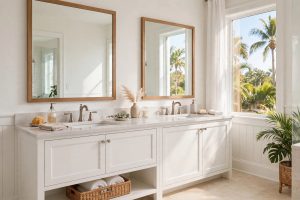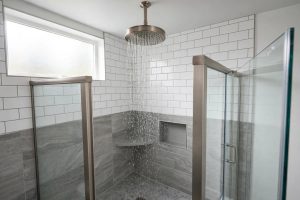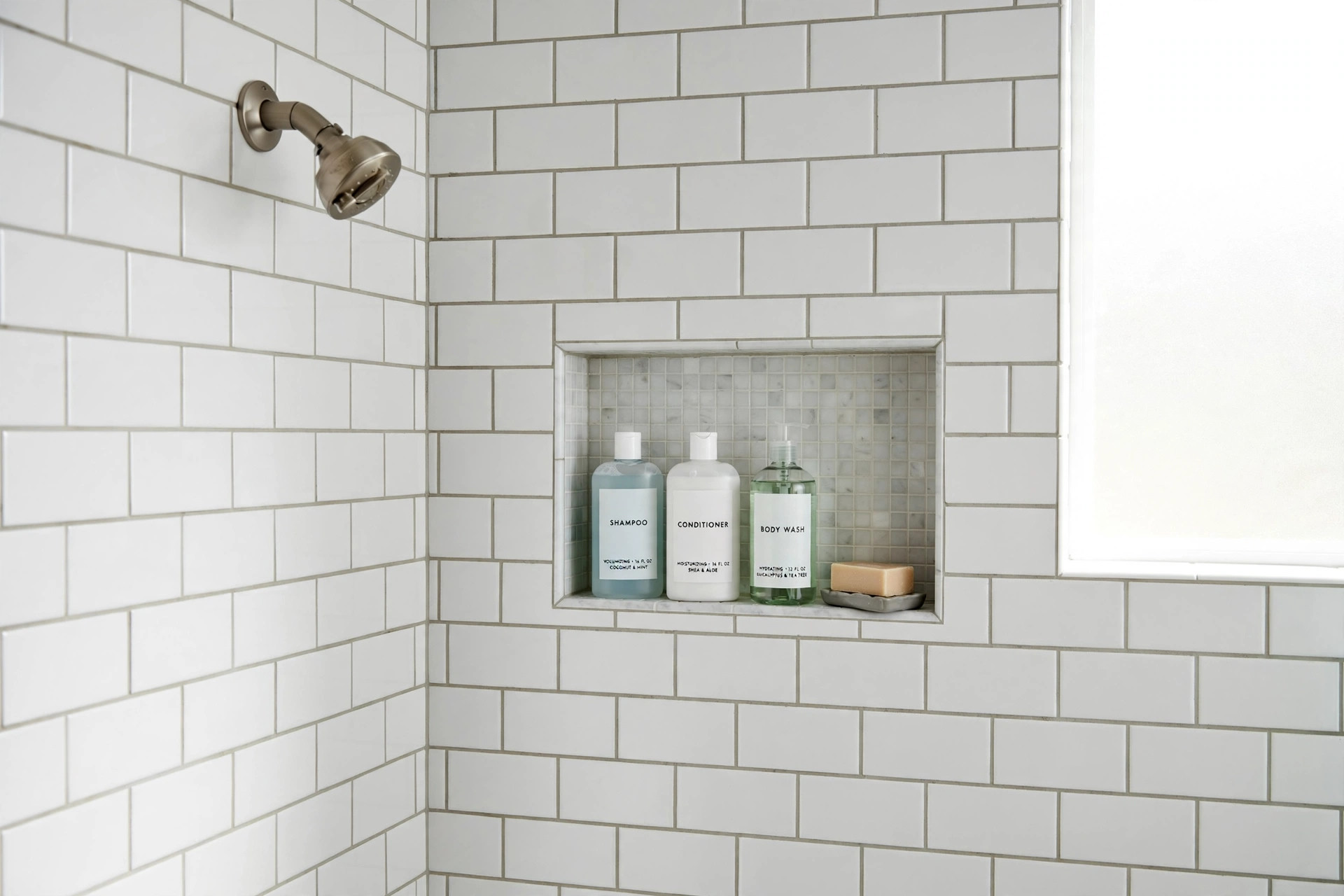
A shower niche is a shelf set into the wall of the shower. A preformed shower niche inserts california homes usa buyers can order and have installed saves the work of building the box from scratch. Many homes in California have plain showers with no shelf at all. Bottles sit on the floor. Soap slides. A niche puts all of it in one neat place. This guide explains what these inserts are, why they matter, which types fit best, what they cost, and how to keep them in good shape for years.
Why It Matters
A shower that has no shelf is a small daily trouble. Wet bottles fall off the tub edge. Razor blades rust in corners. Small children and older people risk a slip when they bend down to the floor. A shower niche insert fixes all of that at once. It gives shampoo, soap, and shaving cream a dry, steady home at a height you can reach without bending.
In California, where many homes were built in the 1960s, 1970s, and 1980s, showers often lack built-in storage. Tile contractors across the state report that adding a niche is one of the most common small upgrades during a bath refresh. A preformed insert makes the job simple. The box arrives ready to set. The tile setter fits it into the wall cavity, seals it, and tiles over the edges. The result looks built in, because it is built in, but it takes far less time than a box made from loose boards and waterproof sheets.
There is also the question of resale. Bathrooms sell homes. Real estate agents in California cities note that buyers look for a bathroom that feels clean and finished. A neat tiled niche in the shower reads as care. It is a small detail, but small details shape first impressions. When paired with other modest updates, such as new shower heads and frameless shower doors, a niche helps the whole room feel newer.
Aesthetics matter too. A niche set with the same tile as the wall keeps the design calm. One set with a contrasting mosaic makes a quiet accent. Either way, it breaks up a large blank wall of tile and gives the eye something to rest on. Designers of bathrooms have used this trick for decades, and the preformed insert only makes it easier.
What to Look For: Shower Niche Inserts California Homes Usa
Choosing a niche insert is mostly about size, material, and placement. Start with size. Common sizes are 12 by 12 inches, 12 by 28 inches, and 8 by 12 inches. A single small niche holds the basics for one person. A tall one holds bottles for a couple. Measure the bottles you use every day. Shampoo bottles run six to ten inches tall. Give them an inch or two of clearance above. If you share the shower, think about two levels or one tall box.
Next, look at material. Most preformed inserts are made of waterproof foam board coated on the face, or of molded plastic with a tile-ready surface. Foam-board boxes are light and easy to cut. They bond well to thinset mortar. Molded boxes are rigid and exact. Both work well when they are set and sealed with care. Avoid bare wood or plain drywall boxes. Water will find them, and mold will follow.
Check the edges. A good insert has a slight slope on the bottom shelf, or instructions to set one. Water must drain out of the niche, not sit in it. Flat shelves hold water, and standing water grows film and smell. A slope of a quarter inch toward the shower does the job.
Placement is the third point. The best height is between the chest and the shoulders of the people who use the shower. Common heights put the bottom shelf about four feet from the shower floor. Place the niche on a side wall, not on the back wall under the shower head, when you can. Direct spray fills bottles with water and washes labels off. On an inside wall, away from pipes and studs where possible, the work is simpler too. Your tile setter can tell you which wall has open space.
For general advice on planning a small bath project, the project guides at This Old House walk through shower details step by step. For tile and floor product ideas, Floor & Decor shows how niches look with different tile sizes.
Types and Options
Single-box inserts
The single box is the most common. It is one open shelf, usually square or wide. It fits one to two people and suits small showers. Most California guest baths and hall baths use this size. It installs fast and costs the least.
Tall double inserts
A tall insert is often divided by a middle shelf into two openings. This gives a tall-bottle zone below and a short-bottle zone above. It works well in master showers where two people keep separate sets of products. The box needs a taller wall cavity, so check stud spacing before you buy.
Horizontal wide inserts
A wide insert runs side to side, sometimes as wide as 36 inches. It gives a long shelf line and a strong visual accent. It fits large walk-in showers. It needs careful planning, because cutting two or more studs may require extra framing support. Always check with a licensed contractor before cutting studs in a load-bearing wall.
Corner inserts
A corner insert fits where two walls meet. It suits small tub-showers where a full niche would not fit. The shelves are triangular. They hold less, but in a tight bath a corner insert is better than no shelf at all.
Shelf kits and add-on shelves
Some brands sell small corner shelves that glue or screw to finished tile. These are not true inserts, but they are worth a mention. They help renters and people who do not want to open a wall. They hold less weight and do not last as long as a built-in box.
If you are comparing full shower projects, a buying guide for shower niche inserts can help you sort sizes and brands before you talk to a contractor.
Cost and Price
Prices for preformed niche inserts in the United States run about twenty to one hundred and fifty dollars for the box alone, before tile and labor. Small single boxes sit at the low end. Tall and wide boxes sit at the high end. Brands and stores set their own prices, so compare. Home center shelves and plumbing supply houses both stock them. You can browse current shelf stock at The Home Depot or Lowe’s.
Labor is the larger cost. Setting a niche into an existing shower wall takes cutting, framing checks, waterproofing, and tile work. In California, labor rates vary by region. In the Bay Area and Southern California, a tile setter may charge more per hour than in the Central Valley. As a rough range, plan for two hundred to six hundred dollars in labor for a straightforward install into a wall that is already open during a retile. If the wall must be opened and reclosed for the niche alone, add more.
Tile adds cost too. The inside of the niche needs tile or stone to match the wall. A mosaic back panel is a popular choice and adds little to the total. If the niche is wide, the shelf tile needs a clean edge, which means more cuts. Ask your contractor for one price that covers the box, the waterproofing, the tile, and the grout. That avoids surprises.
Total project cost for a niche added during a normal retile often falls between three hundred and eight hundred dollars in California. Added as a stand-alone job to an existing shower, it can run higher because opening and patching tile costs more. Get two or three written quotes. Ask each bidder the same questions: How will you waterproof it? How will you slope the shelf? What is the finish date? Honest, specific answers are worth more than the lowest price.
Care and Upkeep
A niche insert needs little care, but it does need some. Wipe the shelf with a soft cloth once a week. Do not let soap scum build up. Scum feeds mildew, and mildew feeds odor. A mild bathroom cleaner is enough. Harsh acids and strong bleach can dull grout and some tile glazes.
Check the grout lines twice a year. If a crack opens at a corner, fill it with fresh grout or a matching caulk. Water must never get behind the tile. If you see dark stains that will not wash off, or grout that crumbles when touched, call a tile professional. Small repairs are cheap. Rot behind a wall is not.
Let bottles dry out now and then. Bottles with flat bottoms trap water under them. That ring of damp turns cloudy and hard. Pick bottles up, wipe the shelf, and set them back. A few seconds each week keeps the shelf clean.
If hard water spots form, a mix of white vinegar and water cuts them on most tile. Rinse well after. Do not use vinegar on natural stone like marble or travertine, because acid etches stone. On stone, use a cleaner made for stone. Tile care guides at The Spruce and Bob Vila explain which cleaners suit which surfaces.
Safety
A niche insert is a storage box, not a step or a handle. Do not stand on it. Do not pull on it to steady yourself. If you need grab support in the shower, install real grab bars rated for the job. Safety placement tips appear in home guides at HGTV.
Watch sharp corners on glass and stone shelves. Ask your tile setter to ease edges or use rounded trim. Keep the niche height within easy reach so no one stretches on a wet floor. Keep the shelf uncluttered. A crowded shelf drops bottles, and glass bottles on a tile floor can break and cut bare feet. Plastic bottles are the safer choice in the shower.
Check local building rules if your job touches plumbing or framing. California cities follow the state building code, and some jobs need a permit. A licensed contractor knows the local rules. Major fixture brands publish clear installation guides too. You can check care and install notes at Kohler, Moen, Delta Faucet, and American Standard.
Also note that waterproofing systems differ by brand. The insert maker and the membrane maker should work as one system. For example, foam-board niche brands such as the ones sold through Schluter pair with that maker’s waterproofing sheets and drains. Mixing brands can work, but check the warranty terms before you mix. Follow the maker’s written instructions. They exist to keep water out of your wall.
Frequently Asked Questions
Can a niche insert go into any shower wall?
Almost any wall can take one, but not every wall is easy. Inside walls without pipes are simplest. Walls with plumbing or vents need the pipes moved, which costs more. Exterior walls in cold regions need care so insulation stays intact. In California, most jobs go into interior tile walls without trouble. Your contractor checks stud spacing and picks the right wall.
Do I need to hire a professional?
A skilled homeowner can set a niche during a full retile. But waterproofing must be perfect. If water gets behind tile, mold and rot follow. For most people, hiring a tile setter or bath contractor is the safer choice. The job is small, and a pro finishes it in a day or two.
Will a niche leak?
A niche set and sealed with care will not leak. The box itself is waterproof. Leaks happen when the seams, the shelf slope, or the grout are done poorly. That is why the install matters more than the brand. Ask how the installer waterproofs corners and edges, and get the answer in writing.
Can I add a niche without retiling the whole shower?
Yes, but it costs more per step. The tile setter cuts the opening, sets the box, and patches the tile around it. Matching old tile is hard. Grout colors shift with age. If an exact match matters, plan to retile the whole wall or the whole shower. Many homeowners add the niche during a planned retile for this reason.
What size is best for a California master bath?
For a master bath that two people share, a tall insert around 12 by 28 inches works well. It holds two sets of bottles. For a guest bath, a single 12-by-12 box is enough. Measure your tallest bottle and add clearance before you buy. A list of shower niche inserts for sale lets you compare real sizes side by side.
How long does a niche insert last?
The box itself lasts as long as the tile around it, often twenty years or more. Grout and caulk need touch-ups over time. Keep the shelf sloped, keep it clean, and fix cracks early. With that small care, the niche will look good for decades.
A Final Word
A shower niche insert is a small box that solves a daily annoyance. For California homeowners planning a bath update, it is one of the cheapest ways to add real function and a finished look. Pick the right size, place it on the best wall, and have it set and sealed with care. Then enjoy a shower where everything has its place.
References
American Standard. (n.d.). Bathroom and kitchen products. https://www.americanstandard.com Bob Vila. (n.d.). Home improvement advice. https://www.bobvila.com Delta Faucet. (n.d.). Kitchen and bathroom faucets. https://www.deltafaucet.com Floor & Decor. (n.d.). Tile, wood, and stone flooring. https://www.flooranddecor.com HGTV. (n.d.). Home and garden ideas. https://www.hgtv.com Kohler. (n.d.). Bathroom and kitchen fixtures. https://www.kohler.com Lowe’s. (n.d.). Home improvement products. https://www.lowes.com Moen. (n.d.). Faucets and plumbing fixtures. https://www.moen.com Schluter. (n.d.). Waterproofing and tile installation systems. https://www.schluter.com The Home Depot. (n.d.). Home improvement products. https://www.homedepot.com The Spruce. (n.d.). Home and garden advice. https://www.thespruce.com This Old House. (n.d.). Home renovation guidance. https://www.thisoldhouse.com
Was this guide helpful?

About David Wilson
The My Garden US editorial team writes practical, in-depth home and garden guides for American homeowners — tested advice, no fluff.