
A Sink That Fits the Florida Kitchen
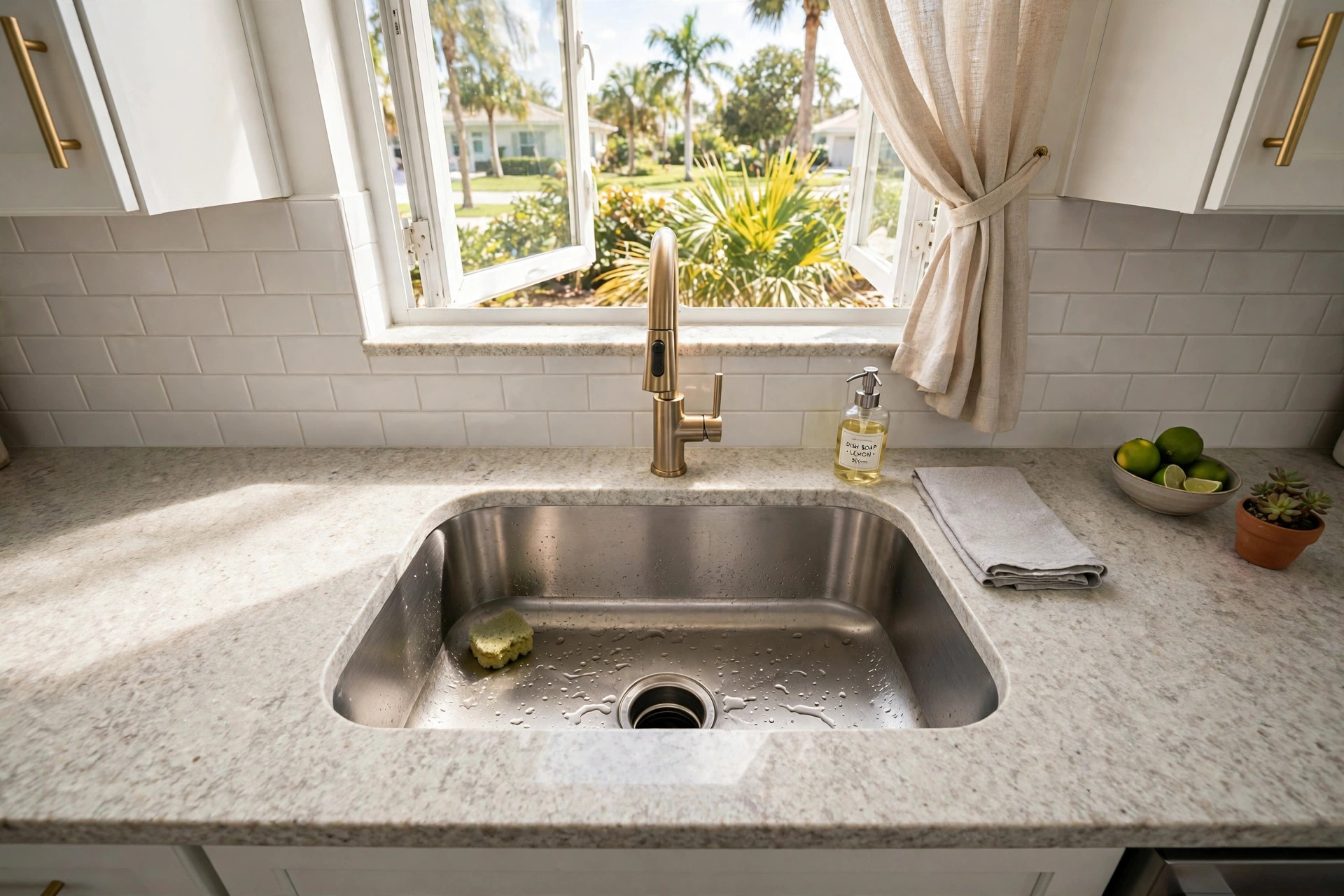
An undermount stainless sinks florida homes usa buyers often ask about is a steel basin that is fixed to the underside of the countertop. The rim is hidden. The counter top seems to flow right into the bowl. Crumbs and water wipe straight into the sink. There is no raised edge to trap grime.
Florida kitchens take a beating. Heat and humidity sit in the air for much of the year. Cooking happens often. Many homes have stone or solid surface counters that pair well with undermount mounting. A stainless sink suits this setting. Steel stands up to heat, resists stains, and shrugs off hard use. It is one of the most common choices in American kitchens, and Florida is no exception.
This guide walks through the choice in plain terms. You will learn what an undermount sink is, how to pick one, what the common shapes and sizes cost, and how to care for it in a warm, damp climate.
Why the Undermount Style Matters: Undermount Stainless Sinks Florida Homes Usa
The main gain is clean lines and easy wiping. With a top mount sink, the rim sits on the counter and makes a small ledge. Water and bits of food collect along it. With an undermount, there is no ledge. The counter and the sink meet in a smooth line.
That smooth line helps in Florida for one more reason. Humidity breeds mildew. A seam that holds water will grow dark spots over time. An undermount joint, done right with a good bead of sealant, gives mildew fewer places to take hold. It is not free of care. No sink is. But it is easier to wipe and easier to keep dry.
The look fits many Florida homes too. Tile floors, light walls, and stone counters are common. A steel bowl under the counter keeps the sight lines clean. The kitchen feels open and uncluttered.
What to Look For When You Choose
Steel sinks are sold by gauge. Gauge is the thickness of the metal. Lower numbers mean thicker steel. An 18-gauge sink is a good middle ground for most homes. A 16-gauge sink is heavier and quieter, and it holds its shape well. Very thin sinks, at 20 gauge or lighter, can flex and may sound tinny.
Sound padding matters. Water drumming on thin steel is loud. Most good sinks have pads glued to the underside of the bowl. Look for thick rubber pads and a spray coating. These cut noise and reduce condensation.
The bowl depth is worth thought. Deep bowls, around nine or ten inches, hold tall pots and keep splashing down. Very deep bowls can strain the back when you lean in to wash. A depth of eight to nine inches suits most users.
Check the drain placement. A rear or corner drain leaves more usable space under the counter. That helps if you keep cleaning supplies or a filter under the sink. A center drain is standard and costs less.
Look at the edge and the corners. Small radius corners are squarer and look modern. They are harder to clean in the corners. Large radius corners curve more and wipe clean with ease. In a humid kitchen, ease of cleaning is worth real weight.
A buyer guide for undermount stainless sinks can help you compare gauges and bowl sizes side by side before you shop.
Florida-Specific Points
Humidity is the main Florida concern. Steel itself does not mind damp air. But constant moisture under the cabinet can harm wood and foster mold. Check under the sink now and then. Feel for dampness on the cabinet floor. A small tray or mat under the sink catches drips and guards the wood.
Many Florida homes run hard water from wells or city supplies. Hard water leaves white spots on steel. A quick wipe after use stops most spotting. In coastal areas, salt in the air adds another film. A rinse and dry keeps the finish bright.
Hurricane season is part of Florida life. A sink is a minor player in storm prep. Still, it pays to know your shutoff valves. If you leave for a storm, shut off water to the house. A leak under a sink can do quiet damage while no one is home.
Types and Options
Single Bowl
One large basin. It swallows big pans and sheet trays. It is the top choice for cooks who wash by hand. The single bowl undermount is also the simplest to clean.
Double Bowl
Two basins side by side. One for washing, one for rinsing or prep. Double bowls suit households that like a division of labor. Each bowl is smaller than a single bowl, so large pans can be awkward.
Farmhouse Front With Undermount
Some sinks mix the farmhouse apron front with an undermount fit at the sides. These make a strong style statement. They need a cabinet built or altered to carry them. They are heavier and cost more to set in.
Workstation Sinks
These come with ledges that hold cutting boards, racks, and colanders. The sink becomes a prep station. They cost more. In a busy Florida kitchen, the added function can be worth it.
Bar and Prep Sinks
Small sinks for a wet bar or island. Often five to eight inches deep. They pair with a main sink and give a second wash spot for guests or drinks.
Compare reviews of undermount stainless sinks from other buyers before you settle on a size.
Cost and Price
Prices vary with gauge, size, brand, and finish. A fair range for the sink itself runs from about two hundred dollars for a simple single bowl to eight hundred dollars or more for a heavy workstation model in thick steel. Thick 16-gauge sinks from known makers sit at the upper end.
Setting the sink in place is a separate cost. A plumber may charge a few hundred dollars for a straight swap where the cutout and cabinet are ready. New counters with a cutout for undermount cost more. Stone counters need a shop to cut and polish the opening. Get quotes in writing.
Accessories add up. A sink grid guards the bowl from scratches. A strainer basket fits the drain. A cutting board made for a workstation sink is handy. Budget fifty to one hundred fifty dollars for the extras you will actually use.
Watch undermount stainless sinks for sale pages at large retailers to get a feel for current prices before you visit a store.
Getting Quotes the Smart Way
Measure your cabinet before you shop. The sink must fit inside the base cabinet with room to spare. Bring the cabinet width to the store or have it ready when you call. Ask if the price includes clips, sealant, and the drain assembly. Ask how long the job will take. A straight swap often takes half a day. A full counter job takes longer.
Installation: What to Expect
An undermount sink hangs from the underside of the counter. Clips and a good sealant hold it. The counter must be solid stone, quartz, or solid surface. Laminate counters do not hold undermount sinks well because water can reach the core and swell it.
The steps are simple to describe. The counter is cut to the sink template. The cut edge is polished. The sink is lifted into place and clipped. Sealant fills the joint. The plumber connects the drain and the faucet. Then it cures.
Do it yourself only if you have the tools and a steady hand. The sink is heavy. The cut must be exact. A bad cut ruins a costly slab. Most Florida homeowners hire this out. A This Old House guide to sink installation shows what good work looks like, which helps when you judge a quote.
Check the joint after the sealant cures. Run your finger along it. It should feel smooth and even. Any gap or rough spot is a place where water will sit. Ask the installer to fix it before they leave.
Care and Upkeep in a Humid Climate
Daily care is simple. Rinse the bowl after use. Wipe it dry with a soft cloth. This takes half a minute and stops most spots.
Weekly, wash with warm water and a mild dish soap. Use a soft sponge. Never use steel wool. Steel wool scratches steel and can leave iron bits that rust. A plastic scrub pad is safe for tough spots.
For hard water spots, a paste of baking soda and water lifts most marks. Rub with the grain of the steel, then rinse and dry. White vinegar on a cloth cuts mineral film. Rinse well after.
Do not leave harsh chemicals in the bowl. Bleach and drain cleaners can pit the steel. If you must use them elsewhere, rinse the sink after. Do not store open bleach bottles under the sink where fumes reach the steel.
Keep the cabinet dry. Florida dampness finds its way in. A battery or plug-in moisture alarm under the sink is cheap and warns you of a leak. Replace the sealant bead at the joint if it cracks or pulls away. The Spruce and Bob Vila sites carry plain how-to pieces on sink upkeep that are worth a read.
Polish now and then. A stainless polish restores the sheen. Use it sparingly and buff with a soft cloth. This is vanity, not need. The sink works fine without it.
Safety Notes
Mounting must be sound. A filled sink is heavy. Water weighs about eight pounds a gallon, and a big bowl holds several gallons. Add a pot of water and the load grows. The clips and the support frame must be rated for the weight. A sink that sags will crack the sealant and leak. If you see the joint open or the sink shift, call a plumber.
Faucet holes matter too. Most undermount setups drill the faucet holes in the counter behind the sink. The hole must be sized to the faucet. A loose faucet rocks and wears the seal. Tighten it once a year.
Hot water can scald. Set the water heater to one hundred twenty degrees. This is hot enough for washing and safe enough to limit burns. Households with children or older adults should take this rule to heart. The Consumer Product Safety Commission publishes guidance on home burn safety that applies here as well.
Garbage disposals add weight and vibration. If your sink carries a disposal, make sure the mount is reinforced. Check the mounting ring now and then. A loose disposal strains the sink flange.
Where to Shop
Large home centers carry a wide range of sinks and let you see and touch the bowls. Home Depot and Lowe’s both stock undermount stainless models in many sizes, and their sites list specs and buyer reviews.
Appliance and fixture makers also sell direct. GE Appliances, Bosch, and Whirlpool each offer kitchen lines where you can read about finishes and care.
Independent testing helps you compare. Consumer Reports tests sinks and fixtures and rates them on noise, finish, and function.
Energy and water sense matters in Florida. The Energy Star site covers efficient fixtures and habits that cut water and power use in the kitchen.
FAQ
Is stainless steel a good pick for Florida’s humidity?
Yes. Stainless steel stands up well to damp air. It does not rust under normal kitchen use. The weak point is not the steel but the cabinet under it. Keep that space dry, and the sink will serve for years.
What gauge should I buy?
Eighteen gauge suits most homes. It is strong enough and costs less than thicker steel. Sixteen gauge is thicker, quieter, and holds its shape better. It costs more. Avoid sinks thinner than twenty gauge for a main kitchen sink.
Can I put an undermount sink in laminate counters?
It is not advised. Water reaches the cut edge of laminate and swells the core. Stone, quartz, and solid surface counters are the right match for undermount mounting.
How do I stop water spots?
Wipe the bowl dry after use. This is the single best habit. For spots that form, a vinegar rinse or a baking soda paste removes them. A sink grid also keeps the bowl from holding standing water.
How long does installation take?
A straight swap into ready counters often takes half a day. A job with new counters takes longer because the stone must be cut and polished. Ask your installer for a firm timeline.
Do I need a plumber?
For most homeowners, yes. The sink is heavy, the fit must be exact, and the drain and water lines must be right. A licensed plumber carries the risk and the warranty. Get two or three quotes.
A Final Word
An undermount stainless sink is a sound choice for a Florida kitchen. It wipes clean, keeps a trim look, and stands up to heat and hard use. Pick a good gauge, fit it to solid counters, and keep the cabinet dry. Do that, and the sink will do its quiet job for many years.
References
Bob Vila. (n.d.). Home improvement advice. https://www.bobvila.com Bosch. (n.d.). Home appliances. https://www.bosch-home.com Consumer Reports. (n.d.). Product reviews and ratings. https://www.consumerreports.org ENERGY STAR. (n.d.). Energy efficient products. https://www.energystar.gov GE Appliances. (n.d.). Kitchen and home appliances. https://www.geappliances.com Lowe’s. (n.d.). Home improvement products. https://www.lowes.com The Home Depot. (n.d.). Home improvement products. https://www.homedepot.com The Spruce. (n.d.). Home and garden advice. https://www.thespruce.com This Old House. (n.d.). Home renovation guidance. https://www.thisoldhouse.com U.S. Consumer Product Safety Commission. (n.d.). Product safety information. https://www.cpsc.gov Whirlpool. (n.d.). Home appliances. https://www.whirlpool.com
Was this guide helpful?

About Michael Thompson
The My Garden US editorial team writes practical, in-depth home and garden guides for American homeowners — tested advice, no fluff.
You May Also Like

Gas Kitchen Ranges Deals Near Me: A Plain Guide to Buying
August 17, 2026 0 views
A Practical Guide to Vinyl Plank Flooring for Texas Homes in the USA
May 28, 2026 1 views
Shaker Cabinet Doors: A Guide for American Homes
June 30, 2026 0 views